
‘Like polishing a china doll’ – Pateman’s Warrnambool comeback amid jumps racing’s delicate future
As jumps racing embarks on another comeback from the brink, Steve Pateman, a key figure in its previous revival 15 years ago, plots his own return to Warrnambool, the heartland of the sport he has made his own.
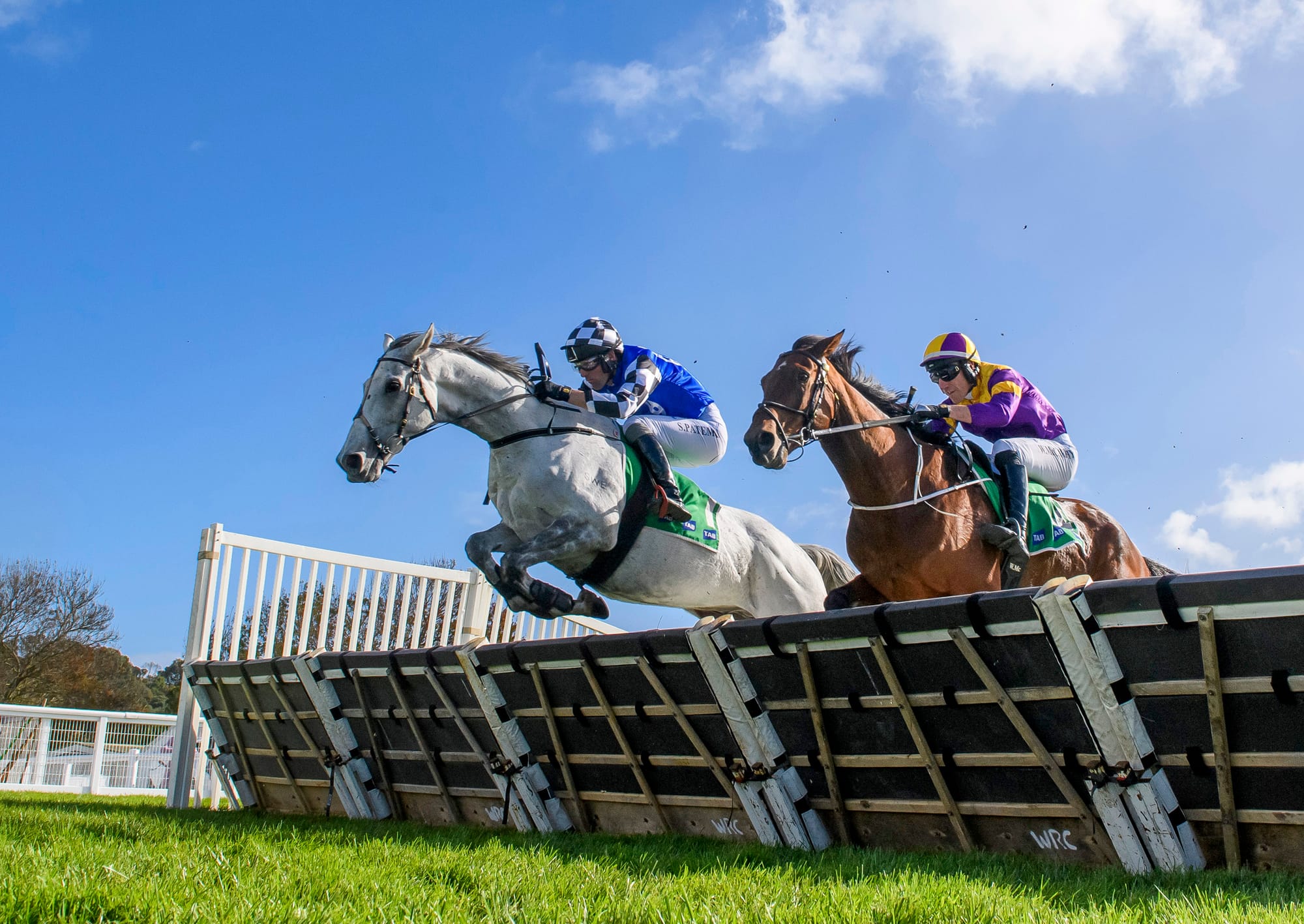
Many were vocal but few actually led the resistance.
Steve Pateman was one of a handful. The great jumps jockey had always been a passionate advocate and ambassador for the sport, but he now became a galvaniser.
Mike Symons was the newly appointed chairman of the Melbourne Racing Club, a successful businessman and a jumps fanatic.
Symons drew up the KPIs and Pateman’s job was to ram them down the throats of his mates in the jockeys’ room.
There was almost no margin for error. There had been too many deaths – 12 that season and three at the May carnival – and too many terrible headlines.
Two horses had perished in the Grand National Hurdle at Flemington the previous year, 2008. Thirteen started and four finished. Flemington would never stage another jumps race.
The plug had been pulled at Deloraine in Tasmania and while no one realised it at the time, the clock was ticking on Oakbank where the last jumps race was staged in 2021. New Zealand would later be put on notice before clinging on by the skin of its teeth.
Crisis talks were held in the stewards’ room on the Thursday of the fateful 2009 May carnival. A fatality in the Grand Annual was “it” for then Racing Victoria chief executive Rob Hines. Racing Minister Rob Hulls declared jumps racing “unsustainable”.
What happened next was jump’s racing’s second Galleywood. Just as the brave steeplechaser rose from unconsciousness to take his feet after a fall in the 1984 Grand Annual, jumps racing refused to yield to the green screen.
Symons, Warrnambool’s staunch chair Marg Lucas, jumps association head Rodney Rae and the board of Country Racing Victoria rallied against Racing Victoria’s decision to eliminate the jumps.
An in-your-face rally was held out the front of the revolving doors of Racing Victoria’s Flemington headquarters. About 600 turned up, plus a few dozen protesters on the other side of the Epsom Road fence.
Fran Houlahan’s husband Brian Johnston prowled along the fence line as a handful of speakers, including David Hayes, media personality Shane Templeton, who opened his address with “my people!…” and Pateman – briefly as by his own admission he rides better than he speaks – argued for a second chance.
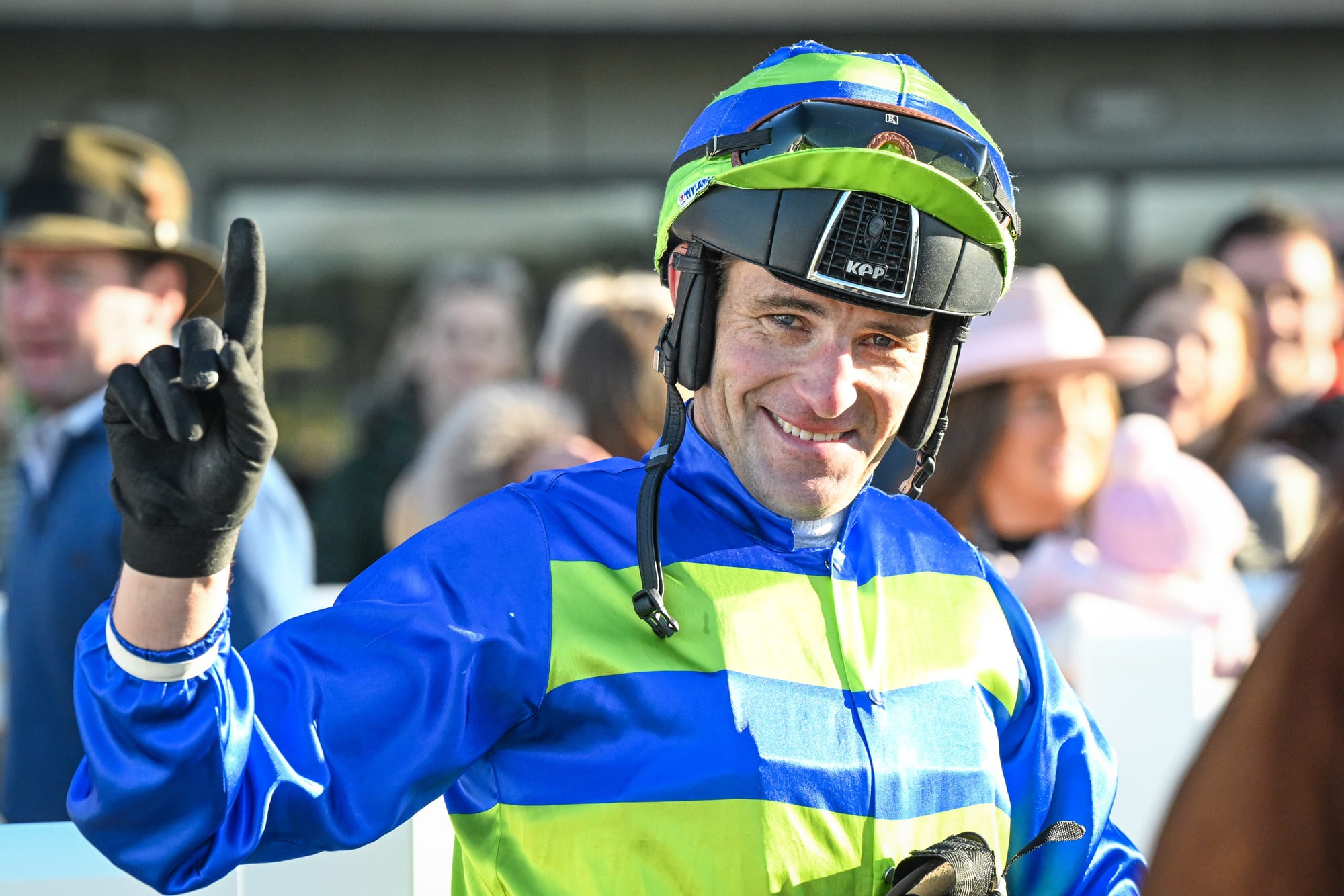
Symons constructed KPIs with a clear message; give us a reprieve and we will make the sport safer. Tired horses would be eased up, obstacles made safer, horses, jockeys and trainers better schooled.
It worked.
Pateman had become a legend for his nuance. He wasn’t rough and ready like the jumps’ jockeys of the 1970s and 1980s. He had a soft manner and soft hands. He was an equestrian, a good look for a punishing sport that hung by a thread.
In the early days of the second coming of jumps racing, Symons knew he needed Pateman.
“Steve was elite back in 2010,” Symons said. “He was the one who could relate the message to the participants and the jockeys.
“It helped enormously. I was wearing too many hats and it was much easier for people to rally behind Steve than someone like me.
“I pulled him aside and said ‘mate, this is going to be all about messaging, and it has to be reinforced by you’, someone who has the respect of his peers.”
“He never took a backward step. His whole livelihood was at stake. He was the leader of the pack. He led by example. He had a steely resolve and he passed that on to every jockey in the room.
“Things improved considerably after that, and Steve played a major role. He basically told them ‘we have an existential threat. We will either be riding next year or we won’t’.”

Pateman is bashful by nature and does not acknowledge his role quite as Symons described. But he realised the sport was in crisis and responded instinctively.
Pateman said he felt pressured by Symons’ KPIs.
“I agreed with what Robbie Laing said. He said racing under those KPIs was like polishing a china doll and knowing everyone was watching you. You’re just gonna drop it,” he said.
“Back then there were a lot of people working behind the scenes because they love it and are passionate about it. I was just one of them.”
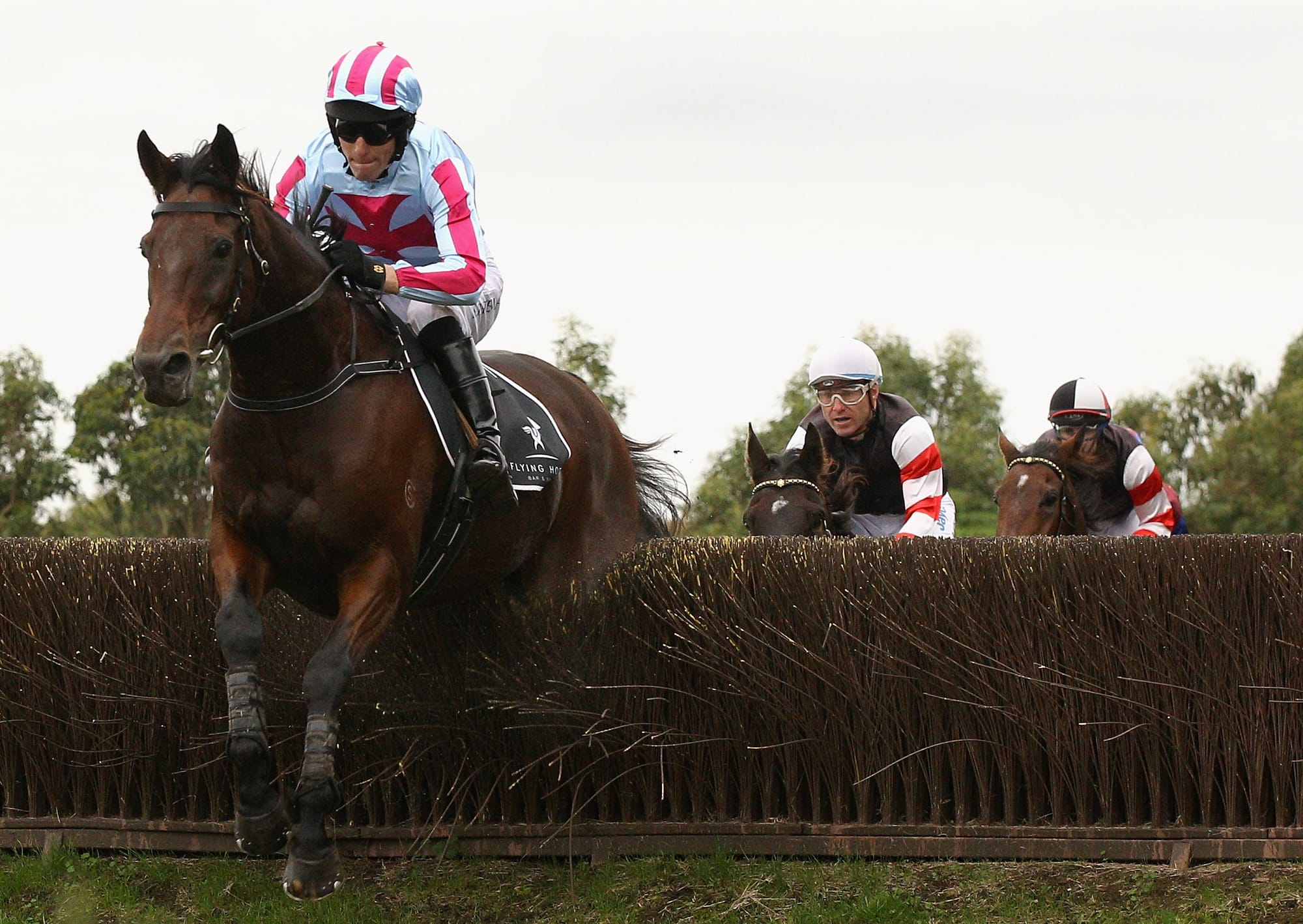
Pateman was not born to ride. His father was a fisherman from Margaret River, the famous wine region south of Perth. He became an accomplished equestrian and drifted east towards horse racing. He rode work for the late Peter Hayes at the famous Lindsay Park property in the Barossa Valley and took his first race ride at age 17 at Gawler.
He rode his first winner at his 13th ride. From there, steady progress, then a rocket.
Pateman, now 42, has won each major Australian jumps race at least twice, bar the Grand National Steeplechase. He has won a record 10 Tommy Corrigan Medals. He has ridden in six countries.
Pateman has won three Grand Annuals and hopes to make it four on Thursday with 11-year-old Historic, a horse he also trains.
He will ride Stern Idol, the horse he eased out of the Annual two years ago, in the Galleywood.
There have been accidents and incidents, regrets and lessons learned. He famously once crashed heavily at a hurdle at Ballarat, brushed himself off and rode the Houlahan Hurdle winner 40 minutes later.
He and wife Jess, also an accomplished equestrian, bought a farm near Barwon Heads some years ago. Before that, Pateman was based in Melbourne where idle hands made for a less than professional lifestyle.
 Warwick Barr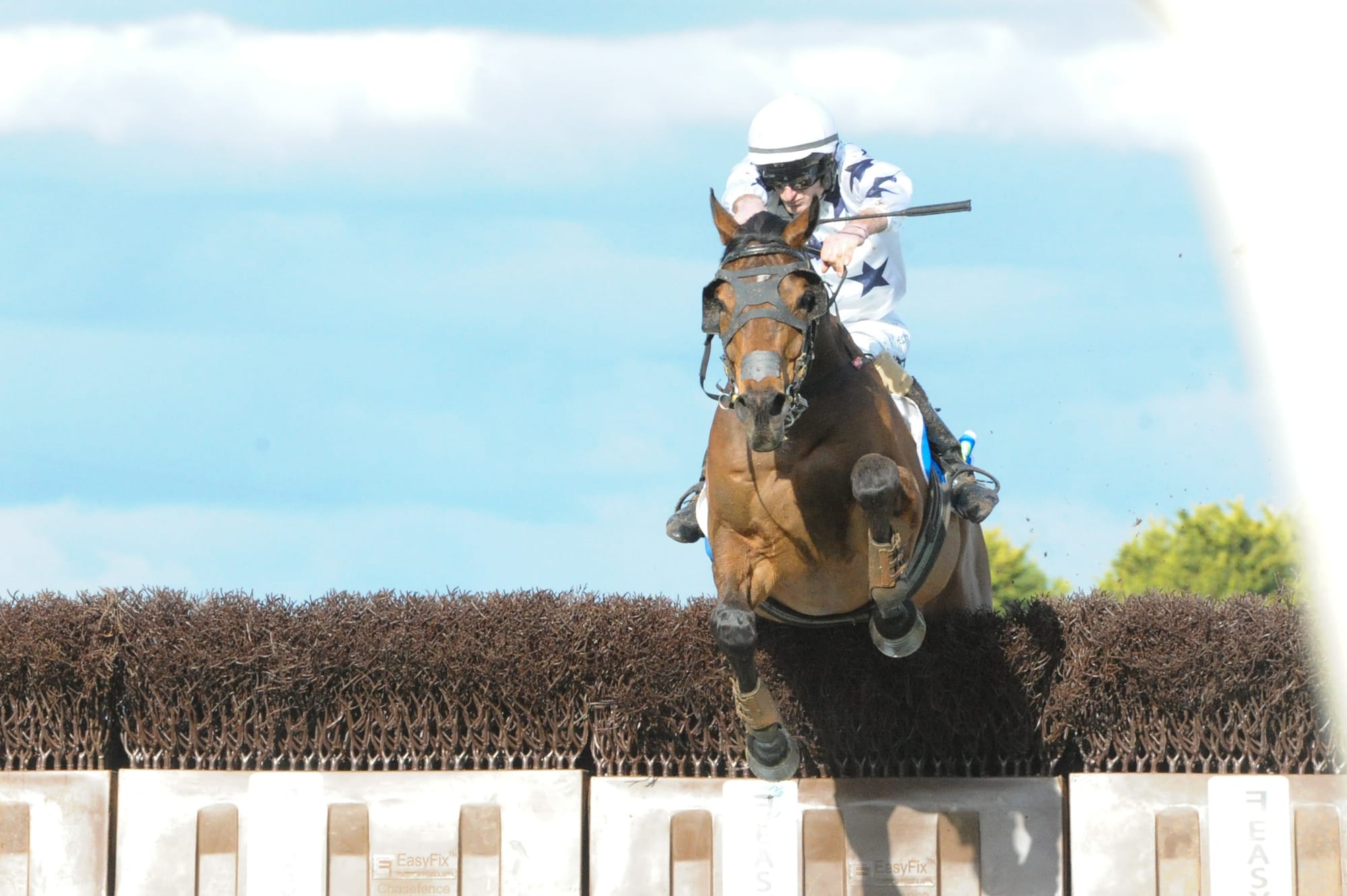
He struggled with his weight and had numerous run-ins with chief steward Terry Bailey.
Symons said he called Bailey and asked if he’d ease up and allow Pateman to ride overweight.
Bailey replied: “You’re the 400th person to ask me that. The reality is he needs to acknowledge the weight scale and ride within it.”
Something needed to change.
“It’s fair to say he was spending a bit too much time at the Emerald (Hotel). He wasn’t the only one,” Symons chuckled.
Pateman blamed “too much time on my hands” for the Emerald era and said he and Jess were now too busy “from dusk til dawn” on the farm to be enticed by old habits.
Life was great down on the beach. Then, in 2017, a Pateman horse returned illegal cobalt levels. He and Jess fought it for five years, but both were eventually outed for 11 months in June 2023.
“The first half was really hard, the second half a lot easier,” Pateman said. “The fact that Jess was still able to work with showjumpers was massive. I tried a few other things and couldn’t do it.
“I’d been with horses since I was 16. I worked a few days with my brother-in-law, who had a waste business, with garbage trucks, and then a couple of days landscaping, I hated it. It was so boring.”
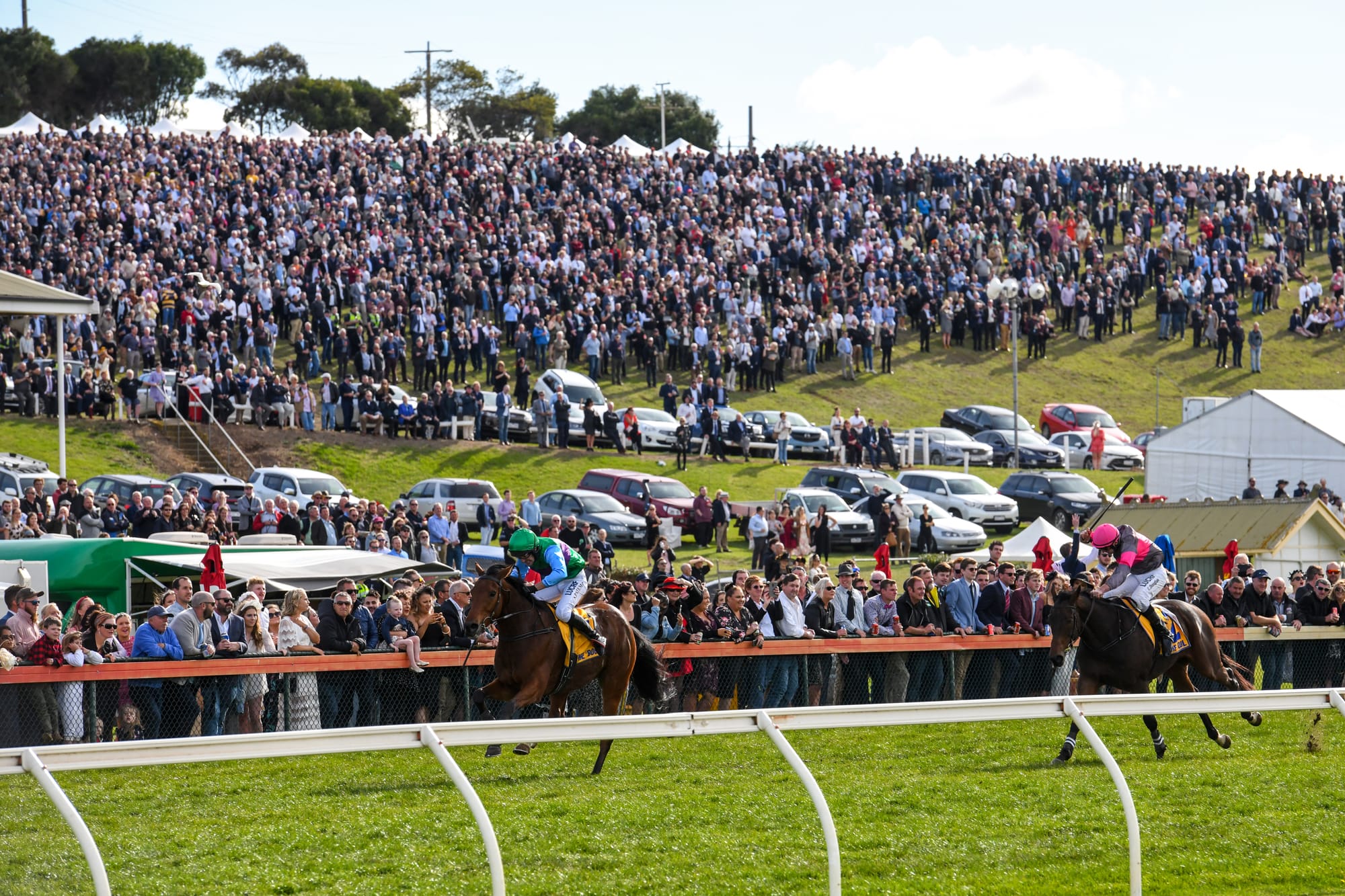
Pateman’s first ride back was a winner, for his greatest ally, leviathan trainer Ciaron Maher. That was in July last year. The winners have been constant since.
But for Pateman it’s mostly all about one week.
Jumps racing continues after the famous Warrnambool May carnival but it is also, oddly, the grand final. The less said about last year’s curtain call, the better.
Three horses perished on Grand National Steeplechase day at Ballarat, a nightmare close to the season and a rekindling of calls to have the sport abolished.
Pateman says he was “never really worried” but others, including Symons, were. Pateman said firm tracks were the culprit.
“We’d had such a great 10 years, then it went haywire because of the tracks. Maidens were smashing track records,” he said.
Jumps did another “Galleywood” and this season was declared a goer, albeit on a tight leash. It has already begun but it’s all about the Bool, the annual celebration of a sport that really has just one poster boy.
The track will be watered, the jockeys aware of what’s at stake.
Pateman may be modest, but he is aware of his status. He is excited and nervous.
“I feel a bit of pressure. I’m expected to ride winners, for sure. But once the barriers go up, I know what I’m doing,” he said.
Pateman is pure poetry but it’s the factors beyond his control, the potentially ugly ones, that will determine his future.
Ten years of prosperity and relative safety unravelled at Ballarat last August.
“Things improved considerably after that, and Steve played a major role. He basically told (the other jockeys) ‘we have an existential threat. We will either be riding next year or we won’t’,” – Mike Symons on how Steve Pateman helped save jumps racing
Jumps racing is always on notice and the focus is magnified at Warrnambool. Patrons will push through the protesters at the front gate.
Pateman would love to win a fourth Grand Annual, historic in name and nature, but he’d swap it in an instant for a carnival clean sheet.
Related Articles
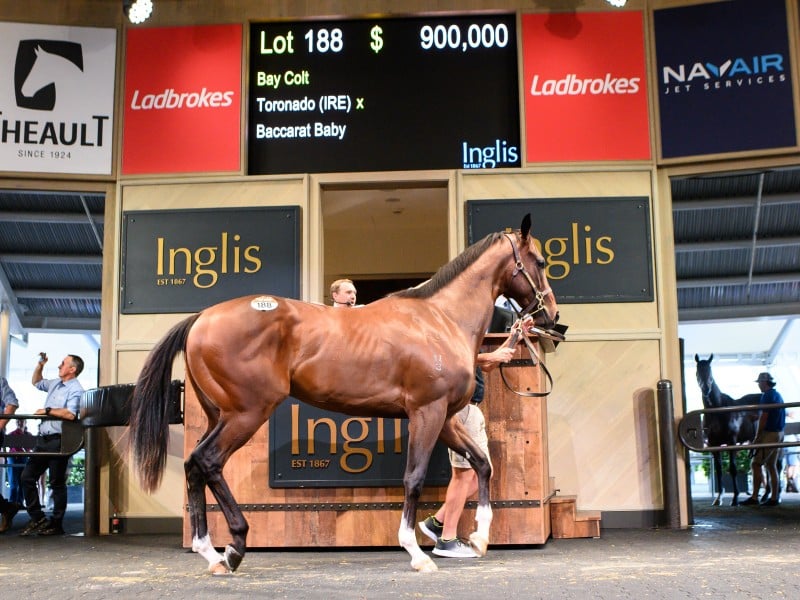
Inglis releases record-sized Ready2Race catalogue
The catalogue for October’s Inglis Ready2Race Sale was released on Sunday, featuring a record 321 lots.
Racing and wagering in a scramble to assess impacts of new gambling laws
While initial reports suggest that new gambling laws passed by the federal parliament this week could result in a 10 per cent drop in racing turnover alone, both the racing and wagering industry admit they are uncertain of the precise impact of the changes.
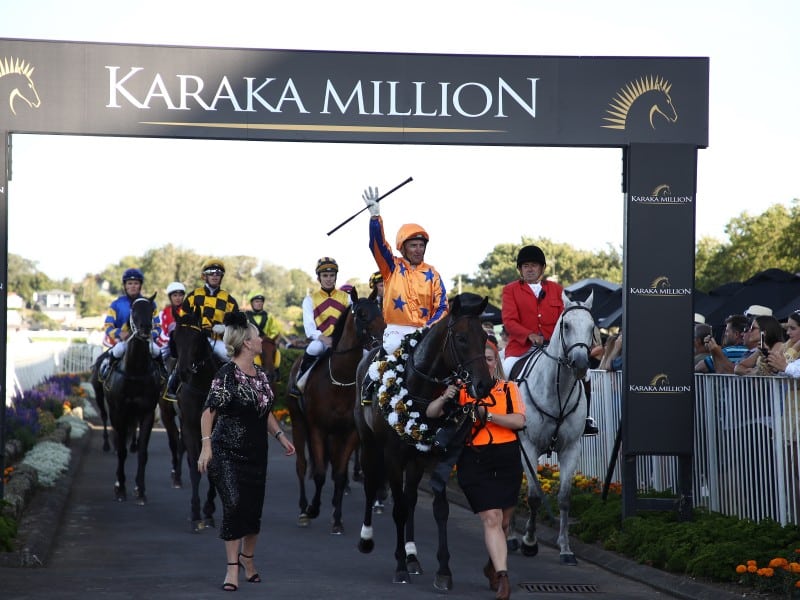
New Zealand racing begins all-encompassing reform process
New Zealand’s racing codes have joined forces on a sweeping governance review, with an independent board to examine structures, costs and opportunities across thoroughbred and harness racing.
