
‘You can’t continually lose $25 to $40 million a year’ – Mounting funding pressures under the microscope in WA racing review
Western Australia’s thoroughbred industry has welcomed an independent review into racing governance and funding, warning the current financing model threatens sustainability, jobs and long-term infrastructure across the state’s tri-code sector.
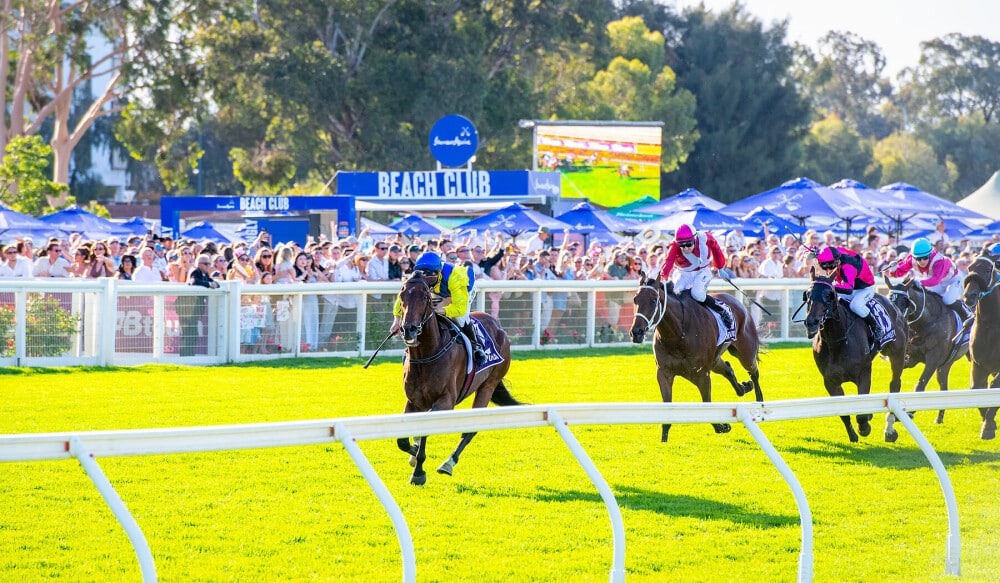
The Western Australian thoroughbred industry has embraced a move to launch a review into the governance and sustainability of the three racing codes, citing growing concerns about an outdated funding model.
Perth Racing chief executive James Oldring said the review was long overdue, pointing to publicly available financial data showing the state’s racing regulator had lost close to $100 million over the past three years.
“As an industry, you look at that and just think, ‘well, that’s not sustainable’,” Oldring told The Straight.
“You can’t continually lose $25 to $40 million a year.”
Oldring said the financial pressures on Racing and Wagering Western Australia (RWWA) were a serious issue for an industry that plays a major role in the state’s economy and employment landscape.
WA racing contributes about $1.3 billion annually to the state’s economy and supports around 10,000 full-time jobs, a figure that rises to more than 25,000 when associated industries are included.
“That actually makes racing probably the fourth or fifth biggest employer in WA,” Oldring said.
He said any reduction in funding, whether through prize money or club distributions, would have immediate and far-reaching consequences for workers across training, breeding, veterinary services, transport, hospitality and wagering.
Oldring stressed that prize money should not be viewed as profit for owners, but rather as a closed-loop economic system that underpins the sport’s viability.
“It circulates through more than 25 service categories and is immediately reinvested. It is the lifeblood of the sport,” he said.
The WA racing industry had consistently argued that the current funding model was no longer working, with wagering tax receipts, race fields income and WA TAB profits declining while operating costs continued to rise faster than inflation.
Oldring said that increasing compliance fees, including those under anti-money laundering regulations, had significantly affected the profitability of wagering operators, including the WA TAB, limiting its capacity to support racing distributions.
He also highlighted the impact of the state retaining a larger share of wagering tax revenue following the introduction of point of consumption tax, saying the increase had come directly from racing’s funding pool.
“WA racing receives about 30 per cent of wagering tax receipts, which is far below Victoria at 50 per cent and Queensland at around 80 per cent,” Oldring said.
Oldring says Queensland provides a useful comparison for WA, given its similar tri-code structure and geographically dispersed racing footprint.
Industry lobbying of the Cook government has intensified in recent months after a delegation of leading trainers went public with their concerns in October.
That move has led to a more coordinated and formal response from thoroughbred racing’s representative bodies ahead of last week’s announcement that the government would engage an independent panel to review the industry’s financial workings.
The review will be headed by former WA Labor politician David Templeman.
Templeman spent 24 years in parliament from 2001 to 2025 and was in charge of senior portfolios, committees and boards.
He will be joined by Professor Warren Harding, who has extensive experience managing complex government and corporate projects at a partner level with international consulting firms.
“That process made us recognise the need for collective representation,” Oldring said, pointing out that breeders, owners, trainers and metropolitan, provincial and country clubs had since worked together on a unified submission to government.
Oldring insists the review, which will examine both governance arrangements and the Racing and Wagering WA Act 2003, is an important opportunity to modernise a framework that is more than two decades old.
He said the industry was particularly focused on ensuring a sustainable funding model that would support long-term infrastructure investment, reducing the risk of relying on government funding in the future.
“We want to create an ongoing, sustainable funding model for racing … one that ensures infrastructure is regularly renewed and maintained across metropolitan and regional WA,” Oldring said.
The terms of reference and length of the inquiry have to be fully ratified but Oldring said the thoroughbred industry was committed to engaging constructively with the review authors.
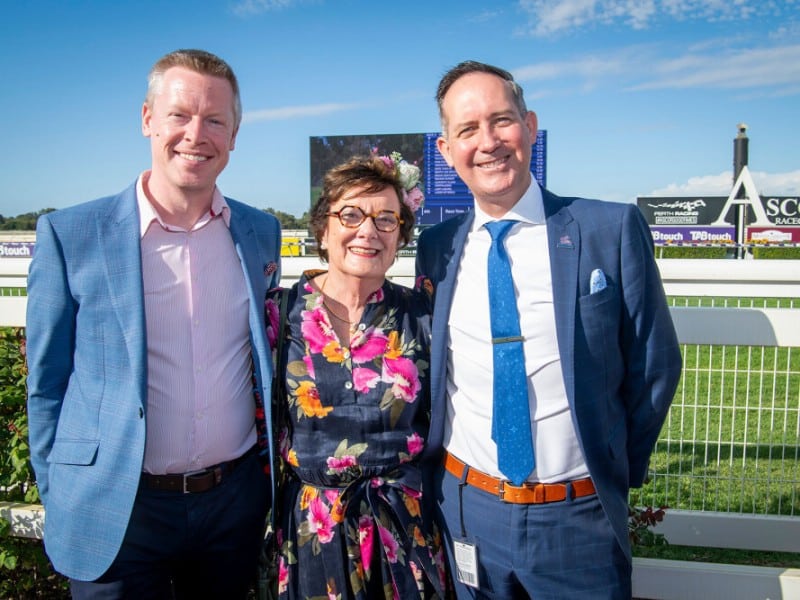
Shadow Minister for Racing and Gaming Lachlan Hunter accused the government of avoiding scrutiny and accountability with the release of the review while parliament is in recess.
“This review is not leadership; it is a delay tactic,” Hunter said.
“… I have consistently raised concerns about the broader funding environment facing racing, including the deteriorating position of the WA-owned TAB, rising operating costs, and unsustainable settings that are putting pressure on the entire industry.
“These are structural issues created by government policy choices, not by participants, and they affect every code across Western Australia.”
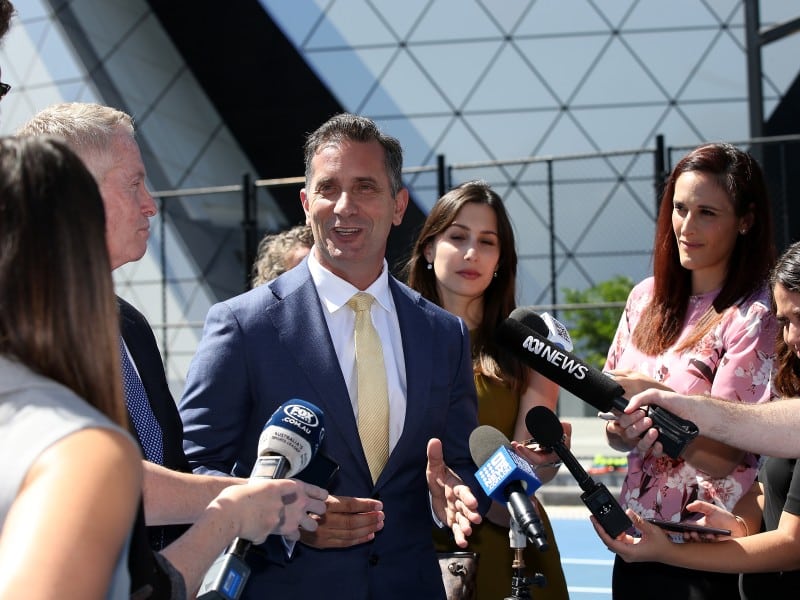
Hunter said the review would raise questions about a potential sell-off of the WA TAB, although subsequent media reports suggest the future of the totalisator would not be examined.
“If Labor genuinely values the racing industry, it should be focused on stabilising it, not sidelining it. That means real engagement, transparency, and policy settings that support sustainability – not a review dropped at the eleventh hour to buy time and shift blame,” he said.
“The racing industry deserves certainty, honesty, and leadership.
“Instead, it has been handed a late-December review while Labor chases prestige projects and hopes the hard questions go away.”
Leading trainer Simon Miller believes an initial push from his fellow Perth training colleagues outlining their concerns had resonated across all sectors of the industry.
“I think whenever there’s a band of people all swimming in the same direction, there’s no doubt you get a lot more traction than you would individually,” he told The Straight.
“There’s been a lot of people from all different directions that have now united.”
Related Articles
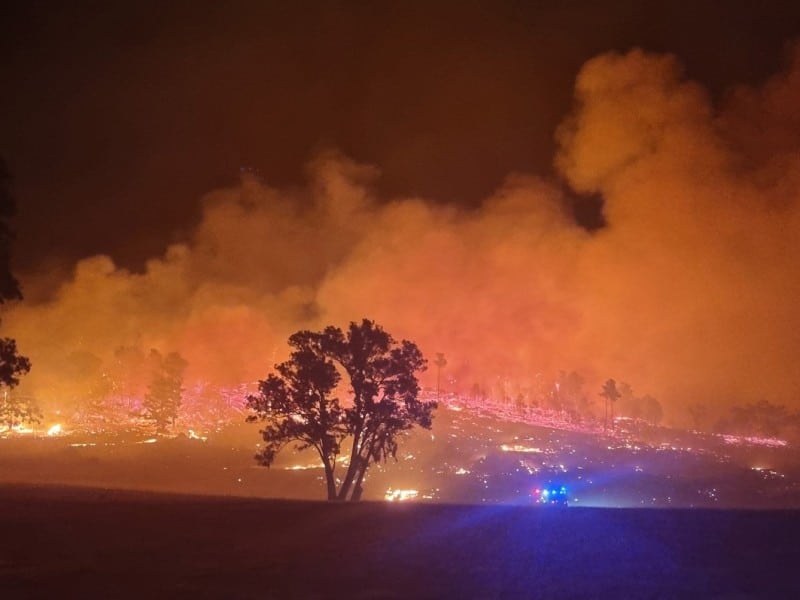
Horses and staff evacuated as Victorian farms prepare for another catastrophic bushfire day
Thoroughbred farms impacted by a massive Victorian bushfire are enduring another nervous day with staff and horses evacuated ahead of an anticipated second impact.
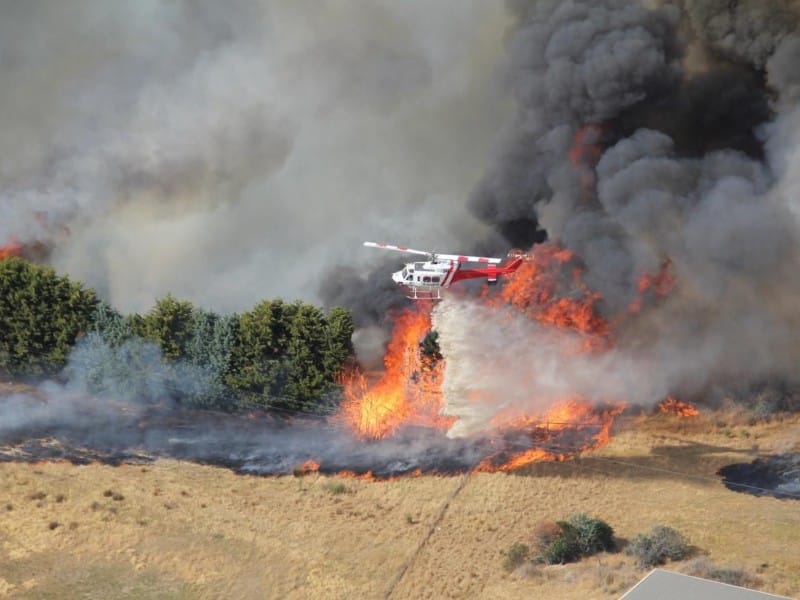
Bushfire emergency impacts major Victorian farms
A major bushfire has impacted a host of farms, training and pre-training facilities in northern Victoria’s thoroughbred heartland.
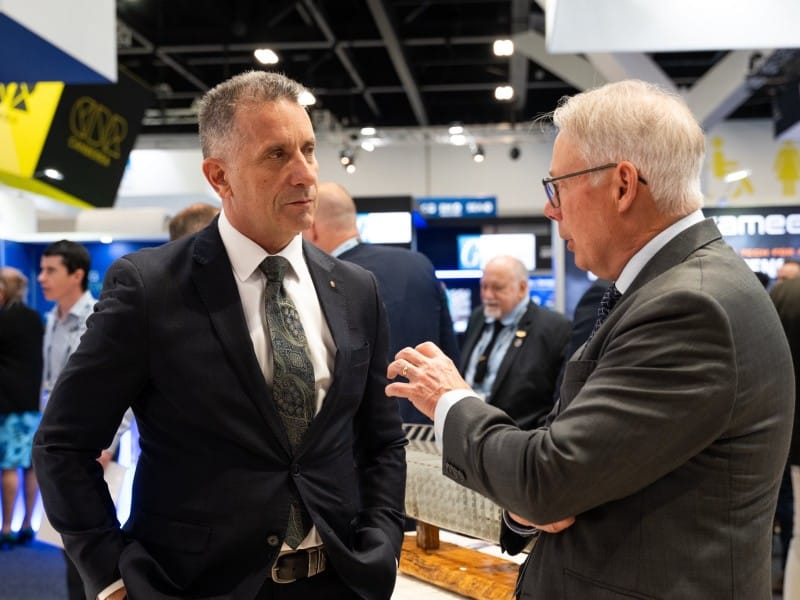
Independent panel to assess WA racing’s financial future
The West Australian government has launched an independent review to assess the long-term financial sustainability of the state’s racing industry.