
Ten years on – why The Championships are no poor relation despite spring riches
Spring prize money overwhelms what is on offer in Sydney over the next week but The Championships more than held their ground on the score of quality racing, writes Warwick Barr.
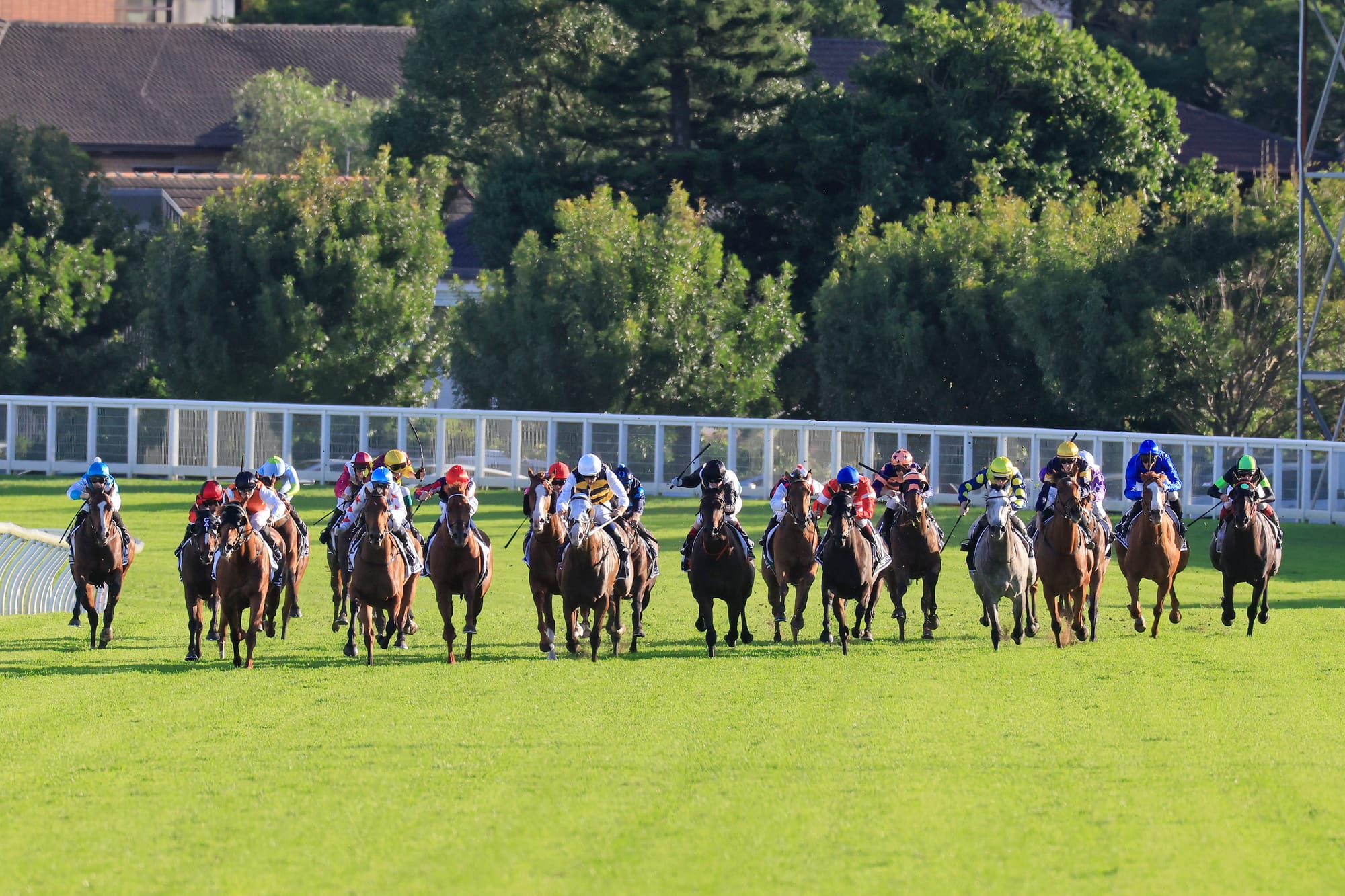
A lot has changed since the concept of The Championships was sold as the crown jewel in Sydney racing.
Sure, some things remain the same a decade on from the rebadging of a series of NSW autumn Group 1 races designed to match the intensity of competition at a Breeders’ Cup in America or Champions Day in the UK.
The Championships are still run exclusively at Randwick and it’s odds-on they will be impacted by wet weather.
Rain and the testing ground it invariably provides are as predictable as Chris Waller banking Group 1 wins at an extraordinary rate during the two days of racing.
Launched in 2014 with the help of $10 million in NSW government funding, The Championships were hailed as a trendsetter for the Australian industry.
And they have been. The mission has been accomplished to stage a grand finale for Australian racing’s elite.
International runners with high ratings have added another dimension and their success has promoted continued overseas awareness.
The brand has been strong enough to hold its own in the sporting landscape despite clashing with an NRL season that is just starting to build momentum and ensures it dominates the back pages of Sydney newspapers.
But The Championships have been a game-changer in more ways than one because the transformation of the Sydney autumn carnival effectively marked Racing NSW’s foray into a different aspect of its administration.
Racing NSW appointed a chief executive to oversee the introduction, and for the first time, the regulator put itself front and centre as a promoter, backer and funder of a racing product.
With Racing NSW’s involvement came significant prize money increases to signature Australian Turf Club races such as the Queen Elizabeth Stakes, the Doncaster Mile and the TJ Smith Stakes.
It turned the Queen Elizabeth Stakes from an afterthought race into a $4 million weight-for-age contest worthy of more than passing international recognition.
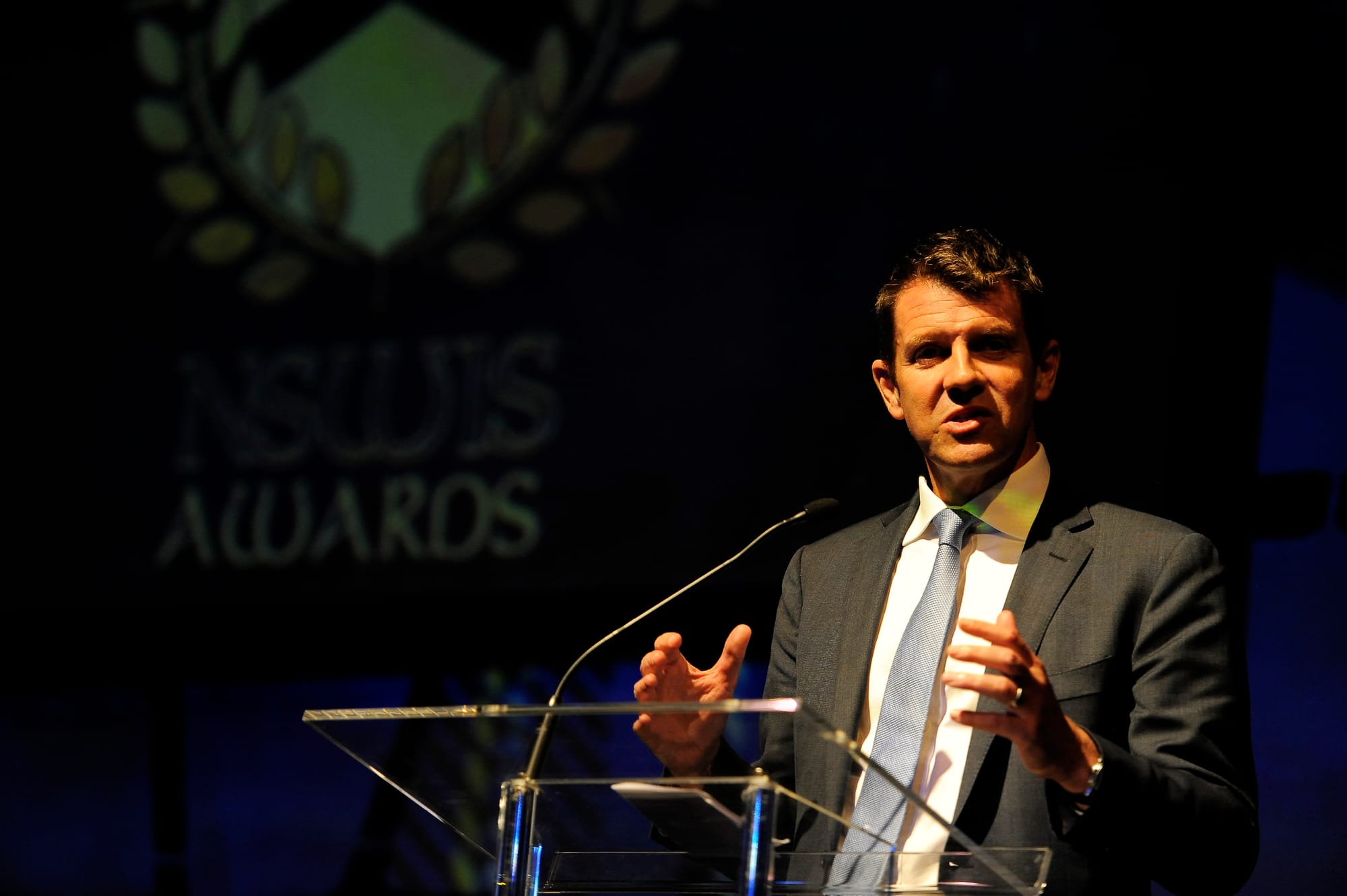
Then NSW Premier Mike Baird thought so much of the innovation, that he was moved to declare after the inaugural year that The Championships would reign supreme on the NSW racing calendar.
“The Championships will become racing’s premier event in NSW and the NSW government is proud to be supporting its continuation,” Baird said in 2014.
“This year over 50,000 people attended the two-day event and with greater brand awareness and more time to prepare, next year’s event is only going to be bigger and better.”
“The Championships will become racing’s premier event in NSW and the NSW government is proud to be supporting its continuation” – Mike Baird in 2014
Long live The Championships could have easily been a slogan for the time but how is Baird’s call looking these days?
Baird wasn’t in office long enough for Racing NSW to make a mockery of his statement.
He left politics in January 2017, nine months before Racing NSW introduced The Everest to an extended spring calendar.
It was the first sign that Racing NSW wanted to break Victoria’s monopoly on the spring
Add a $10 million Golden Eagle, a $5 million King George III Stakes and some not-so-subtle programming changes, and Sydney’s spring has suddenly exploded with close to $100 million in stakes on offer.
But there have been consequences. On a collegiate level, Australian racing hasn’t been the same since.
Relationships between Racing NSW and Racing Victoria are fractured to the point where the former has launched court action against its southern counterpart and four other state jurisdictions.
Racing NSW alleges the states were involved in a plan to abolish its Racing Australia power of veto or wanted to create a new racing entity to leave it on the outer.
Legal dramas aside, what does this mean for the future of The Championships when Racing NSW is pouring much of its financial clout into the spring?
There has been a $1 million lift in prize money for the Doncaster Mile from $3 million to $4 million in 2023 but purses across the marquee races have largely remained stagnant over the past decade.
It’s an example of why racing’s turf war isn’t fought with the same vigour in the autumn as the spring.
Apart from the introduction of the All-Star Mile and a shift in the Australian Cup date, Racing Victoria has shown little interest in trying to muscle in on the autumn on the same level Racing NSW has achieved in the spring.
Ironically, this gives The Championships and its Group 1 races an authenticity that is missing from spring equivalents because of diluted fields.
Important and historically significant races have been allowed to stand alone without the danger of being cannibalised.
Rain or no rain, it makes The Championships what they are meant to be – a finale that pits the best against the best. And at a fraction of the cost.
Related Articles
What will be the five biggest racing stories of 2026?
Bren O’Brien provides an insight into the major issues confronting the Australian industry from a racing perspective in 2026 while on the racetrack, one horse will be expected to generate more headlines.

What will be the five biggest stories in wagering in 2026?
As the calendar turns into another year, it’s time to turn our focus to the crystal ball to see what might shape the wagering industry headlines of 2026, and there is a certain familiarity to our predictions.

What will be the five biggest breeding and bloodstock stories in 2026?
Senior journalist Tim Rowe examines what the hottest issues in the Australian bloodstock and breeding industry will be in the new year.