
From Kung Fu to chasing Cups – Barry Pang’s never-ending quest for new ideas
Melbourne Cup-winning owner Barry Pang is a man who has never been afraid to think outside the square.
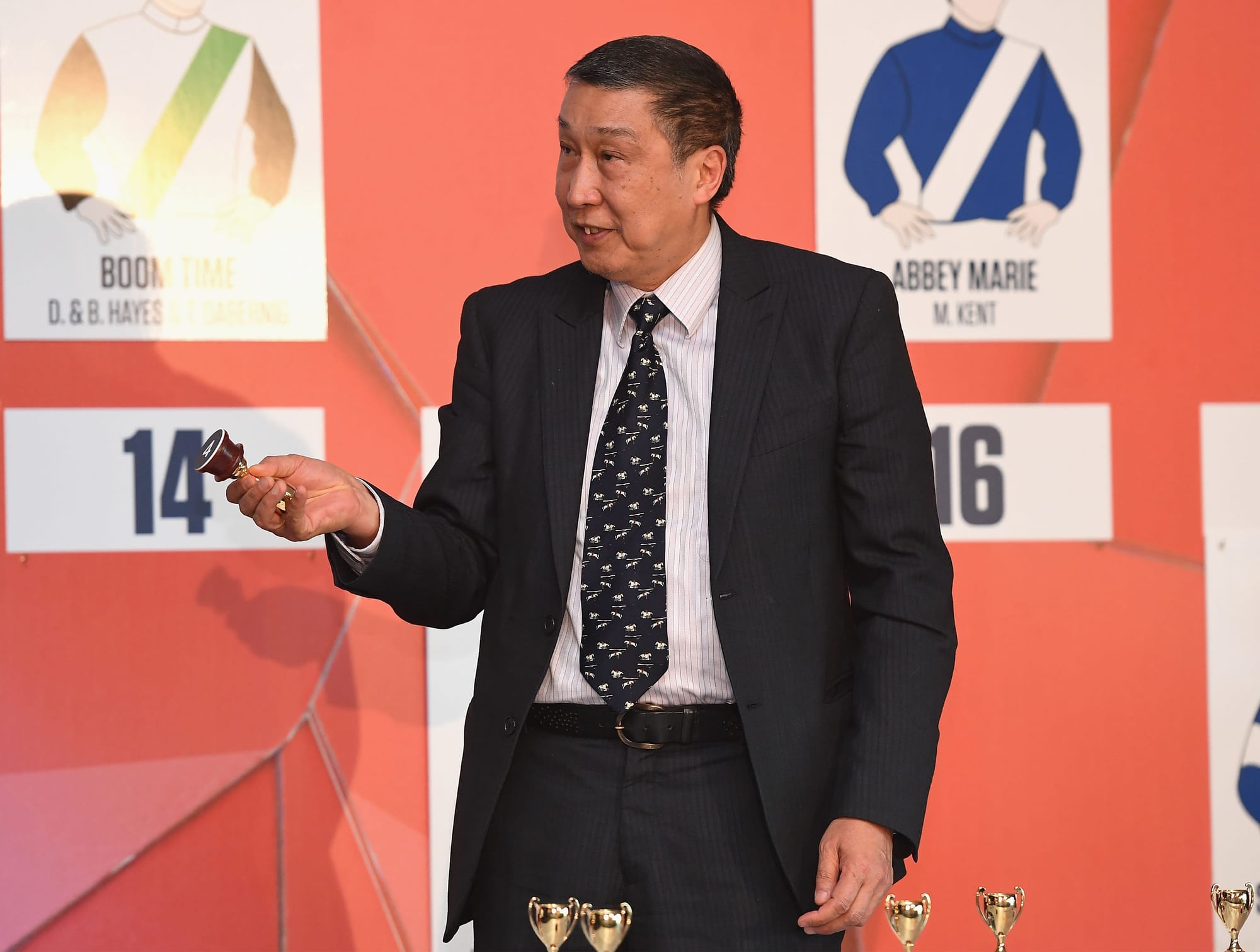
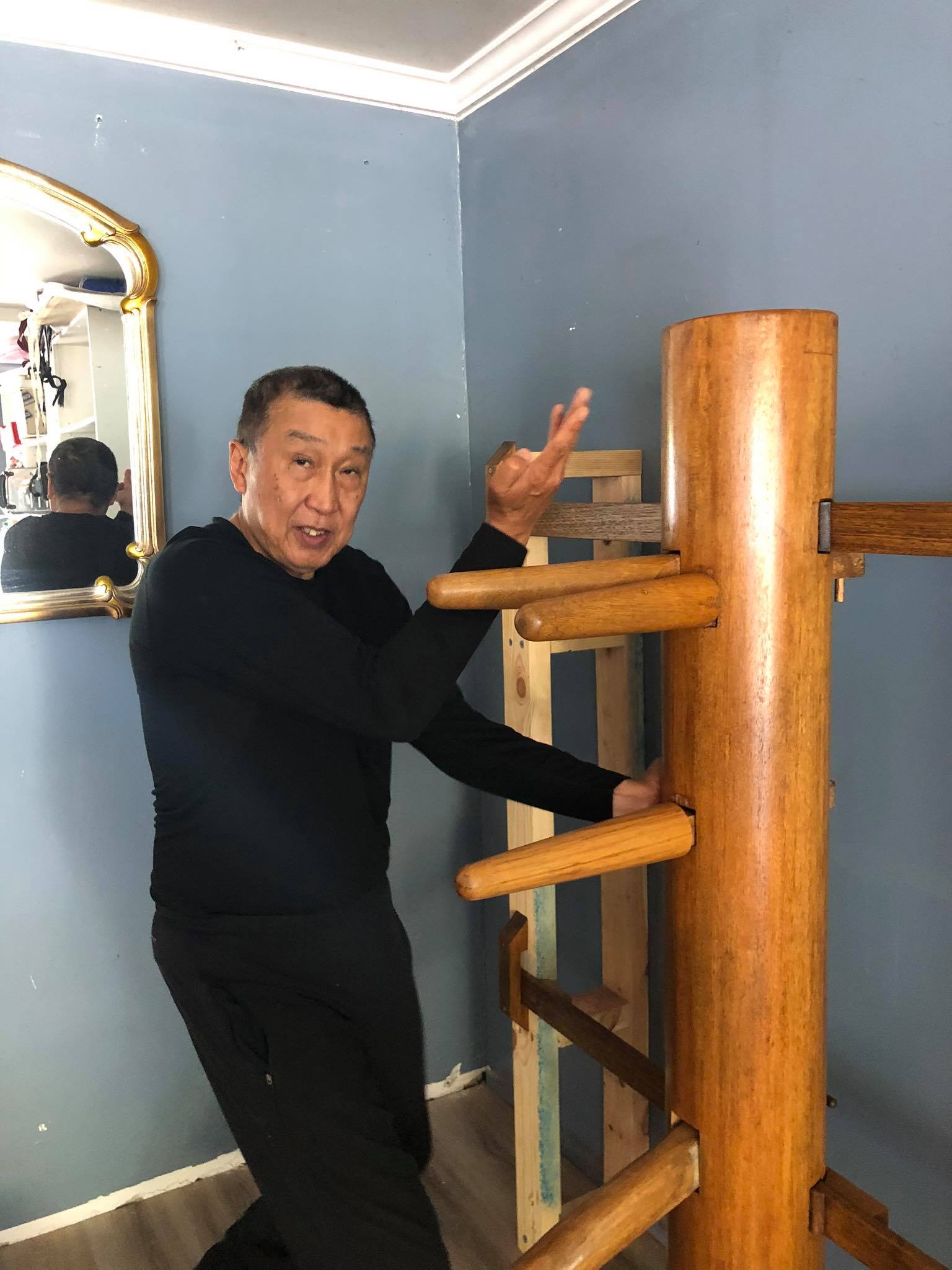
After all, launching a business based on a distinctly ‘foreign’ martial art in the early 1970s was not exactly mainstream thinking at a time when Australia was, shall we say, slightly less cosmopolitan than it is now.
But the Melburnian has never been one to shy away from a challenge and he made his entrepreneurial instinct and his technical skills in the Chinese art of Kung Fu pay, setting up one of the first fighting schools in his home city.
The success of the business put Pang in the limelight and, in one way or another – especially in the racing world – Pang has been a highly recognisable figure for decades. The family tradition for being in the spotlight is being carried on by his actor son Chris, who starred in the film Crazy Rich Asians.
It was that ability to come up with left-field ideas that almost saw Pang and some friends pull off a select sale proposition that, had it come to fruition, could have been a significant marketing initiative for the Melbourne Cup carnival and perhaps inspired copycat versions at major racing carnivals all over Australia.
But in an era where ‘innovation’ is a buzzword, Pang’s idea never took flight.
He and some friends from inside the racing world and the Australian Chinese community thought that a pre-Cup auction sale would add some extra glamour and excitement to the Cup week build-up, bringing even more lustre to the ”race that stops a nation”.
Modelled on the successful pre-Royal Ascot Goffs London sale held on the Monday evening before England’s showcase summer meeting, Pang and his colleagues felt that a similar event in Melbourne would give existing owners the chance to cash in on their Cup runner by selling a stake in their galloper or give others the chance to either buy a stake in a Cup contender or even secure a horse outright.
He reasoned that with the number of international owners and trainers in town and the publicity the sale could generate everyone would be a winner.
It didn’t come off for a variety of reasons and Pang smiles now when quizzed about the idea and its germination.
”Together with a few people, Yulong and the people from Sun International and others we had the idea to do a sale like that. We wanted to invite a lot of wealthy clients across. The idea was to have it at Flemington, so people who owned horses in the Cup could either put up their horse or shares in that horse,” he explained.
”It’s worked very well overseas, but no one has done it here. But it was a big undertaking and at the time we just didn’t have the resources to go through with it.
”We also thought it could help integrate the Chinese community more in racing, get them involved, promote it to those living in Australia but also to promote the race internationally as well.
“The idea was to have it (the sale) at Flemington, so people who owned horses in the Cup could either put up their horse or shares in that horse.” – Barry Pang
”’We were going to talk to the VRC and make it a showcase before the Cup. The plan was to have maybe the Thursday before the Cup or something like that.
“We had spoken to Inglis too to see if they were interested in being involved as they had the infrastructure, but we just weren’t able to do it.”
Could it be revived? Well Pang thinks maybe, but not by him.
”We are getting too old now … maybe the window of opportunity has gone for us, maybe it’s something that someone else could do. But online sales have changed the market since then too, so that might affect its viability.
”We imagined it being just a couple of hours, not a huge number of horses. I think it would have been entertaining and a good promotion for the Cup and the carnival.
“People could also have put in horses who had an entry in other races in Cup week into the sale.”
The recent spectacle of a $10 million yearling selling at the Inglis Australian Easter Yearling Sale showed how bloodstock could become mainstream in the right circumstances.
Pang has seen most of the changes in Australian racing over the past 40 years and has adapted his approach to buying and investing over time as the market has changed and competition for Group 1 horses has intensified.
He first tasted success as an owner at the highest level nearly four decades ago when Marwong won the Caulfield Guineas for trainer Geoff Murphy, a man whom the now 72-year-old Pang credits with having taught him everything he knew about the game when he first got bitten by the racing bug.
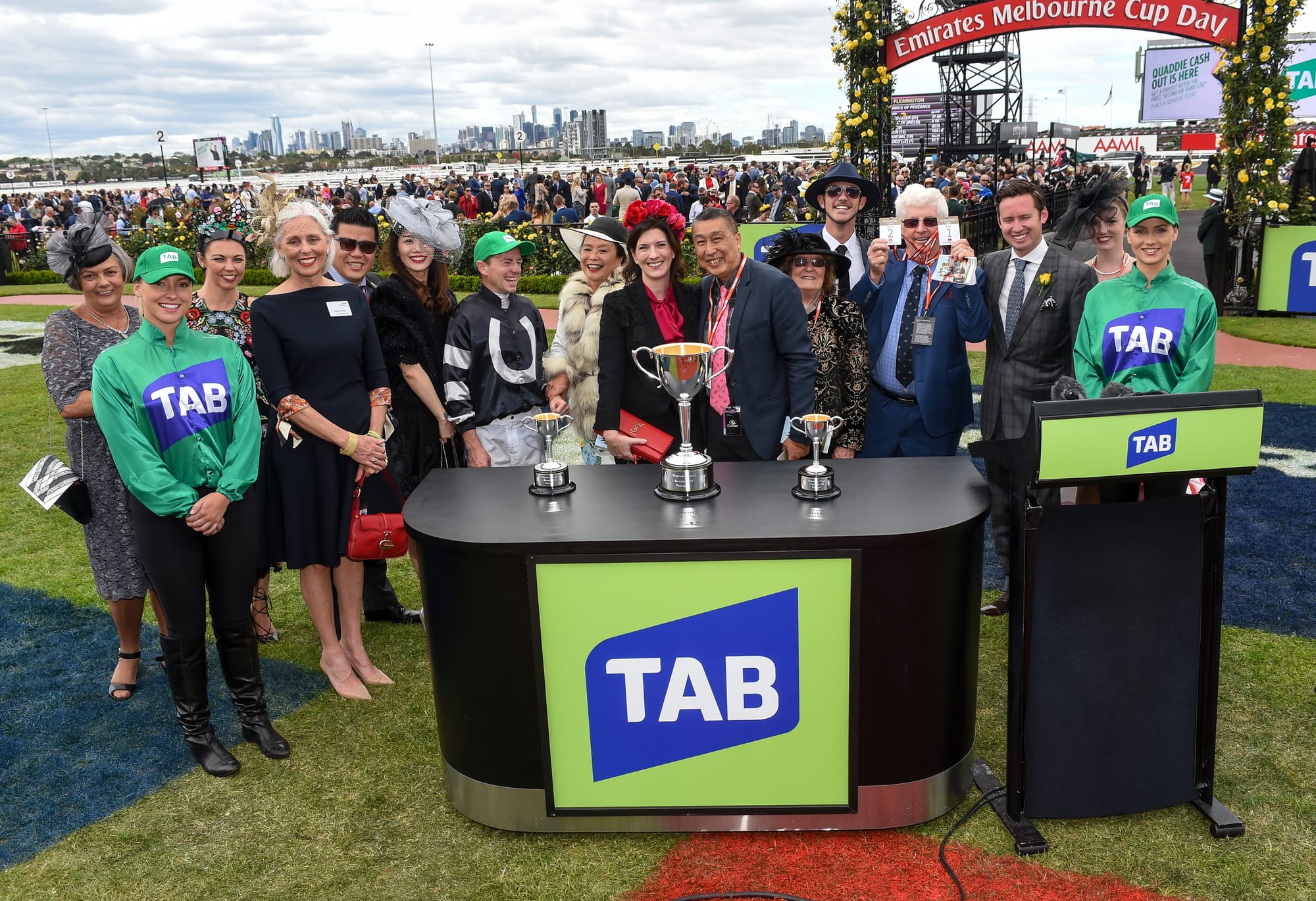
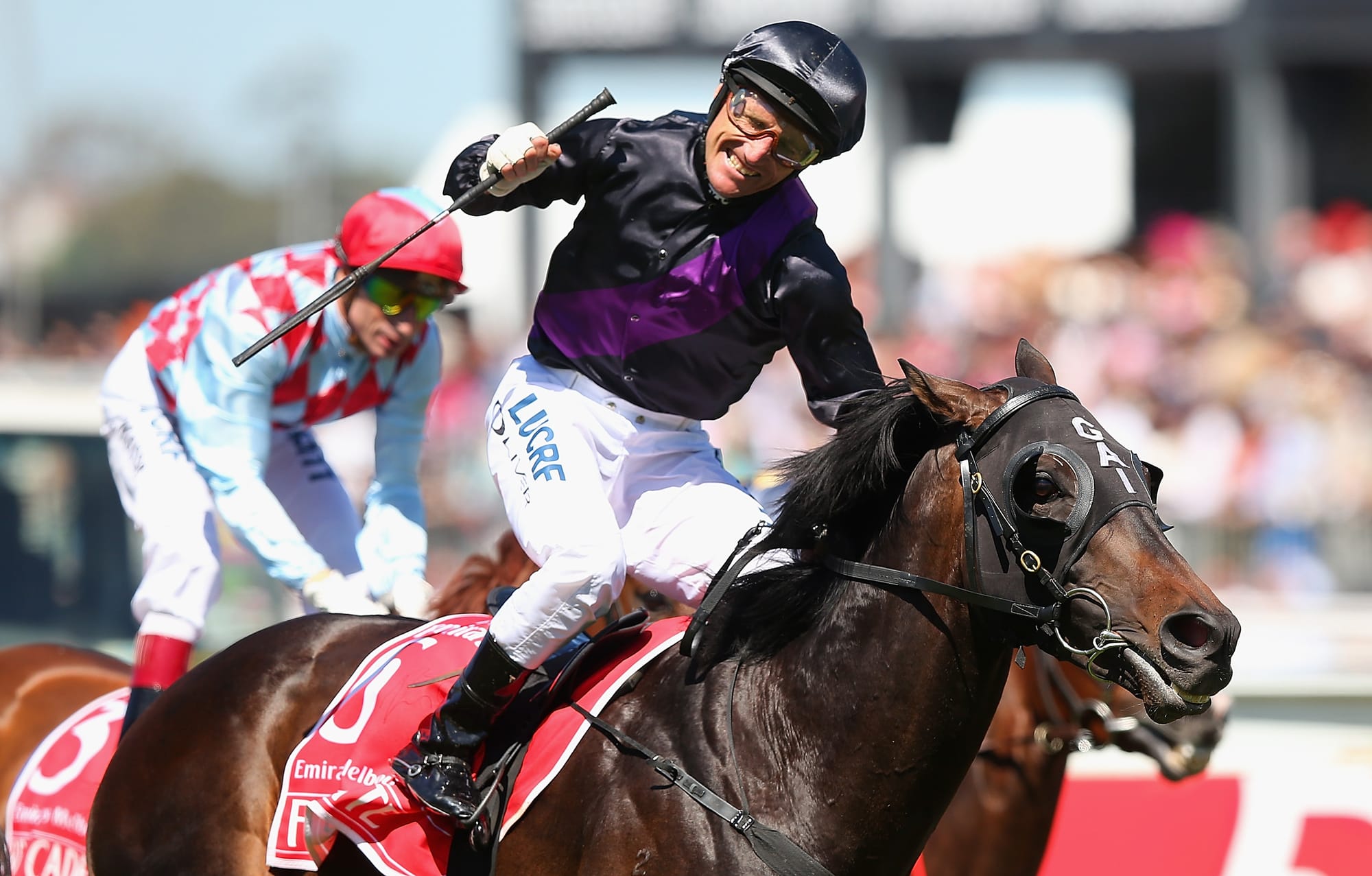
He also enjoyed the ultimate triumph by having a Melbourne Cup winner when he was part of the group that owned Fiorente, who won the big race for Gai Waterhouse in 2013. Pang has also been successful at Group 1 level with Cape Of Good Hope, saddled by David Hayes to win the Caulfield Stakes in 2019.
He still continues his involvement, the most notable galloper he is currently associated with being the consistent and classy miler Buffalo River from the Mike Moroney yard at Flemington.
”We are just trying to have a bit of fun and dabble in the game now, but it is not easy when you are up against the Sheikhs and billionaire owners,” he reflects.
”Buffalo River ran a great race in the All-Star Mile and he had those battles with Mr Brightside and Pride of Jenni in some great races earlier in the summer.”
Pang is hopeful that another horse in whom he owns a stake, the imported galloper Glentaneous, will give him another day to remember in the near future.
The imported six-year-old son of Gleneagles is trained by father and son duo Anthony and Sam Freedman, who illustrated their talent with stayers by sending out Without A Fight to win the Caulfield and Melbourne Cups double earlier this season.
Where once Pang was happy to be part of syndicates who splashed out big money for proven northern hemisphere stayers to have a tilt at the Cup, Glentaneous, bought for 160,000 guineas ($A325,000) at Newmarket’s Tattersalls Horses in Training sale in late 2021 represents a different approach.
”During COVID we thought the horses would go down in price but they went up, and that was a shock for us,” he said.
”And of course we couldn’t go and watch them, so we lost a bit of interest there, especially when Delphi (an ex-Aidan O’Brien galloper in whom he had an interest) ran in the Melbourne Cup.
”The prices have just skyrocketed. For some of those proven horses it’s just one million dollars and the rest. They see you coming now if you are an Aussie.”
”We thought instead of buying those expensive tried horses, buying one for a million, why not buy five for $200,000 each. They might be less qualified but we thought that by bringing them over we might be able to win a couple of races, get them acclimatised and then try to get them in the Cup with a light weight through races like the Ramsden and the Roy Higgins.
”But even if they don’t manage that, if they can win a couple of races they will probably pay most of their way. You can’t afford any failures if you keep buying million-dollar horses unless you have an unlimited bank, and we don’t!”
”The prices have just skyrocketed. For some of those proven horses it’s just one million dollars and the rest. They see you coming now if you are an Aussie.” – Barry Pang
He had considered getting involved with groups who bought yearlings in Europe and had them trained there initially but ruled that out.
”It is a long process, the training costs there are more expensive and the prize money is negligible,” he said.
”We then looked at trying to get horses out of NZ, but when Verry Elleegant won the Melbourne Cup the big money went over there and that made it harder.
”You just have to keep thinking of ways to keep ahead of the rest.”
Given Pang’s track record, that is something he is likely to continue doing.
Related Articles
🔒 🔒 A deed delayed – Tasmanian racing still awaiting funding certainty past 2029
The long wait for a new funding deed for Tasmanian racing continues with the latest minister responsible for delivering certainty to the industry, Roger Jaensch, saying final details are unlikely to be formalised before the state budget in May next year, while any new agreement is unlikely to be as long as the current 20 years.
John Sadler confirms November 30 end to training operation
After almost 50 years training in his own right, John Sadler will close his stable in late November and join Clinton McDonald in an advisory capacity.

PointsBet suffers revenue hit driven by Australian business
PointsBet has attributed a 16 per cent fall in first-half group revenue to stronger compliance standards in its Australian business and adverse sports results as it expands its mass-market sports customer base.
