
Australia’s next generation of bush horsemen and women are on a different path
Matt Stewart explores whether the exponential rise in the popularity of campdrafting in rural and outback Australia threatens the grassroots of thoroughbred racing.
At school we read a book of Henry Lawson short stories called Joe Wilson And His Mates. Each yarn was different but each carried the same theme.
The theme was the bush, often bushies moseying into town. In one story townsfolk were bewildered by the lone cattleman who rode in bone dry despite a full day’s storm.
On the last page his secret was revealed. He’d strip naked, shove the clobber in the hollow of a tree and wait the storm out.
Horse racing has many bush heroes. Like old mate and his curiously dry clothes, Peter Moody, John Size, Tommy Smith, Phillip Stokes, George Moore, Darby Munro, Glen Boss and Hugh Bowman meandered into town via the best riding school there is.
The bush and the outback taught so many future racing heroes not just how to ride horses but to understand them.
Half a century ago a handful of bush horse pursuits galloped side by side.
At one stage in Queensland there were more than 350 racetracks. There were also weekend rodeos. Mobs of cattle were being constantly mustered on vast cattle stations and from mustering came campdrafting, a sport that employs horsemanship and mustering skills.
Insurance costs cut a swathe through the racetracks and barely 100 remain in Queensland.
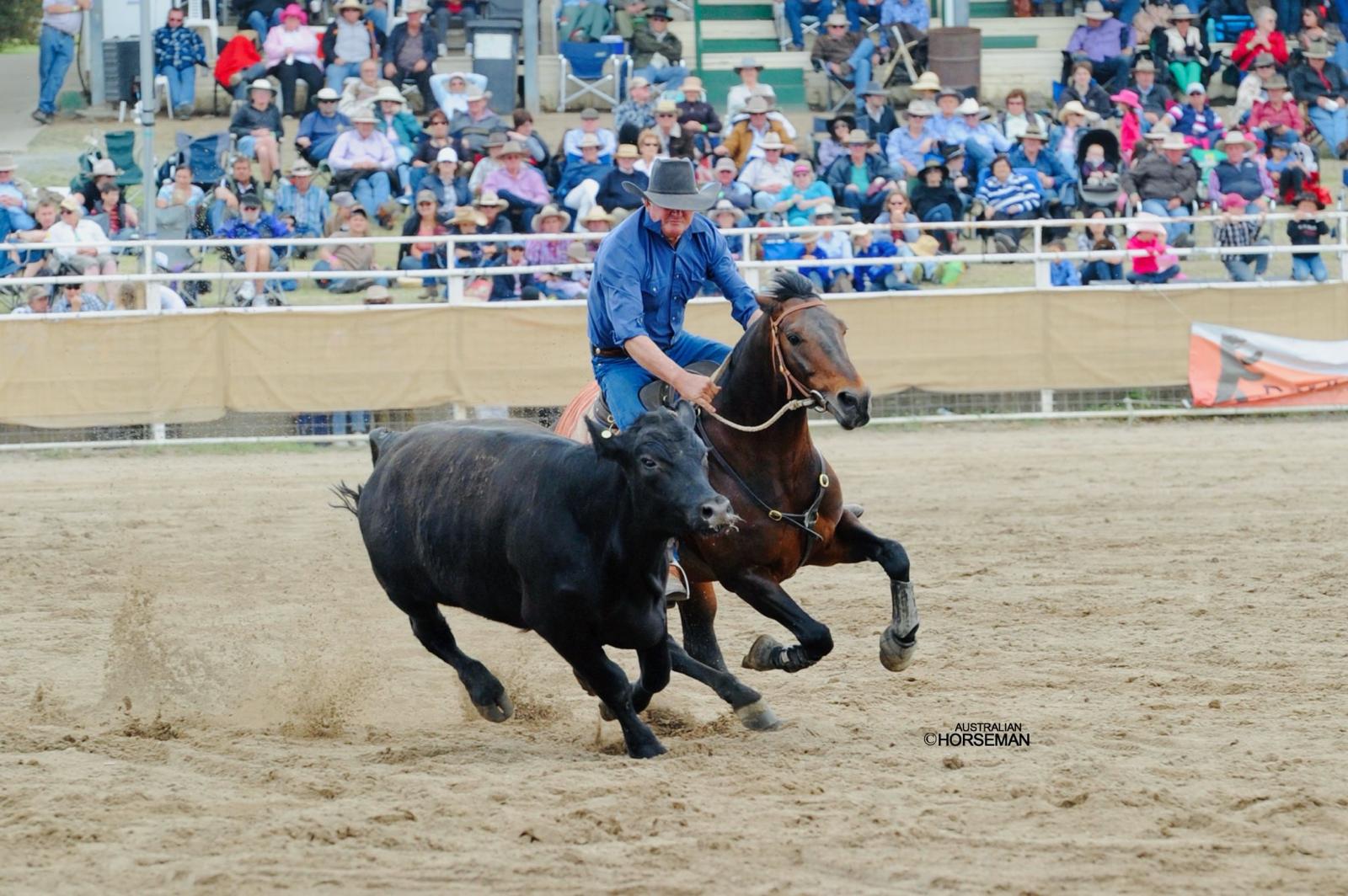
The youngsters are not riding racehorses in the same way they used to. Instead, they’re competing in campdrafting contests where 360,000 “races” are run each year. It is a booming horse sport that is beginning to leave horse racing and its skilled horseback culture in its dusty wake.
Where once campdrafting filtered into racing, there is ample evidence it has taken over as the main game in rural and outback Australia.
The chances of another Glen Boss or Hugh Bowman are disappearing as this mirror sport of big prize money, glamour competitors – horse and human – and surprising wealth becomes bigger each year.
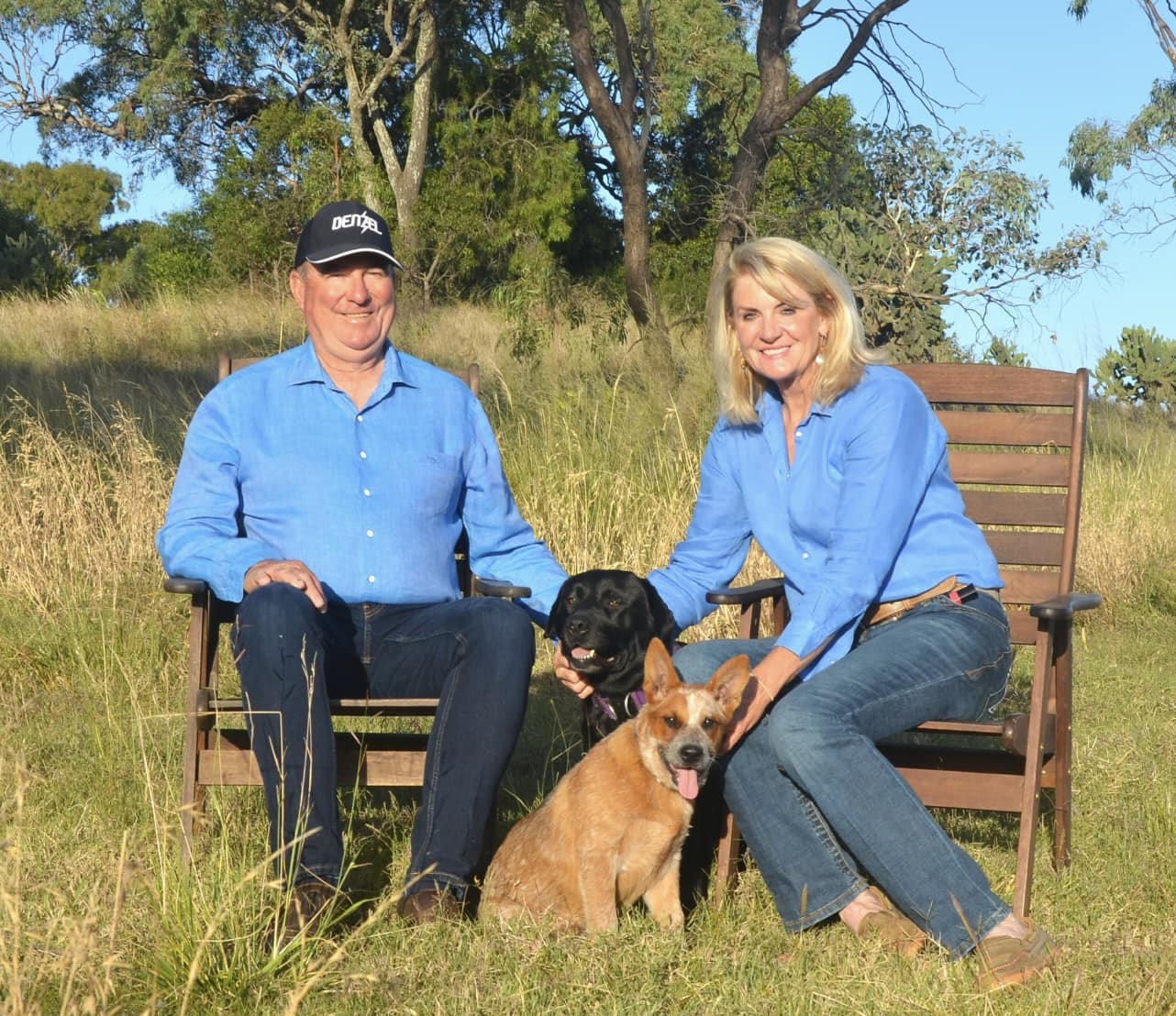
Heather Pascoe is a journalist and horsewoman who resides near Oakey on the Darling Downs with her husband David, a leading equine vet. Heather grew up in campdrafting and racing picnic horses.
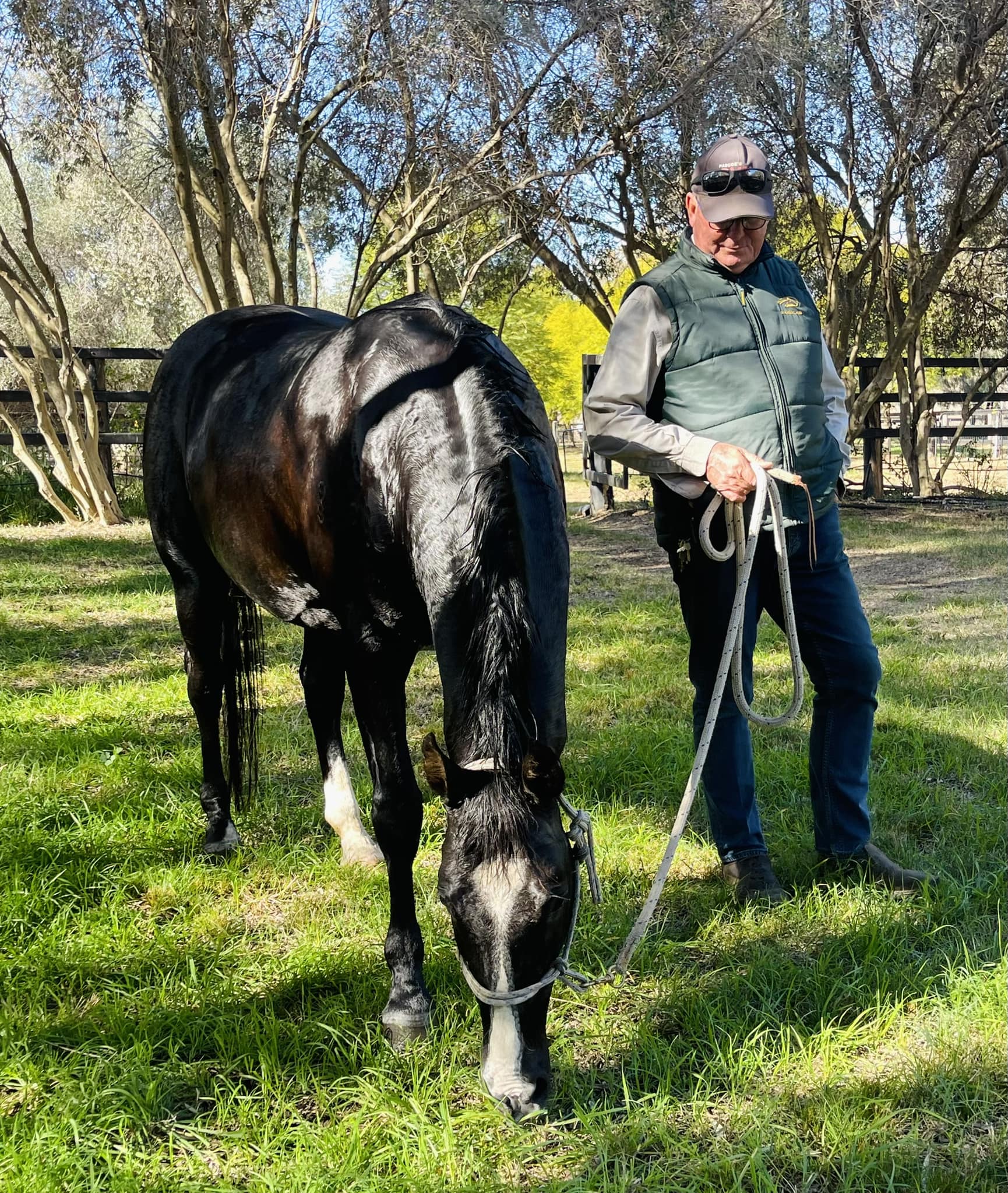
Her beautiful black stallion Denzel (registered name Nonda Southern Cross) is the So You Think of the horse and cattle scene. He is the envy of a circuit that pays up to $200,000 per tournament.
A good prospect could be worth as much as $500,000.
It’s becoming a bigger business too. The progeny of stallion Hazelwood Conman, the biggest name in breeding in the campdrafting world, have secured more than $11 million in total in sales.
As horse racing faces increasing community pressure and social licence challenges, its growing bush cousin has nothing but clear air.
It is a family sport of its own rich pedigree.
Pascoe is a major supporter of campdrafting but she has also spent a lifetime in horse racing. Her father Reg Brown owned the 1959 Melbourne Cup winner McDougall.
Pascoe says that mustering’s gain has been horse racing’s loss. She fears racing is in a cycle of lost generations.
This, at a time of dire skills shortage and a dramatic shift in the demographic of our skilled riders. Racing Victoria accepted 11 aspiring riders into the apprentice school last year and just one was male. Two years earlier the ratio was nine to two in favour of females.
Pony clubs, the major talent stream into national jockey ranks, have become so girl-centric that Pony Clubs Australia canvassed teenage boys a little while back, basically asking: “What will it take to get you back?”
Pascoe said the danger for thoroughbred racing is losing a properly nurtured talent pool.
“We (racing) won’t claim these generations back. The exponential growth of campdrafting has mirrored the decline of racing in these areas,” she said.
“The local racetracks closed down and the people lost interest.”
As an aside, she says that “everyone in racing is worried about protesters at the gate. The real threat is coming from the fact the middle has lost interest in racing”.
Up in bush Queensland at least, they’ve turned their passion to weekend drafting events where serious competitors rock up in $200,000 horse Winnebagos.
Pascoe said many of the outback farms and cattle stations that once had a racehorse or two for bush meetings now had campdraft horses.
City dwellers may not have heard of campdrafting. I hadn’t until about a year ago when I was up at the Mansfield stables of legendary mountain man Gerald Egan. His daughter and son-in-law were packing the truck for a festival near Echuca.
Egan reeled off a long list of campdrafting towns. There was recently a weekend festival at Corryong. Then there’s Mansfield, Merton, Merrijig, Barnawartha, Holbrook, Chiltern, even Bacchus Marsh, which is only 40km from Flemington.
Agricultural shows in most towns and capital cities feature expert campdrafting. “It’s a real big deal at the Brisbane show,” Egan said.
In southern NSW alone there are 2000 registered competitors. The annual surge in participation is about 12 per cent.
So, what is campdrafting?
It’s uniquely Australian and originated on the outback northern cattle runs in the late 19th century. The aim was to separate individuals from the mob, often steers from cows. In many ways horse and rider performed the tasks of cattle dogs.
Cattlemen would bet on whose stock horse was best and a sport emerged from it.
Teardrop-shaped arenas were created and a single beast (as they call it) is separated from the mob. Points are awarded for ease of handling, horsemanship, agility and control.
“We (racing) won’t claim these generations back. The exponential growth of campdrafting has mirrored the decline of racing in these areas” – Heather Pascoe.
Categories range from juvenile (as in little kids) to senior.
Racing has tried its own methods of engaging younger athletes. Pascoe sold her own view of the horse racing equivalent of juvenile campdrafters. She does not believe the growing popularity of pony races on race days does anything to bring skilled competitors to the thoroughbred racing game.
“Mum and dad arrive with an $80,000 float towed behind a Range Rover. Let’s see if those kids are prepared to get up at 2am and muck out stables,” she said.
“In campdrafting, kids are taught at an intricate level, just as they were when every town had a racetrack. There is so much talent that’s been lost to racing. The farms, the small breeders. They just lost interest (in racing).
“On Friday night you might have drinks and a barbeque. You compete on Saturday and on Sunday it’s the finals. It’s a family sport not sold on a rock band and alcohol.”
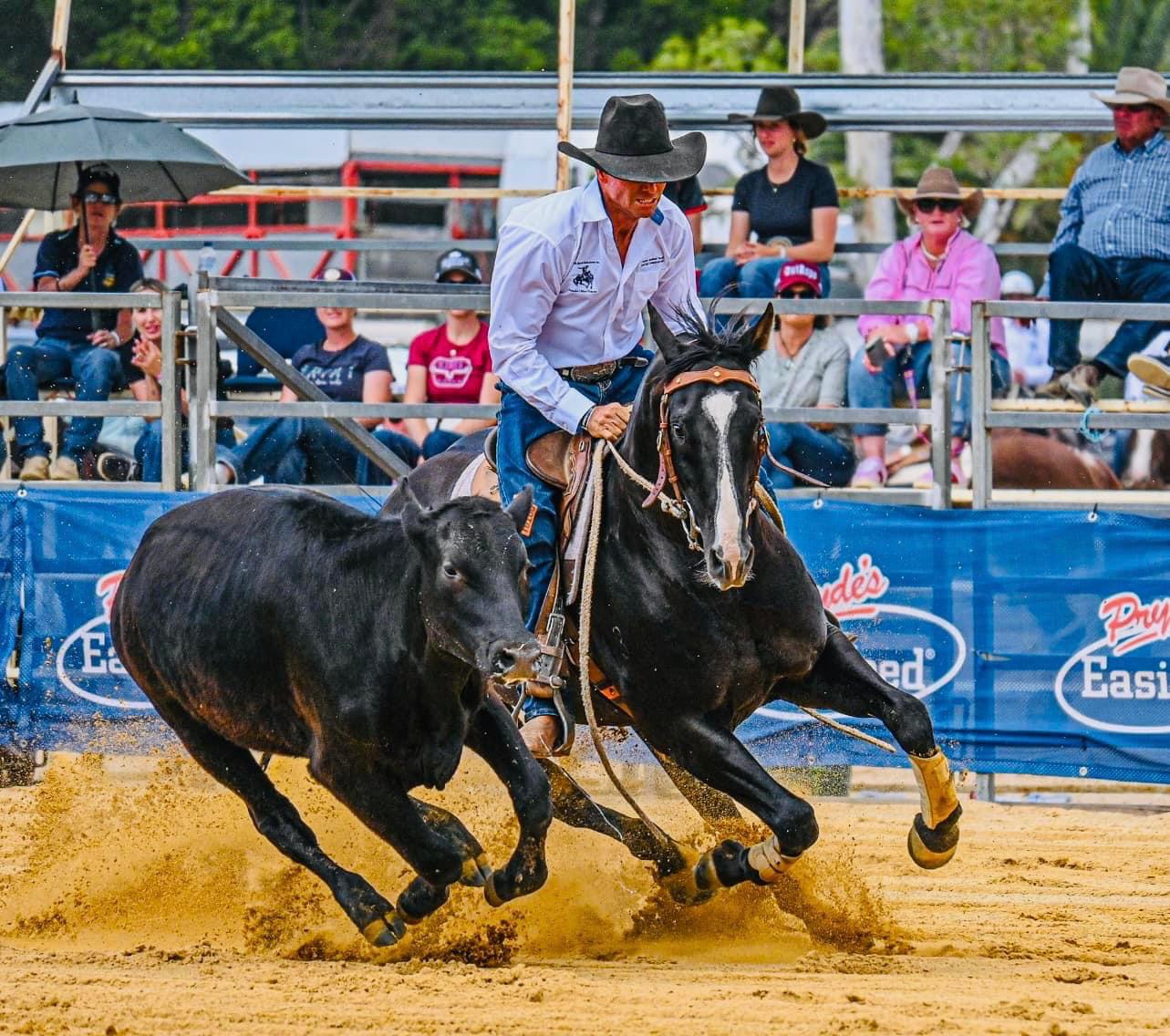
In Queensland, the Warwick Gold Cup is the campdrafting Melbourne Cup. The triple crown starts with the Condamine Bell, then the Chinchilla Grandfather’s Clock.
“There are 600-800 horses at each event,” Pascoe said. “The cattle arrive in a stream of big semis.”
The Willinga Gold Buckle is the latest tournament. It is held near Nowra and competitors arrive from all over Australia.
“At every level they are educating kids. Racing, however, is dying up here and in lots of the bush,” Pascoe said.
“You wonder where it’s all heading. You see the races now and $1 million horses are being led around by backpackers.”
Related Articles
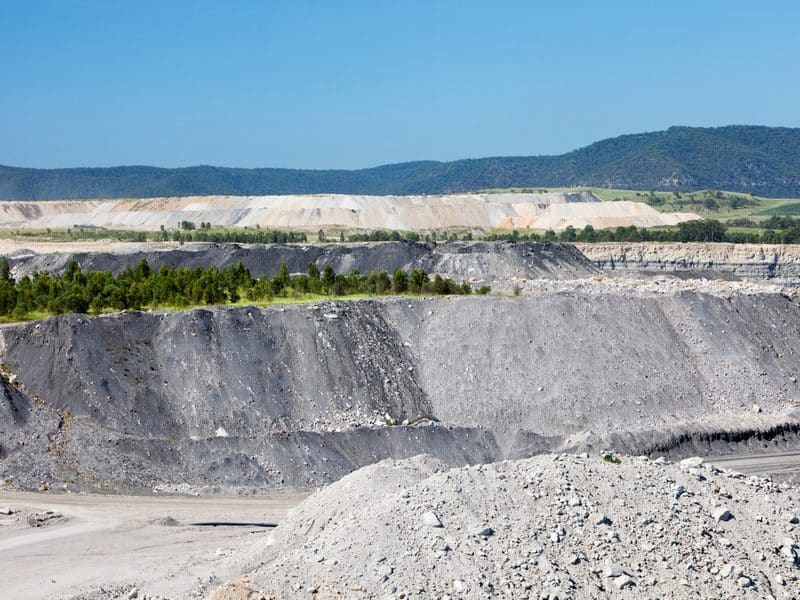
🔒 🔒 The Hunter tension – How coal and the breeding industry continue to live side by side
Decisions over two key Hunter Valley mining projects in recent weeks have highlighted the uncertainty facing the coal and thoroughbred breeding industries, two pillars of the region’s identity. Warwick Barr examines the history and the future of the relationship between the two.
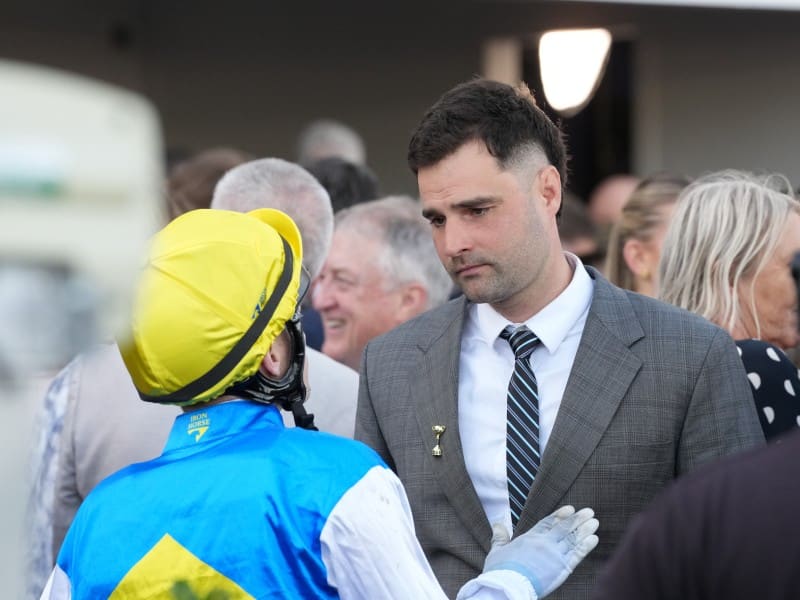
Welcome to racing’s biggest stage – Donaldson-Aitken ready for Group 1 bid
Tyler Donaldson-Aitken has built his business around selling horses, but it will be at Caulfield on Saturday, not Inglis’ Riverside Stables next week, where his biggest moment in the industry may come.
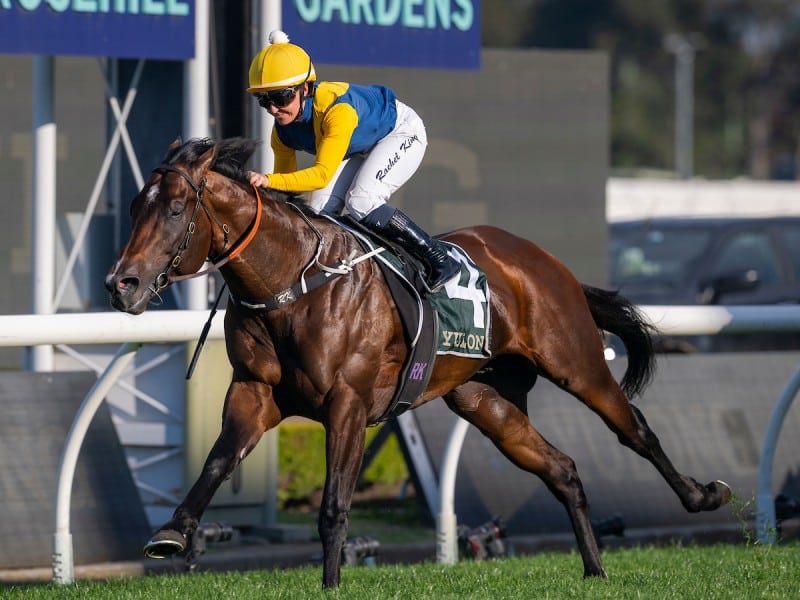
🔒 🔒 Cunningham holds a hot colt hand, but he won’t be rushed into Warwoven stud deal
Golden Rose winner Warwoven was bred and is part-owned by Kia Ora Stud, but that doesn’t mean the colt is assured of a home at its stallion arm Vinery, with connections to place the son of Sword Of State on the open market.
