
A race club without a racecourse: How Moonee Valley Racing Club navigates closure, costs and a new era
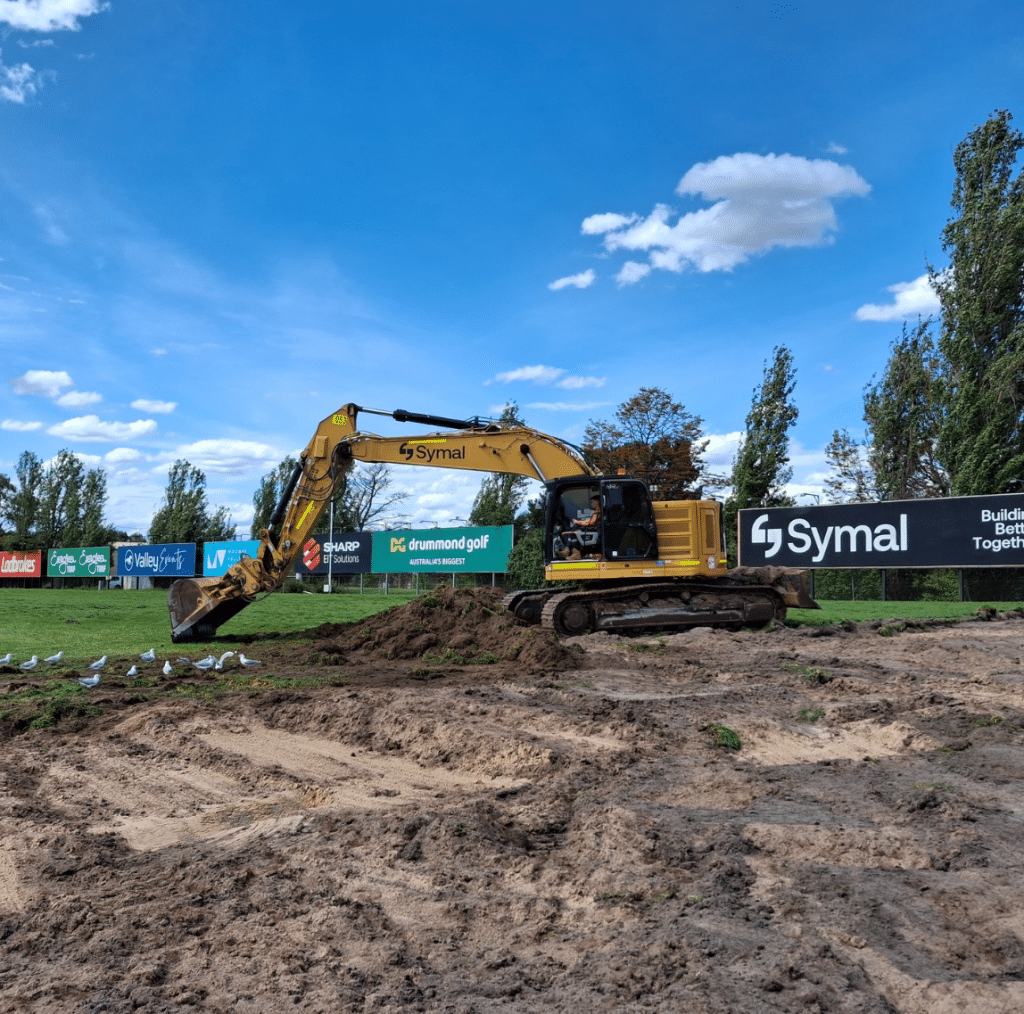
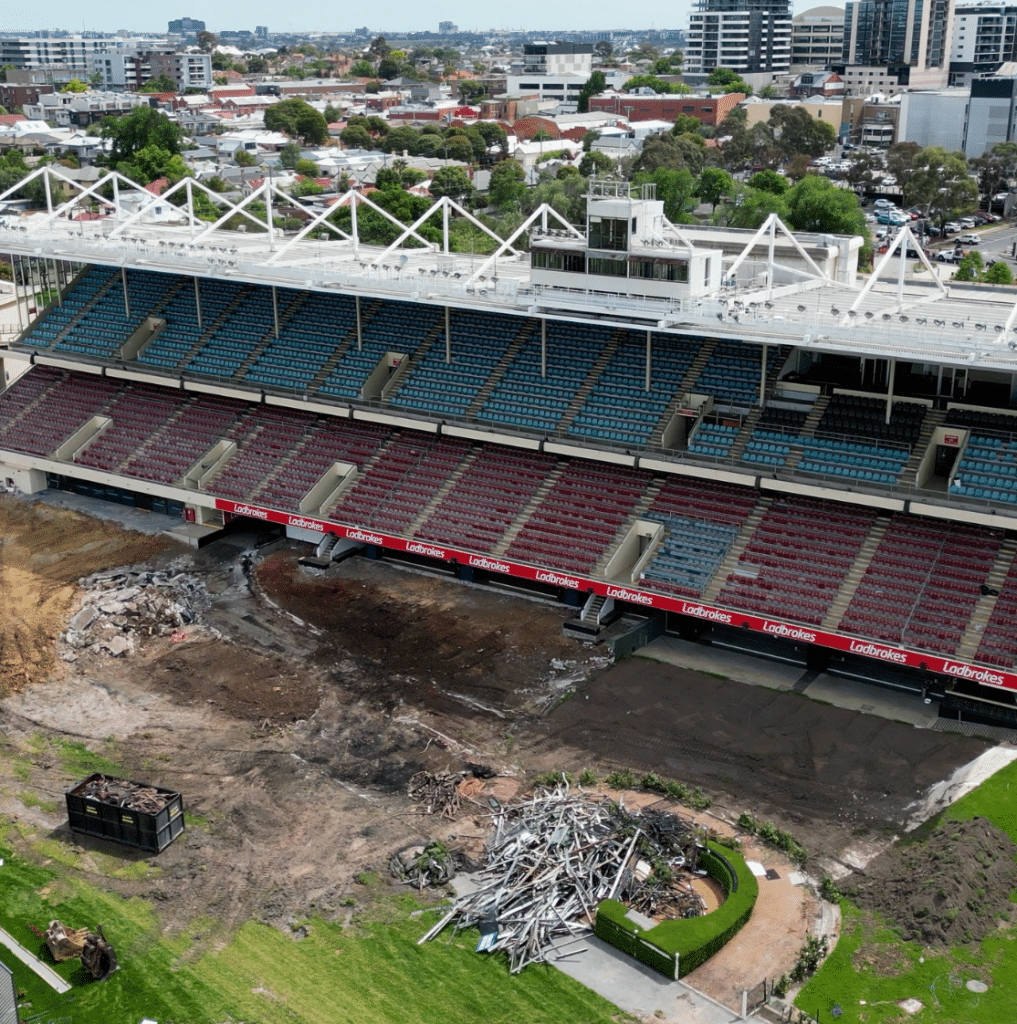
The last race at Moonee Valley may have been run ahead of a massive redevelopment, but that doesn’t mean the MVRC is closed for business. Far from it.
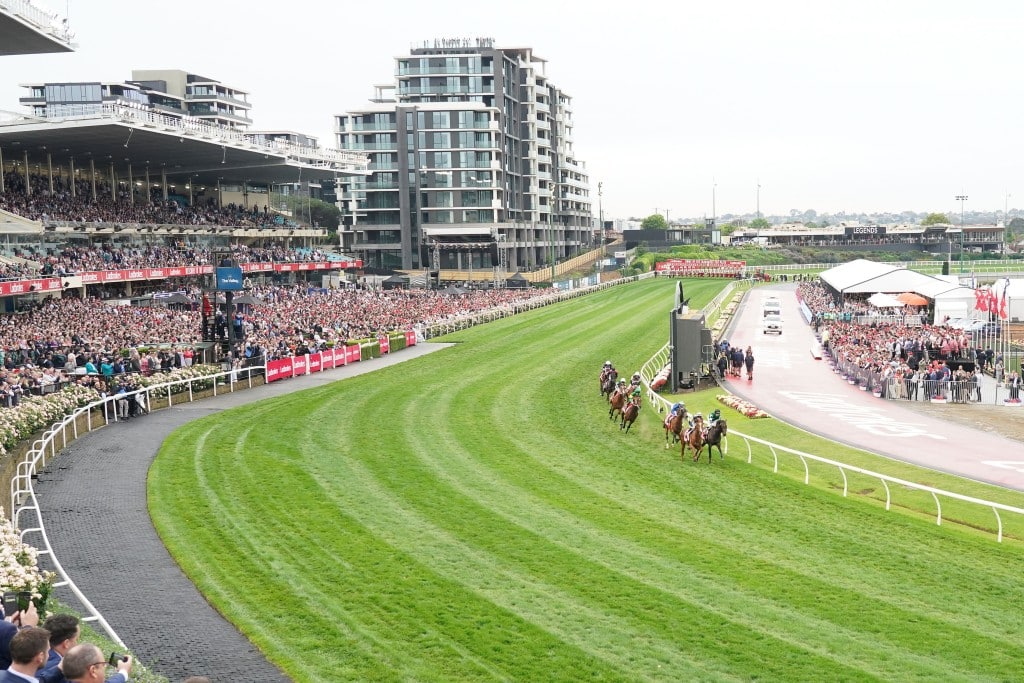
Beyond the rubble, the Moonee Valley Racing Club still has a business to run.
It’s not on the same level before Via Sistina’s second Cox Plate triumph temporarily drew the curtain on Moonee Valley as a destination for champions from Phar Lap to Winx.
It’s a public pause in the Melbourne club’s 142-year history, but behind the scenes, racing remains a core priority in a different guise.
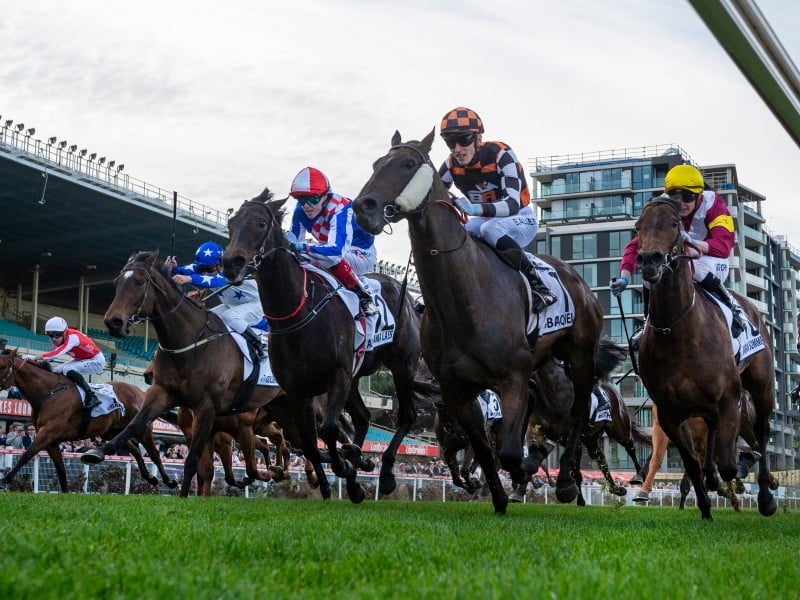
Since Moonee Valley and its surrounds were closed to make way for machinery and demolition workers, the MVRC has been a hosting rights club for meetings at Cranbourne, Pakenham and Geelong.
The transition has been low-key and will be in stark contrast to marquee meetings in 2026 when the Cox Plate is run at Flemington and the William Reid Stakes is staged at Caulfield.
This nomadic existence will remain in place until Moonee Valley is reopened – scheduled for the 2027 spring carnival.
When the horses return, they will be racing on a reconfigured track that will have been embedded into the racecourse’s new landscape for more than 12 months.
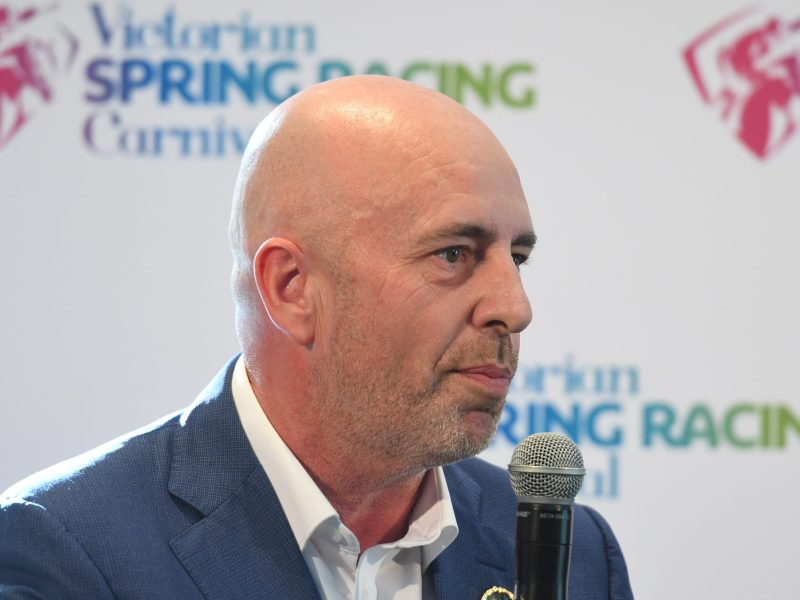
MVRC chairman Adam Lennen said a collaborative approach the club is taking with other tracks and Racing Victoria ensured the immediate shift was a smooth one that had been budgeted for in one of Australian racing’s more ambitious masterplans.
“Our partners in those clubs have been fantastic in terms of putting on operational support. We want to make sure our sponsors and partners still have a good experience,” he told The Straight.
For marquee events, the MVRC is taking a more hands-on approach.
Lennen said the club’s involvement for a Flemington Cox Plate will allow it to assume full logistical responsibility within constraints.
“We can put our own spin on it and our own style. We’ll take complete ownership of that week,” he said.
“For Flemington, we’ve got big sponsorship arrangements and we’re actually taking carriage of Flemington for the day – or the week in that case.
“There’s already been a lot of work going on about how that’ll play out.”
Like Moonee Valley itself, the groundwork has started.
“In some respects, it’s probably more work involved hosting somewhere else than it is when you know your own backyard and you know what you can do and you know what you’ve got to do,” Lennen said.
“There’s already a lot of planning going on there. And that planning is going on around both our autumn and spring carnivals because it’s going to be a little new for a lot of the team.
“When we host the William Reid at Caulfield, for example, it’ll be different than hosting it under lights at Moonee Valley.”
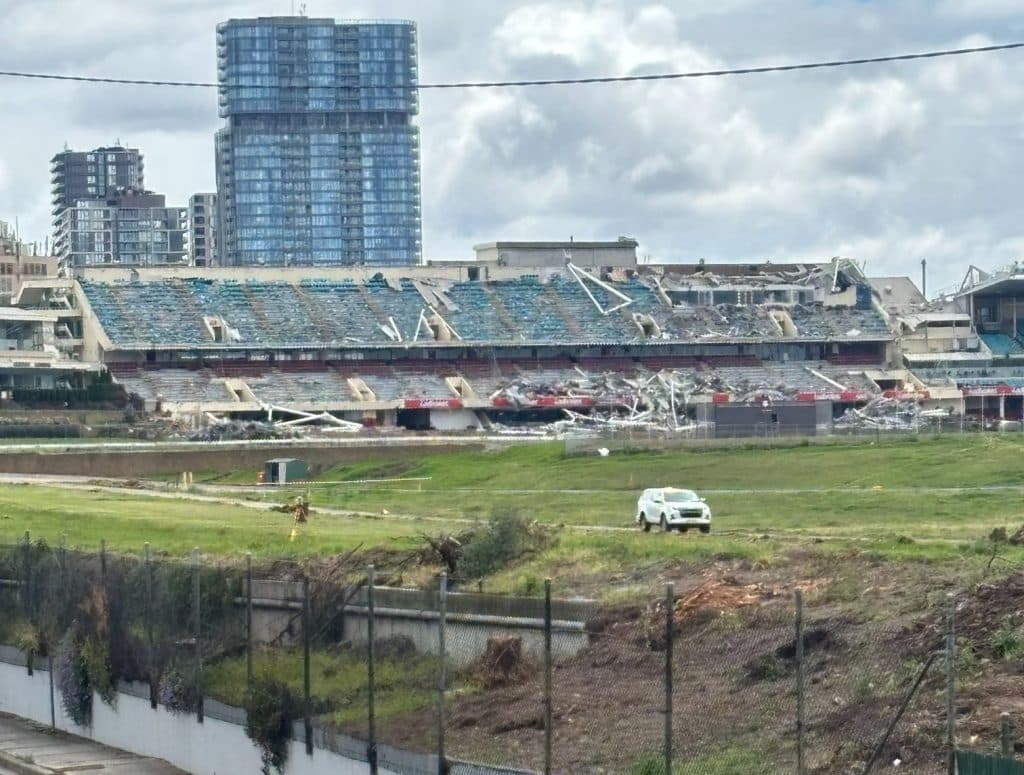
Images coming out of the Moonee Valley precinct are polarising. They are jarring for the traditionalists, who bemoan a loss of history and Lennen accepts the redevelopment has its detractors.
That’s why he says the MVRC management team will be far from idle as it seeks to strike the right balance between preserving some of the old racetrack’s uniqueness and creating a feel that matches modern-day expectations.
Attention to those details will be interspersed with maintaining a commercial side to the club’s internal operations that have been downsized during the rebuild while its investment portfolio has been expanded after the recent acquisition of the gaming licence at the Rex Hotel in Port Melbourne.
The MVRC now owns four licensed venues but Lennen doubts it will match the Melbourne Racing Club (MRC) for assets in the hospitality industry.
“We don’t want to get too confused in terms of what our charter is,” he said.
“We are the Moonee Valley Racing Club, but the reality is there are a lot of these club venues, particularly with AFL clubs, potentially exiting the space.
“They are good cash-generating businesses that are not super expensive but think we want to make sure we want to probably have just enough that creates an economy of scale.
“We’ll have two really big judgments as a race club. One will be the actual track and when it comes back and how it races and the other will be when we open the facilities.
“People will want to contrast the new with the old and we’re very hopeful that the new will be better than the old.”
At a metropolitan level, Australian racing hasn’t seen a project of this magnitude for six decades.
The MRC-owned Sandown on the city’s southeast outskirts stands as the last suburban racecourse built from scratch in Australia.
“For us it’s super important (we hit the ground running) when racing returns because I think there’s a lot of stakeholders, whether it’s members, patrons, guests, Racing Victoria, that have put a lot of trust in the team to redevelop it,” Lennen said.
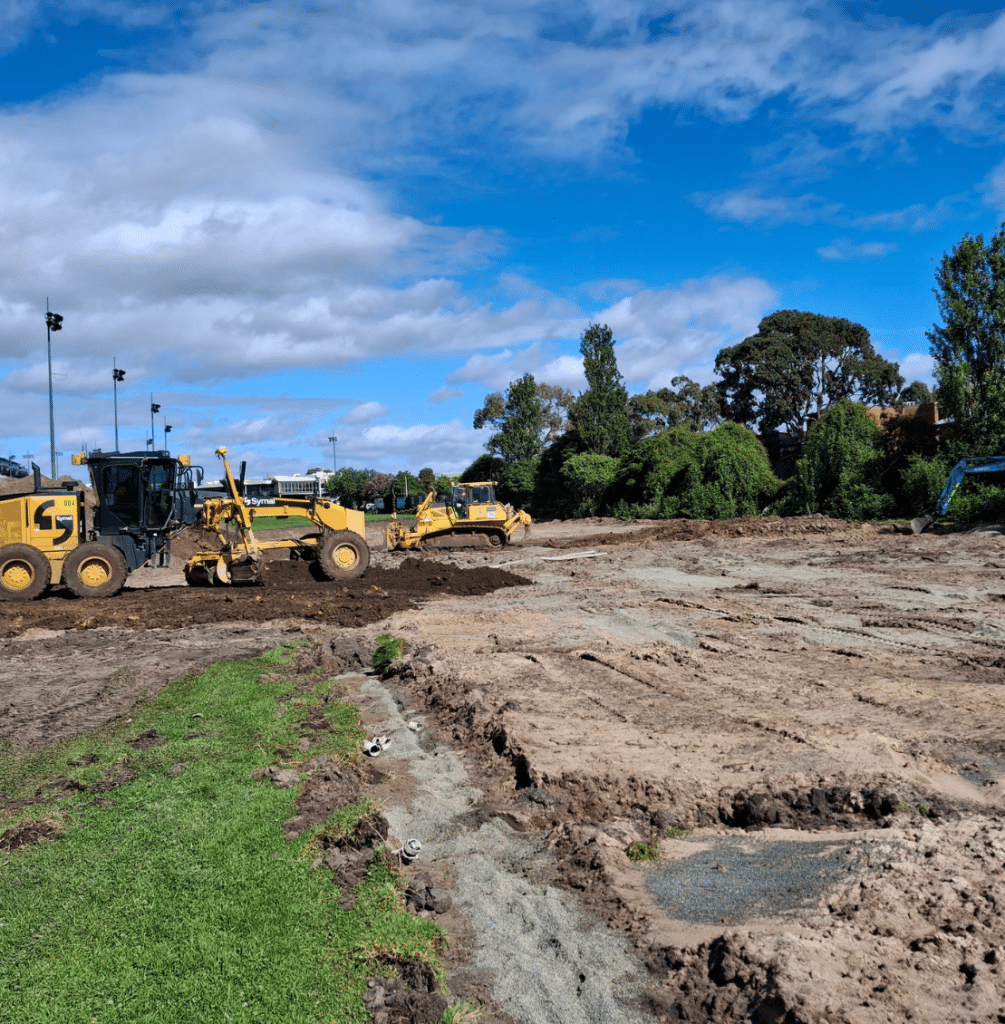
“The reality is we didn’t have the capital to redevelop the existing facilities. We’ve needed to effectively develop that past 25-odd acres to release the capital to build the new track and new facilities.”
There has been new infrastructure at Flemington and Caulfield, but knocking something down, starting again, and flipping the layout at an estimated cost of $220 million, as part of a broader reported $3 billion project, is new territory for racing.
It’s an opportunity that Lennen says will allow the MVRC to reimagine how its new facilities will be woven into the overall plan, using a blueprint established within the architectural designs of new sports stadia that try to bring fans closer to the action.
A new-look Moonee Valley and its grandstand will do that.
“Our new track and facilities will be built for today, for the way people want to experience leisure time,” Lennen said.
“But with the track itself, we’re 100 per cent focused on making sure that it has a lot of the great characteristics of the old track.
“Then there is the reality that a lot of racecourse infrastructure is built a long way from the racetrack. Most people think Moonee Valley is (was) close to the track and you’re on top of the track.
“We’re actually moving the new facilities about 25 metres closer to the track.
“I guess we’ve had a lot of time to think about it. We know we won’t get everything right, but we do want to make sure that we can do things with the new facility that we couldn’t do at the old.”
Despite short-term disruptions, Lennen says the club is also using the hiatus to revise and innovate racing operations.
Adjustments to scheduling, night racing, and prize money structures are under review to enhance fan engagement.
“We’re thinking about a feature race on every meeting with slightly elevated prize money to create interest,” he said.
Technology upgrades, including the two largest trackside screens in the southern hemisphere and racetrack lighting that promises to be more economical to turn on to enhance the spectator experience and bring a more stadium-like atmosphere.
“This will be a couple of years of disruption, but it will put the club in a much better position coming out of it,” he said.
Related Articles
Everest hero Think About It dies, aged seven
Proven Thoroughbreds has paid tribute to its multiple Group 1 winner and Everest winner Think About It, who died aged seven this week.
Goulburn Race Club CEO Robyn Fife to step down
After overseeing a period of significant change at the Goulburn Race Club, including the handover of the club’s land to Racing NSW, chief executive Robyn Fife has confirmed her 26-year association will come to an end.
Setting a standard – New course looks to lift best practice in racehorse syndication
The need for more established standards of education and ethical conduct in Australia’s world-leading racehorse syndication industry has led to the development of an education program to build understanding among current and prospective syndicators.