
A racing contradiction – Deloitte report reveals limited fan base despite impressive spring turnouts
Horse racing engages only 11 per cent of Australians among the nation’s sports fans, according to an annual report published by global firm Deloitte.
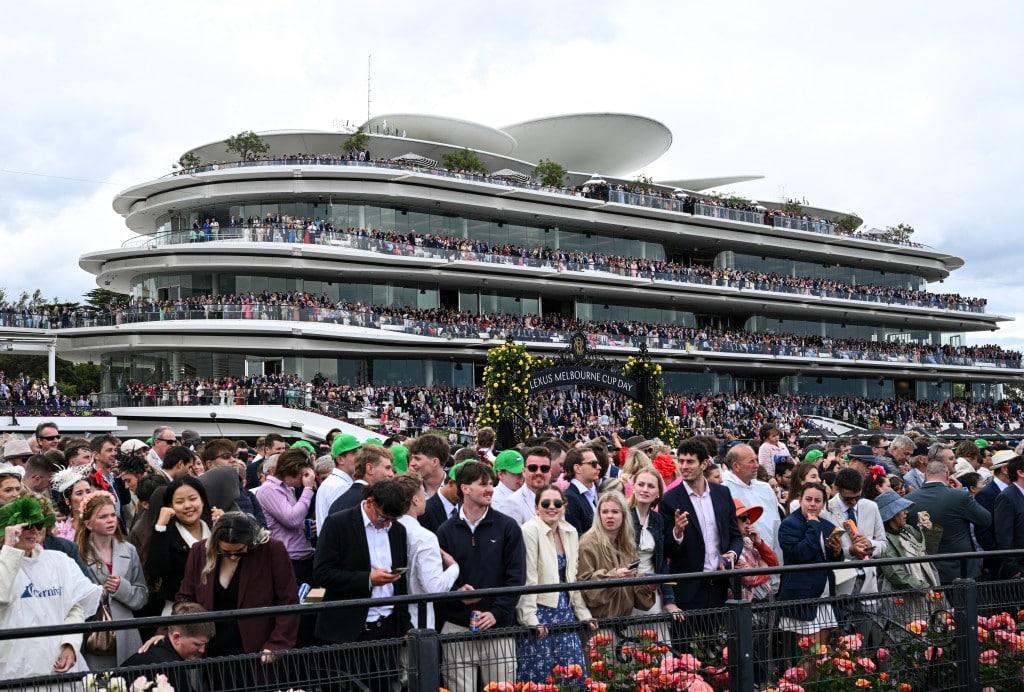
While figures from the 2025 Melbourne Cup carnival confirm that horse racing as an event-driven spectacle remains strong, it continues to lag behind other Australian sports in overall fan numbers.
The Deloitte Australia Media & Entertainment Consumer Insights 2025 report, released on the eve of this year’s Melbourne Cup, shows that horse racing reaches 11 per cent of Australians as a followed sport, representing a modest share of total fan engagement.
Overall, 84 per cent of Australians consider themselves sports fans, and the report indicates that men make up the majority of followers across almost all sports, with exceptions only in netball and equestrian.
The average fan follows four different codes. The AFL leads with 42 per cent of adults identifying as fans, followed by soccer, cricket, rugby league and tennis.
Horse racing’s 11 per cent fan base ranks it 14th overall, placing it between boxing and MMA (10 per cent) and golf (12 per cent).
Of the survey respondents who followed horse racing, 66 per cent are male.
Interestingly, among horse racing’s followers, 40 per cent of respondents described themselves as “avid fans”, ranking it among the top six sports for heavily engaged followers.
Forty-three per cent are “interested fans” while 17 per cent are followers with a “casual” interest.
The report, published annually since 2012, surveyed more than 2000 Australians aged 16 to 92 and was weighted for age, gender, location and working status.
It tracks sport and entertainment consumption among Australian adults and provides trend data on followership, subscriptions, and media usage.
Anecdotally, the VRC and the Australian Turf Club both attracted a younger demographic during their peak spring events.
In Sydney, a sold-out crowd of 50,167 attended the $20 million Everest meeting at Randwick as a high point of an extended spring carnival.
“The Everest and the Golden Eagle are bringing huge new numbers of young people to watch and enjoy thoroughbred racing at the track and beyond,’’ acting ATC chief executive Steve McMahon said.
The 2025 Melbourne Cup carnival attracted a total of 286,746 attendees across four days, including 86,112 on Victoria Derby day and 84,374 on Melbourne Cup day, according to Victoria Racing Club (VRC) figures.
Despite these attendance numbers and demographic claims, the Deloitte report found that the way Australians follow sport is changing with Gen Z more inclined to engage on a casual basis (33 per cent) compared to Boomers (14 per cent).
“Older generations would go to local stadiums to view live sports more often, whereas younger generations now have unprecedented access to digital sports content (including off-field content),” the report said.
“The digital viewership of younger audiences seems to contribute to more casual fandom. To this end, sports fandom in Australia is still as strong as it has ever been, it has just evolved.”
While the survey does not provide horse-racing-specific cross-tabs by age or gender, the data shows broader trends: lower followership of traditional codes among younger Australians and higher participation in global or digital-first formats.
The Deloitte study also traced entertainment spending. Households now hold an average of 3.7 subscriptions and spend $101 per month.
“Weekly media consumption has decreased, reflecting an environment in which audiences are selective about content and willing to pay for media that provides consistent access or exclusive experiences,” the report said.
“In any given week, Boomers watch 2.6x times as much live sports content as Gen Z. While this may be driven by older adults having more discretionary time, the low viewing time among younger audiences also reflects shifting consumption habits, notably the growing preference to watch shorter-form content.”
What does this mean for racing and what can administrators learn from surveys such as the Deloitte report, no matter how small the sample?
While horse racing in Australia might no longer dominate the sports‑fan top tier, Melbourne Cup week has demonstrated there is a captive audience.
But for the sport to climb above the 11 per cent followership mark, it will need to convert event‑goers into recurring fans.
In a landscape where attention and subscription dollars are fiercely contested, standalone events may not be enough to secure long‑term relevance.
Therefore, the onus will be on administrators to adopt strategies that reflect today’s media and entertainment realities in the hope that they deliver generational renewal.
Related Articles
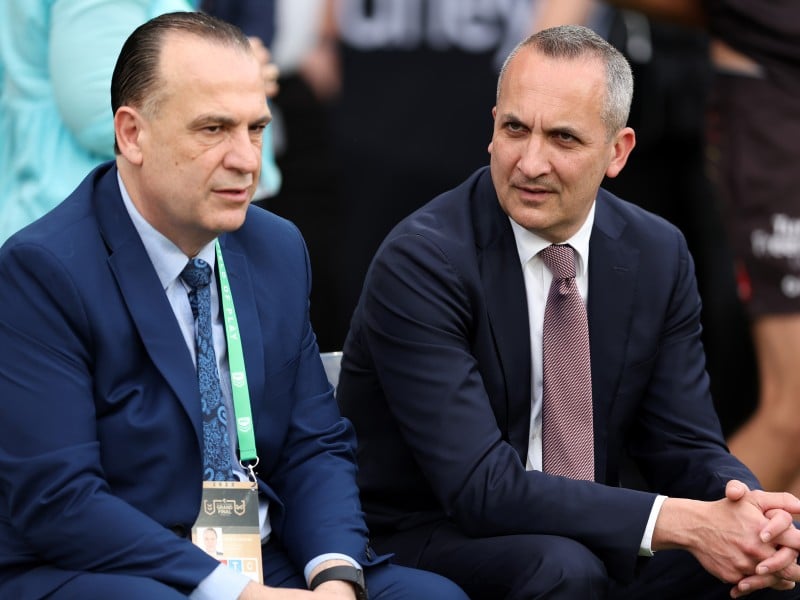
V’landys hits pause on Racing NSW role as rugby league comes calling
Peter V’landys’ 22-year spell as chief executive of Racing NSW will be put on hold for at least four months from July as he steps into a temporary role of executive chairman of the Australian Rugby League Commission following the resignation of NRL boss Andrew Abdo.
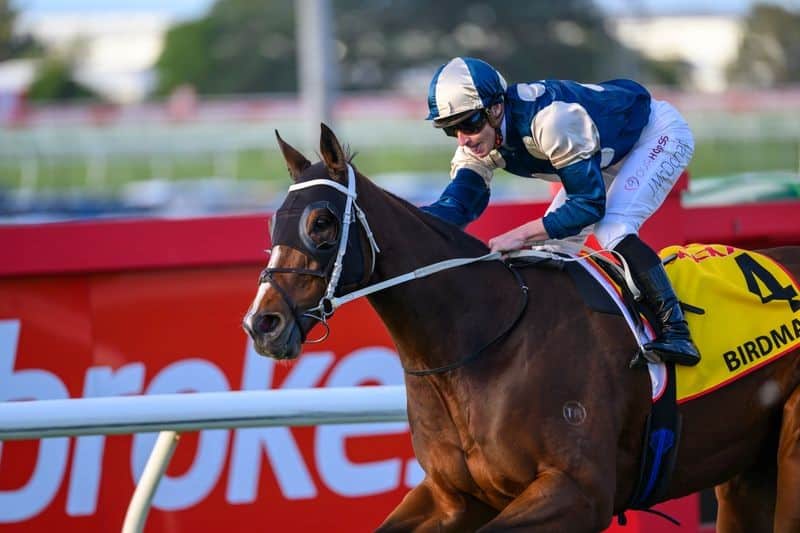
Waller’s double delight – 200 up as Birdman chases down Jenni in Doomben Cup
Chris Waller has become just the third Australasian trainer to win 200 Group 1 races, with his import Birdman powering home to win the Doomben Cup.

Jockey Shane McGovern dies a month after trackwork fall
Jockey Shane McGovern has died from injuries suffered after a horrific trackwork fall at Charters Towers in April.