
Analysis: ‘You Win Some, You Stall More’ – Has Labor dodged gambling advertising fight?
With a new Communications Minister in place and an electoral mandate in hand, the climate seems right for wagering advertising reform. But in what could prove an unexpected boost for the wagering and racing industries, there is no indication that PM Anthony Albanese has an appetite for change.
Prime Minister Anthony Albanese was asked point blank this week if the appointment of a new Communications Minister would see the newly re-elected government finally proceed with the recommendations of the You Win Some, You Lose More report.
The curt tone was as telling as the answer itself.
“I expect us to continue to do work as we have,” he said.
A follow up question from the journalist was cut off. If the Prime Minister had run out of time to reform gambling advertising before the election, he has no time at all for it now.
While the expectation pre-election was that Labor would have to deal with Teals, independents and Greens to retain power, the stunning result on May 3 put them in the driver’s seat and piloting their own agenda.
Whether that agenda includes gambling reform in response to the 2023 parliamentary report led by the late Peta Murphy is genuinely up in the air.
The decision to appoint Anika Wells as the new Communications Minister, who has repeatedly defended the federal government’s sluggish response to reform, seems significant.
 Bren O’Brien
Wells’ stance on the issue has always been in lockstep with her leader. As the Minister for Sport, she was asked last November of why it had taken so long to get the gambling advertising issue before parliament.
“I’ve got concerns about how this is impacting sport integrity and how this is impacting our athletes who are being targeted by people because of … the development in this space,” Wells said.
“But also … on the flip side, I’ve got national sporting organisations and professional codes who are worried about how this will impact the viability of their financial model.
“So on both sides that I need to look at, I think it needs more nuanced work, and I’m looking forward to continuing to work with (then Communications Minister) Michelle Rowland on the 31 recommendations of the Murphy report.”
After a bungled attempt by former Communications Minister Michelle Rowland to get gambling reform on the parliamentary agenda late last year, Labor opted against picking a fight with broadcasters during an election campaign. Ultimately, it was a captain’s call from Albanese to quell a backbench movement to move on reform.
 Bren O’Brien
While it was an issue the media seemed keen to discuss, very little was heard from Labor on the gambling ad reforms during the election. While not strictly muzzled, MPs deflected any inquiries, while any time the Prime Minister was asked about it, he would look like he’d been asked to suck on a lemon.
“There’s more to do. But … I’m proud that my government’s done more than any other government ever,” he said in April.
However, Wells did let her guard down slightly in an interview with journalist/creator Lavendar Baj for Missing Perspectives in April. She initially parroted the line about the “biggest gambling reforms since federation” but then called out the specific concerns about a drop in broadcast revenues from a possible ban on gambling advertising.
“Do taxpayers want to fund the difference? So the loss of revenue that would come in, is that something that taxpayers want to see as the federal government stepping in to fund? Yes or no. I suspect no,” she said.
“It’s a tricky policy area because it involves a lot of different stakeholders from the sporting world, the communications world, broadcast etc. There’s other issues going on in those policy areas that intersect with this. I think we just hadn’t landed on a place that everybody was happy with.”
The Labor member who was most willing to discuss the reason why gambling reform was stalled is now the Minister in charge of whether they proceed at all. That seems telling.
Wells has not spoken on the issue since her appointment – no doubt it will be among the first questions she is asked when she does – but she appears far more pragmatic in her approach to change.
Moreover, Albanese will feel vindicated that his captain’s call on this issue was the right one. While Greens and Teals saw the gambling ad issue as a political opportunity, the electorate appears to have felt otherwise.
However, it is also important to note that Tanya Plibersek has the Social Services portfolio, which will have some responsibility for gambling reform. Among the aspects under her ministerial remit will be in venue and on-kit signage, something which could unintentionally impact racing.
Plibersek, dumped from the higher profile environment portfolio, is likely to be less pragmatic than Wells.
 Bren O’Brien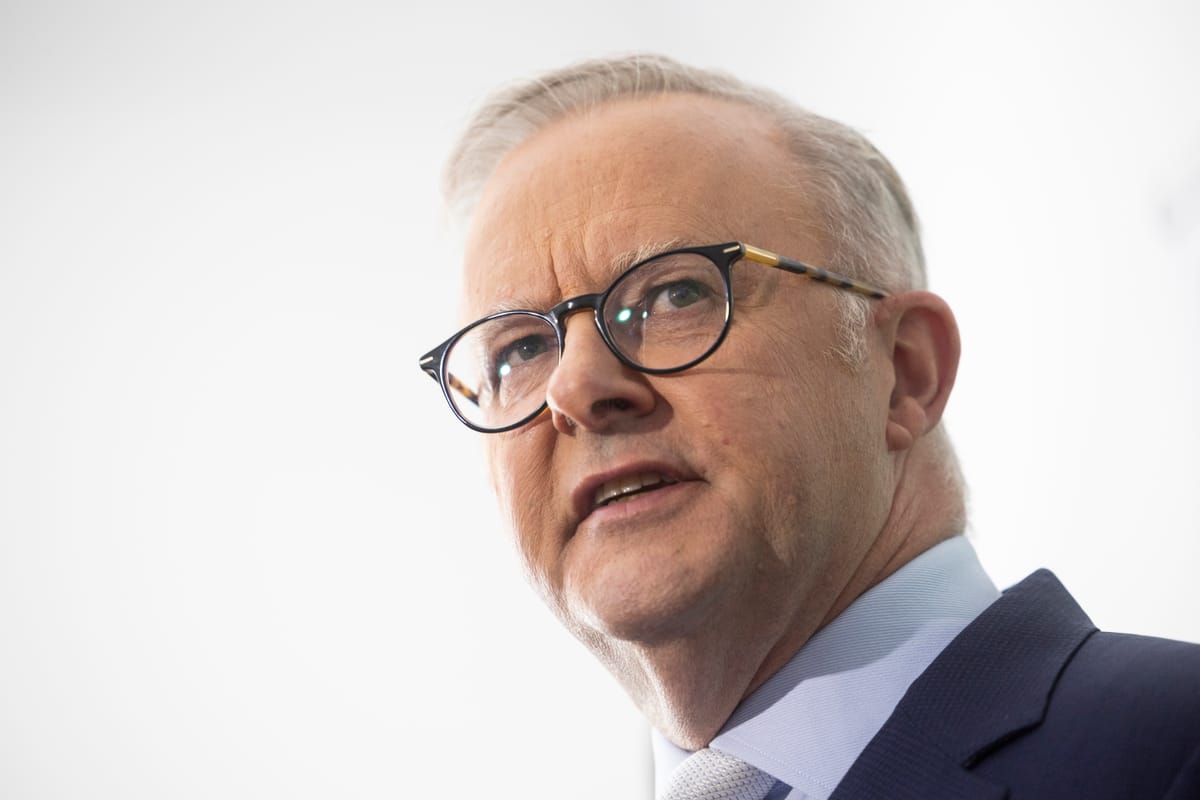
For the wagering and racing industry, it is an interesting about-turn.
In the immediate aftermath of the You Win Some, You Lose More report, which set out 31 recommendations for gambling reform – among them a blanket ban on gambling advertising and inducements – the desire from most was a quick “rip of the band aid”, as uncertainty was seen as cruelling ambition.
That feeling intensified as it became clear that the gambling ad reform could become a key election issue.
But having spent the better part of two years feeling that “no news is not good news”, things have now changed. The less the government says about this issue – and it’s clear from Albanese’s latest quotes it does not want to say a lot – the better the outcome will be for them.
Bearing in mind, the wagering industry has predicted the impact of a gambling ad ban could be up to $1 billion annually, while projections by racing authorities put their own black hole in a worse-case scenario at $100 million, quickly accelerating to $500 million.
The prolonged two-to-three-year wagering downturn off the back of the post-pandemic boom may end up working in the bookies’ favour. Revenues are now trending back to pre-Covid levels for the major players.
 Bren O’Brien
BetStop and other harm-minimisation measures have made a difference, giving Labor enough to prosecute its claim of doing “more than any government ever”, but increased taxation, especially Point of Consumption, plus other fees and rising costs have put the handbrake on the industry more than federal government policy.
And this gets to the heart of the political challenge Labor has been wrestling with over the past two years.
How does it sell a gambling ad ban as a social benefit while telling states they have to dramatically cut their anticipated POCT returns, telling broadcasters that their ad revenue will plummet and tell sports bodies that their revenue from bookies will all but end?
Whatever side of the debate over gambling restrictions you sit on, you have to concede what Wells has said is right. It is an issue with complexity and nuance, two concepts that are very difficult to sell on a political stage.
Author

Related Articles
J-Mac breaks record, while Spicy salutes in Stradbroke
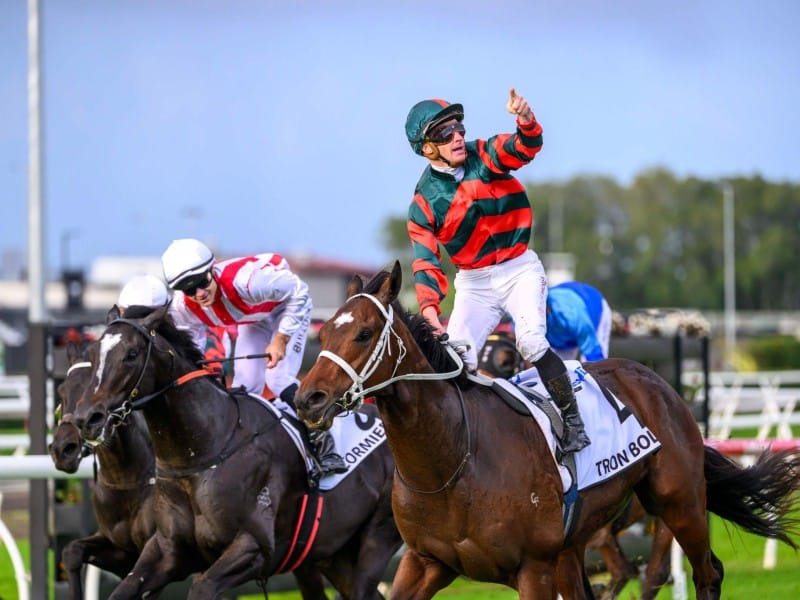
A 17th Group 1 winner for the Australian season created yet more history for James McDonald, while Queensland’s most famous race went to a local star in an upset result in the Stradbroke Handicap.
Maher secures Crown Lodge lease as Racing NSW completes landmark purchase
Ciaron Maher will relocate the heart of his NSW team to Crown Lodge after Racing NSW acquired the historic Warwick Farm training complex from Godolphin.
Yulong goes all in on Group 1-winning family at Great Southern Sale
A half-sister to Group 1 winners Fireball Miss and Femminile has sold for a record-equalling $825,000 at the Inglis Great Southern Sale in Melbourne.
