
Balancing the books and expectations – Todd Pollard’s plunge into the training ranks
For Todd Pollard, when you are a trainer, recruiter, marketer and handyman all at once, the reality of opening a racehorse training business hits home. He is under no illusions about the road ahead.
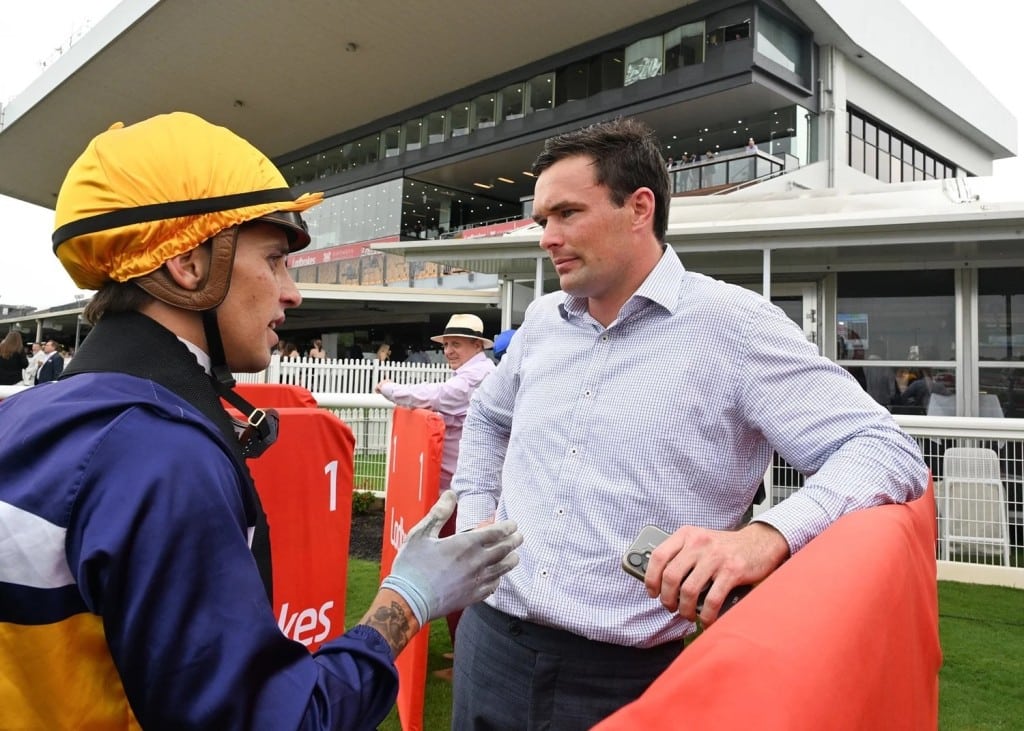
Todd Pollard’s first public step into the world of training racehorses under his own name has been one of caution.
His next will represent a homecoming, coupled with an ambition to have a runner in New Zealand’s richest race for two-year-olds in 2027.
In between the extravaganza of the Magic Millions Gold Coast Yearling Sale and the celebration of New Zealand Bloodstock’s 100th National Yearling Sale at Karaka, the realities of building a stable from scratch are never far away.
It comes down to checklists, no matter how basic, as Pollard jokes about recent trips to Bunnings for drills, blowers, and any other piece of hardware that might be useful around a new Eagle Farm stable, one which doesn’t launch until February 1.
Starting your own horse training business must rank among racing and life’s great acts of faith and self-belief.
“It’s been overwhelming at times,” Pollard told The Straight. “But it’s exciting too.”
Pollard will join the Brisbane training ranks with a clear-eyed view of what lies ahead – hard work, even more responsibility and a lot of uncertainty.
He is not new to Queensland racing, nor to the business of building something from the ground up.
For the past four years, he has been a central figure in Annabel and Rob Archibald’s Brisbane yard, running a stable that is now a vital cog in an operation that has established a foothold in major racing centres along Australia’s east coast.
“When you’re actually doing it yourself, there are a lot of intricacies you don’t realise,” Pollard says.
“I’ve got no issues with the horseman side of things, but where I’m at, you’ve got to be more all-round than that.”
That pretty much sums up the challenge facing any first-timer.
Training horses is only part of the job. Running a business – employing staff, managing cashflow, attracting owners and keeping them – is the other half, and often the harder one.
However, Pollard’s pathway should have equipped him better than most.
A graduate of the Godolphin Flying Start program, he also holds a Bachelor of Commerce degree, even if that was never intended as a fallback career.
“If I’m completely honest, it was a degree to help me get on the Flying Start program,” he says. “I enjoyed accounting, but I was never going to be an accountant.”
But there is a certain irony that having a tertiary-level business qualification has suddenly become relevant.
Buying horses, registering ownership, invoicing clients and setting up systems have been part of his daily routine as he counts down to his first runner.
“You want to minimise costs initially, so you try to do as much as you can yourself,” Pollard says. “But it’s very time-consuming. From the paperwork to the invoicing.”
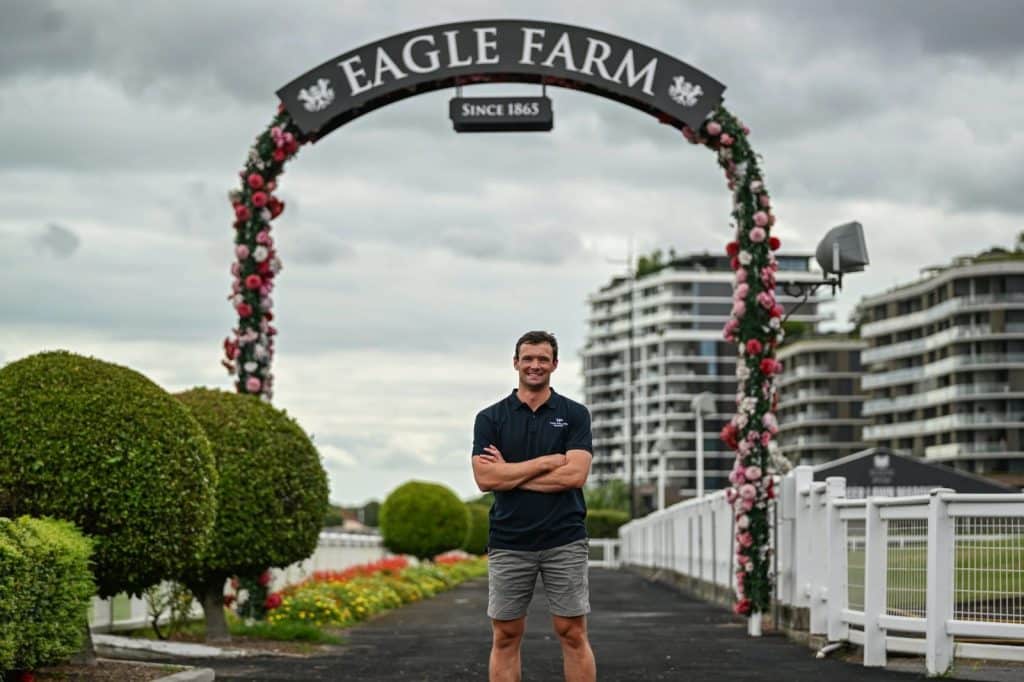
As an assistant to the Archibalds, Pollard’s charter was simple: maximise the opportunities for the Brisbane team without having to worry about the stable’s administrative functions.
“I had a basic understanding of how the business worked,” he says.
“But things like billing and accounts were handled out of Sydney. When it’s all on you, there’s a lot to get your head around. But I enjoy that side of it as well.”
Pollard expects to have six tried horses on his books when his stable door opens to supplement two modestly priced Magic Millions purchases from last week.
He is candid about the pitfalls of expectation and promises.
“There are a lot of horses out there and a lot that have been put to me, but that doesn’t always convert,” he says.
“It’s a bit like selling shares in horses. People get in touch, ask questions, hear from you – but you’re probably not the only person they’re talking to.
“There’s a lot of back and forth and it doesn’t always lead to a horse walking through the gate.”
Early support has come from one of New Zealand’s most successful syndicators.
Of the two In The Congo colts Pollard bought at the Magic Millions, one was purchased in partnership with Go Racing’s Albert Bosma.
It’s an endorsement that carries both financial and reputational value for Pollard, but it in no way overrides a conscious decision to maintain perspective.
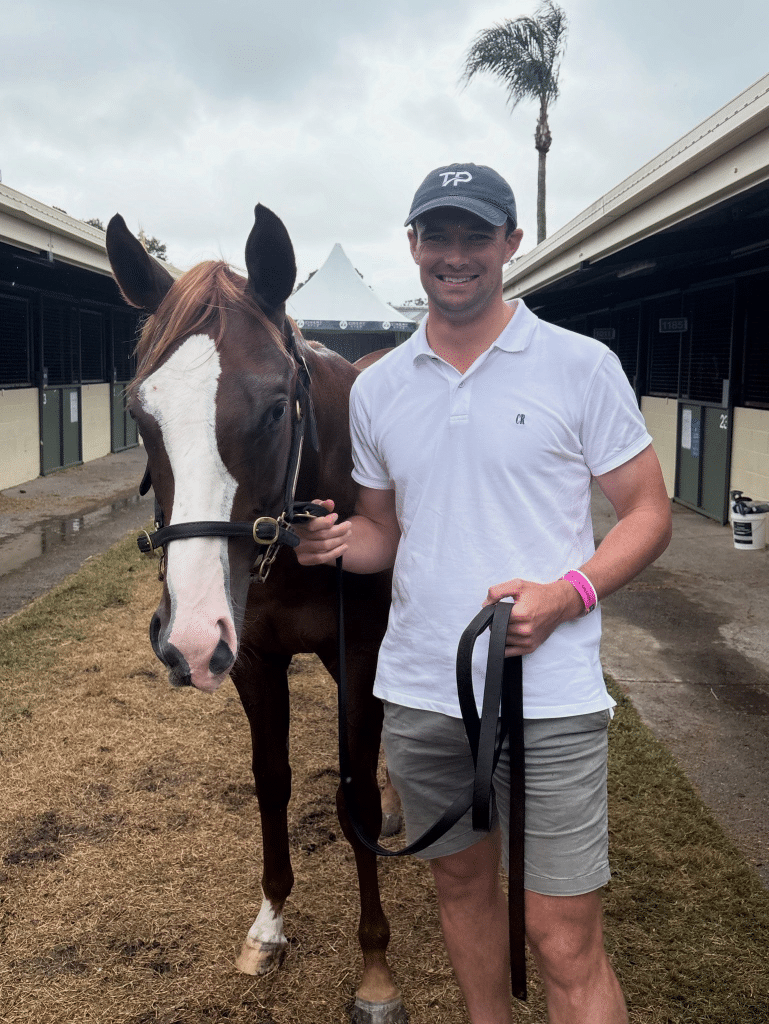
“I’m cautious by nature,” Pollard says. “I want to make sure I can syndicate the horses I buy. I want to sleep at night knowing I’m not owing a heap of money to sales companies.”
That conservative approach probably reflects Pollard’s New Zealand grounding, but he is also realistic about the need to adapt in Australia’s aggressive bloodstock market.
“If you want to be competitive, you’ve got to be buying horses,” he says. “That means yearlings as well as tried horses, because different owners want different things.”
Attracting those owners is perhaps the biggest hurdle. Pollard’s mailing list currently sits at around 100 names – a limited number by mega-stable standards.
“Some of the big trainers have databases in the tens of thousands,” he says.
“I’m trying to build it through social media. It’s small, but at least the people on it have signed up recently and are genuinely interested.”
Looking ahead, Pollard is reluctant to put a firm number on what success looks like. Growth is the goal, but not at any cost.
“I wouldn’t say I ever wanted to just be a small boutique trainer,” he says.
“I want to get bigger, but to a manageable number where you can do justice to the owners and the horses. Retention is everything. If people enjoy racing with you, they’ll come back.”
For now, the focus is on opportunity and that includes finding a horse at Karaka that will adapt to Australian racing conditions with an eye on returning in 2027 for the Karaka Millions 2YO.
“Karaka for me will be more about getting over there and shaking hands, catching up with a lot of people,” he says.
“I’m not going to be forking out big money or anything like that, but I do want to find a horse that’s probably a sharp, early type.
“I love the Karaka Millions meeting and I’d love to get a horse over for it next year. Even if you aren’t the best here in Australia, you should be able to take them back to New Zealand and be competitive in a Karaka Millions.
“So that’s sort of the plan. I’d love to see if I can get something – and a few people might be keen for that as well.”
Related Articles
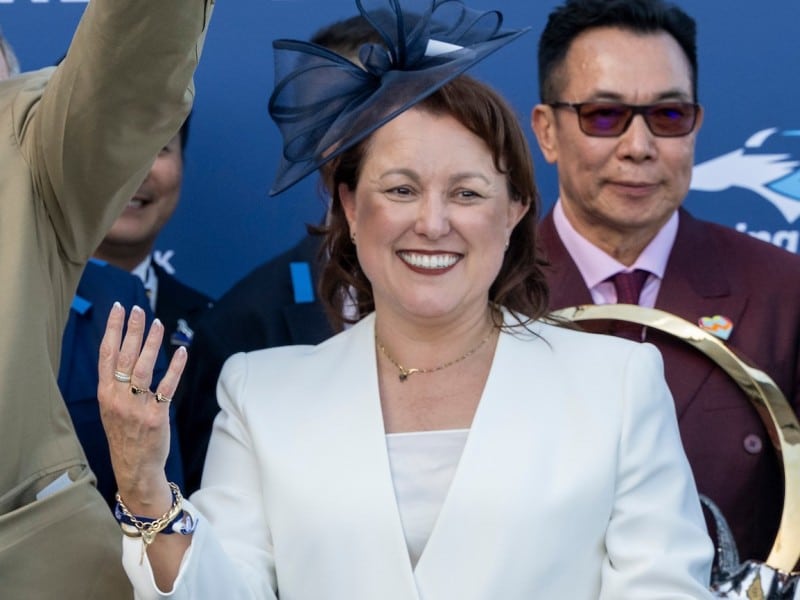
‘Record returns to the people who give this sport its heart and soul’ – Cooke spruiks NSW strength, condemns ‘agitators’
The ongoing rise in New South Wales prize money has been used by Racing NSW chairman Saranne Cooke to defend the strength of the local industry against what she described as “divisive and personality-driven politics”.

Awaiting the facts – Racing Australia publishes Fact Book after delay
Racing Australia’s Fact Book, usually published in December or January each year, has finally made an appearance on Tuesday with the industry none-the-wiser as to the reasons for its delay.
Dubai racing on hold as fallout of Iran conflict spreads
Racing in the United Arab Emirates has been temporarily suspended due to the impacts of the Middle East conflict sparked by military action by the United States and Israel against Iran.