
Cash crackdown – $5000 limit on unreported bets as AUSTRAC turns up heat on money laundering
Australian punters who wish to bet cash amounts of $5000 or more in venues or on track will now be required to produce photo identification as new anti-money-laundering laws come into effect at the end of March.
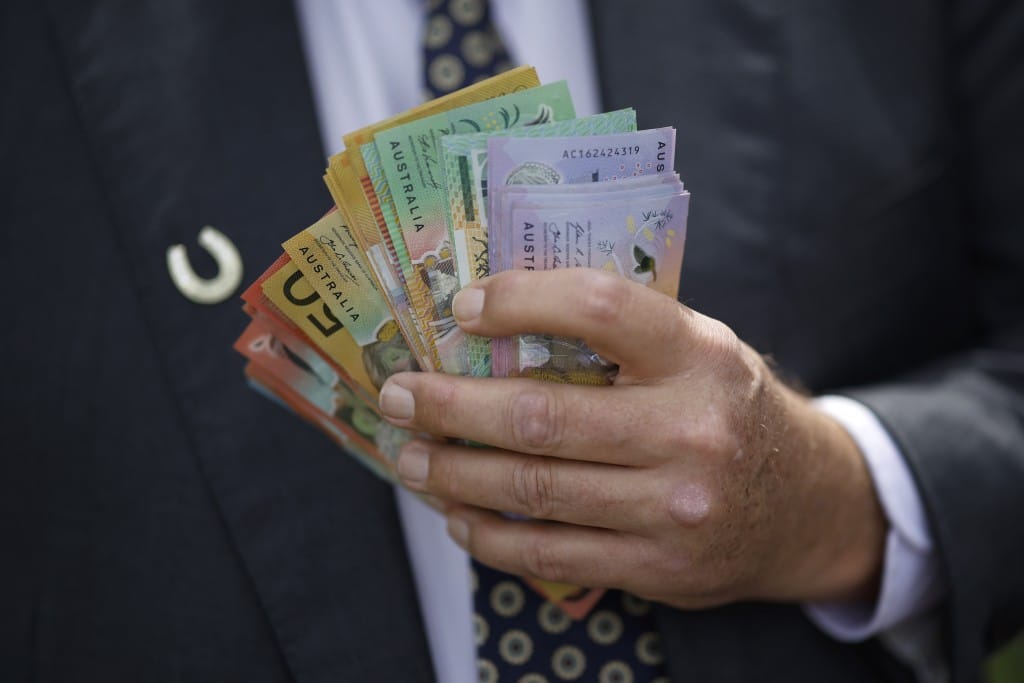
The limit on unreported cash transactions in pubs, clubs and agencies and on racecourses around Australia will be lowered to $5000, as AUSTRAC enforces tighter restrictions after its chief executive warned of the significant money laundering risks of cash betting.
Tabcorp recently issued a directive to all its venues that, effective March 31, its large-transaction threshold will be reduced from $10,000 to $5000. That means photo identification will be required for cash bettors who transact $5000 or more.
This is to comply with federal laws governing money laundering under the new AML/CTF Act, which comes into effect at the end of the month.
“These changes are being introduced to meet mandated AUSTRAC obligations and to help ensure a consistent experience across TAB retail venues,” the Tabcorp notice read.
“Staff-operated and self-service terminals will no longer process transactions of $5000 or more without the completion of a large transaction report (LTR), which includes completing customer Identity verification (IDV).”
“The new threshold will be triggered when $5000 is reached or exceeded in a terminal session through the collection of cash, scanning of a voucher and/or collection of a winning ticket.”
Under the LTR rules, AUSTRAC must be notified of any transaction exceeding the limit. Tabcorp confirmed that bets placed within the same betting session would count as a single transaction, so two bets of $2500 each would require compliance checks, including ID.
Tabcorp says its terminals will lock if a bet of more than $5000 is placed and the bet won’t be accepted until the LTR is completed. Signage is being placed at venues advising customers of the new restrictions.
Tabcorp has the exclusive license to run retail wagering in pubs, clubs and agencies across every state in Australia, except Western Australia. Tabtouch, based in WA, will need to enforce the same limits.
The Straight understands that the RWWA-operated, government-owned business has made significant changes to its practices in recent months across the board, not just in relation to cash betting, to ensure full compliance with AUSTRAC’s AML/CTF requirements.
The cash crackdown, which also applies to on-course bookmakers and gaming machine operators, comes after AUSTRAC chief executive Brendan Thomas warned the Regulating The Game conference this month of the threat posed by cash betting, which he said was an example of the systemic weaknesses in the betting ecosystem that criminals were exploiting.
“Across multiple venues, customers moved extraordinary volumes of cash – sometimes millions of dollars – through deposits and withdrawals,” Thomas said.
“We saw cash brought into venues in unconventional and alarming ways. We saw bill stuffing – large cash deposits with minimal gameplay – used to convert illicit cash into seemingly legitimate winnings. These behaviours were visible, repeatable, and highly indicative of laundering risk.”
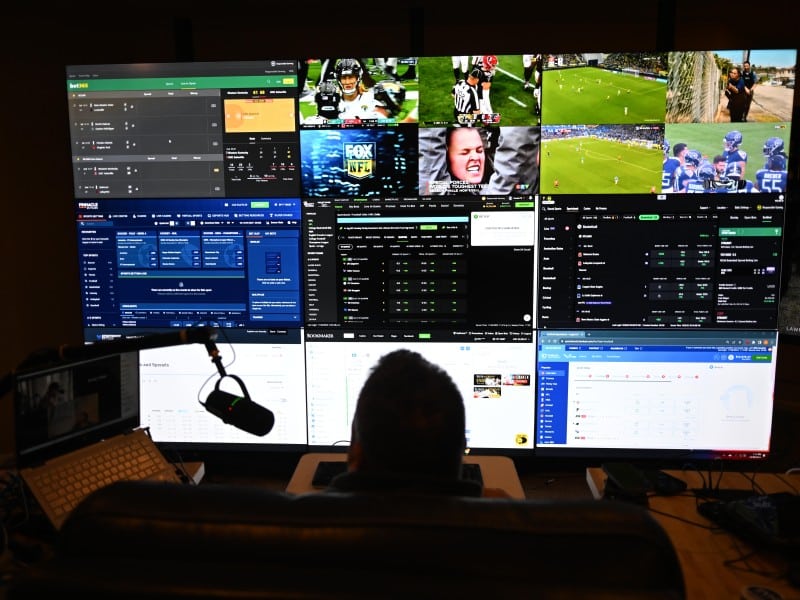
Thomas also warned of third-party betting, multiple account use and “synthetic identities” as well as “high‑risk customers with known criminal histories” who continued to gamble.
He said cash, or cash-like instruments, had enabled “tools which became powerful laundering mechanisms”.
Thomas pointed out that compliance in this environment was inconsistent and that staff often lacked clear guidance.
“Reporting failures added to the problem. Suspicious Matter Reports and Threshold Transaction Reports were delayed, missed, or not repeated despite ongoing suspicious behaviour,” he said.
Thomas said there were examples of staff taking cash-based commissions to process betting transactions about the thresholds.
“In cash‑intensive environments, weak implementation created real and persistent exposure to criminal exploitation,” he said.
“The conclusion is unavoidable. These risks were significant. They were known. And they were realised in practice.”

Thomas said the onus was on the wagering operators to make the necessary changes to ensure compliance.
“Implementation plans must be credible. They must identify gaps, explain why they exist, set realistic timelines, and assign accountability. They must be endorsed by senior management and the board. That endorsement matters. It signals ownership,” he said.
“AUSTRAC will take a proportionate approach where businesses demonstrate genuine effort. But where risks remain unmanaged, regulatory action will follow.
“This reform is not about paperwork. It is about outcomes. It is about stronger detection, better controls, and more resilient systems—particularly in cash‑intensive environments.”
Author

Related Articles
🔒 🔒 One in five Australian NFL fans now bet on the sport – Does a game on home soil change that?
A 1.7 million-strong Australian NFL audience, a Melbourne regular-season game and a Super Bowl-winning punter from Sydney have given bookmakers a new recurring market. So how big is the NFL betting market in Australia?

🔒 🔒 The other side of betting – exchanging views on Betfair’s 20 years in Australia
From legal clashes to extraordinary in-play swings, Betfair’s 20-year Australian journey has been anything but straightforward, with the exchange surviving attempts to constrain its model and reshape wagering.
🔒 🔒 Racing, red flags, risk and responsible gambling
High-frequency betting on racing remains one of the major compliance and responsible gambling concerns of Australia’s corporate bookmakers, with the issue put on the agenda at a recent industry conference.
