
Run The Numbers – all the facts and figures from the Inglis Classic Sale
Expectations of a difficult Inglis Classic Sale for those trying to sell yearlings proved unfounded, although the final statistics do indicate there is some softness in the market.
First the good news for Inglis. The overall sale average in the first year of returning to a single book was only slightly down year on year, from $93,959 to $93,149.
The sale aggregate of just over $55.6 million, while down 10.3 per cent year on year, still represented the fifth best for a Classic sale, and was largely on par with the yearling sale’s average gross receipts since 2018.
The statistics that were less flattering when compared to recent years related to the volume of horses sold. With 597 yearlings changing hands (as of 3pm the day after the sale), that represents the fewest transactions at a Classic Sale since 2017.
Meanwhile, the 124 horses passed in over the three days was the most at a Classic Sale since the bumper-sized 2019 edition which had 205 additional horses catalogued. The overall effect of that is a clearance rate of 82.8 per cent, the lowest at a Classic Sale since 2013.
It is worth noting that the clearance rate may improve over the coming days as more horses are sold, but it will still fall short of the seven-year Inglis Classic average clearance of 88.3 per cent.
It’s reflective of a broader downward trend of clearance rates over the past couple of seasons from when they regularly exceeded 90 per cent through the pandemic boom.
Inglis Classic Sale results
*data from Arion/Inglis
The market tolerance for imperfections in type has lowered, or as one renowned vendor put it “if you bring a horse here with a bit of a leg issue, they just won’t sell, but outside of that, it’s still very good”.
The profile of this year’s sale, and that of the entirety of the 2023 catalogue, across Book 1 and Highway catalogues, was similar. As mentioned, little separated the averages, while the median was the same. Where the difference did come is at either end of the market.
The top end was not as strong, with 53 horses sold for $200,000 or more compared to 73 in the 2023 edition. At the bottom end, 97 horses sold for $30,000 or less this year, while last year that figure stood at 123.
In the middle ground, between those two price points, the sales statistics were similar. The average price of those 447 horses sold this year between $30,000 and $200,000 was $88,116, while last year, across 465 yearlings on that range, it was slightly less at $85.492.
That middle market, made up largely of trainers, traders and syndicators, is still consistent, and is a lynchpin in the Australian bloodstock industry.
Buyer location data can prove tricky, but year-on-year comparisons show that the biggest fall in that department came from Victoria, whose investment fell $4.7 million, or 27 per cent.
That came off a circa $5 million drop in Victorian investment at Magic Millions on the Gold Coast. That’s a bit of a worry ahead of the Premier sale, but Inglis will be hoping the Victorians are saving their money for their home sale early next month.
NSW spending was only slightly down – 3 per cent, while Queensland dropped 16.2 per cent. However, West Australian buyers stepped up with a 226 per cent surge.
 Bren O’Brien
Overall Hong Kong spending dropped marginally, off 7 per cent but not surprising considering the sale coincided with the Chinese New Year.
But overall overseas spending grew thanks largely to New Zealand which increased its aggregate to $3.85 million, up 48.2 per cent.
The drop in Victorian investment aside, it’s hard to read too much into those locality numbers off the back of one sale.
The Classic Sale results do confirm that it is harder to sell a horse than it was 12 months ago, and certainly two years back, but the market has not dropped off anywhere near as much has been feared.
With a more positive sentiment in the broader economy, there are certainly plenty of reasons for buyers to continue to invest, albeit with a much more cautious approach than they have over the past three years.
Author

Related Articles
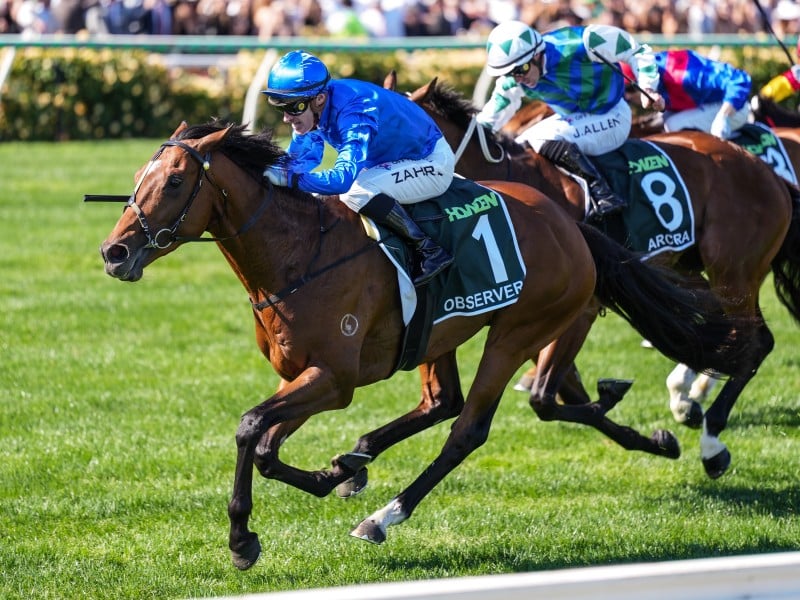
Colic surgery sidelines dual Group 1 winner Observer from stud duties
Darley’s first-season stallion Observer will be rested from stallion duties after an early diagnosis led to surgery overnight, with no date set for his return.
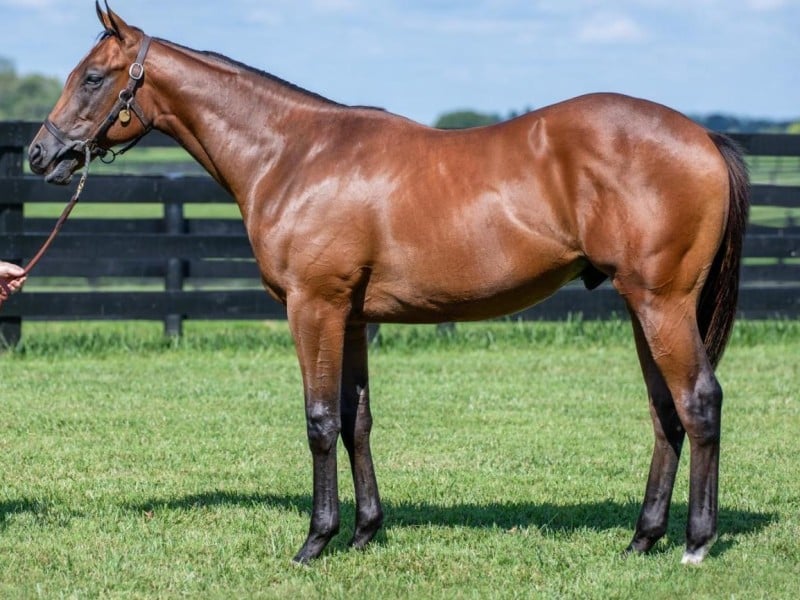
Houtzen colt makes US$750,000 as Keeneland strength continues
RTM Racing secured the Not This Time colt out of Houtzen for Libyan partnership Tagermeen Racing during a fourth session that took Keeneland September’s four-day gross beyond US$318 million (AU$447 million).
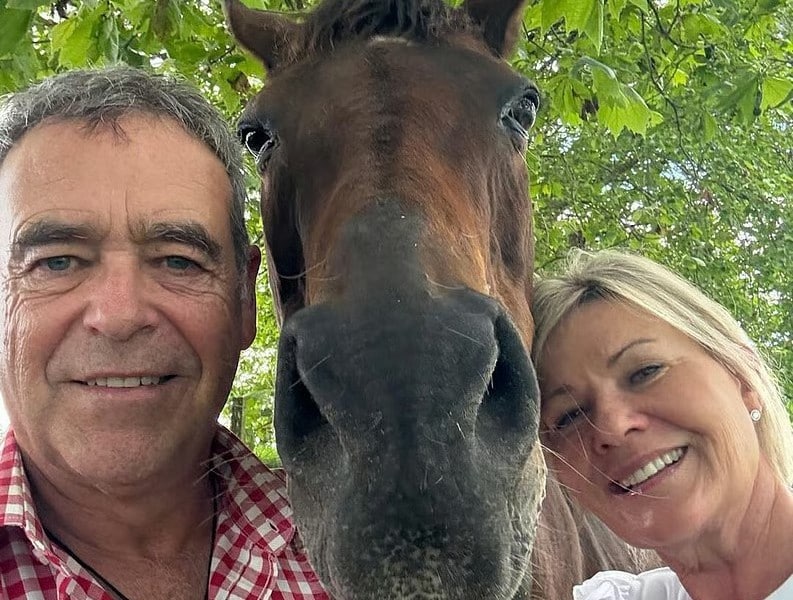
Trelawney Stud blue hen Sayyida dies aged 26
The New Zealand Broodmare of the Year produced five-time Group 1 winner Ocean Park and established a family that remains central to Trelawney’s broodmare band.
