
Contrasting states and confounding statements – POCT projection lotto rolls on in NSW and Queensland
The NSW government is expecting a $170 million shortfall on previously projected Point Of Consumption Tax revenues over the next four years, but Queensland is expecting its betting taxes to increase over the same period.
While the two states have different Point of Consumption Tax regimes, with Queensland charging 20 per cent and NSW 15 per cent, they are both subject to broader industry trends that have seen turnover on wagering, especially racing, continue to slump.
NSW Treasury modelling has accounted for this, projecting POCT revenue to fall for the first time, to $284 million this financial year, $36 million lower than was initially budgeted.
Accordingly, it is expected to fall short on last year’s forward estimate projections by $40 million in 2025/26, $45 million in 2026/27 and $49 million in 2027/28.
That equates to $170 million less in revenue from wagering-based consumption tax across four years than was expected.
This will have a significant impact on funding flowing through to the racing codes, which take 30 per cent of revenue from the government. Based on that pass-through rate, across those four years, funding will be $51 million less than projected last year.
NSW treasurer Daniel Mookhey and the treasury appears to have now got a much better hold on the trend of POCT revenues. Their original projection in his first budget in 2023 was for 2024/25 revenue to be $418 million, or $134 million more than was eventually received.
However, there was a slightly baffling reason given for the revision of the gambling tax projections.
“Over the four years to 2028-29, revenue has been revised down by $179.6 million compared to the 2024-25 Half-Yearly Review,” the budget papers said.
“This is primarily due to softer growth in online wagering activity as consumers transition back to physical locations following the pandemic and weaker forecast casino activity.”
Beyond the end of lockdowns in 2022, there has been no indication that wagering consumers are moving back to “physical locations”.
Meanwhile, the new Crisafulli government has continued Queensland’s bullish stance on its POCT revenues, of which 80 per cent flows back to the racing industry.
Former treasurer Cameron Dick was heavily criticised by wagering figures for projecting a $293 million return for the 2024/25 financial year in last year’s budget.
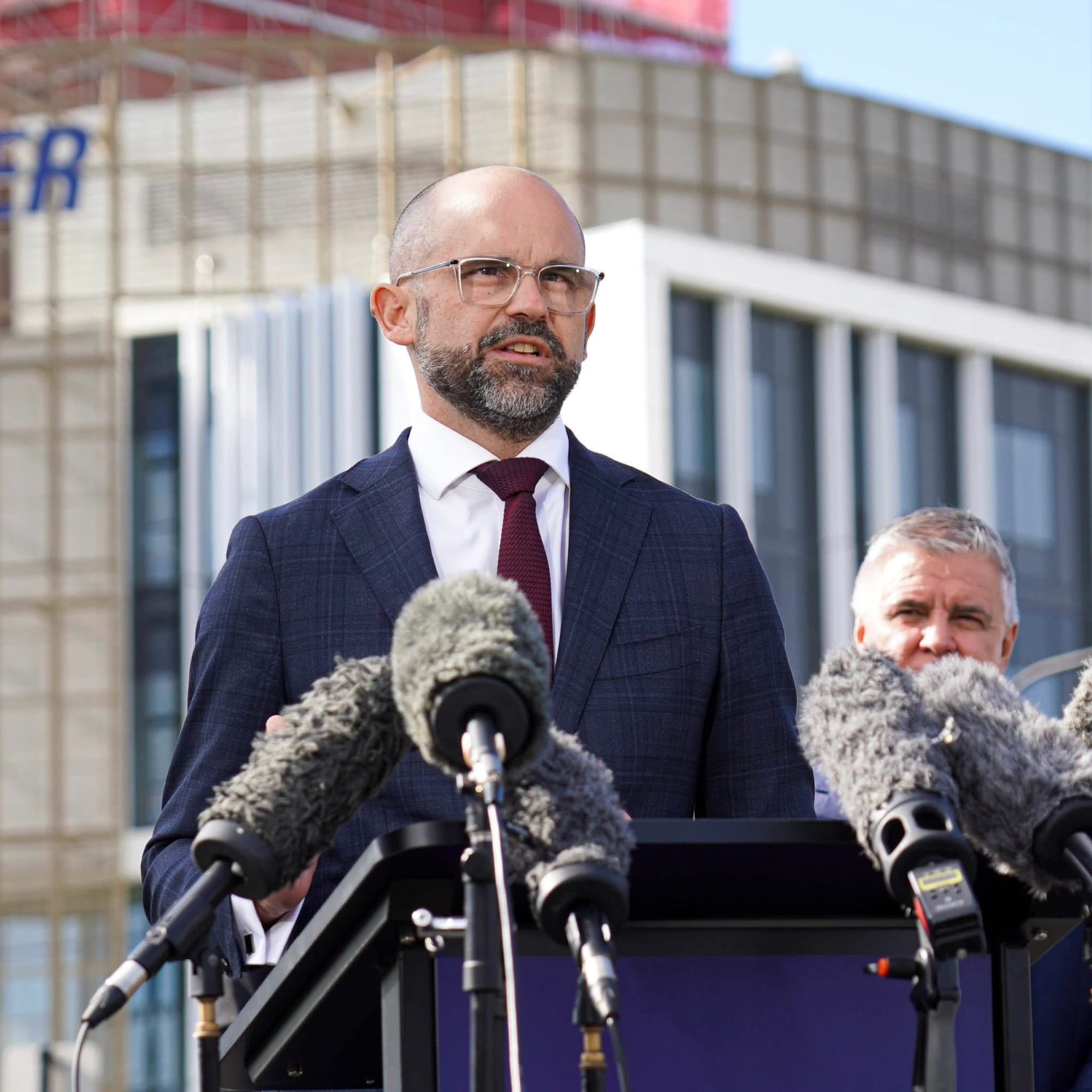
In David Janetzki’s first budget, Treasury has said that will be exceeded by $10 million this year and has revised upwards the returns of what it terms “Betting Tax”, for the next three years.
While Dick’s projected $1.221 billion betting tax returns from this and the next three years were lampooned, Janetzki has revised that number up to $1.261 million with another $336 million to come in 2028/29.
With the Betting Tax making up almost all of Racing Queensland’s funding allocation, racing was largely absent from the budget, but the government did confirm it was spending $1 million on the state’s current racing review.
Due to be handed to Racing Minister Tim Mander later in the year, it is expected to have a major impact on how the future of racing in the state is managed.
The NSW budget was also devoid of significant news on the racing industry, with an announcement on the future of the Tabcorp-funding model expected to be made at the end of 2025.
Author

Related Articles
RWWA to hold prize money steady as government industry review looms
West Australian participants have been guaranteed that prize money will be retained at current levels through the 2026/2027 racing season.
ATC looks to boost board numbers ahead of Racing NSW legal stoush
As it prepares for its ongoing fight to stay out of administration, the Australian Turf Club is in the process of appointing a new member-elected director to its four-person board.
Extreme choices – B2B decision revisited as $1.7 million colt set to debut in Canonbury Stakes
An unraced $1.7 million brother to Apocalyptic and a filly that is likely to cross paths with the Group 1 winner will play important roles in shaping the autumn narrative and fortunes for Ricky Surace Jr and B2B Thoroughbreds.