
🔒 🔒 Cost-conscious Racing Victoria returns to surplus despite 2.8 per cent turnover drop
A $21.4 million reduction in costs over the past two years has seen Racing Victoria return to $773,000 surplus, the first positive financial result since Aaron Morrison assumed the role of chief executive in 2024.
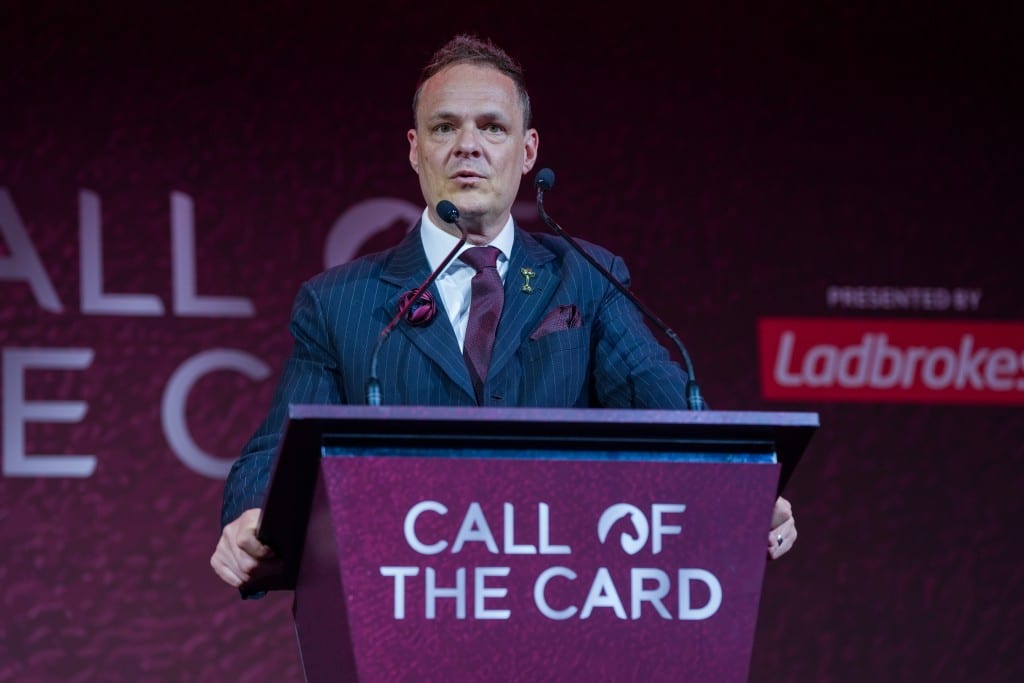
Racing Victoria (RV) has cut its cloth and weathered a further wagering downturn by reducing its costs, returning to surplus after two years of deficits with a net result of $773,000 for the 2025/26 financial year.
RV’s annual report was released on Wednesday and records a normalised surplus of $3.101 million, compared with a normalised deficit of $2.699 million and a reported deficit of $8.885 million in FY25, which followed the FY24 loss that ended an 11-year run of surpluses.
Revenue across the year rose 1 per cent to $531.88 million in the first full year of the funding framework that replaced the VicTAB joint venture in August 2024, while total expenditure fell to $530.751 million from $533.498 million.
Racing Victoria undertook major changes to resourcing in mid-2025, as part of an 11 per cent reduction in headcount sicne 2024.
The full effect of those changes was felt in this report as operational expenditure dropped $12.15 million, or 9.8 per cent, to $111.3 million, with a gross saving for the year of $7.91 million.
Turnover on Victorian thoroughbred racing was $7.39 billion, down 2.8 per cent, with 18 fewer meetings programmed and 194 fewer races run.
In a boast aimed at its northern neighbours, RV said Victorian wagering remained at least 15 per cent ahead of any other jurisdiction, as underlying average turnover per TAB race rose 0.7 per cent.
Average turnover per metropolitan race rose 3.6 per cent, while the country figure fell 1.1 per cent.
However, while turnover grew 1 per cent in the first half of the financial year, it fell 7.9 per cent in the first six months of 2026.
RV attributed the decline to fewer races, wet tracks, results unfavourable to punters, meetings transferred from The Valley and the broader economy.
Race fields income still rose 2.2 per cent to $228.8 million, helped by the full-year effect of fee model changes made in FY25. Point of Consumption Tax distributions reached $129.8 million, a rise RV attributed to one-off auditing by the Department of Treasury and Finance.
The participant base contracted alongside the program. Training stables with a starter fell to 847 from 877, individual horses to race dropped 3.8 per cent to 8752, and the number of people with an ownership interest fell to 61,762 from 64,706.
The media business, in its first full year inside RV’s corporate structure, saw revenue ease 2.7 per cent to $83.1 million, but new supply chain arrangements cut media services spending by $6.1 million to $54.4 million, lifting its operating surplus before club media rights payments, depreciation and amortisation by 15.4 per cent to $28.7 million. Media rights payments to clubs rose $2.2 million to $33 million.
“Looking back, FY26 marked the point at which the work of the past few years translated into a positive financial result,” Racing Victoria chief executive Aaron Morrison said.
“We returned the business to surplus, exceeded our operational savings target and continued to invest strongly in the areas that matter most to our industry including prize money, club funding, integrity, and the welfare of our participants, both human and equine.”
The combined amount of prize money and VOBIS bonuses available was again around $316 million, in line with the previous year. Prize money paid was $281.7 million, up 0.3 per cent, and with $8.2 million in claimed VOBIS bonuses the total reached $289.9 million, up 0.5 per cent. RV’s own contribution increased by $209,000 to $265.97 million.
Country prize money paid was unchanged at $105.1 million, while the number of country races fell 4.1 per cent to 3,037. Metropolitan prize money paid rose 0.6 per cent to $175.8 million, while picnic prize money fell 13 per cent to $0.9 million.
Industry and participant support rose 9.5 per cent to $40.3 million, driven by higher jockey WorkCover claims, more than $900,000 in fuel relief, the new owners’ digital ticketing platform and bushfire assistance.
Club funding increased 1.6 per cent to $91.42 million and infrastructure spending 28.2 per cent to $6.57 million. RV said expenditure for owners, participants and clubs represented 76 per cent of revenue.
“Our FY27 priorities are clear: growing audiences through content-led promotion; maintaining fair, safe and trusted racing; advocating for appropriate commercial and regulatory settings; and operating a disciplined business that maximises participant returns,” Morrison wrote.
“With racing revenue hard-won, we will work with clubs to reduce industry duplication and redirect more value to participants and growth.”
The report revealed about 84 per cent of RV’s revenue is linked to wagering, and with federal gambling advertising restrictions starting on January 1, 2027, there is some short-term uncertainty.
RV says racing broadcasts, channels and simulcasts are protected, but the directors state that the financial impact of the reforms “cannot presently be determined with reasonable certainty”.
Author

Related Articles
Moonee Valley AGM welcomes McGrath to committee as club’s 2025/26 accounts go to members
The confirmation of Michael McGrath’s appointment to the Moonee Valley Racing Club committee and the club’s 2025/26 annual report were on the agenda at this week’s annual general meeting.
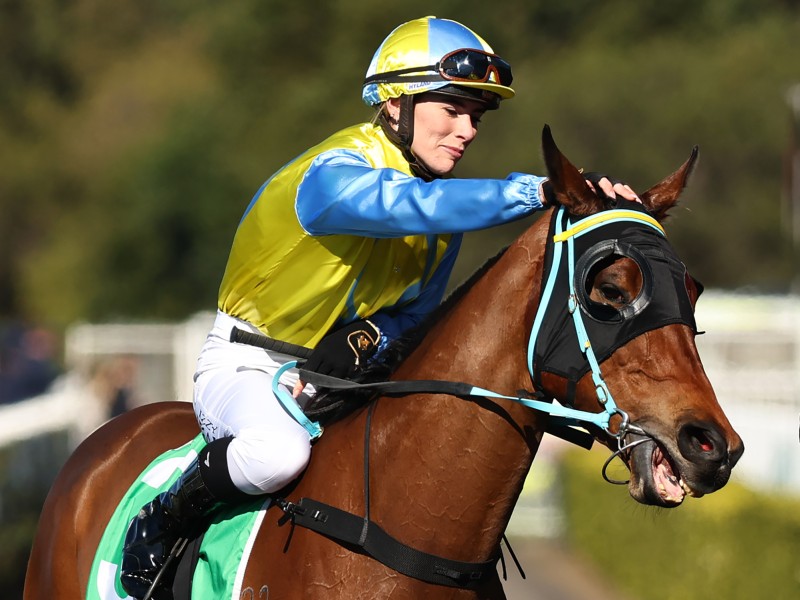
Izzy Neale dies two days after Warren race fall
The family of jockey Izzy Neale has confirmed her death at age 22, two days after a race fall at Warren on Sunday.
🔒 🔒 Post-spring power struggle looms as Kanga upends the VRC’s best-laid plans
The Victoria Racing Club’s plans for a smooth board transition have been upended by John Kanga’s entry into its member election, but is the pending political drama at Flemington a sign of a broader struggle for influence in the Victorian industry?
