
Whittingham crunches the numbers as breeding venture takes shape
In an era of thoroughbred breeding where the small guys are falling away, what does it take for a new, boutique operator to nudge into the yearling landscape?
When the big farms are only getting bigger, and the gap to the small farms is getting wider, who in their right mind would want to start a business breeding thoroughbreds, and can it work on a small scale?
These are the questions that have faced Adrian Whittingham over the past few years, a man whose new business is the boutique breeding operation Cross Park. This month, the first green shoots of his venture became obvious when he sold his first commercial yearling at the Inglis Classic Sale.
“It was bittersweet,” Whittingham told The Straight. “And bittersweet because part of me was thinking she’d be passed in and we’d keep her, and I actually wouldn’t have minded if that had happened.”
Whittingham almost got his wish.
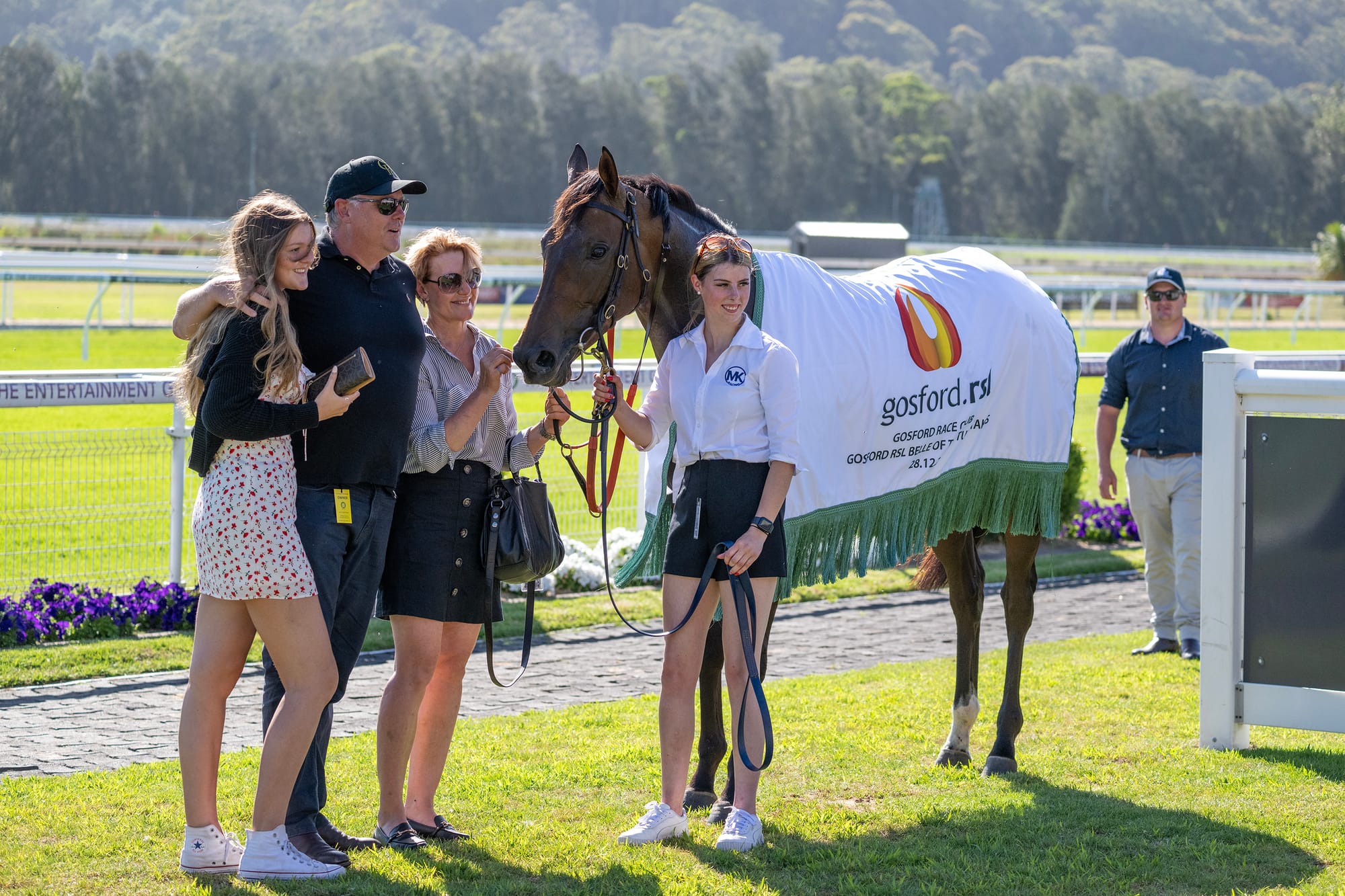
At Riverside, Lot 127, an Astern filly from the former Godolphin mare Bollywood, was passed in with a reserve of $80,000. The underbidder, at $75,000, was Western Australia trainer Simon Miller.
“Selling her depended on who the underbidder was, and when they told me it was Simon Miller, I was delighted to sell her for $75,000,” Whittingham says. “I’m really happy she’s going to WA because she was a lovely filly, and now it’s down to so many of those variables in racing that we all talk about.”
Up until three years ago, Whittingham’s dabbles in bloodstock were under the moniker ‘Honeycomb Stud’. It wasn’t a physical property, just a business name.
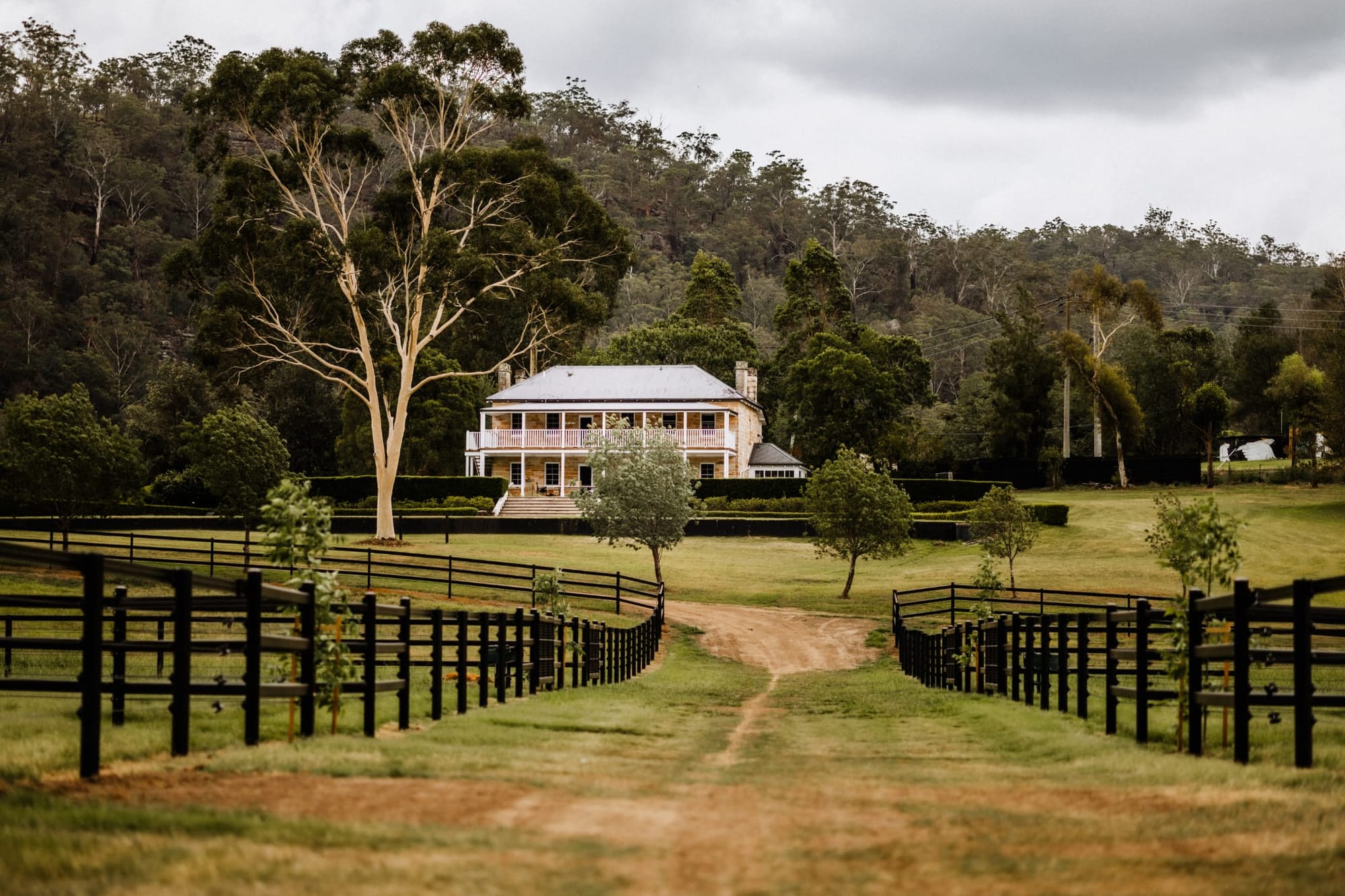
But late in 2020, Whittingham moved on an old, historical property that came on the market in the Hawkesbury region of Wisemans Ferry. It was Cross Park, convict-built in 1832 and replete with the lovely sandstone trimmings of an old working farm.
Set on 150 acres and a 3km bend of the Macdonald River, the property had spent many years as an equestrian facility and it came with stabling, fences, round yards and a bushranger’s vista.
Cross Park was for sale for just four days before Whittingham signed on the dotted line. It was perfect for what he wanted; a boutique breeding facility that would accommodate around 30 mares, the bulk his own.
He didn’t, and still doesn’t, have any plans to outgrow his ambitions though. He wants to keep numbers small and expectations reasonable. In other words, he’s not out to become the next John Messara.
“Cross Park, for me, was about being closer to the animal,” Whittingham says. “When you race and then breed, and all your stock is in Scone and you live in Sydney, you don’t get to see it very often, and I like to be part of the process.
“By having a farm I get to be closer to the product, to the animal, and I’m learning. I’m learning all the time. I’m not a natural from the industry and, even though I’ve been in it for about 15 years now, I’m a long way behind a lot of other people.”
Whittingham has been involved with such racehorses as the champion Verry Elleegant, Matriarch Stakes winner Deny Knowledge and Group Three-winning homebred Le Lude. The news of Verry Elleegant’s death in Ireland this week hit him particularly hard.
 Bren O’Brien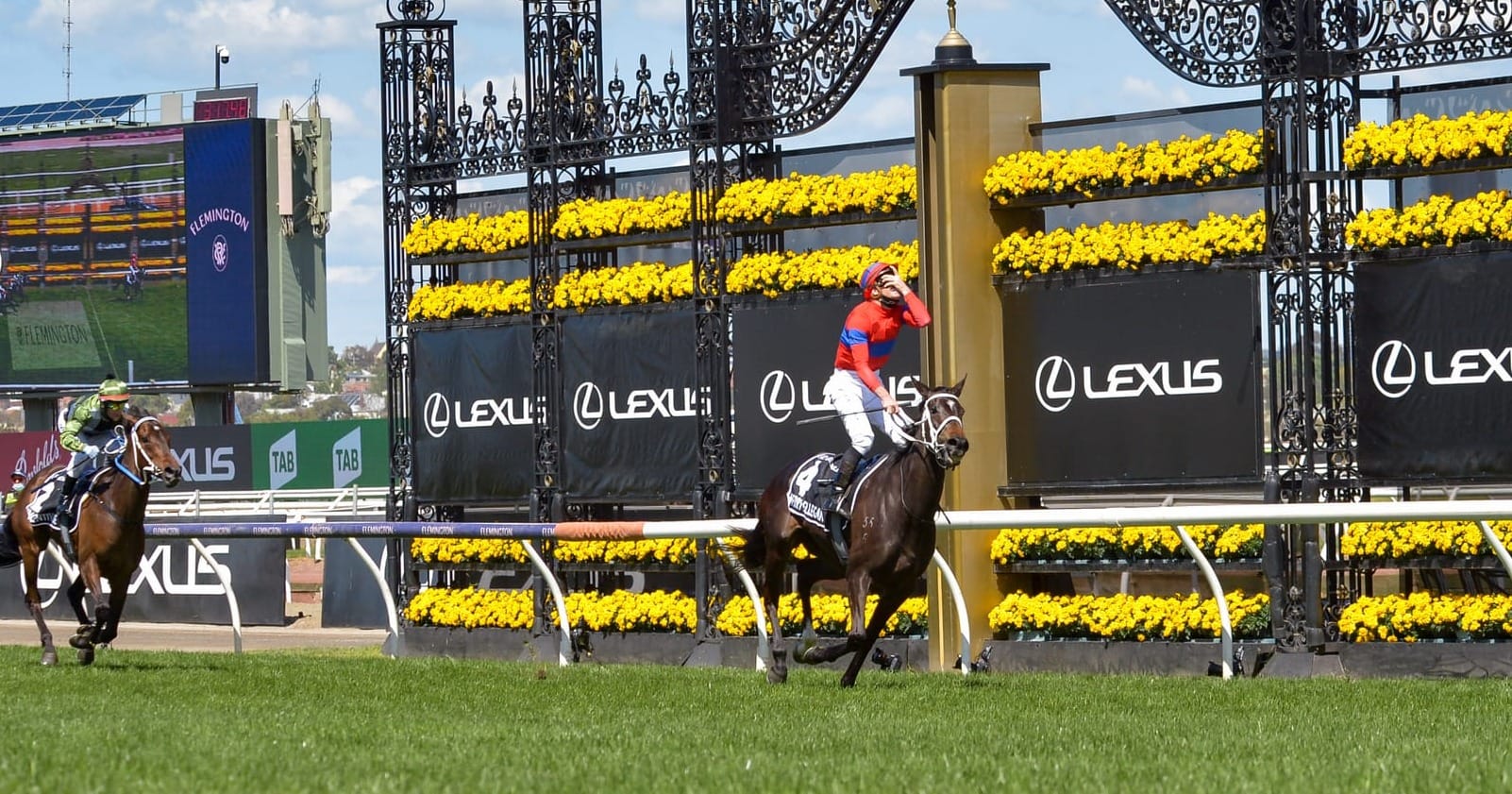
Professionally, however, he works in financial markets. He is a managing director of Scarcity Partners and was the former head of distribution at Pinnacle Investment Management. It’s the kind of career that can return well, and probably what’s given him the financial cushion to breed thoroughbreds and buy a horse farm.
But raising racehorses is expensive. Whittingham doesn’t have to be told that while the million-dollar yearlings light up the headlines year-round, they’re not the bread and butter of the industry. That honour belongs firmly with medium to small breeders, who have disappeared at an alarming rate in Australia over the past 50 years.
Does it worry him as Cross Park enters the fray?
“It really does,” he says. “The rising costs of everything mean that we are losing the smaller breeder, and I think that’s a real shame because it’s often the smaller breeder that will try the more interesting stallions, the stallions that might be less inclined to produce a sales horse but might produce a bloody good racehorse.
“That’s how some of our stallions have been found in this country, when they were unfashionable but might have just kept producing outstanding horses.
“But the other aspect of this is that we’re going to have a shrinking foal crop, and recent sales results have suggested that the market is coming off. Across the board then, stallion fees are going to need to come off probably 10 to 20 per cent.”
Whittingham concedes that the top stallions will hold their price, but that’s presuming Cross Park, and others like it, have the clout to afford the I Am Invincibles and Extreme Choices with mares that might not yet cut that kind of mustard. This season, Bollywood, the dam of the Astern filly which sold at Classic, went to The Autumn Sun, who is standing at Arrowfield for $66,000.
“It kind of comes back to that ‘breeding for the sale ring’ argument,” Whittingham says. “If the small breeder doesn’t get the odd win in the ring, or even just breeders generally, then you’re going to have a shrinking foal crop. It might be fine now, but wait five to seven years and this problem is going to be magnified a lot.”
Possibly because Whittingham works in asset management, and definitely because he gets numbers, the risks of breeding racehorses on a small scale did not outweigh his desire to have a stake in the game.
Cross Park will remain boutique, and its studmaster will always chase value. Bollywood is one such example because he bought that mare at auction two years ago, in foal to Astern. She cost $35,000 as a package deal which, as broodmare prices go, was a bargain.
“We’re not afraid to spend up at a sale, but sometimes you don’t need to,” Whittingham says. “Bollywood was a fantastic type so we do try to find value, rather than just pay big dollars. It’s not quite the Moneyball theory, but if you’re just paying big dollars, ultimately it’s going to sting.”
If there’s a fine line here, Whittingham knows it. He has brought a number of broodmares out from England, which is never a cheap exercise.
“I would say we’re value-conscious but we’re not deep value or cheap,” he adds.
Next year, Cross Park will have 10 yearlings heading to commercial sale rings. That’s a ten-fold year-on-year increase, but about where Whittingham wants to be with northwards of 30 horses.
I’m not a natural from the industry and, even though I’ve been in it for about 15 years now, I’m a long way behind a lot of other people”- Adrian Whittingham
When he looks ahead 15 years, his first interpretation of still being in business is that Cross Park will be paying for itself, and that’s all he wants.
“That old saying that if you’re doing something you love … it’s definitely how I see things,” he says. “Although it does give you heartburn. It’s definitely more expensive than I expected, but it’s what you need to do to do it properly, and I always want to do things properly.”
Related Articles
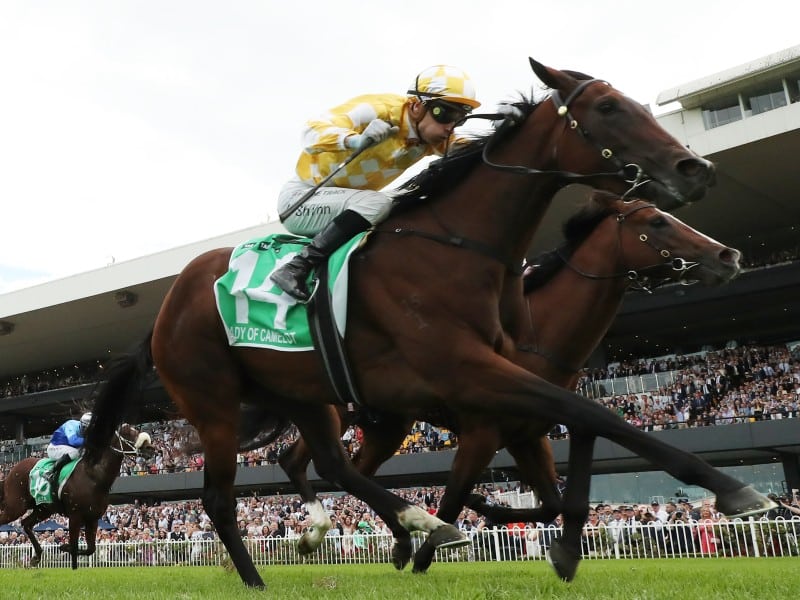
🔒 🔒 Lady Of Camelot deal still on the table as date with Extreme Choice looms
Sir Owen Glenn remains hopeful of selling Golden Slipper winner Lady Of Camelot but if not, the star mare could be among a star-studded first book for Go Bloodstock’s multiple Group 1-winning stallion Sir Delius in 2027.
🔒 🔒 ASIC raises syndicator limits but retains licence and disclosure rules
Horse racing syndicates can now raise up to $750,000 and accommodate up to 75 owners under a revamped ASIC regime, though regulators have retained strict licensing, disclosure, and governance obligations.
Run The Numbers – The elevated state of the global yearling market
With US$536 million spent across 12 sessions, the recently completed Keeneland September Sale was the highest-grossing yearling sale in history. Run The Numbers looks at whether it speaks only to the American market or reflects a broader global demand for elite bloodstock.
