
Easter edge: Peter O’Brien on the Winx filly and shopping smart
Segenhoe’s Peter O’Brien chats to Jessica Owers about the ups and down of the yearling market, Winx’s much-anticipated filly and the recipe for success at the Inglis Easter Yearling Sale.
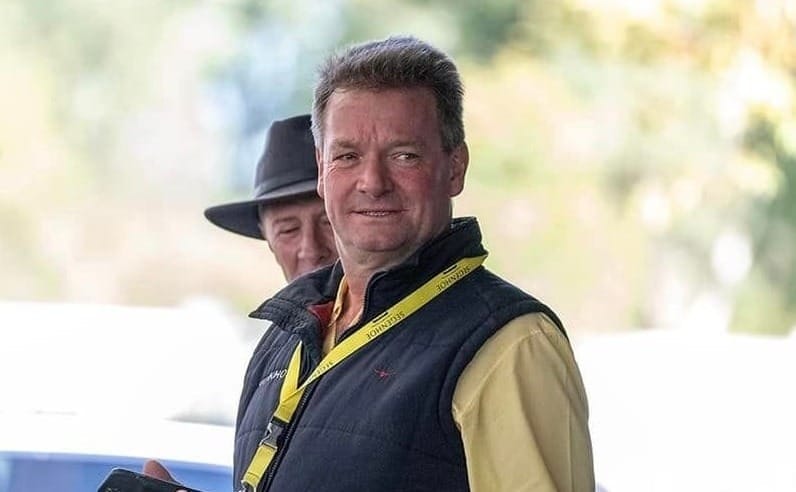
“You can quote me on this story if you like,” Peter O’Brien tells The Straight. “It’s probably the worst memory I have of any Easter Sale.”
In 2003, when Inglis’s famous Easter Sale was still at its old Newmarket headquarters in south Randwick, one of the last crops of Danehill was on the agenda.
Two colts, both by the Coolmore stallion, had gone unsold through the sale ring, and in the Coolmore tent nearby were the Irishman O’Brien and his closest ally, John Camilleri.
Camilleri was looking for a Danehill colt. It was a month before the death of the champion stallion, but he’d already stopped shuttling to Australia, meaning that this was the penultimate crop of Australian-conceived Danehills to the market.
“John asked me to choose between the two colts that had passed in, and they were both nice yearlings,” O’Brien says. “I chose the one from the mare Enlightenment, who was later named Matador, and the other one was Fastnet Rock.”
Twenty years later, O’Brien still twitches about his decision, which surely must pop up in friendly banter with Camilleri at times?
“Rarely”, he says. “Remember, I also advised John to sell Winx!”
If O’Brien could do his time over again, he would choose Fastnet Rock over Matador. The latter raced out his career in Western Australia while the other Danehill changed the fortunes of Australian bloodstock, becoming champion racehorse and champion stallion.
And rather than advise Camilleri to sell Winx, whom Camilleri bred in 2011, O’Brien, then at Coolmore, would revise history to send the filly to Easter in 2013 instead of Magic Millions in January of that year..
“In fairness to Winx, I made a mistake with her. I put her in the wrong sale,” O’Brien says. “She should have gone to Easter and she would have looked that bit better because at the Magic Millions, she just looked a bit immature.”
Winx isn’t far from anyone’s lips this week as her first and only foal to date, a Pierro filly, is in line for sale on Monday. If anyone knows this family, it’s Peter O’Brien, now the general manager of Segenhoe Stud in the Hunter Valley, was on-hand at Coolmore the day Winx was born.
“In fairness to Winx, I made a mistake with her. I put her in the wrong sale.” – Peter O’Brien
He’s seen the Pierro filly, Lot 391, with his own eyes at Coolmore and he is adamant she is a gorgeous yearling.
“There is a lot of the mother in her, especially in her head. She definitely has more substance in her than Winx had at the same stage, and she’d be a much better mover than Winx was at the same stage.
“She’s an absolute gem, but who will buy her? You can count on one hand who will be able to afford her.”
The spin around these expensive, headline yearlings is always positive, as it was in 2013 when the Redoute’s Choice half-brother to Black Caviar sold for $5 million at Easter.
With such dollars again being suggested this week, would anyone say if Winx’s Pierro filly wasn’t up to scratch?
“I would say yes, they would,” O’Brien says. “But in fairness to this filly, she is a beautiful yearling. She really is. She deserves to sell very well.”
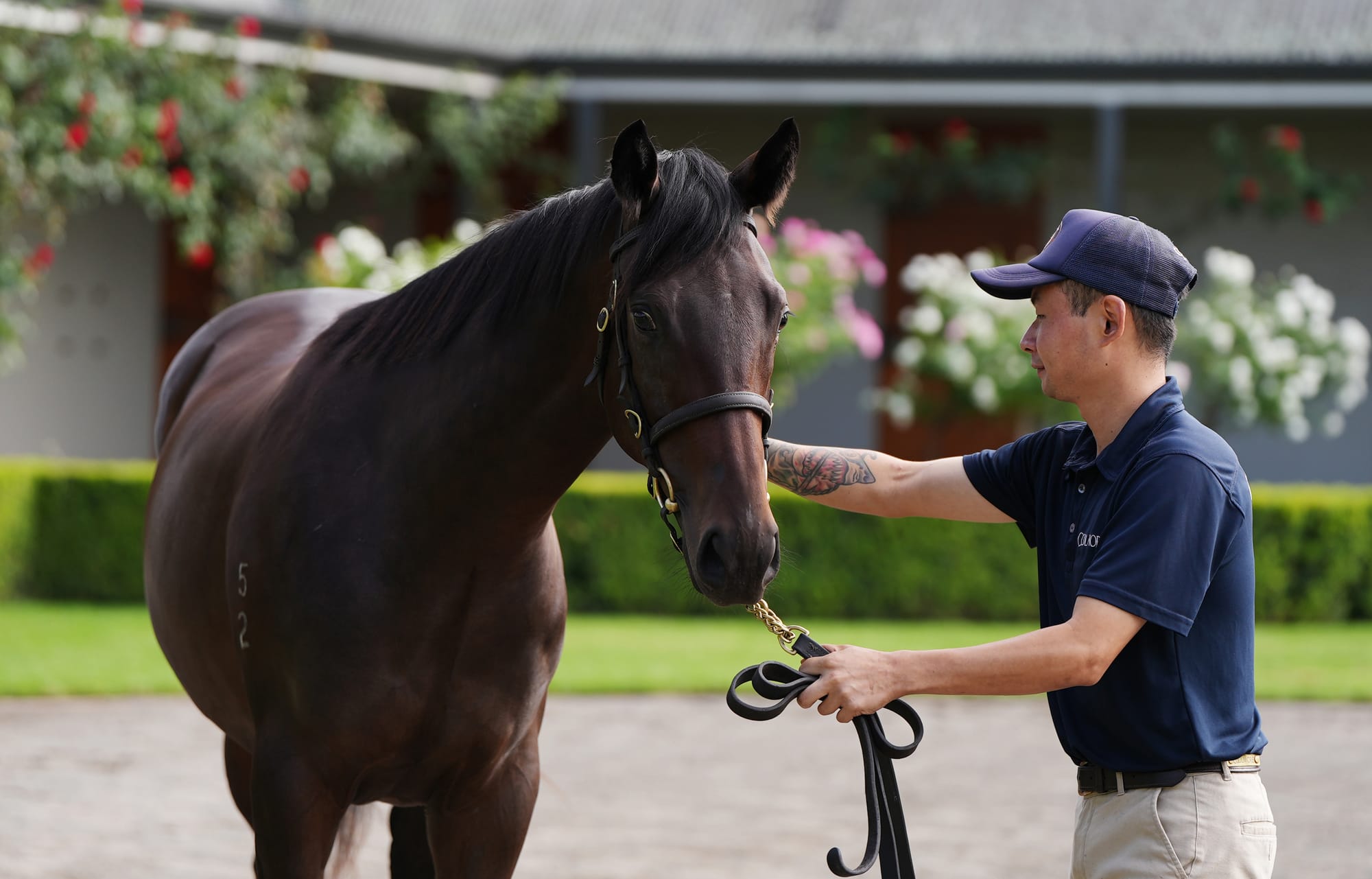
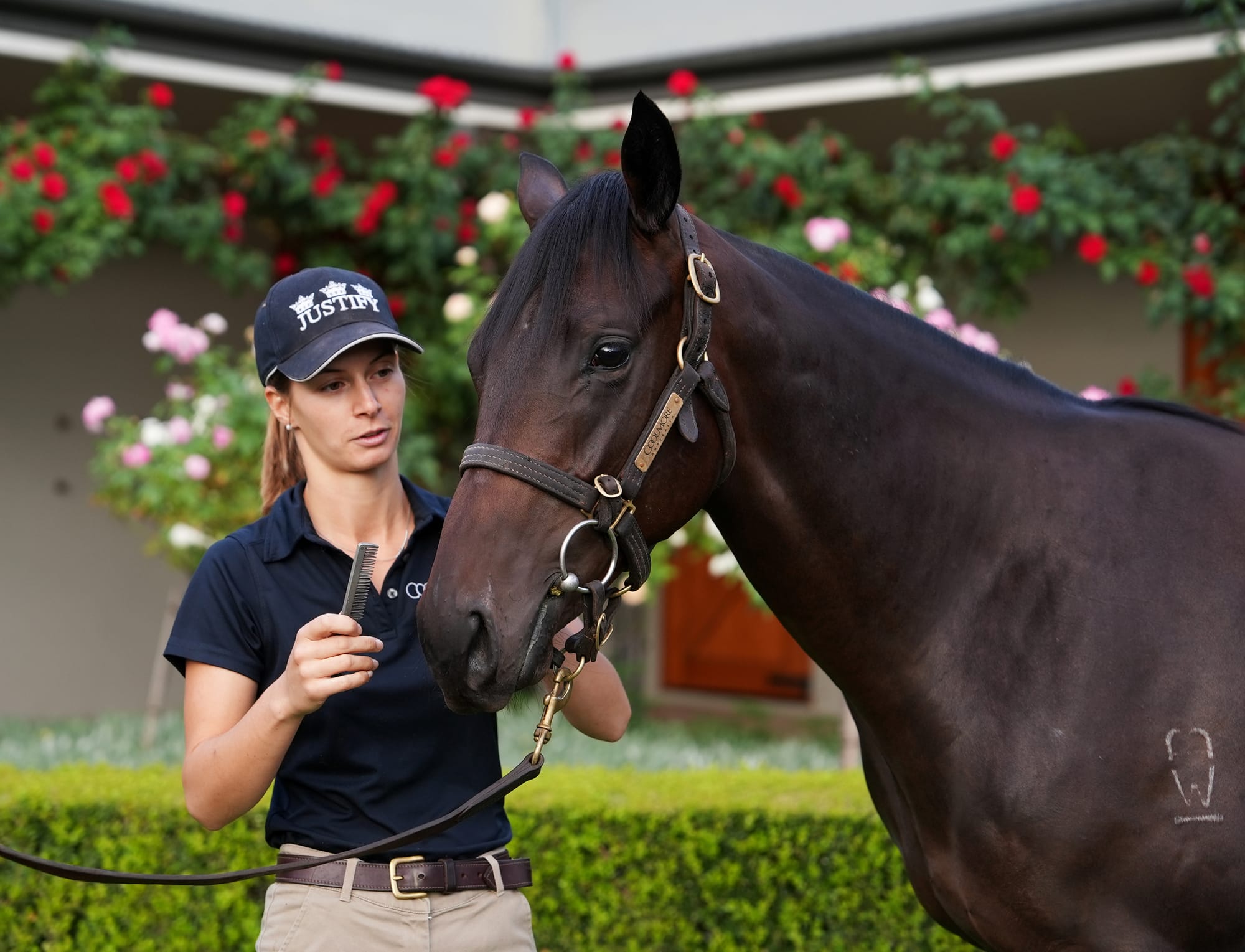
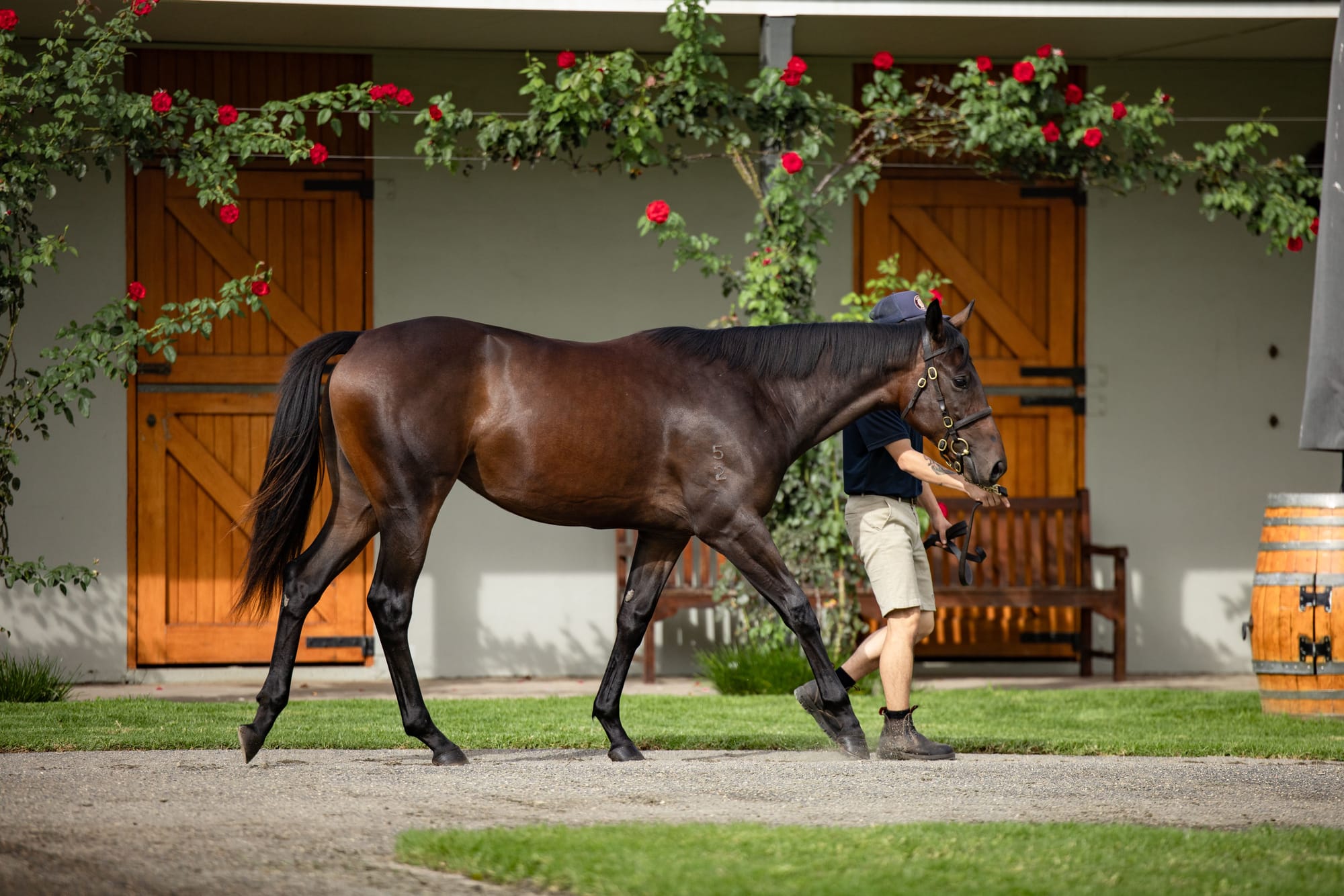
The filly by Pierro out of Winx which will sell at the Easter Yearling Sale (Photo: Inglis)
O’Brien has been attending the Inglis Australian Easter Yearling Sale for decades, first as Coolmore crew alongside the likes of James Harron, Sebastian Hutch and Michael Kirwan, and today as the captain of Segenhoe Stud.
Despite Winx and Fastnet Rock, the sale has been good to him. In 2016, he plucked Fastnet rock;s future Group 1 winner Merchant Navy from its catalogue in a move that changed the financial fortunes of his life.
O’Brien says that when he first started going to Easter, long before the spacious surrounds of Riverside, it was the equivalent of the Tattersalls July Sale or Keeneland September Yearling Sale.
“It was the sale, full stop. Every farm channelled their yearlings to try and get as many into Easter as was possible because it was the absolute elite sale. Now, Magic Millions has made a lot of in-roads into the market, and those results speak for themselves, but there is no catalogue in Australasia that has the depth of pedigree as Easter.”
O’Brien outlines it like this: if you shop at the bottom end of an Easter catalogue, which typically could be any figure from $250,000 downwards, there is immense value to be had on pedigree.
Even without race success, an Easter filly will have pedigree enough to potentially pay for herself in the breeding barn.
“A vast number of horses at Easter will make $200,000 or less, and they’re all impeccably bred,” O’Brien says. “Any filly at Easter that sells for $200,000 or less is going to sell for less than their residual value as a mare, even if they never win a race.
“Over the years, particularly when I started off, you never really saw the smaller trainers or syndicators at this sale because they were scared off by the sale average and maybe the elitist ring Easter always had to it.
“Now you can find extraordinary value at this sale, particularly if you can live with little x-ray issues or whatever.”
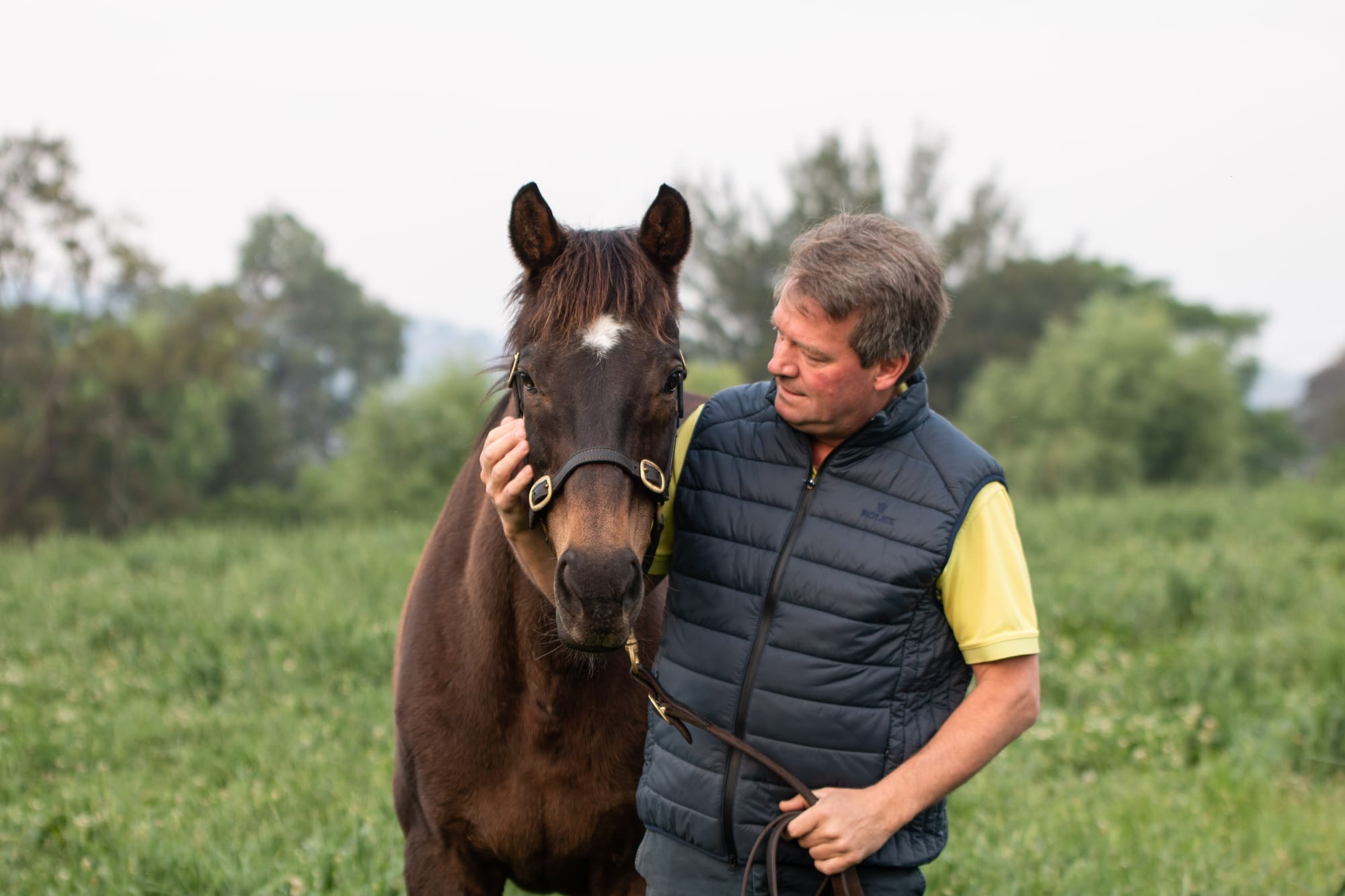
Segenhoe’s record at Easter has carried as much clout over the years as the likes of Arrowfield or Yarraman Park.
Since 2014, the farm has consigned and sold 14 million-dollar Easter yearlings, with an average of two a year, and this strong run started in 2014 with O’Brien’s migration from Coolmore.
The greatest hits have included the Snitzel half-brother to Winx in 2016, who fetched $2.3 million and became Boulder City, along with the two millionaire yearlings consigned to the first COVID-affected sale in 2020. That year, only seven horses sold for $1 million or more.
This week, Segenhoe has 18 horses in the catalogue, and of them, O’Brien says that about seven will likely sell for $250,000 or less.
“They are all good animals and they’ll be terrific value for anyone that gets them, but a lot will depend this year on how the syndicators and trainers will have sold down the horses they’ve already bought as to how they fare at Easter.”
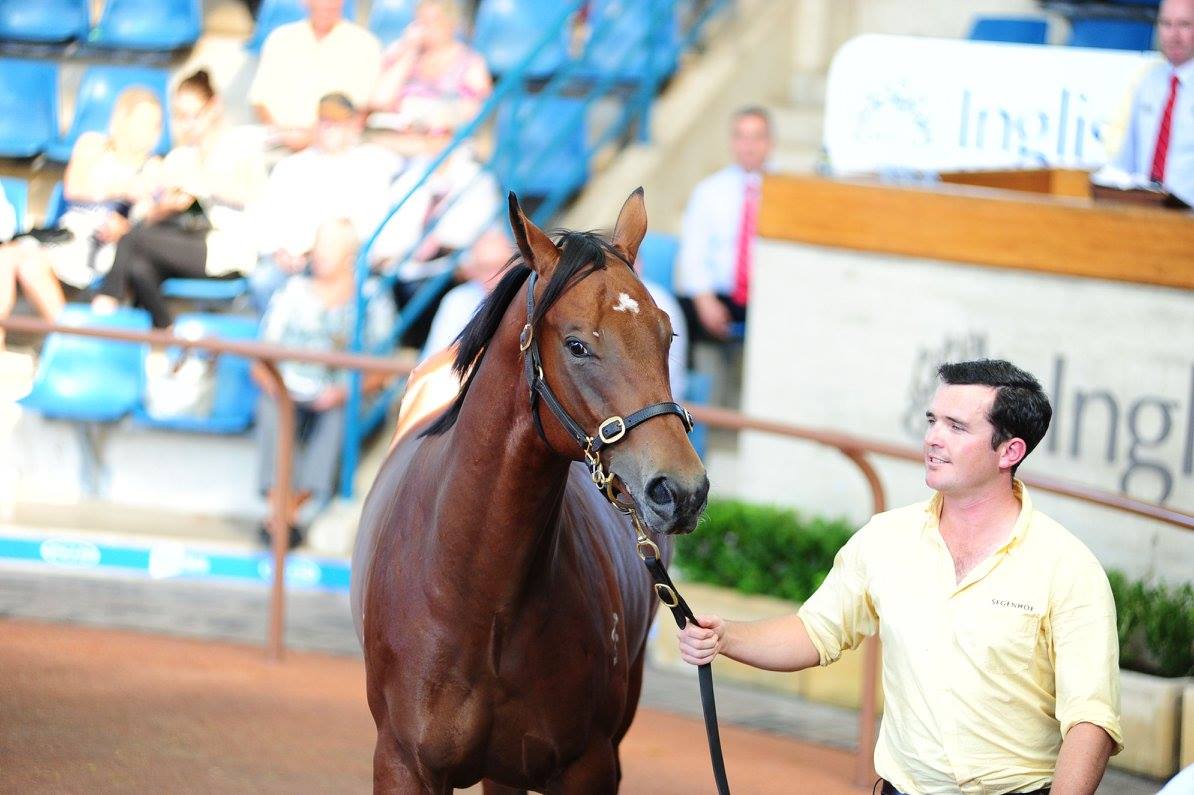
Segenhoe sets its reserves at sale time, anywhere up to half-an-hour before a yearling enters the sale ring. That way, all parties on the selling end can judge the environment at Riverside.
O’Brien is expecting this sale to be a playground for the cashed-up colts syndicates. He said at most sales this year, particularly January, the top 30 per cent was through the roof, which is where the colts syndicates are often shopping.
“The elite colts are going to make a lot of money,” he says. “And, as ever, the elite fillies too.
“But it’s about getting boots on the ground there, effectively those smaller buyers for those 200 grand or less horses, and I would say that this sale is a victim of being so elite. But that’s probably a misnomer too because for me, it’s the best-value sale of the year.”
A total of 16 Easter graduates have become Group One-winning colts since 2018. They include The Autumn Sun, Trapeze Artist, Alabama Express, Home Affairs, Super Seth and Russian Revolution.
But interestingly, of the total list of 16, only one horse among them (the James Harron-bought Stronger) cost seven figures. The rest averaged $365,000.
Backing up this theory are the likes of Funstar, Mizzy, Overpass, Zoutori and Nettoyer, all Group One-winning track stars that sold at Easter for $200,000 or less.
“All of this shows that you can buy an elite Group One horse at Easter for a lot less than people expect,” O’Brien says.
Related Articles

What will be the five biggest breeding and bloodstock stories in 2026?
Senior journalist Tim Rowe examines what the hottest issues in the Australian bloodstock and breeding industry will be in the new year.

Run The Numbers – The world’s most successful sires of 2025
With the calendar year about to come to its conclusion, Run The Numbers looks at which sires are the global leaders for overall winners, with a former shuttle sire to Australia leading the way.
The Top Five Australian-bred stars of 2025
A look at the top five most impactful Australian-bred thoroughbreds of 2025.