
🔒 🔒 Rich pickings – as mining behemoths fight over gold, Kalgoorlie racing seeks its own fortune
As mining giants battle over Kalgoorlie’s gold, the Golden Saddle slot race offers the thoroughbred industry a chance to demonstrate its own value to the Goldfields region in Western Australia.
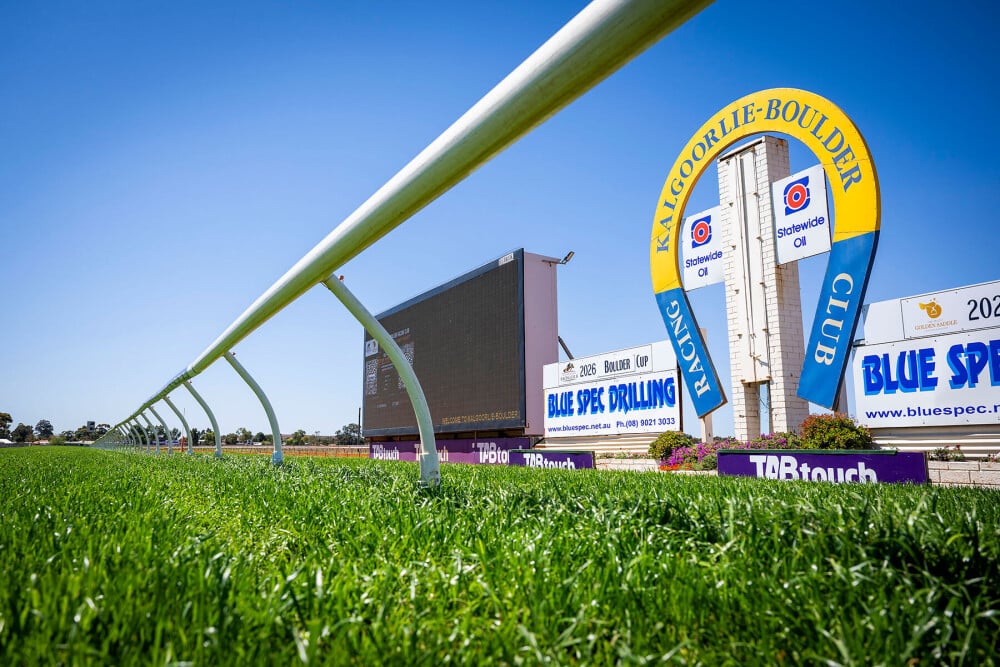
An old temptation in Kalgoorlie is to believe the next big strike is just around the corner.
For more than a century, that instinct has shaped the character of the WA Goldfields.
Racing in the region has its own version of the gamble, with the Golden Saddle seeking to turn a long-established connection to the thoroughbred into another chance to strike it rich.
The $1 million race is only in its second year, but its aspirations climb above the winning cheque on offer on Saturday to what a major event can mean for a regional community.
That ambition has an appropriate backdrop this year, with Northern Star Resources, operator of the Super Pit, the gold mining operation about 10 km outside of Kalgoorlie that dominates the landscape, fighting off a $38 billion takeover approach from South African miner Gold Fields.
Northern Star rejected the initial offer as undervaluing the company, with Gold Fields considering whether to return with an improved proposal as investors weigh the value of one of Australia’s great gold assets.
While the numbers surrounding the takeover are measured in billions, the question facing racing in Kalgoorlie is much more grounded: how much is a thriving regional industry worth to the community that has supported it for generations?
That question will have an important audience this week as the WA Cabinet meets in Kalgoorlie, with the government’s regional visit coming amid an industry-wide examination of racing’s future sustainability.
The WA government’s Financial Sustainability and Governance Review is considering the structures that support and develop thoroughbred, harness and greyhound racing across the state, placing renewed attention on the contribution of regional racing and the investment required to keep it viable.
Local MLA Ali Kent is among those who believe the Golden Saddle has shown what can happen when regional racing is given the opportunity to think beyond its traditional boundaries.
The Golden Saddle has become a centrepiece of the two-day racing event known as the Round.
The Hannans Handicap is run on Thursday as a curtain-raiser to Saturday, when thousands of racegoers flock to the Kalgoorlie Cup meeting.
“I’m so grateful to have the Golden Saddle as part of the Round,” Kent told The Straight.
“The community already love the races (but) the addition of this elite race raises the stakes considerably.
“We see the community get behind the great thoroughbreds that come to Kalgoorlie-Boulder and it’s so wonderful to experience.”
That local connection is central to the case for the race, which the WA government helped create with a three-year $1.5 million commitment to promote the Kalgoorlie Race Round, tourism and regional racing.
The Golden Saddle was conceived as a regional counterpart to the slot-race model established by The Everest and subsequently adopted by The Quokka at Ascot.
Twelve slot holders secured the right to nominate horses for the million-dollar race.
The second edition has brought another layer of outside interest, with wagering company Sportsbet among the new slot holders and champion Victorian trainer Peter Moody also joining the ownership mix in partnership with Rebel Dam Builders.
Moody, who will visit the Goldfields for the first time as a participant in the event, has described country racing in places such as Kalgoorlie as a distinctive part of Australian life and said the government support had recognised the wider economic benefits generated by racing.
His involvement also illustrates how the Golden Saddle is seeking to bridge Kalgoorlie’s established racing culture with owners, trainers, jockeys and businesses more accustomed to the metropolitan end of the sport.
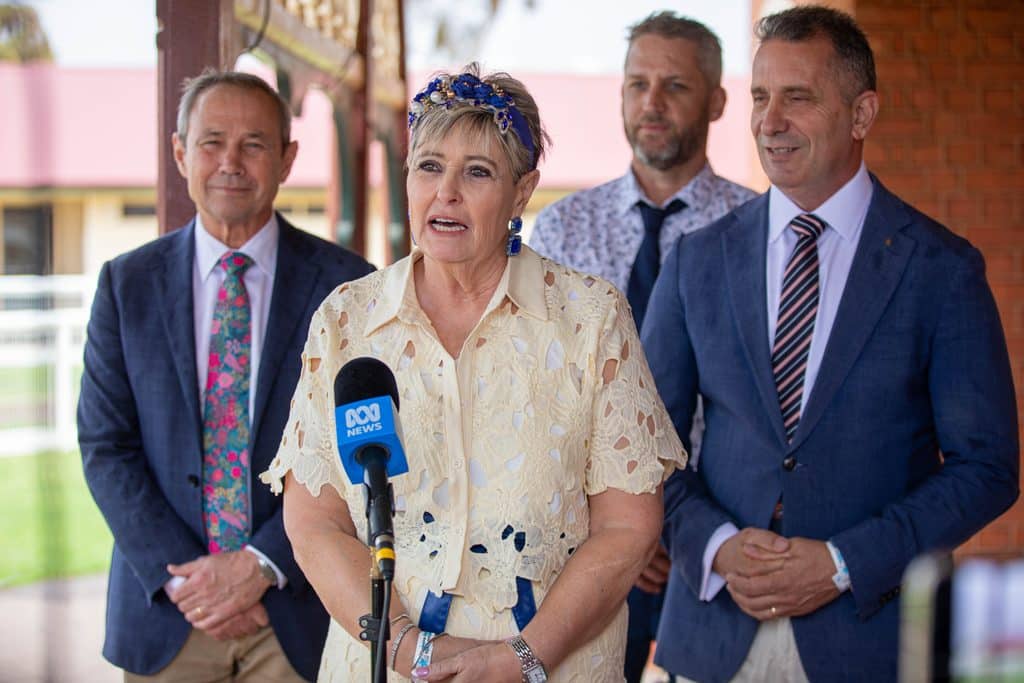
Kent, a co-convenor of the WA Parliamentary Friends of Thoroughbred Racing, sees that crossover as important in a region where racing has been embedded for generations, with the Kalgoorlie Cup first run in 1897 and the Race Round now extending across several days.
“Regional racing is so important,” she said.
“We know that Kalgoorlie-Boulder has a great history. The first Kalgoorlie Cup was first run in 1897 and has been a mainstay of our calendar since then.
“But as with everything, we have to keep reinvigorating events to keep people interested and visitors coming back.
“The economic benefits this brings to the community are enormous. The Golden Saddle is a great example of that and how we can all benefit from this race.”
For Kalgoorlie, however, the harder questions sit away from the racetrack, with Kent pointing to ageing facilities, the cost of maintaining infrastructure and the difficulty of finding accommodation during major events.
She said the Cook government’s $25.2 million Regional Racing Infrastructure Fund, which is supporting projects at 24 regional thoroughbred and harness venues, represented an important investment in the physical foundations of country racing.
“A lot of the facilities in the regions are ageing and Kalgoorlie-Boulder is no exception,” she said.
“It’s great to see the Cook state government investing over $25 million in regional racing infrastructure. We have to keep people coming to the races.”
The economic argument is central to the Golden Saddle’s creation, with the state government saying the Race Round generates tourism and local business activity while helping sustain racing in the region.
Kent can also speak about the industry from the perspective of an owner rather than simply as the local member, having horses with trainer Josh Brown and describing the experience as a useful reminder that ownership is considerably removed from the glamour of race-day celebrations.
“I was told to pick my trainer before I picked my horse,” Kent said, adding that Brown had taught her about the challenges and pitfalls of being both trainer and owner.
“It’s definitely not just Cups and champagne,” she said, although a couple of winners had provided the exhilaration that keeps owners returning.
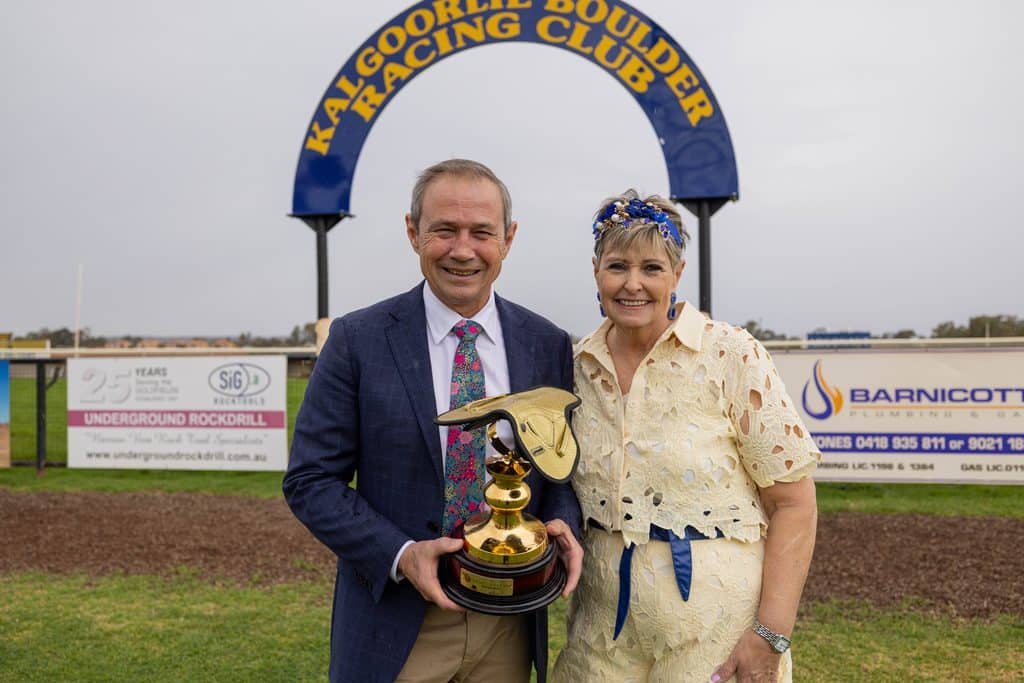
That perspective may explain why Kent sees the Golden Saddle as part of the larger challenge of keeping people connected to racing.
For more than 125 years, racing has been part of life in a city accustomed to chasing the next opportunity.
The Golden Saddle is racing’s latest attempt to create one – not by finding another vein of gold, but by discovering a new way to make an old part of Kalgoorlie worth coming back for.
And in a mining city where fortunes have long been made by recognising value in the ground, WA administrators hope the Golden Saddle can make its own case for the value racing can generate above it.
Related Articles
WA trainers’ body backs Williamses over ‘manifestly excessive’ penalty
The Western Australian Racing Trainers Association is backing disqualified trainers Grant and Alana Williams, with the peak body arguing the penalty for a drug presentation offence was too harsh.
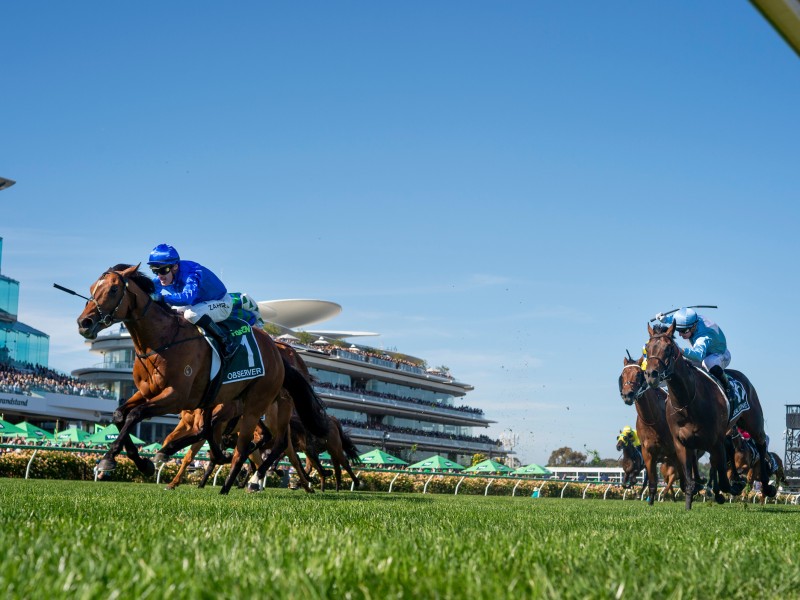
🔒 🔒 Status anxiety – What the demotion of The Metropolitan tells us about the future of the Victoria Derby
The Victoria Racing Club is pulling out all stops to preserve the Group 1 status of the Victoria Derby, but the current uncertainty about its future has been a long time coming, writes Bren O’Brien.
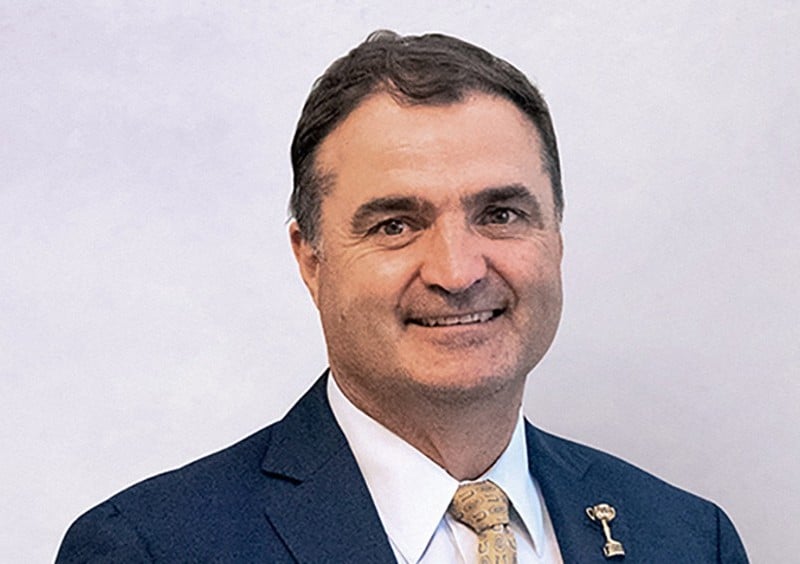
VRC appoints Vin Cox as next chairman as Neil Wilson prepares to leave after 14 years
Vin Cox will assume the role of Victoria Racing Club chairman after the December 15 annual general meeting, while outgoing chairman Neil Wilson will oversee one final Melbourne Cup Carnival before leaving the board.
