
‘Gone to the dogs’ – Troubled times in trots and greyhounds point to thoroughbred challenges
The harness and greyhound racing industries are feeling the pain as the major post-pandemic decline in wagering bites, and those in the thoroughbred industry should be taking note, writes Bren O’Brien.
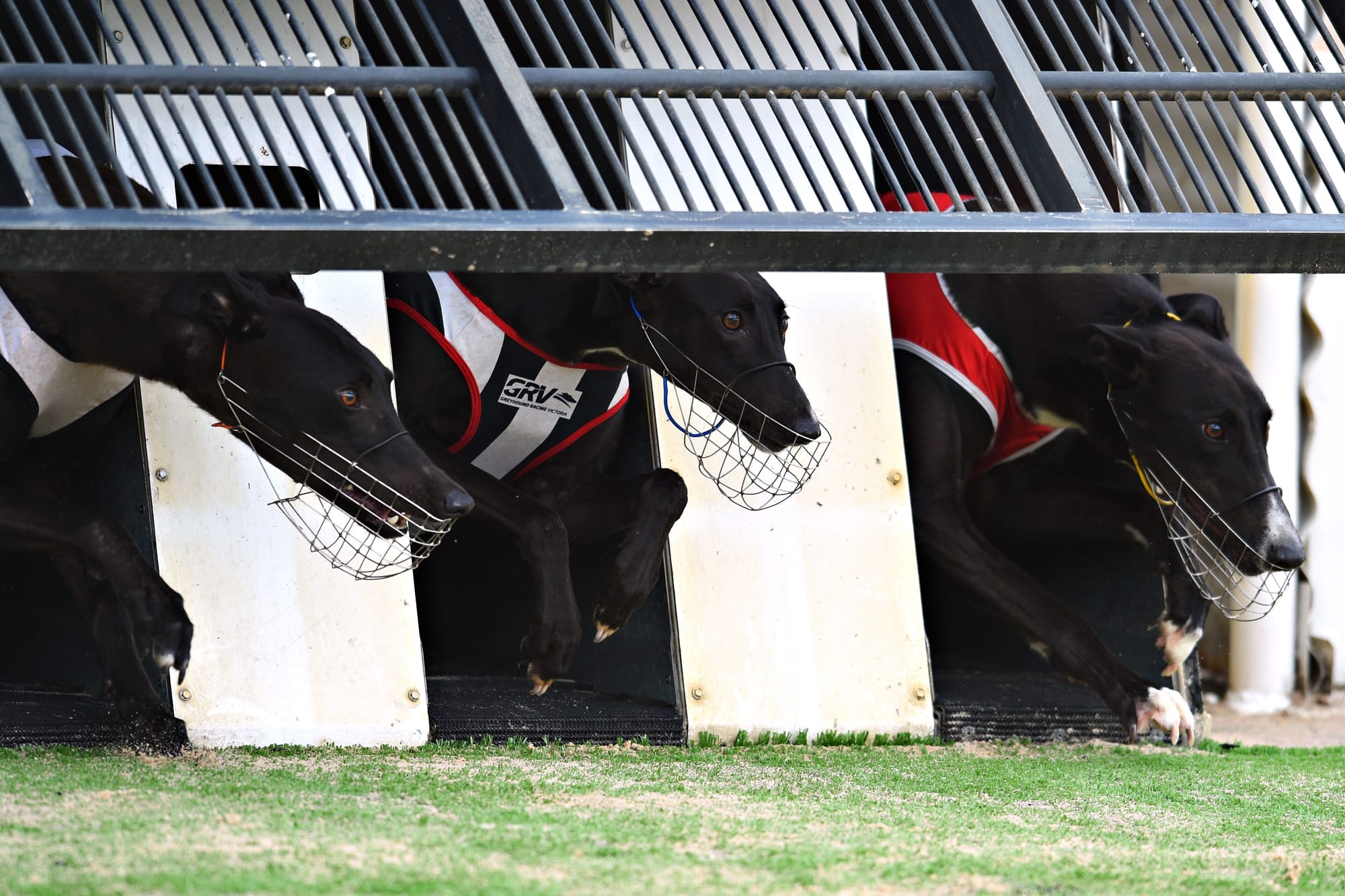
When Greyhound Racing NSW confirmed this week that it would cut its operational budget and prize money for feature racing because of declining wagering revenues, few within the industry were surprised.
Greyhound racing had undergone a massive boom through the pandemic years, and between 2018/19 an 2022/21 overall turnover on NSW greyhound racing alone doubled from $1.5 billion to $3.1 billion.
But since that point, wagering has declined significantly, and in real terms, it has had a hard landing. GRNSW chief executive Rob Macaulay confirmed that revenue from wagering operators, which had been $96 million last year, had fallen by 22.5 per cent across the first nine months.
“The headwinds for wagering operators in the Australian market are severely strong, and they are negatively impacting racing organisations, ours included,” Macaulay said.
The real impact is a 30 per cent reduction in operational costs, with redundancies at head office in managerial and administration roles. It also means significantly less distributed to clubs, while major race prize money is also under review.
A month earlier, Greyhound Racing Victoria, which had already cut prize money by $4 million in December, announced a revised staff structure, which was initially reported as involving as many as 35 jobs, or 15 per cent of staff.
GRV subsequently said the job changes were only a proposal but confirmed that wagering was down 15 per cent and revenue from wagering, which had been $150 million last financial year, down by a similar amount.
This should be put in the context that wagering on Victorian greyhound racing had risen 32 per cent from 2019/20 to 2022/23.
Two weeks ago, Harness Racing Victoria announced it was making long-term cost-saving measures to its business, involving $6.6 million next financial year, having already cut $6.1 million in the current financial year.
Wearing the brunt again was head office, with a reduction in HRV staff as well as significant cuts in media and marketing activities as well as broadcasting.
The industry awards night, the Gordon Rothacker Medal, has been scaled back to an online offering and further cuts are expected ahead of the final budget in July which will set out spending until 2027.
“The cooling wagering market is impacting the revenues of all Australian racing codes,” HRV chief executive Matt Isaacs said.
HRV is in a particularly difficult spot given it recorded losses of $6.7 million in 2023 and $4.1 million in 2022.
Other harness and greyhound racing bodies around Australia have reported similar challenges when it comes to wagering revenue.
The majority of them boosted prize money significantly off the back of the pandemic boom, but are now in a difficult position, both politically and commercially, of having to claw back those increases.
Wagering service providers are reporting that turnover continues to fall across all three codes, with racing dragging on their bottom lines.
While there are specific challenges to each of the states involved and each of the codes, the tide of revenue has receded at a rate which was not expected. Many administrators have been caught short.
When you add changing revenue and taxation models and the outside influence of a high-inflation economy, negotiating those waters becomes even more difficult.
 Bren O’Brien
To give context to the relative size of the industries, turnover on thoroughbred racing was $26.4 billion last financial year. It was $10.6 billion for greyhound racing, while it was around $3.6 billon for harness racing.
Historically, thoroughbred racing had made up around 72 per cent of the overall markets this century, but last year this reduced to a historically low 65 per cent.
It has been greyhound racing which has taken this market share, but it is clear now that having enjoyed extraordinary growth, it is now in decline once again.
Interestingly, and not unrelated to this boom and bust, was a study released by the Victorian Responsible Gambling Federation this week.
It indicated that 56.8 per cent of people who usually played electronic gaming machines (pokies) in-venue, turned their attention to betting on racing online when gaming venues were shut down during the pandemic. That participation rate for racing was 89 per cent for those who were considered problem gamblers.
While there has not yet been a direct study on the reasons behind the post-pandemic decline in wagering, this is the first one which has directly looked at the pre and post-pandemic behaviours of those specific people who play the pokies.
So perhaps describing the change in the wagering environment in terms of a tide is not correct.
Bren O’Brien
Perhaps the pandemic boom was a once-in-a-generation flood and what we are now seeing is a return to the pre-pandemic pattern.
Thoroughbred racing, with its greater wealth, is best placed to weather the ups and downs of that pattern, but it is far from immune from its impacts.
While wagering returns revert towards pre-Covid levels and employment, resources and supplier costs have also increased significantly in that time, prize money for thoroughbred racing across Australia has risen $208 million since 2019/20.
With scrutiny on the businesses of racing clubs and PRAs, a reckoning is coming, both in terms of administration resources and returns to owners.
The events of the past two months tell us that reckoning is already happening at a major level in the other two codes.
Author

Related Articles

Straight Talk – Wagering reform, bloodstock booms and Michael Guerin on NZ racing’s moment at the crossroads
This week on Straight Talk, Australia gets its wagering reforms, Tony Santic looks to a change of pace, a boom in yearling prices in Europe, plus a feature interview with New Zealand journalist and broadcaster Michael Guerin.

Watch: The Straight Explains – Wagering advertising law changes
In the latest The Straight Explains, Bren O’Brien breaks down Australia’s landmark gambling advertising reforms, which are expected to become law this week.
🔒 🔒 A Geelong-term view: Victorian club targets land-use strategy for bold racecourse property improvements
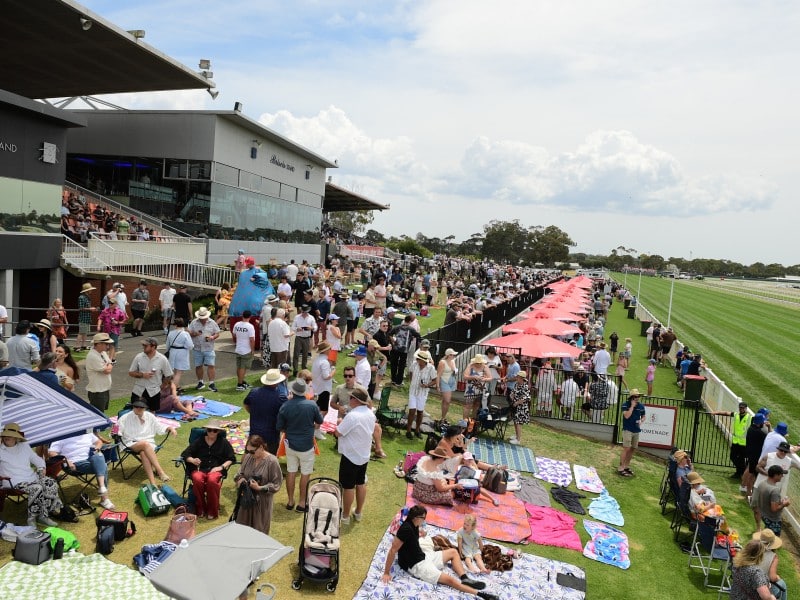
Geelong Racing Club is aiming to transform an underused part of its racecourse into a potential source of long-term funding, while delivering new sporting, residential and community opportunities for Victoria’s second-biggest city.
