
Hazzard urged to consider Racing NSW integrity split and governance changes
A separation of Racing NSW’s commercial and integrity functions is on the wish list of a key racing participants group, which has lodged a submission to the Hazzard review into the way the state’s racing industry is governed.
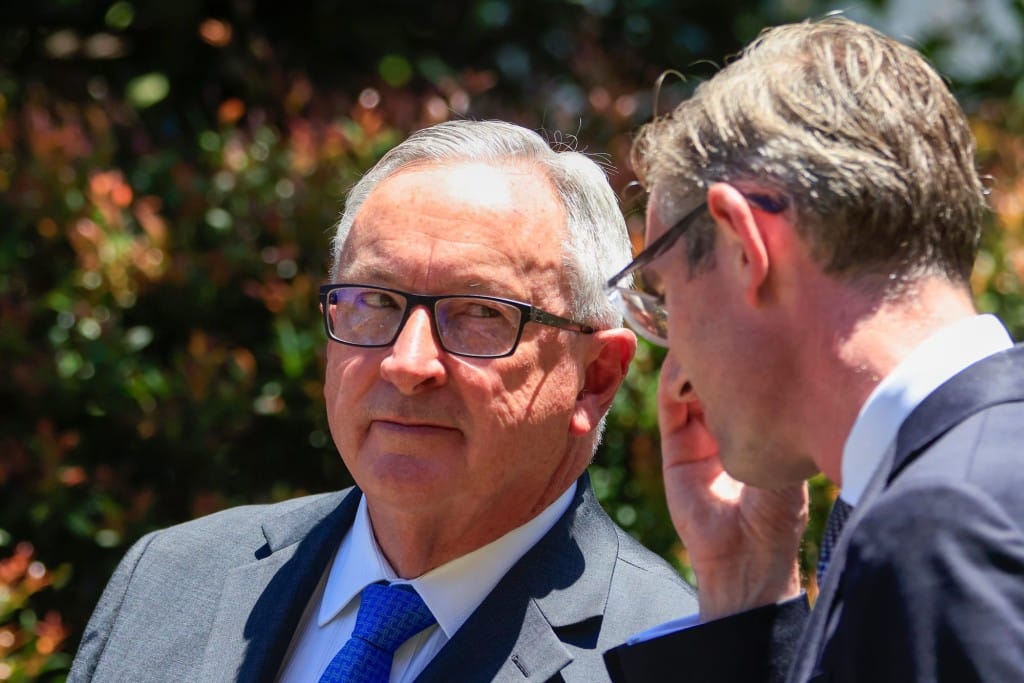
A key thoroughbred industry group has asked Brad Hazzard, the former politician charged with conducting a review into the New South Wales Thoroughbred Racing Act, to recommend splitting the commercial and integrity functions of Racing NSW.
The former New South Wales health minister has been asked by the government of premier Chris Minns to review the Act which governs racing within the state, with submissions to his inquiry closing last month.
Among the many submissions received was that from the newly formed Racing Reform Group, which has met with Hazzard twice, once before putting in its submission and once since doing so.
The RRG contains key figures in the racing, bloodstock and racing industry brought together after the Hazzard Review was announced in response to recommendations of the Rosehill parliamentary inquiry.
According to its stated aim, the RRG is seeking what it says is “meaningful reform in the thoroughbred industry in NSW, so it remains sustainable for generations”.
The RRG’s detailed written submission, which ran beyond 10,000 words, made a host of major recommendations for Hazzard to consider.
Chief among them the separation of commercial and integrity functions at the state’s racing regulator, major reform to board term limits and selection process and a statement of ministerial expectations of Racing NSW from a board and governance perspective.
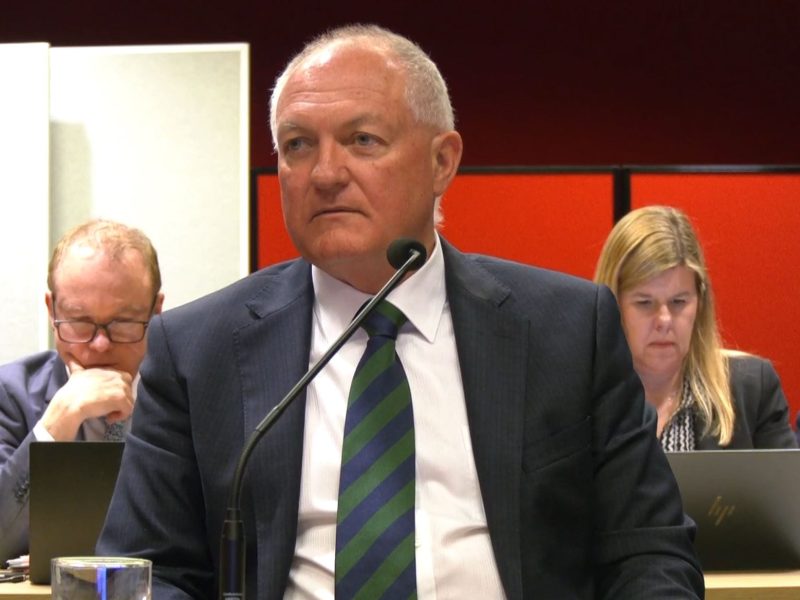
Attunga Stud’s Brian Nutt is the secretary of the RRG and said a window had opened to seek change in the way the racing industry in NSW, which employs 28,000 people, was administered.
“The review being conducted by Brad Hazzard provides a great opportunity to make changes to how Racing NSW is set up and works on behalf of the industry,” Nutt said.
“Like nearly everyone I know who is engaged in the industry, I feel there is a deep disconnect between Racing NSW and participants.”
Nutt said the RRG wanted greater accountability and transparency to be built into a renewed Thoroughbred Racing Act
Integrity was a key aspect of this, according to the Group’s submission. It says that while major steps to underpin the integrity of the sport had been made, the growth of Racing NSW’s commercial role made its dual purposes incompatible.
“When an independent regulator was set up to take over from the AJC following the Temby report, this was done with a view to separating out the regulatory functions like integrity and licensing, from the commercial elements of the industry,” Nutt said.
“Over time the industry has changed and now Racing NSW is the biggest commercial operator; collecting wagering revenue and point of consumption tax, as well as doing sponsorship and other deals. So, we’re back to where we were, and those conflicts between commercial and integrity functions exist again.”
“We are proposing these functions be split at Racing NSW and suggest Hazzard considers models such as with greyhound racing in NSW where separate bodies deal with these different areas.”
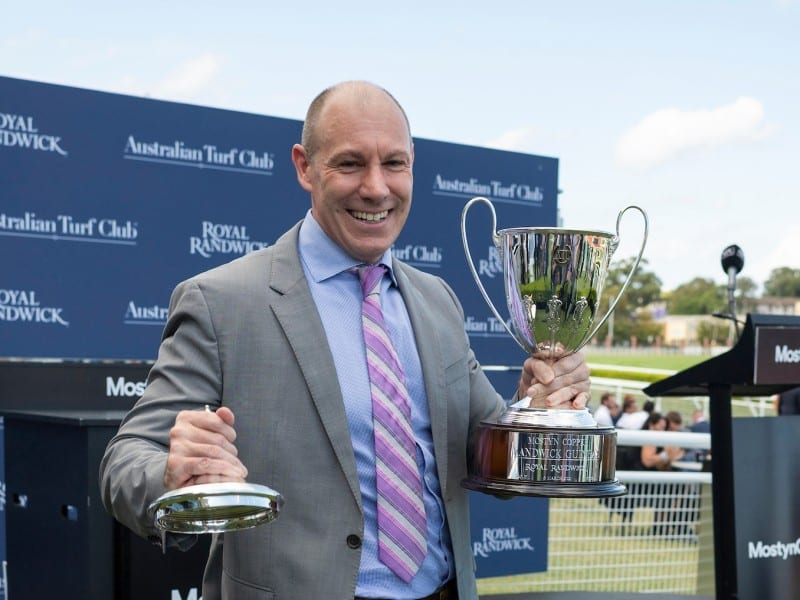
Nutt claimed the commercial power built by Racing NSW had also impacted the way it interacted with clubs.
“We’ve seen this conflict recently with the ATC. They have been involved in commercial negotiations with Racing NSW about sponsorship and hospitality, but they are also licensed by Racing NSW and answerable to them,” he said.
“As we’ve seen, Racing NSW are now trying to put them into administration. How can there be fair commercial negotiations between the two when there is such a power imbalance?”
The RRG had also requested Hazzard’s Review consider re-instating the initial eight-year board term limits at Racing NSW, which have twice been extended by changes to legislation, and the introduction of a prohibition of Racing NSW executives from becoming board members for at least five years after they left their roles.
It was also seeking a statement of ministerial expectations of the board, as had been built into the Greyhound Racing Act, and the ability of the auditor-general to audit Racing NSW’s accounts.
“Many of our recommendations seek to bring the governance structures of Racing NSW into line with the current standards for statutory authorities in the state,” Nutt said.
“All of these are typical for the type of organisation Racing NSW is, and I would hope that if Brad Hazzard recommends them in his report, that the board of Racing NSW would embrace the changes as a way of improving confidence in their organisation.”
The submission also calls for a requirement that Racing NSW demonstrates it engages in good-faith discussions with other states on matters of national significance.
There is also a broader call for more transparency around how the funding of the industry is managed.
“Racing NSW collects revenue on behalf of the industry, revenue that’s generated by the efforts of industry participants, and the RRG believe there needs to be much more transparency in how this industry money is used,” Nutt said.
“At the moment clubs don’t even get told how much turnover they’re generating on fixed odds betting, nor is there any clarity around decisions that get made in regard to clubs when they try to get extra funding for things such as infrastructure projects.
“Improving this flow of information and being clear on why decisions are made would really help build trust in how Racing NSW goes about making its decisions.”
The scope of the Hazzard Review covers governance structures and processes, transparency mechanisms, stakeholder consultation and initiatives to ensure the sustainability and viability of the industry as it relates to the Thoroughbred Racing Act.
It explicitly is not set up to look at provisions of the Act that establish Racing NSW as a body corporate that is independent of government, or provisions of the Act that relate to thoroughbred racing industry funding arrangements.
The Racing Reform Group, formed in November, has a steering committee comprised of Nutt, who is its secretary, former Australian Turf Club board member Julia Ritchie, Yarraman Park’s Arthur Mitchell, syndicator, owner and breeder Jason Abrahams, leading international law firm partner David Walter, former racing administrator Helen Sinclair and bloodstock agent Will Johnson.
Many of those involved were also part of the Save Rosehill Group which campaigned against the proposed sale of the western suburban racecourse.
Hazzard is expected to hand down his review this year, with the former politician paid a consultancy for his key role until April.
Author

Related Articles
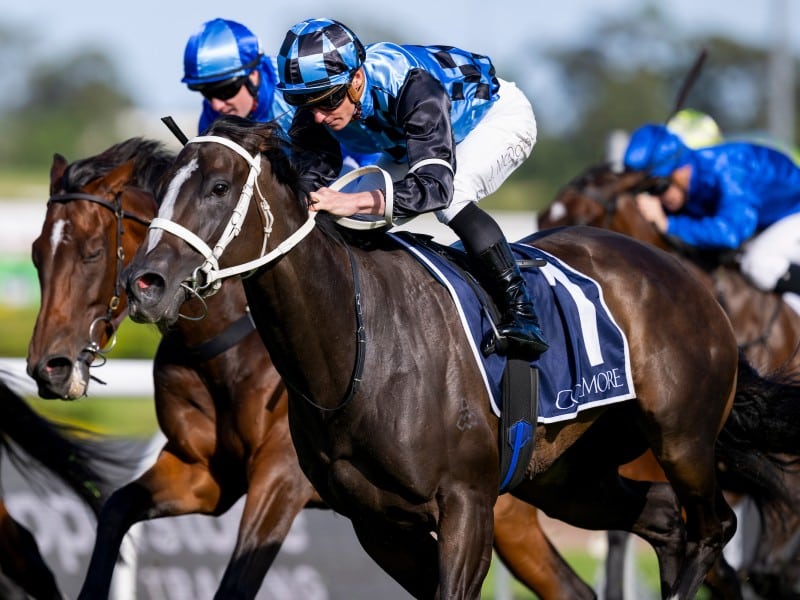
Five things we learned from Saturday – Coolmore Classic edition
In our first edition of our new post-Saturday column, we look at the five things that Saturday’s racing taught us, highlighting James McDonald’s pending milestone, a looming fifth title for a stallion star, the respective rollercoasters of Bjorn Baker and Tony Santic and a new candidate for Australia’s best maiden.

‘Precarious position’ – Racing NSW to appeal ATC ruling citing risk to club funding
A Supreme Court ruling that defined the scope of Racing NSW’s power in relation to race clubs will be appealed by the regulator.

Matthew McGrath to lead new-look RQ board
The man whose industry review set the scene for major changes to Queensland racing, Matthew McGrath, has been appointed as the new chair of Racing Queensland, one of six new faces on the board.