
How club membership remains a powerful force in Australian racing
Membership has been the foundation on which Australian racing clubs have been built and its power base remains strong despite having a diminishing relevance on the balance sheet.

When a newly formed Australian Jockey Club decided it could no longer afford to be a tenant beholden to annual rent increases, it had a decision to make.
It was either move to another part of Sydney or risk being trapped in a lease cycle that had the potential to stifle its ambitions.
That was almost 170 years ago but given the fallout over the Australian Turf Club’s proposal to sell Rosehill, the observation that the more things change, the more they stay the same resonates strongly with the racing industry.
Under the AJC’s plan to relocate from Homebush to Crown Land at Randwick in 1860, the terms of a deal with the NSW government involved the annual payment of “one black peppercorn on demand”. Quite literally a peppercorn lease.
According to a historical timeline on the ATC’s website, while this remittance has never been collected there were building costs associated with the move across town.
In desperate need of funds, the secretary George Rowley called on the club’s membership, pleading for financial help. He wanted a contribution of £50 from each member. Fifteen came forward, giving life to what has become one of the world’s great racecourses and made official in what is called the Foundation of Randwick document.
For much of racing’s early existence in Australia, membership underpinned the growth and prosperity of clubs.
In that prior era, membership bestowed status on an individual and financial security for the club. Beyond that, it also paved the way for a transactional route to engage with a network of elites.
Broadly, today there is a more egalitarian approach to race club memberships.
 Bren O’Brien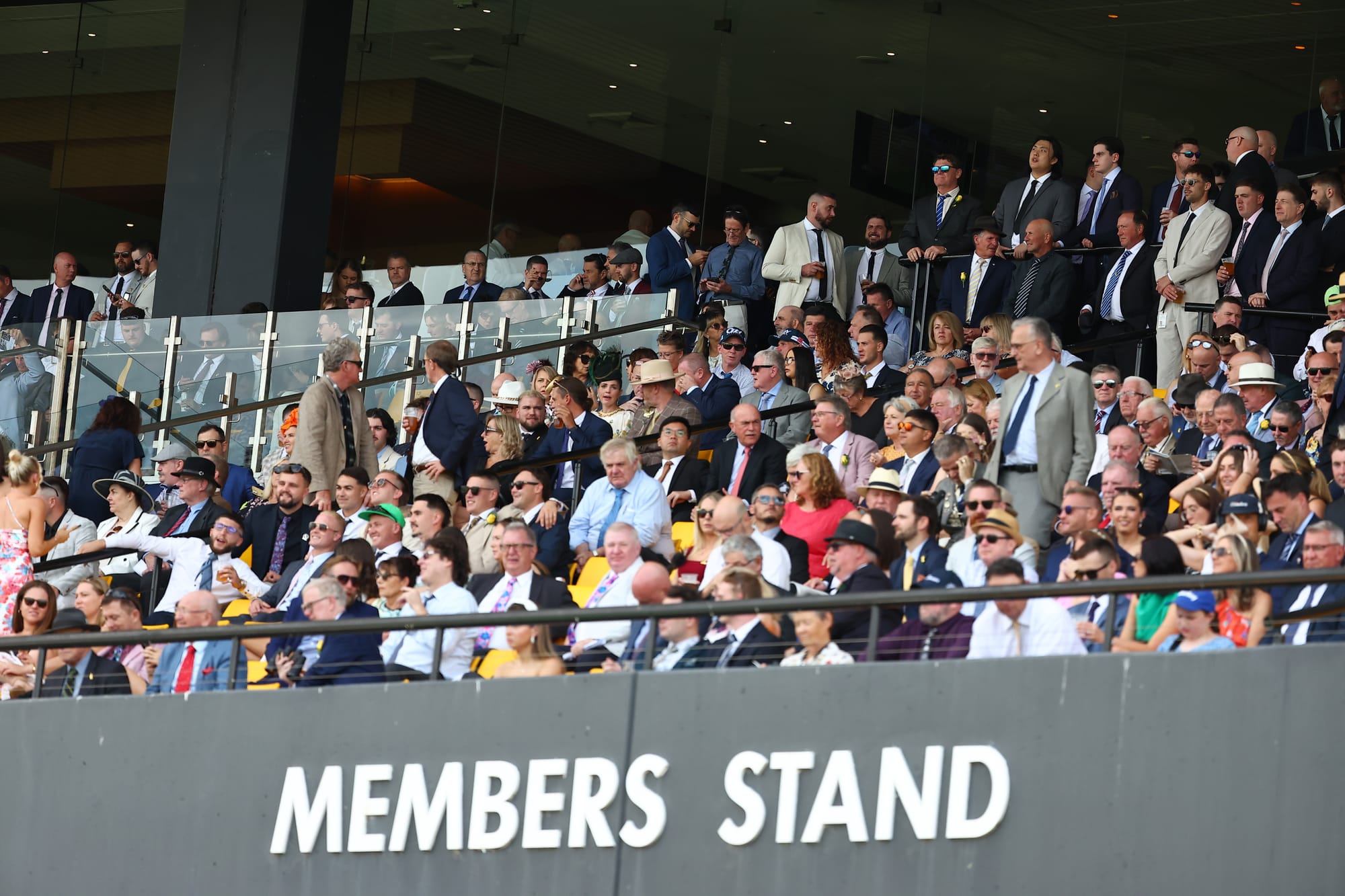
But while the balance sheets might show that income from subscriptions against overall revenue has diminished, the Rosehill controversy demonstrates the membership base still holds considerable political power,
As the ATC chairman Peter McGauran has found out, the membership’s voice and resolve are something to be reckoned with if there is a whiff of outside influence in club affairs.
High-profile ATC members, such as former director Julia Ritchie, are behind the Save Rosehill campaign – at odds with the board and management of the race club since the sale of the racecourse was first proposed in late 2023.
Since the AJC and the Sydney Turf Club merged to form the ATC in February 2011, membership has hovered around 12,000.
According to its annual report, last year it ended at 11,909, with the Club opting not to discount membership fees late in the racing season, to help protect the integrity of the vote over the future of Rosehill.
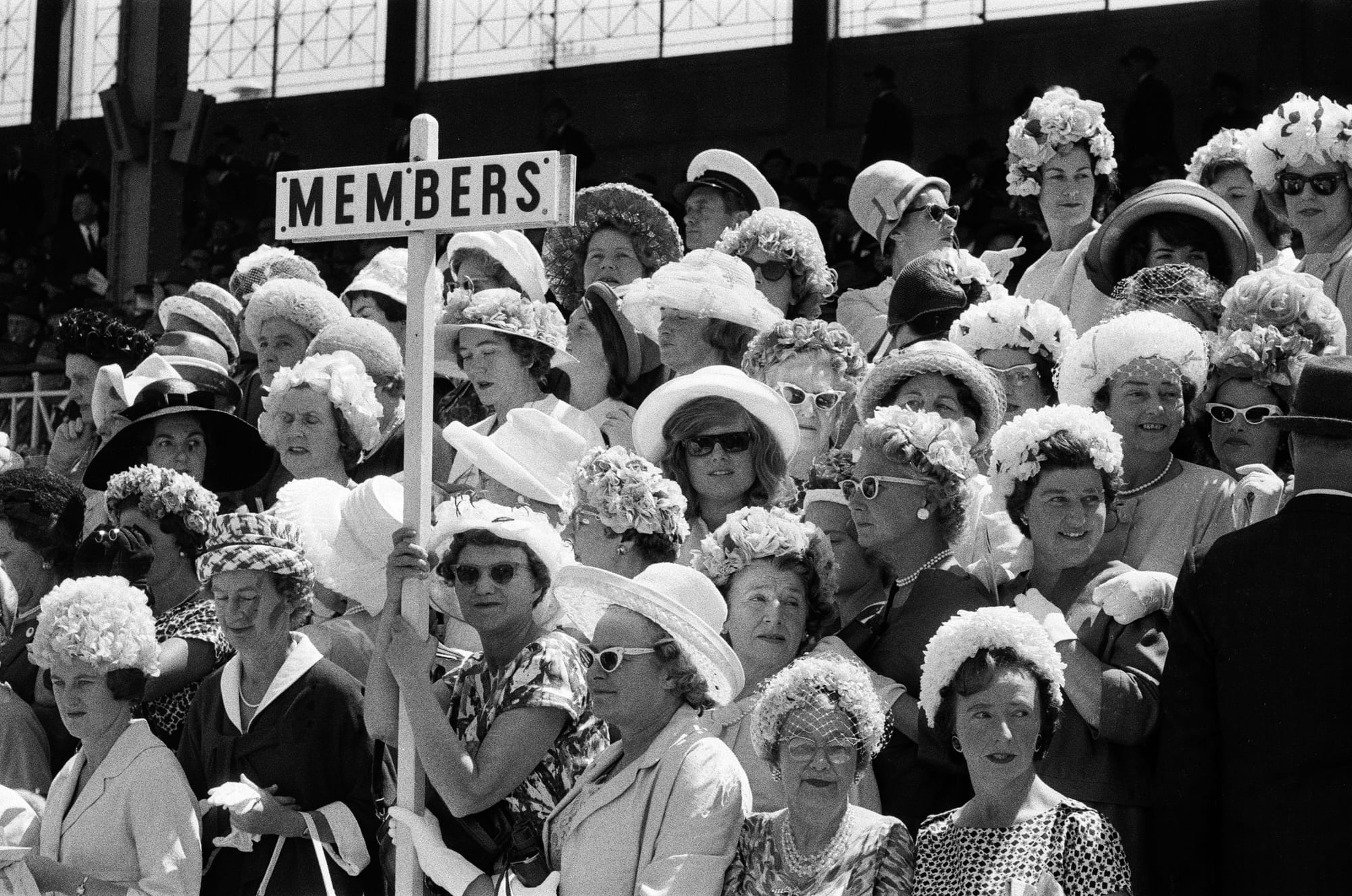
Unlike most other major Australian racing clubs, the ATC doesn’t include precise membership subscription details on its balance sheet.
It includes it in the commercial section of its revenue, along with sponsorship and events and hospitality, which is worth $80.3 million.
However, a simple calculation of membership fees by number of members would work out to be less than 10 per cent of that number, and less than three per cent of the club’s overall income of $372 million for the 2024 financial year.
The ATC’s membership is about a third of the Victoria Racing Club, which competes for numbers in this space with the Melbourne Racing Club and the Moonee Valley Racing Club.
Promoting itself as the world’s largest membership-based racing club, the VRC caters for different ways to join, contributing to 34,240 subscriptions, of which over 25,078 were full members as of the end of the last financial year.
It implemented a full membership cap in 2022 of 30,000 and, according to last year’s annual report, this is nearing its capacity. The VRC’s revenue from membership is not explicitly spelled out, and is included alongside ticketing at an amount of $26.8 million out of total revenue of $216 million.
The MRC reported an 11 per cent increase in membership in 2023/24 to 14,592, with a recent marketing push accelerating those numbers by more than 12 per cent, according to chairman John Kanga, who wants to rapidly expand the MRC’s membership with cut-price options.
MRC membership and entrance fees are listed at $3.07 million of the club’s $260 million in revenue.
While the MVRC didn’t publish its total number of members in its most recent annual report, The Straight understands it has about 7000. It does publish the revenue from those member subscriptions at $1.4 million, out of total revenue of $64.3 million.
In Queensland, the Brisbane Racing Club’s most recent annual report showed it has 4034 members, representing a 30 per cent increase on a five-year low of 3107 in 2019/20. Member subscriptions drove $1.4 million out of $65.8 million in total revenue.
Membership of major metropolitan race clubs
* approximate
There seems to be a consistent theme of around three per cent of club revenue, with the possible exception of the VRC.
Yet, as BRC chief executive Karl deKroo explains, while their commercial impact isn’t overlay material, members continue to reinforce a racing club’s evolution in times of change in a tangible if not commercial sense.
In an era where diversifying revenue streams has become a necessity, the relationship between a club and its members has become crucial.
The BRC is halfway towards delivering a $1.5 billion master plan across Eagle Farm and Doomben as it develops excess land in a bid to diversify income streams and deKroo says the membership has been central to making that happen.
“Membership has always been at the heart of racing clubs, and at the BRC that remains undeniably true,” he told The Straight.
“While the commercial landscape has evolved – with hospitality, sponsorship, and wagering becoming increasingly important – our members continue to be the foundation of the club’s culture, governance and identity.
“Importantly, BRC members have shown extraordinary loyalty and patience through a period of significant challenge.
“They have remained engaged and committed despite enduring ageing infrastructure that, in many cases, no longer reflects the premium experience they expect – or deserve.
“That unwavering support speaks to the deep connection our members feel to racing, and indeed the club itself.”
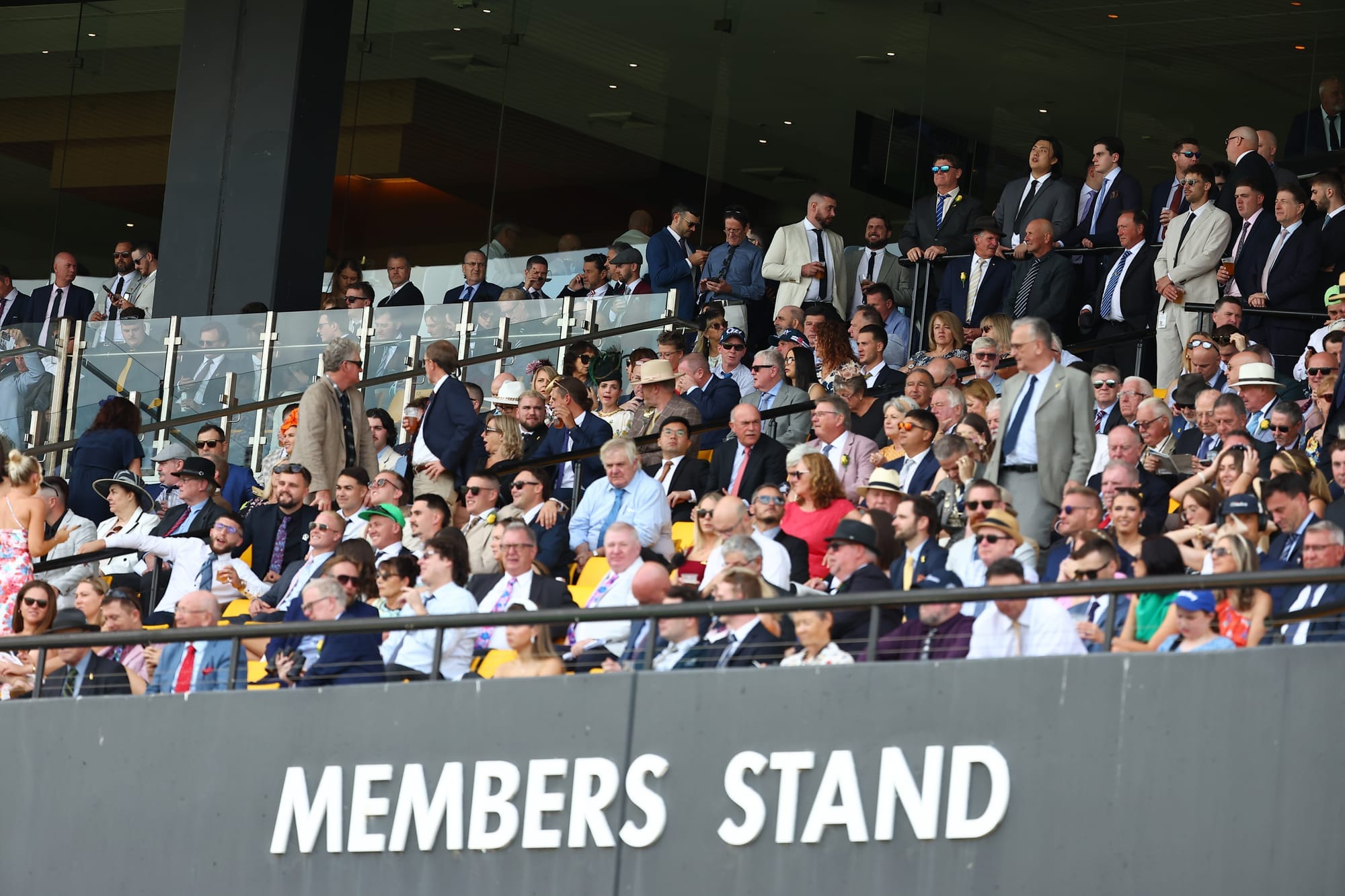
Boards are generally directly answerable to members through elections, with the exception of independent director appointments, especially in NSW.
While the ATC, for example, has three government-appointed directors on a board of seven, the BRC maintains a fully member-elected committee.
DeKroo says members are not only custodians of a racing club’s identity, but they should also play a role in maintaining a regulatory balance.
“Our members aren’t just patrons, they are key stakeholders in the future of the club,” deKroo says.
“They provide stability, accountability, and underpin our governance model through a member-elected board.
“For the BRC – and for racing clubs more broadly – a strong and engaged membership base will always be fundamental.”
Related Articles
Straight Talk – Classic Sale preview: Inglis and the Middle‑Market Test
In this episode, Bren and Tim preview the Inglis Classic sale with Sebastian Hutch, reflect on Magic Millions and Karaka, and examine the strength of the middle market for yearlings.
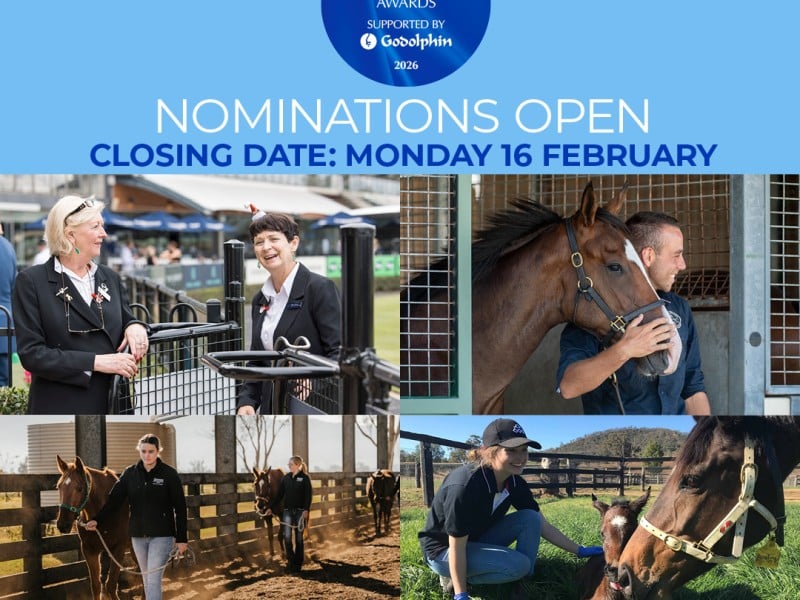
2026 Australian Thoroughbred Industry Employee Awards nominations open
Nominations for the 2026 Australian Thoroughbred Industry Employee Awards (ATIEA) awards are now open, with The Straight is proud to sponsor the Administration and Ancillary Services Award.

Run The Numbers – A fitting farewell for Frankie
Frankie Dettori brought his 40-year riding career to an end with a Grade 1 success on his final day in the saddle. The most prominent global jockey of the past half-century had elite success in 17 different countries, but famously never in Australia. Run The Numbers digs into his remarkable career.