
Independent panel to assess WA racing’s financial future
The West Australian government has launched an independent review to assess the long-term financial sustainability of the state’s racing industry.
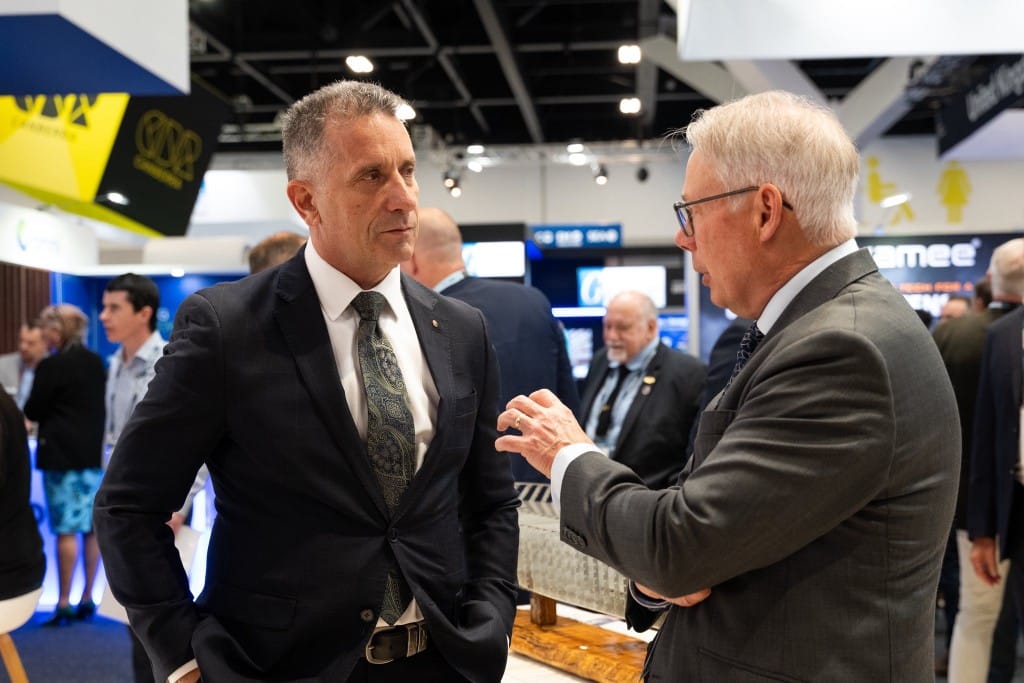
Western Australia’s Cook government has announced an independent review to ensure financial stability for the state’s racing industry.
“The purpose of this review is to ensure the long-term financial stability, viability, and integrity of racing in our state,” Racing and Gaming Minister Paul Papalia said.
While Papalia said the racing industry “generates $1.3 billion for the state’s economy every year and sustains thousands of local jobs”, WA’s showpiece racing carnival known as The Pinnacles, went ahead this amid a backdrop of discontent among the Perth training ranks.
Racing and Wagering Western Australia (RWWA) chief executive Ian Edwards and chief racing officer David Hunter fronted trainers at an industry summit in October after industry representatives raised a string of concerns about the long-term viability of thoroughbred racing in WA.
The meeting was held after a two-page letter, signed by trainers Simon Miller, Neville Parnham, Steve Wolfe, Dan Morton, Luke Fernie, Trevor Andrews, Adam Durrant and last season’s premiership winners Grant and Alana Williams, outlining numerous industry issues, was sent to Edwards.
In an announcement on Tuesday, the government said the Financial Sustainability and Governance Review will examine structures under the Racing and Wagering Western Australia Act 2003 and explore ways to maintain thoroughbred, harness, and greyhound racing.
It will not cover jockey or animal welfare issues.
The review will be led by former Mandurah MLA David Templeman.
Templeman spent 24 years in parliament from 2001 to 2025 and was in charge in senior portfolios, committees and boards.
He will be joined by Professor Warren Harding, who has over 30 years’ experience managing complex government and corporate projects at partner level with international consulting firms.
“Racing and Wagering Western Australia welcomes the government’s independent review and the opportunity to work collaboratively to ensure a strong, sustainable future for the State’s three racing codes,” Edwards said.
“The WA racing industry supports more than 10,000 full-time jobs and plays a vital role in connecting communities, delivering significant social value.
“This review will help ensure the financial and governance structures supporting thoroughbred, harness and greyhound racing, while providing long-term sustainability for the industry.
“We look forward to contributing constructively to the review and working with government and industry participants to secure a sustainable and prosperous future for racing in Western Australia.”
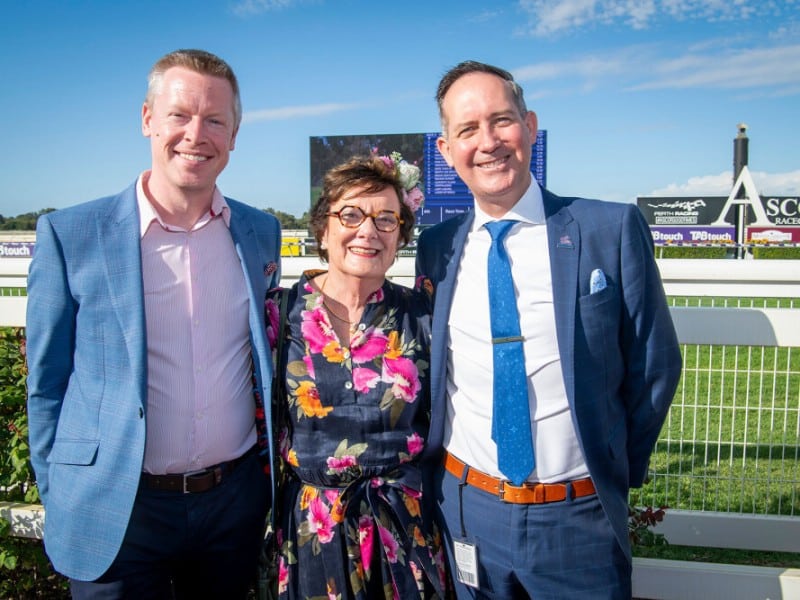
Papalia urged stakeholders to engage in the review, saying: “I encourage all stakeholders to play an active role in this process to ensure a thriving future for the industry.”
The review will be managed by the Department of Local Government, Industry Regulation and Safety and the Department of Treasury and Finance, which will provide oversight and guidance.
Stakeholders from all three codes, including racing clubs, breeders, trainers, and owners, are expected to provide input to help shape recommendations for long-term financial planning.
The government said the review will also assess current governance frameworks and identify potential reforms to improve efficiency, transparency, and accountability within the industry.
Papalia said the review reflected the state government’s commitment to ensuring that racing remains a vibrant and sustainable part of WA’s economy and community life.
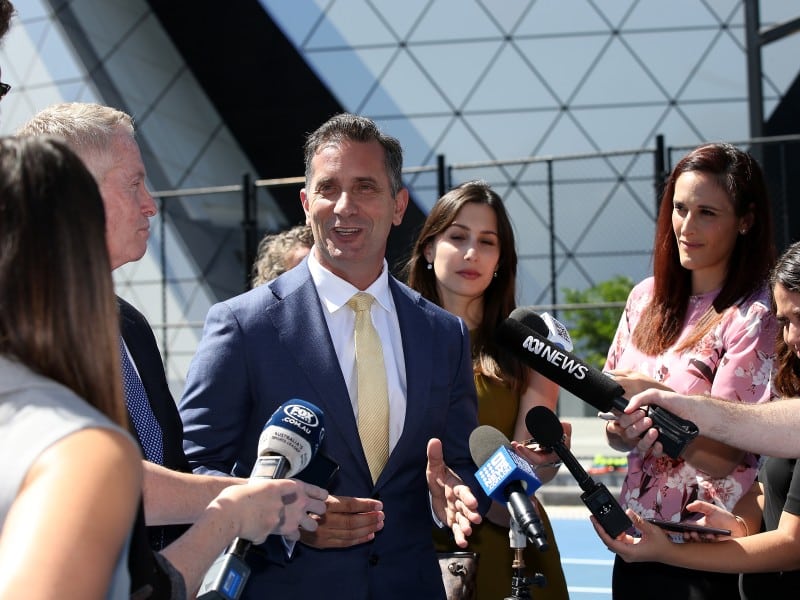
In an interview with The Straight in November, Edwards hinted that state government intervention might be necessary to solve industry financial issues.
“We’ll need to address our cost base in this organisation (RWWA), that’s for sure, but in order to bridge the gap to be able to hold funding or grow funding into the future, we would also need more support from the state government over here,” he said.
“So we’ll do what we can in the business (at RWWA) but at some point it becomes a government decision as to whether they wish to put more money into racing or not, and that’s probably what we’ll get to in the next 12 months.”
Related Articles
RWWA to hold prize money steady as government industry review looms
West Australian participants have been guaranteed that prize money will be retained at current levels through the 2026/2027 racing season.
ATC looks to boost board numbers ahead of Racing NSW legal stoush
As it prepares for its ongoing fight to stay out of administration, the Australian Turf Club is in the process of appointing a new member-elected director to its four-person board.

Grant and Alana Williams charged over Ritalin positive – trainers sidelined while inquiry continues
Perth’s leading trainers Grant and Alana Williams will be asked to enter a plea after being charged after their Kalgoorlie Cup runner Starry Heights returned a positive test to Ritalinic Acid, which is used to treat ADHD in humans.