
Ineligible to race – Fillies and buyers left in limbo after registration crackdown
Racing Australia’s enforcement of foal ownership declaration rules has placed two Magic Millions-sold fillies under embargo and unable to race, raising concerns about potential flow-on effects for upcoming yearling auctions.
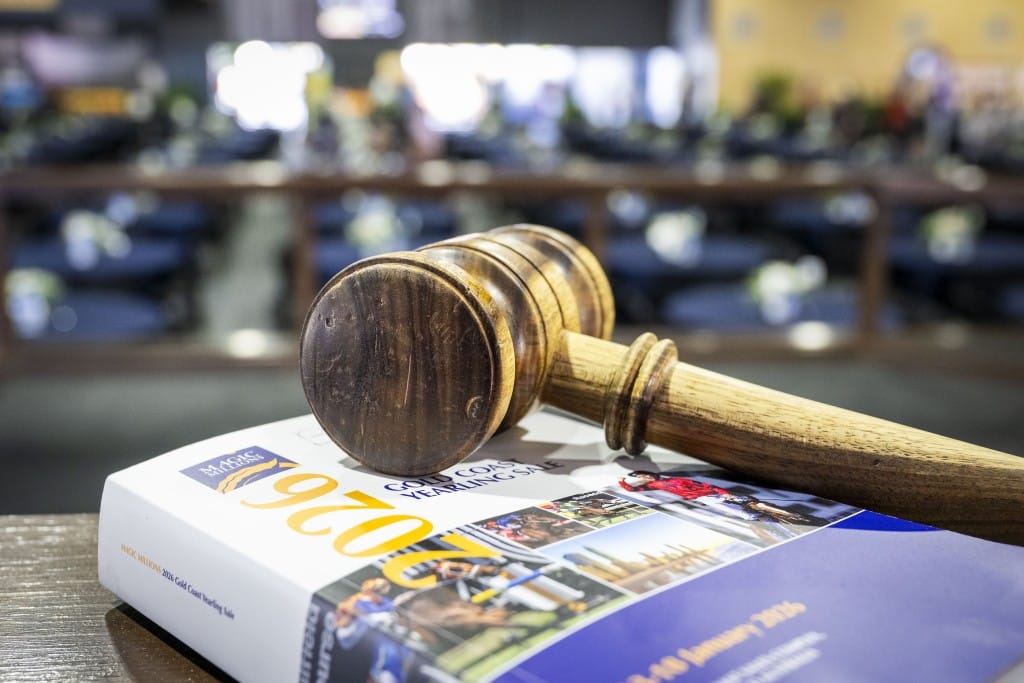
Two fillies sold at last month’s Magic Millions Yearling Sale on the Gold Coast remain ineligible to race, with the pair caught up in Racing Australia’s crackdown on foal ownership declarations.
The breeders of the fillies – a $190,000 daughter of Savabeel and a $150,000 Spirit Of Boom yearling – are appealing the embargo placed on them by the national body, rulings which jeopardise the sales going ahead.
The embargoes on the Savabeel-How Womantic filly and the Spirit Of Boom-Adio filly were declared to prospective buyers before the pair entered the Magic Millions sales ring in January.
Both fillies are currently marked with the status of being ineligible to race in the Australian Stud Book.
They were consigned through the Magic Millions by Vinery and Telemon Thoroughbreds as agents for the respective breeders on the understanding that the embargoes would be lifted via an appeal process. Both buyers were aware of the circumstances before bidding on the fillies.
There has been concern from the breeding industry that the current issues may be the tip of the iceberg and there could be many more horses ruled ineligible to race in the 2027 yearling cohort. However, Racing Australia insists that its stricter enforcement led to greater compliance when it came to that 2025 foal crop.
Implemented by Racing Australia from August 1 last year, a year after the national body issued an industry notice about the requirement for foal ownership declarations to be lodged within 30 days of birth, the regulator has taken a hardline stance on late mare and foal returns lodged with the Australian Stud Book.
Under the racing rules, breeders are charged $140 for foal declarations lodged on time, $360 for between 30 and 60 days and $140 for those lodged beyond 60 days. Those foals registered after the 60-day mark will be flagged as not eligible to race.
A $500 fee must be paid by the breeder to appeal the embargo but it “can only be upheld if special or exceptional circumstances are proven and supported by documentation,” a Racing Australia notice says.
The hotbed issue, which caused headaches for some breeders at the Magic Millions, could also impact the Inglis Classic Yearling Sale in Sydney.
It is also understood that there is one Inglis Easter-catalogued yearling who has a “horse ineligible to race” embargo placed on it.
Inglis Bloodstock chief executive Sebastian Hutch said the company was working with Racing Australia “to ensure there’s no horses subject to an embargo to sell on Sunday” at the Classic sale.
“I can only speak from the Inglis experience of it, but Racing Australia has been very straightforward to deal with and very obliging,” he said.
“So, I understand the situation is one nobody wants to find themselves in, but from our point of view (it has been handled) fairly well.”
Agents Mark Player and Rob Roulston purchased the Magic Millions-sold Savabeel filly from Vinery Stud in January on the understanding that the embargo would be removed soon after, while leading Brisbane trainer Tony Gollan and agent John Foote signed for the Spirit Of Boom filly.
Complicating the issue is that it is believed the initial embargo was imposed on the daughter of Savabeel because of an unpaid service fee to access New Zealand’s champion sire.
The nomination fee was subsequently honoured by the filly’s breeder, but Racing Australia has as yet not removed the racing ban as per the Australian Stud Book.
A note on the yearling’s catalogue page displayed on the Magic Millions website indicates that she was sold for $190,000 pending an appeal of “a foal declaration late lodgement”.
The first foal out of Group 3-winning mare How Womantic, the Savabeel filly was purchased by agents Roulston and Player on behalf of a South African client who intends to race her in that country.
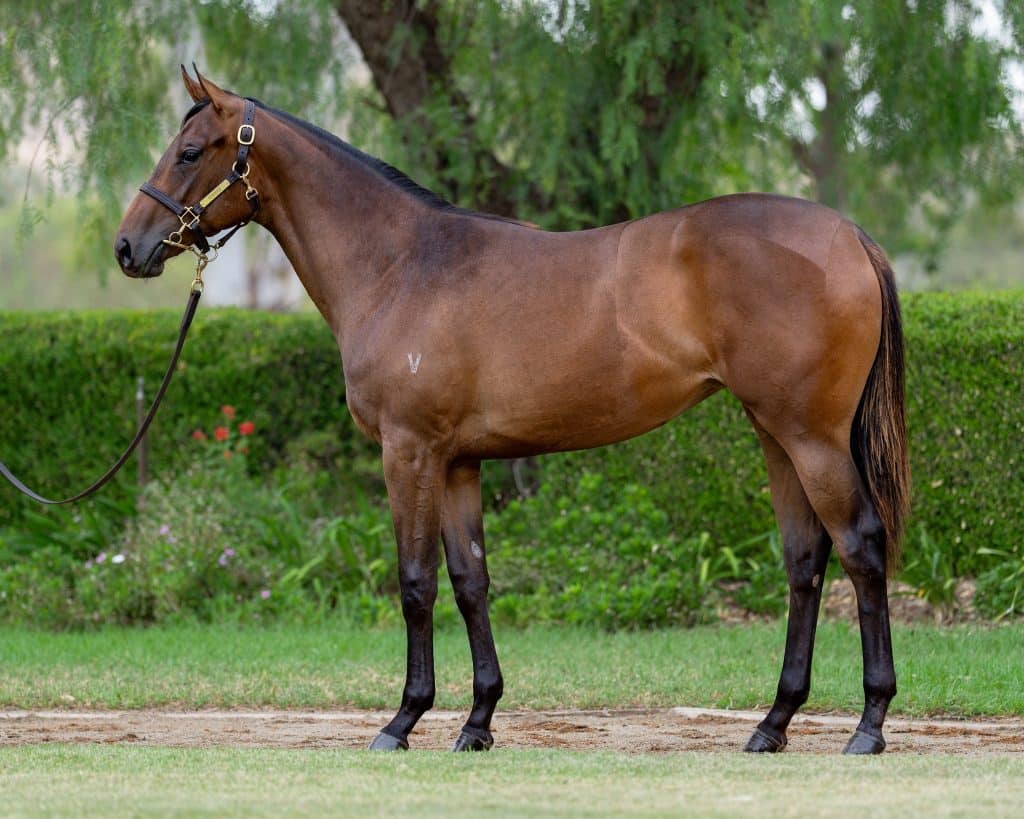
Vinery Stud’s Adam White confirmed to The Straight the outcome of the appeal related to the Savabeel filly was still pending, but was reluctant to comment further.
Melbourne-based Player said: “I can’t really add anything other than detailing what’s already happened and I’m just letting the process run its course because it is for Vinery and Thoroughbred Breeders (Australia) to resolve.
“But this is one of those things now we can look at and say, ‘well, there’s international trade implications as well’.”
The Straight has been told a member of Gollan’s management team reached out to Racing Australia about the embargo on the daughter of Spirit Of Boom in the weeks leading up to January’s sale seeking its removal, having put the horse on their short list during pre-Christmas on-farm inspections.
Telemon Thoroughbreds studmaster Dan Fletcher revealed that in the case of the Spirit Of Boom filly, her foal ownership declaration and Adio’s mare return were lodged after the deadline due to adverse personal circumstances for the breeder at the time.
The foal ownership declaration notice sent by Racing Australia also went to the owner’s junk email folder, Fletcher said.
“He was unaware he even needed to complete a foal ownership declaration and as soon as he was made aware of it, he did it,” the Queensland studmaster said.
“But because it was outside of the timeline, the embargo exists. He hasn’t been able to explain the circumstances under appeal.”
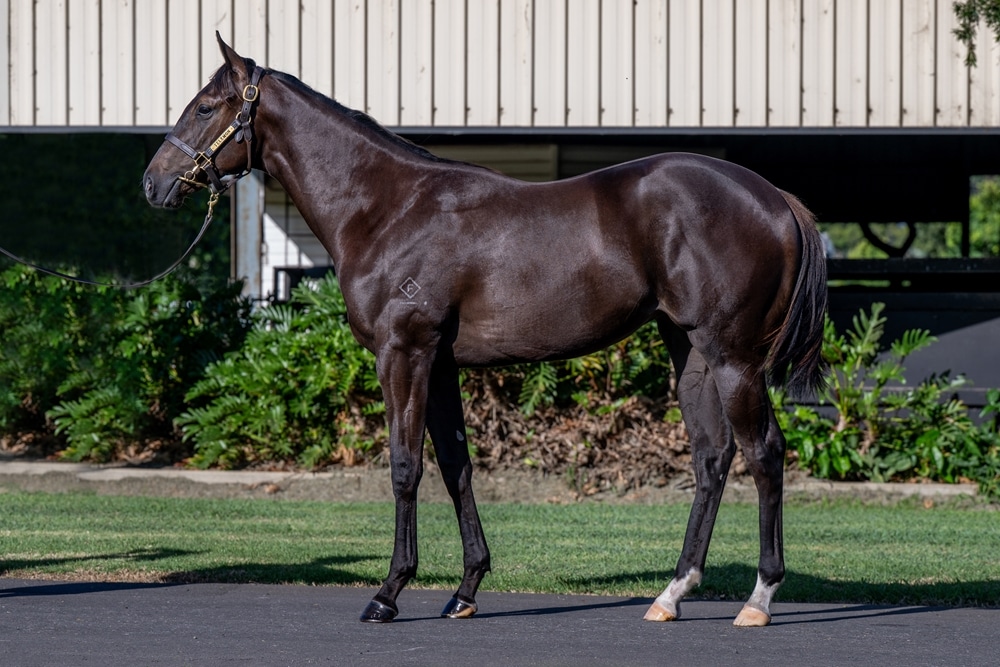
After the initial rejection, another appeal has been lodged with further information provided by the breeder in the hope of having the embargo overturned and the sale of the filly processed, according to Fletcher.
While two Magic Millions-sold yearlings remain under appeal, other embargoed horses identified by the company in early December had their bans removed by Racing Australia before the January auction.
Racing Australia chief executive Paul Eriksson would not discuss specific cases as “it’s between us and the owners”.
“The only comment I’ll have is that the enforcement of the rules, which have been around for some time – I think the rules have been around for over five years, I’d need to check the exact date, so I’m sorry – has resulted in a very significant reduction in late foal ownership declarations,” Eriksson told The Straight.
“The objective of enforcing it has been, at this point, achieved, and any appeals that have been lodged will follow a process, and it’ll be between us and those who have lodged the appeals.”
One of the criticisms levelled against Racing Australia has been its lack of communication with participants impacted by the enforcement of the foal declaration rules, which were introduced to improve horse traceability.
In addressing the criticism, Eriksson said: “The guidelines talk about exceptional circumstances. When no information is provided other than the appeal and there’s nothing to support it, the process is we go and ask for information and that has delayed some (hearings).
“And the Christmas-New Year period, because we use independent adjudicators, they are barristers, and they take leave. We can’t tie them up (for that).”
When The Straight reported on the issue last year, TBA president Basil Nolan was concerned that one in six foals born in 2025 could be put under an embargo.
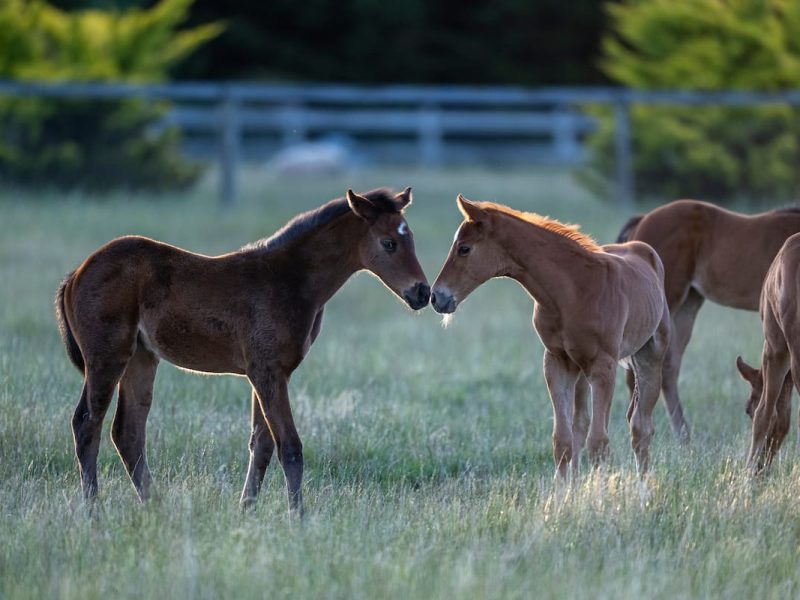
However, Eriksson says compliance from breeders had improved markedly during the last foaling season.
“There’s been a … a very significant reduction in the number of late foal ownership declarations being made and there are very few from the 2025 season,” he said.
“But we’re not going to go into absolute specifics. This is confidential information.”
While the embargoes do prevent horses from racing in Australia, there is nothing stopping a banned horse from being exported and racing in another jurisdiction, such as New Zealand, Asia or South Africa.
Embargoed colts and fillies could also go to stud despite the bans, with their foals eligible for admission to the Australian Stud Book.
Author

Related Articles
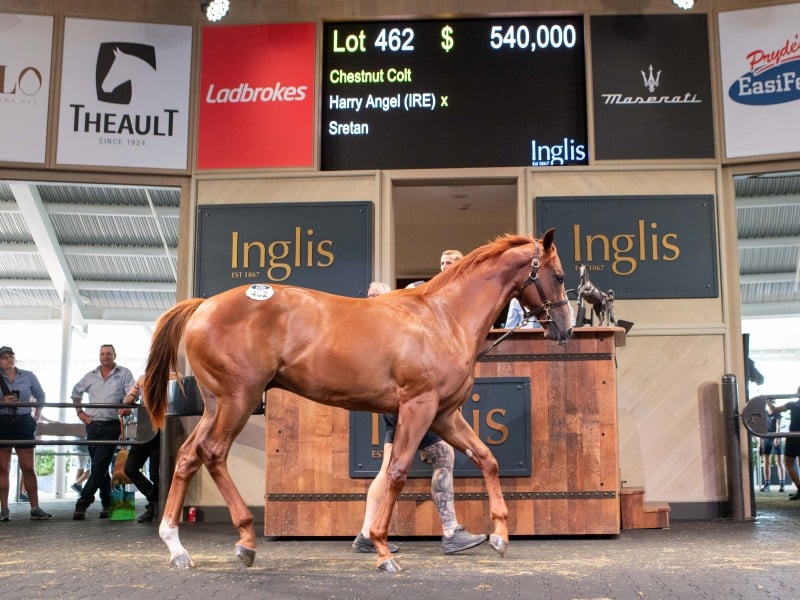
Classic’s Angel investors seeking stallion prospect to boost Equine Growth Fund’s fortunes
Equine Growth Fund flexed its investment muscle at the Inglis Classic, paying $540,000 for a Harry Angel colt as founder Stefan Pardi detailed the group’s strategy to make a major impression on the Australian sales season.
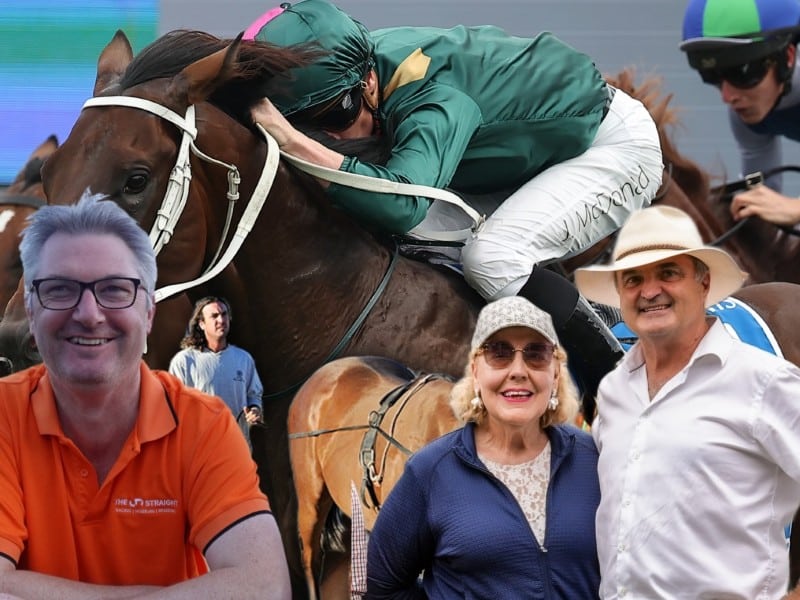
Rowe On Monday – Howard back for Star cameo, Corboy chases next bloodstock trade, Snitzel leads the way, why sires’ premierships can be distorted
In today’s Rowe On Monday, agent Brett Howard comes out of retirement for Magic Millions’ Tasmanian sale, everyone’s a winner in Closer To Free sale, Arrowfield stallions on top in sires’ premiership and the implications around counting bonus prize money.
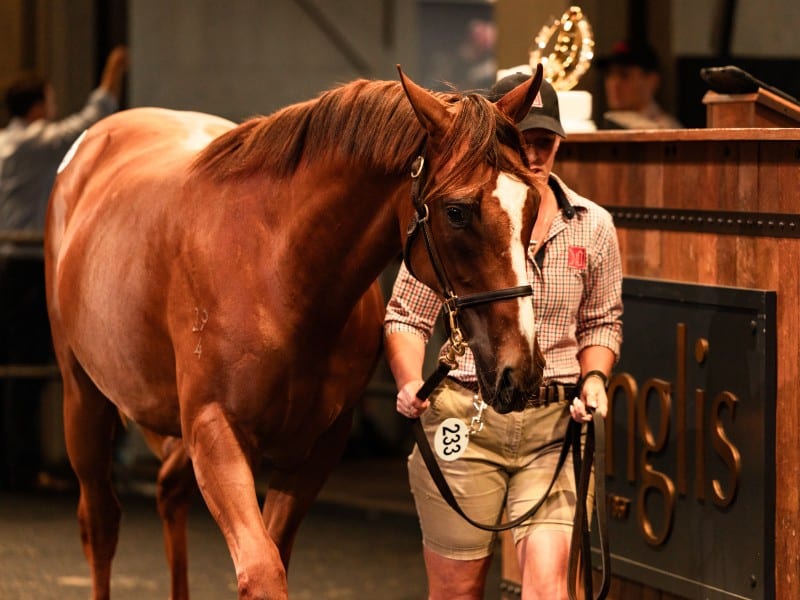
Star’s one-bid strategy lands Classic session-topping Extreme Choice filly
Star Thoroughbreds is looking to reprise the formula which secured it Group 1 success with Espiona after purchasing a daughter of Extreme Choice on the first day of the Inglis Classic Yearling Sale.