
‘It doesn’t actually make thoroughbred breeding business sense’ – the Super Seth gamble paying off for Waikato
By the time the 2020 breeding season rolled around, the previous year’s Caulfield Guineas winner Super Seth owed Mark Chittick and his fellow shareholders NZ$18 million.
The enormous financial outlay was made before the son of Dundeel had even covered a mare in his first season at Waikato Stud, a farm renowned for standing champion sires, at an introductory service fee of $35,000 (plus GST).
Chittick and his fellow investors such as Pencarrow Stud’s Sir Peter Vela and GSA Bloodstock’s Jonathan Munz, who raced the Anthony Freedman-trained colt, had a theory about how best to breed to Super Seth given his pedigree.
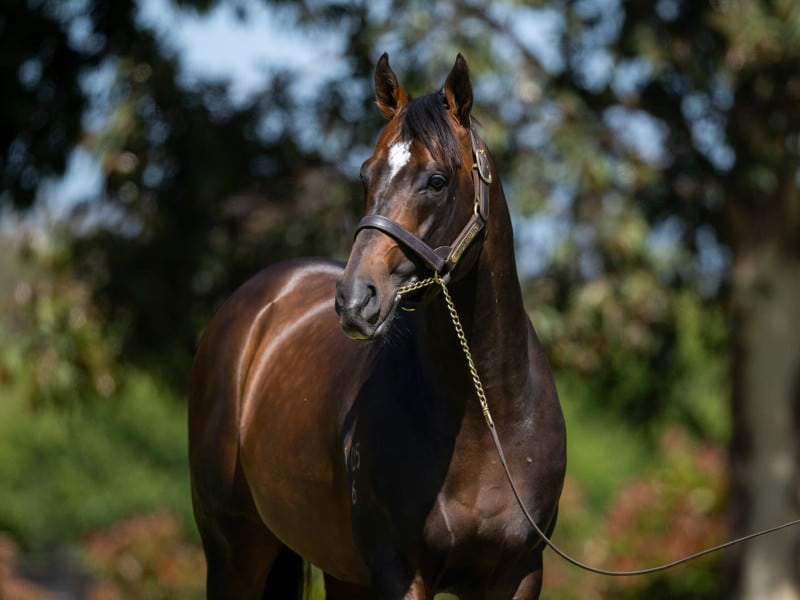
“It was really interesting as Super Seth is a horse that stands a good 16hh, 16.1hh, but how do we put it, we were a little bit conscious of his pedigree and his sire and making sure that we bred good-sized horses,” Chittick tells The Straight in reference to the stature of Dundeel who stands 15.3hh.
“But what became evident pretty quickly was that he didn’t want too much size on the mare side. A good medium-sized mare is ideal for him.
“Certainly, in that first crop, we did get a couple of big ones out of those bigger mares.”
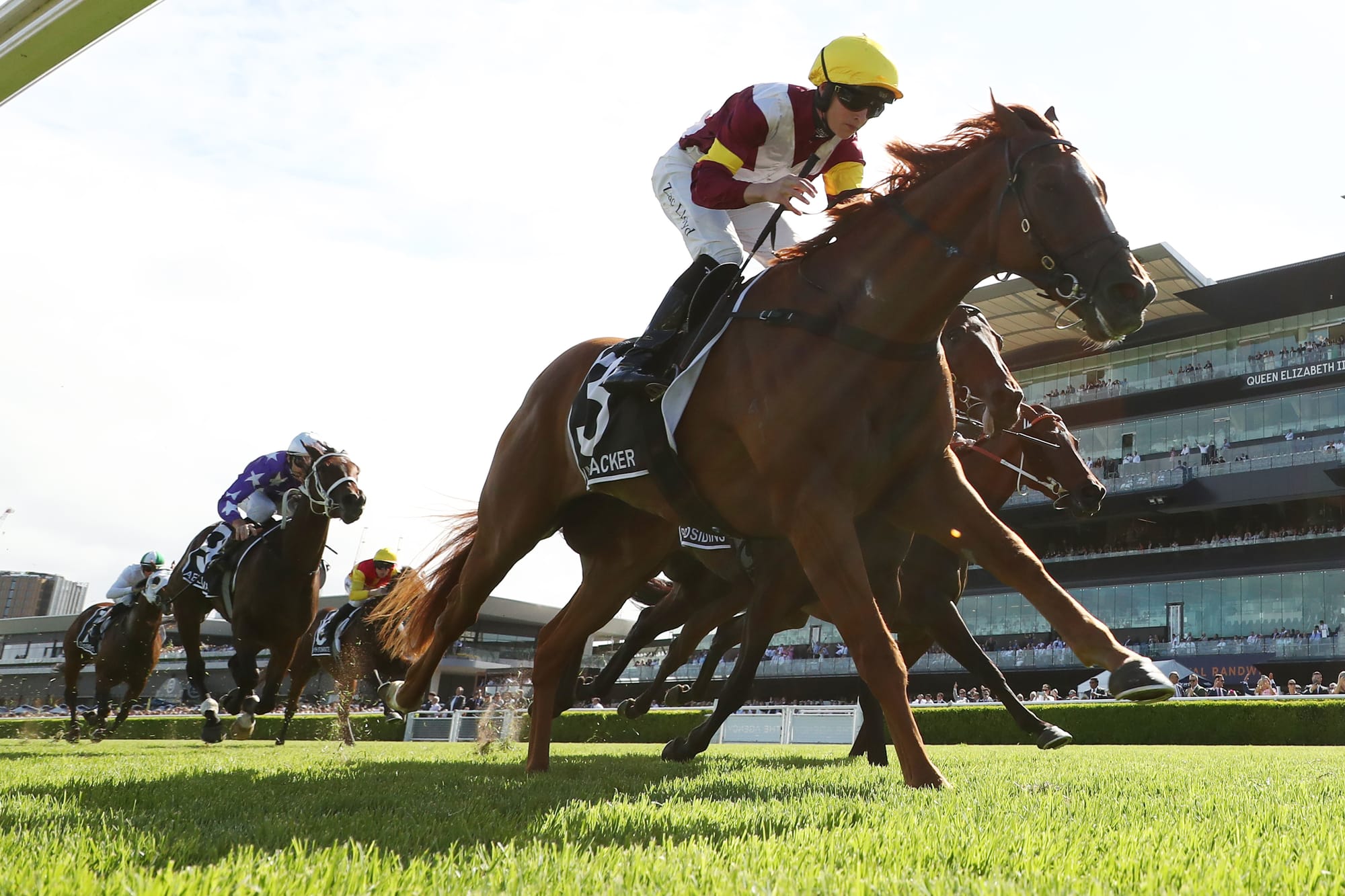
Of course, with the passage of time, Super Seth’s first crop has excelled where it matters most, on the racecourse, with Feroce winning the Australian Guineas and Linebacker taking out last Saturday’s Randwick Guineas and in doing so defeating last season’s champion two-year-old Broadsiding.
To put his start at stud into context, at the same stage of his barnmate Savabeel’s career, the nine-time champion New Zealand stallion had sired three stakes winners, the best being a Group 2 winner, compared to Super Seth’s six headlined by Group 1 winners Linebacker and Feroce.
Super Seth is also the sire of this season’s Karaka Millions 2YO winner La Dorada, Group 3 winner Sethito and Sunday’s Black Opal Stakes-placed juvenile Sanctified,
The Chris Waller-trained Kilman, another two-year-old by Super Seth, won his first start at Warwick Farm last week and he is nominated for Saturday’s Group 3 Pago Pago at Rosehill, indicating that the future looks bright for the Waikato Stud sire as a potential heir apparent to Savabeel.
But in 2021, as Super Seth’s foals were on the ground, Chittick had to make another giant leap of faith – and investment – in his expensive young stallion.
Super Seth, who ran down Alligator Blood in his crowning Caulfield Guineas victory with withering closing sectionals, covered 143 mares in his maiden season at stud, 109 in his second year and just 65 in his third season.
To suggest Chittick was nervous was an understatement considering the considered gamble the family owned Waikato Stud had made in order to buy Super Seth.
Only now is he prepared to make a rare public admission about the difficulties he encountered after Super Seth’s first foals were born.
“I haven’t said this to any of the press before, but I will now. It really surprised me in the lack of support we had in year two and that lack of support even involved the ownership group and that really surprised me with the investment that had been made (in Super Seth),” Chittick says.
“It was just about changing your thought process and breeding the best type that you can. And really in year two, the most support out of the ownership group that he got was obviously from Waikato Stud and from Pencarrow Stud.
“But he was sent a really good book last year of 150-plus mares (164). Let’s just say, they all seem to be back on board now.”
At times, thoroughbred breeding makes even the most hardened stallionmasters question the economics of such a volatile and drawn-out investment that is standing high-priced stallions.
Super Seth cost A$15.5 million when he was purchased by Waikato Stud, making him the most expensive stallion to ever stand in New Zealand.
His first crop yearlings sold up to $625,000 at an average price of $148,551, while his second crop averaged almost $11,000 more, before dropping this year to $103,284 in response to his smaller third crop.
“We reckon by the time he served his first mare he owed the syndicate somewhere around NZ$18 million, and of course we’re the major shareholders,” Chittick says.
“So, certainly there’s a long time that you’re under serious, serious pressure. At that entry level, we wouldn’t have our money back on him yet.”
In the past, there was a simple formula used to determine the initial service fee of a stallion, that being the amount paid divided by 450 or 500 mares the horse was expected to serve over three seasons.
At that point of a sire’s stud career, with yearlings and weanlings on the ground and another season of mares in foal, shareholders were expected to have broken square or even be in front financially.
But as the cost of the elite colts off the track has skyrocketed, in line with the overall growth of the Australian bloodstock market, in particular, getting your money back before a sire’s progeny has hit the track has become increasingly difficult.
“Unfortunately, that is no longer the case. It doesn’t actually make thoroughbred breeding business sense (to pay so much),” Chittick says of buying expensive stallions such as Super Seth.
“But, going back to our purchase of him, along with the purchase of the previous ones, like Savabeel and O’Reilly, whoever it may be, we do step up. We pay the asking price and we pay their breeding price and then we go about farming our way out of it.”
 Bren O’Brien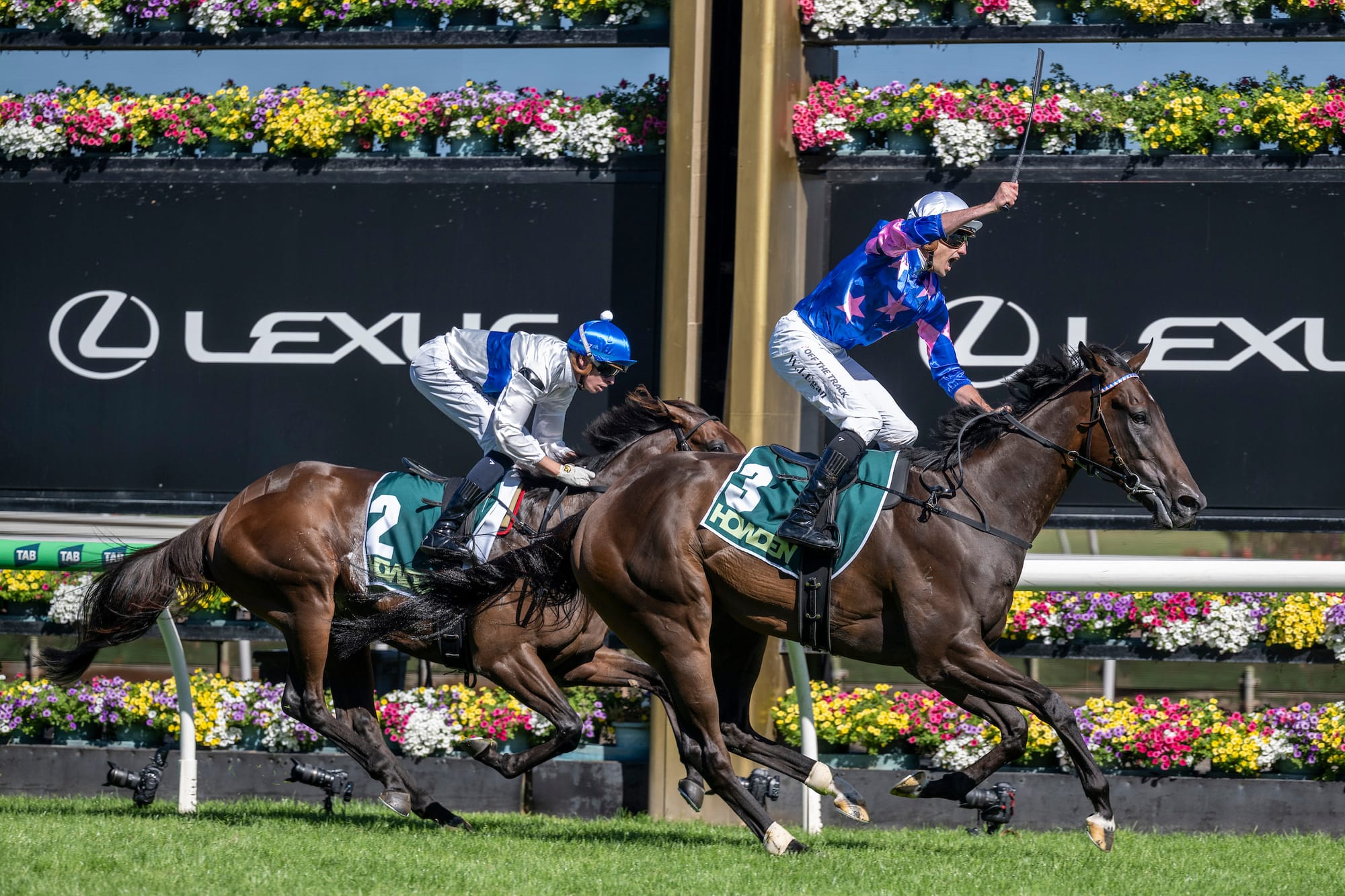
That is why the majority of commercial studs have their own colts syndicates or take equity in yearlings in the hope of turning them into stallion prospects.
For example, Newgate Farm, Australia’s busiest stallion operation in 2024, has also bought into talented young horses at a discount before they’ve won a major, such as Extreme Choice, Stay Inside and Ozzmosis, all subsequent Group 1 winners now at stud in the Hunter Valley.
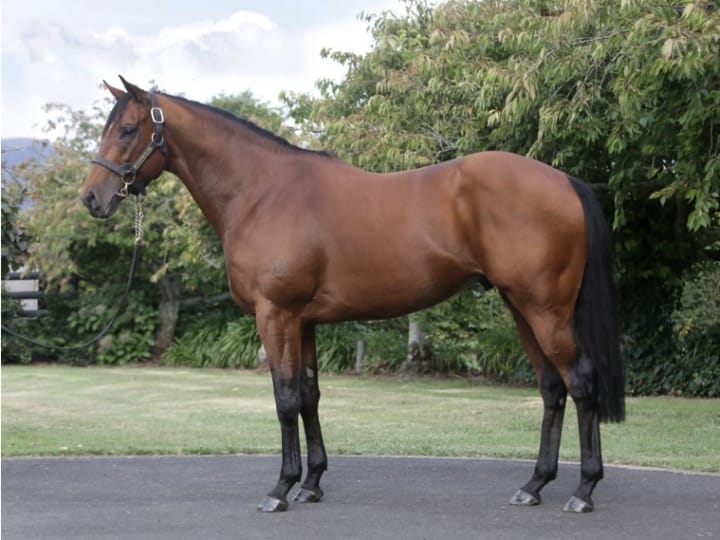
Waikato Stud’s case study of the financial returns of acquiring so-called cheaper stallions is demonstrated by Noverre, Savabeel’s 2021 New Zealand 2000 Guineas winner whose career was cut short by injury after that Group 1 win.
It really surprised me in the lack of support we had in year two and that lack of support even involved the ownership group and that really surprised me with the investment that had been made (in Super Seth)” – Mark Chittick
Chittick’s father Garry bred Noverre and retained a significant share in the colt after selling him to Te Akau’s David Ellis at the 2020 New Zealand Bloodstock Karaka Yearling Sale.
He raced on just five occasions before going to stud, covering 127 mares in his first season, at a fee of $10,000 (plus GST), 136 the following year and 179 in 2024. His first crop yearlings this year have sold up to $500,000 at the Magic Millions and $310,000 at Karaka, owing to their perceived good looks and racing attributes.
“Look, what you’re alluding to is that the original purchase price (for a stallion), certainly at that top end of the market, is hard at work, whereas you take Noverre, who served 150 mares last year and, at the money that he’s at, we’re pretty well out of him before he gets a runner,” the Waikato Stud principal says.
“But certainly, we still buy them because they are the key to our business and having the right stallion.
“Sometimes you’ve got to pay the top end of the market and sometimes you don’t due to various circumstances.
“Once you’ve got all the foals on the ground, hopefully they’re good types and once they line up as two-year-olds, it doesn’t matter where they came from, they’re all in the barriers and they start at the same time.”
Super Seth’s rise up the ranks will cause Chittick a welcome headache: how much to stand the stallion for this year?
Chittick will make a call after the autumn carnival in Sydney and Melbourne takes place where Linebacker and Feroce, among other offspring of Super Seth, are targeting further Group 1 trophies.
Author

Related Articles
Rich Hill sticks with status quo with champion sire Proisir on top
Rich Hill Stud’s John Thompson has stuck with an unchanged stallion roster, with the New Zealand studmaster keeping champion sire Proisir at the top of the list.
Yulong secures Hunter Valley presence with Segenhoe purchase
Yulong’s long-mooted expansion into the Hunter Valley has been unveiled after it secured Segenhoe Stud as its New South Wales stallion base in a deal worth more than $30 million.
New blood bolsters Yulong two-state approach
Star stallion Alabama Express will be joined by Yulong’s Group 1-winning pair Devil Night and Private Harry at Yulong’s new base in the Hunter Valley,