
🔒 🔒 King Island shelves season but vows to plot a path back
A second consecutive summer without racing has done little to dent King Island Racing Club’s resolve, with officials already laying the groundwork for a return in 2027/28.
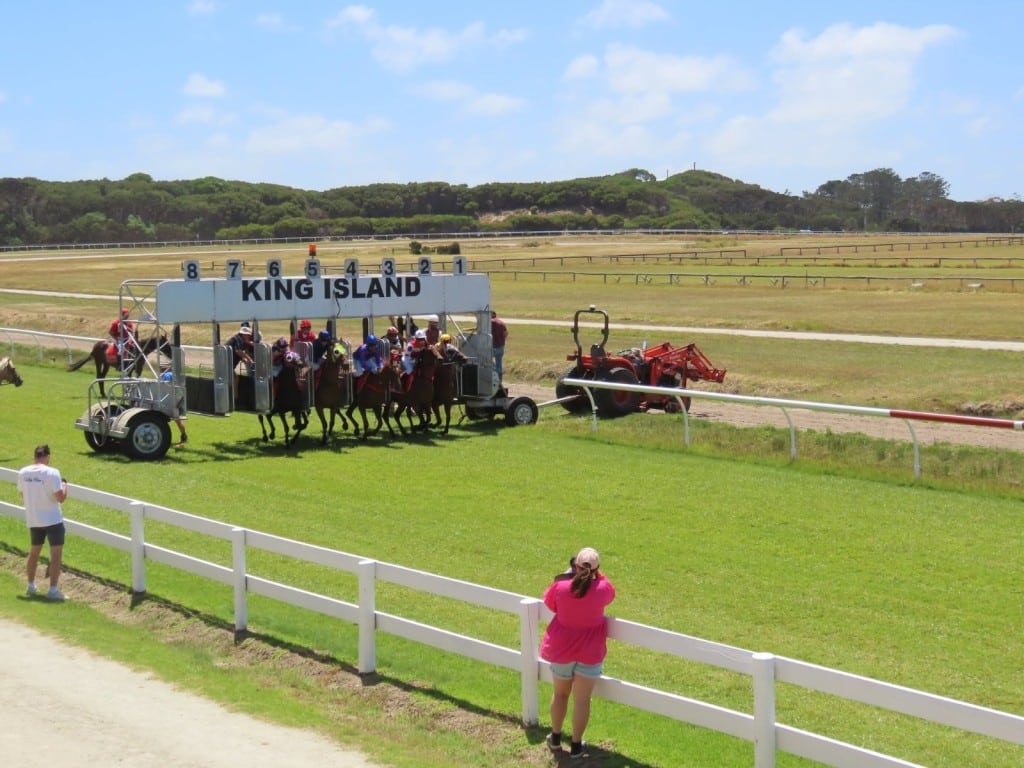
King Island Racing Club has abandoned its season for a second successive year after failing to attract enough horses to race, but president Audrey Hamer insists the move isn’t the end of a century-old thoroughbred tradition.
The decision, made at a committee meeting on Wednesday, means racing will not be staged on the Bass Strait island for the second consecutive season after months of trying to assemble sufficient horse numbers and industry support to make the traditional summer program viable.
“It was a unanimous decision not to go ahead, which is unfortunate for King Island,” Hamer told The Straight.
But instead of dwelling on another lost season, Hamer has vowed to spend the next 12 months generating support, encouraging sponsorship commitments and giving prospective owners and trainers greater certainty before asking them to prepare horses for 2027/28.
“A lot of people say it’s sad to see racing stop, so I’m going to ask what they can do to help through sponsorship for next season,” she said.
“If we have a decent amount of sponsorship, we won’t need the extra $25,000 from Tasracing and we’ll try and do it ourselves.”
Despite the absence of racing, Hamer says community support for the club remains strong.
“I’m not saying that the future of racing here is completely finished,” Hamer said. “The club’s not folding or anything like that.
“We’re just going into recess for another season. And if there’s people out there that can help in any way at all, sponsorships or willing to send horses over for a local trainer to train here on the island, that’s what we need.”
King Island has staged thoroughbred racing for more than a century, with its handful of summer meetings becoming one of the island’s signature community events.
An attraction for tourists alongside its internationally acclaimed golf courses, racing on the island has long survived changing economic fortunes, fluctuating horse numbers and the logistical challenge of operating almost 100km from the tip of Tasmania’s northwest coast.
Unlike most country clubs, King Island has never enjoyed a large resident horse population to draw on, instead relying on owners and trainers to transport horses across Bass Strait, making long-term planning and financial certainty essential to the viability of its annual season.
Those challenges have become more pronounced in recent years as King Island horse numbers have declined, operating costs have increased and fewer trainers have been able to commit to a window of racing between November and January.
The scale of the task confronting the club this year was reflected in the fact only two active thoroughbreds are currently based on King Island, leaving organisers well short of the numbers required to conduct a race season.
Tasracing attempted to help preserve the season by offering additional funding, but Hamer said confirmation of that support came only weeks before a July 31 deadline for expressions of interest from Tasmanian and mainland stables.
“It didn’t give everyone a lot of time to make the last-minute decisions,” she said.
Under Tasracing’s policy, each King Island meeting would need to comprise at least five races, with a minimum of five acceptors.
But the club could only muster 21 horses among the small cohort of trainers who committed to 2026/27 – well short of the 30 thoroughbreds and standardbreds required to ensure the season went ahead.
Tasracing’s package included up to $25,000 in additional subsidies on top of the existing $600-per-horse freight allowance, replacing the enhanced prize money model used in previous seasons.
The regulator’s travel costs alone for a King Island season are estimated to be more than $70,000.
Hamer said the committee examined a proposal for the club to take a more direct role in rebuilding the horse population but determined such an arrangement was outside its constitutional role.
She believes the club’s responsibility is to provide a venue for racing rather than becoming a proxy owner, which could leave the volunteer committee exposed to liability issues.
“The club is there for trainers to bring horses to the club to train so they can race – it’s not up to the club to provide the horses to train,” she said.
Related Articles
Waller and Melham sweep Caulfield Group 1s with Birdman and Angel Capital
Birdman strengthened his Cox Plate credentials in the Underwood Stakes before Angel Capital ended a run of top-level near misses in the Sir Rupert Clarke Stakes.
Autumn Glow controls 7 Stakes to extend near-perfect record
Autumn Glow defeated stablemate Aeliana at Randwick, recording her 13th win from 14 starts before a planned King Charles III Stakes appearance.
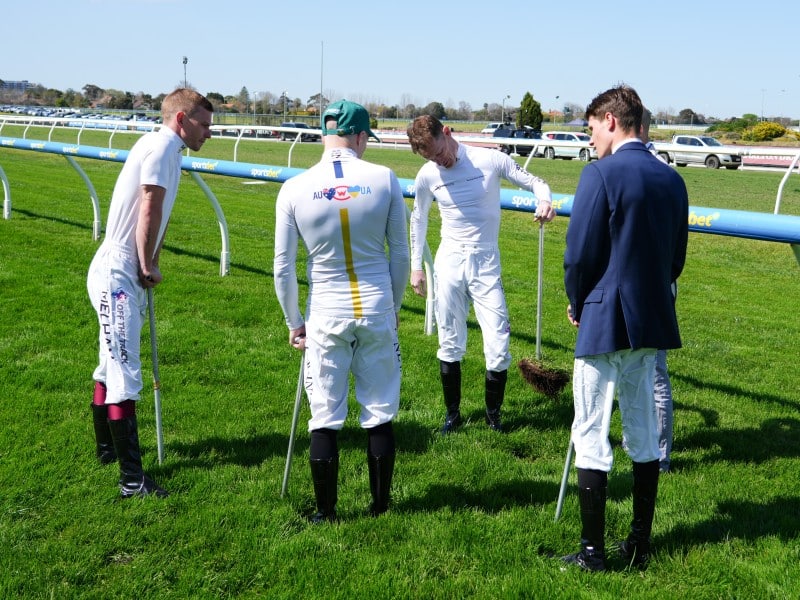
Stewards order Caulfield rail shift after track concerns ahead of Group 1 raceday
Stewards were forced into a last-minute move to shft the Caulfield rail out an additional four metres on a dual Group 1 raceday, with the opening race delayed while works were completed.
