
Home of the silver fern now a golden opportunity for renewed Australian investment and interest
After giving up on New Zealand racing, John Sargent is ready to get involved again in a clear indication that the industry in which he became a household name is on the mend.
A premier trainer in two countries during a long career in his homeland and Malaysia before settling in Australia, Sargent’s change in attitude is a Trans-Tasman reflection of the new-found enthusiasm for what is happening in New Zealand.
A revival is underway, underpinned by the NZ TAB’s wagering deal with the globally recognised Entain brand.
And a decade after walking out, Sargent wants to be a part of it as soon as possible – provided his recent Karaka yearling sale purchases make the grade.
Like many New Zealand trainers before him, Sargent was lured to Australia in 2012 because the money was better.
He tried to follow a business model adopted by compatriots such as Mike Moroney and Graeme Rogerson who maintained Trans-Tasman stables but it didn’t work.
His Sydney operation was supposed to be a satellite venture for his Matamata base but that idea was soon transposed until keeping a team in work in New Zealand wasn’t viable.
Three years after having a record 111 winners to claim the New Zealand trainers’ premiership, Sargent closed his Matamata yard.
But while admitting concern for the future of the industry, Sargent still wanted to campaign horses in New Zealand’s best races from his newly adopted Sydney.
He’s rarely been back, having only two New Zealand runners since making his Australian move permanent in 2014.
 Bren O’Brien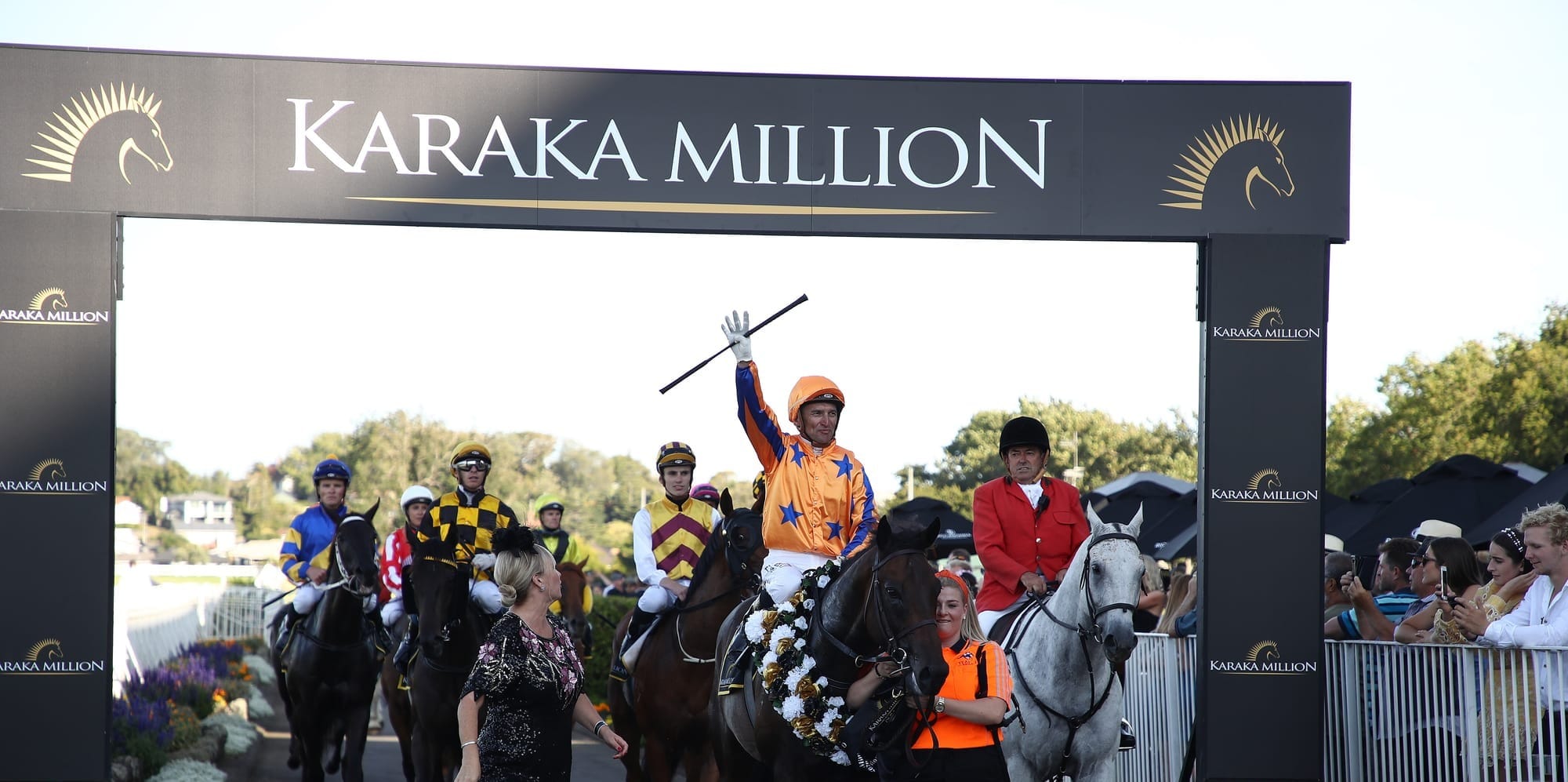
“My Matamata stable was running at a loss and I shut it down,” Sargent told The Straight, explaining that his client base was dwindling.
“I had a lot of Asian owners and they simply didn’t want to race in New Zealand.”
Sargent says he has no plans to reprise a satellite operation but he can sense Kiwi owners will return to the fold and support their trainers.
And now that purses are on the rise and there is an emphasis on innovation, Sargent has been buying bloodstock with renewed enthusiasm for what New Zealand racing will offer.
He knows he is not alone.
“In New Zealand, it has always been about buying and selling to overseas markets,” he said.
“It’s good to see there is a bit of a renaissance and things are coming right because they breed a good horse and it’s good to see racing come back to what it was.
“I bought some at the (Karaka) sales this year that hopefully … they will be paid up for the Karaka Millions and the other races and they’ll go back and race there.
“It’s always been New Zealand horses coming to Australia but I’m sure there will be a lot more going the other way now.”
Australian-trained horses campaigning with success in New Zealand have been few and far between in recent years.
Long Leaf, trained out of Lindsay Park, is something of an outlier as the winner of the Karaka Millions 3YO Classic in 2019.
Sister Havana (2010). Ockham’s Razor (2012) and Hardline (2015) upheld Australia’s reputation for getting the best out of precocious juveniles in winning the Karaka Millions 2YO Classic.
Yet more than a decade has passed since there has been an Australian-trained winner of a New Zealand Group 1 race and it’s not hard to find the reason why.
Atomic Force banked just over $NZ90,000 for his victory in the 2012 Railway Stakes, ending a mini era that started with Starcraft claiming two Group 1 wins during a left-field spring campaign in 2004.
In between, Recurring (2005) and Gold Trail (2010) continued a sprinting theme with their Railway wins.
There was also success on the staying front with Coniston Bluebird winning the 2009 New Zealand Derby for Bede Murray and the Anthony Cummings-trained Zavite beating the Kiwis at their own game in the 2010 Auckland Cup.
But an explosion in Australian prize money levels, the emergence of Asia and the Middle East as travel-friendly racing destinations and the lure of the prestige attached to competing in the UK have made New Zealand a lost frontier.
“My Matamata stable was running at a loss and I shut it down. I had a lot of Asian owners and they simply didn’t want to race in New Zealand” – trainer John Sargent
Chris Waller, one of New Zealand racing’s greatest exports, is a classic example.
In the past decade, the champion trainer’s Australian operation has had just nine New Zealand starters and the results have been lean by his obvious standards.
Like Sargent, Waller is encouraged by programming changes and the evolution of a slot race that will ensure three-year-olds will compete for $NZ3.5 million in the NZB Kiwi in 2025.
He insists it will create new opportunities for his stable, providing there are tweaks to high-profile meetings such as the Karaka Millions.
“Money talks all languages and if (New Zealand) wants to get its prize money up, I bet there will be more than six races (for Karaka Millions day) there next year,” he said.
“The Railway Stakes will be there next year, the Westbury Classic is a fillies and mares race that is knocking on the door of a Group 1 status. If that happens we’ll be taking horses.”
Jessica Owers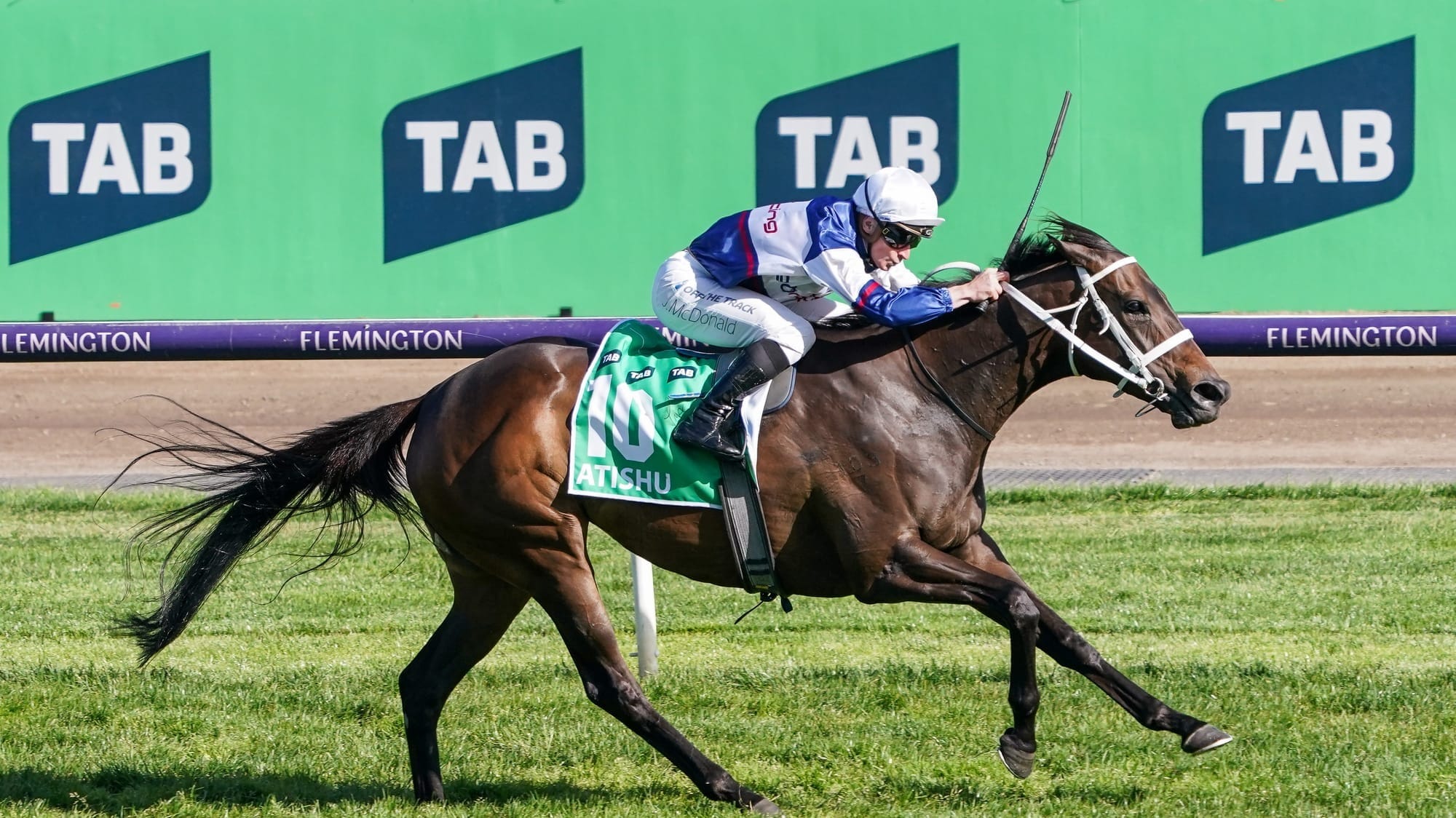
Ahead of an auction for NZB Kiwi slots on Tuesday, there are further signs the recent New Zealand Thoroughbred Racing announcements are stirring Australian interest.
Former Cambridge trainers Trent Busuttin and Natalie Young have taken up a New Zealand Derby challenge from their Cranbourne base with Interlinked as they try to go one better than a similar bid with Rising Red seven years ago.
It’s a scenario that is likely to be employed with a lot more frequency, especially since Te Akau Racing’s arrival in Australia this season.
“Money talks all languages and if (New Zealand) wants to get its prize money up, I bet there will be more than six races (for Karaka Millions day) there next year.” – Chris Waller
Moroney’s Ballymore Racing is always producing a consistent number of winners in both countries but there are young trainers such as Andrew Forsman and Bjorn Baker who have the energy, resources and connections to also make an impact on both sides of the Tasman.
Australian owners also want a part of the action.
Ozzie Kheir has tapped into the Kiwi market to purchase horses such as the Caulfield Cup and Melbourne Cup winner Verry Elleegant and the Group 1 winner Sierra Sue to race out of Australia.
But he envisages having a greater racing presence in New Zealand racing, starting with an intention to bid for one of the nine NZB Kiwi slots.
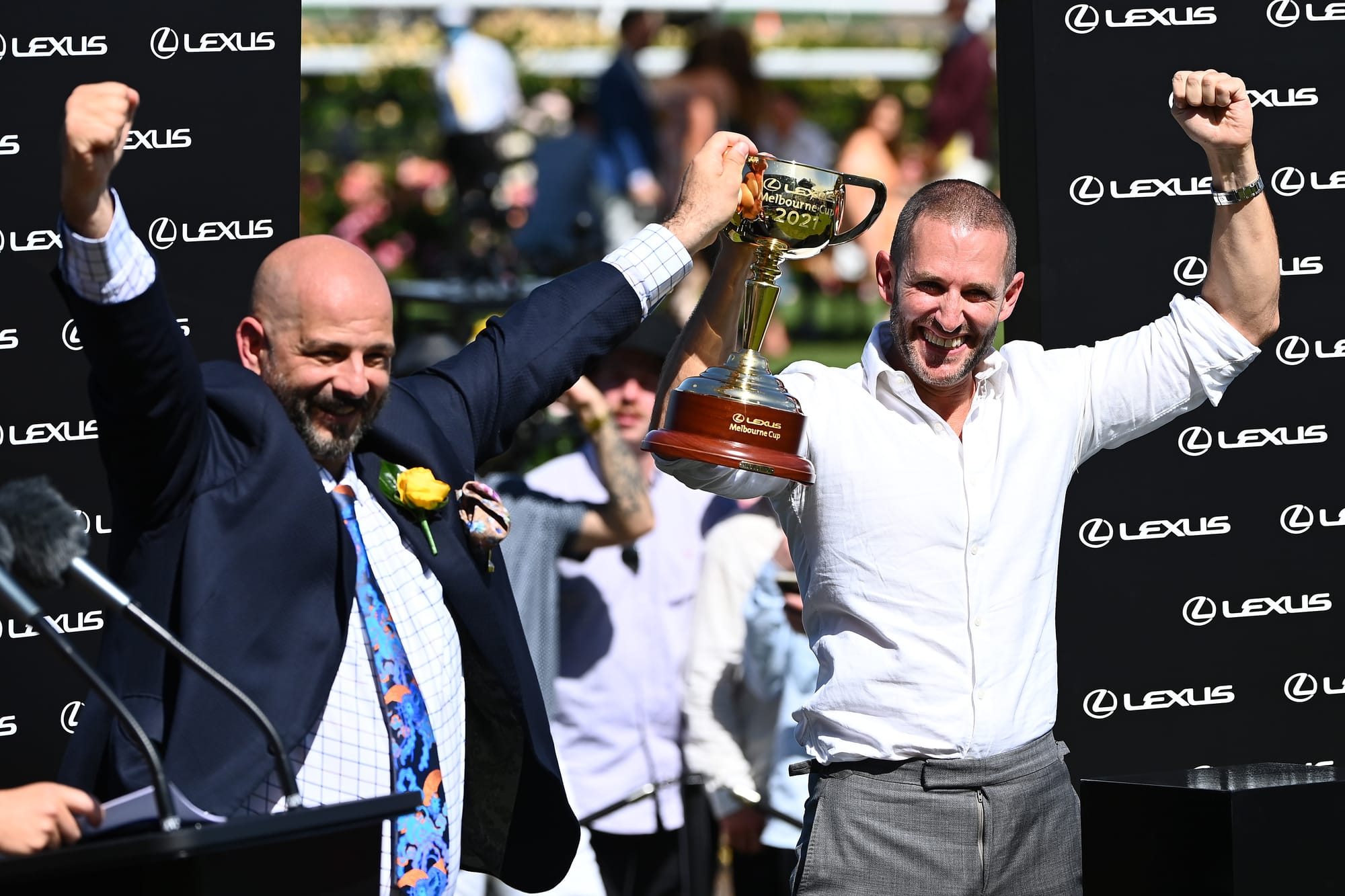
“I am looking at the options available there. I would like to be involved if we can and support it,” he told the NZ Racing Desk.
“I think it is fantastic because it gets to a point in New Zealand where if they (horses) are good enough, they have to leave New Zealand and chase the prizemoney in Australia.
“I think increasing prizemoney and putting these slot races on attracts the owners to stay and race in New Zealand, or in cases like us, come back and race in New Zealand.
“We might be buying horses for Australia but when those races are available there is no reason why we wouldn’t come back and race in them ourselves, and that is how it all starts.”
Related Articles
Extreme measures – With Golden Slipper on the horizon, Kennewell takes Book 2 punt
Lloyd Kennewell is hoping he can repeat the success of stakes-winning External Warrior after going to $220,000 to top Book 2 for another colt by Extreme Warrior on the final day of Inglis’ Melbourne Premier Yearling Sale.

Social media influencers in the sights of gambling regulator
Liquor & Gaming NSW has foreshadowed a crackdown on influencer promotions of betting and gambling products with companies held responsible for all marketing content shared online.

Awaiting the facts – Racing Australia publishes Fact Book after delay
Racing Australia’s Fact Book, usually published in December or January each year, has finally made an appearance on Tuesday with the industry none-the-wiser as to the reasons for its delay.