
🔒 🔒 Debt still weighs on MRC’s bottom line, but gaming lifts revenue to record $281 million
Melbourne Racing Club chairman Cameron Fisher says racing remains at the club’s heart, but it was a surge in gaming proceeds, which now make up 46 per cent of MRC’s revenue, that delivered a record result.
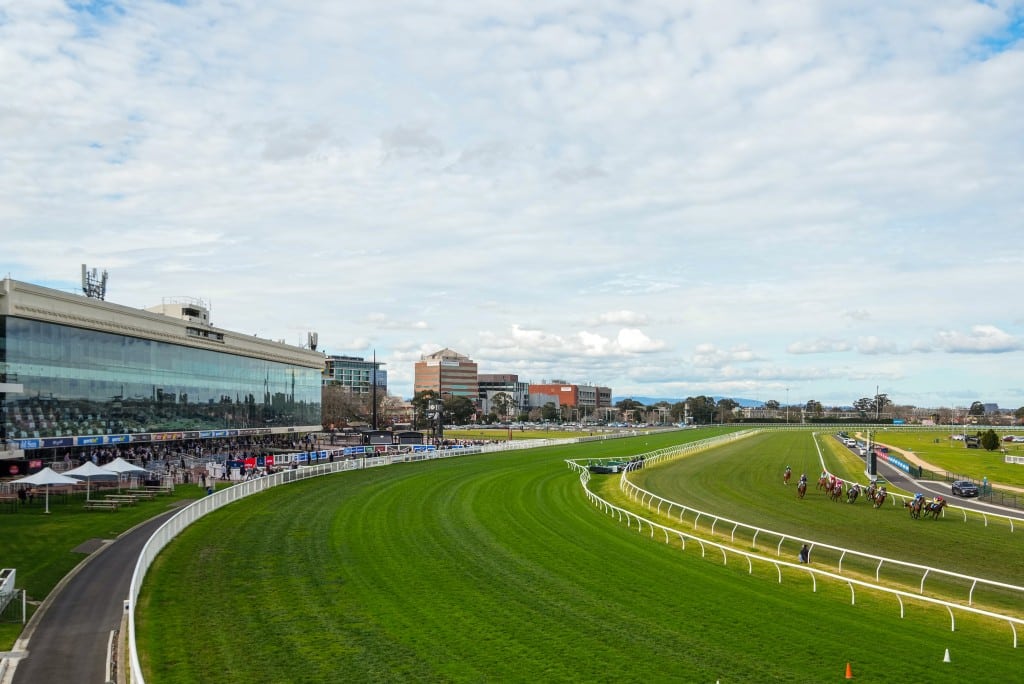
Melbourne Racing Club’s gaming interests helped deliver record revenue of $281.4 million for the club, while the $10.9 million cost of servicing substantial debts kept the group in deficit for another year.
The $10.6 million net loss for the 2025/26 financial year was a $4.1 million improvement on the previous year’s $14.7 million deficit. Underlying EBITDA was $31.5 million, while operating cash flow remained positive at $20.3 million.
But as bank debts continued to increase by $19.5 million to $197.7 million, the club is still awaiting the progression of a sale of a parcel of land on the western side of Caulfield.
Gaming venue revenue rose by almost $10 million to $128.2 million, accounting for about 80 per cent of the $12.4 million increase in total revenue and other income.
Pegasus Leisure Group expanded to 17 venues after acquiring The Cumberland Club, formerly the Pascoe Vale RSL, and The Cheltenham Club, formerly the Cheltenham-Moorabbin RSL.
The expansion increased MRC’s gaming machine entitlements from 990 to 1078. Gaming venue expenses also rose, climbing from $72 million to $79.8 million.
Other revenue gains were smaller. Catering, dining, hospitality and events increased by $2.3 million to $23.5 million, while sponsorship and broadcasting rights rose by $1.3 million to $22.9 million. Thoroughbred Racing Industry Distributions were almost unchanged at $74.8 million, and wagering and other racing revenue edged up to $14.2 million.
MRC staged 80 meetings and 677 races during the year, compared with 79 meetings in 2024/25. Total wagering turnover increased from $1.94 billion to more than $2.18 billion, a growth of 12.4 per cent.
While the club only hosted one extra meeting, significantly, the number of races it staged increased by 12.5 per cent, from 602 to 677. That meant that the turnover per race figure was largely unchanged.
The Caulfield Cup Carnival generated turnover of $245.6 million, up 3.9 per cent, while Caulfield Cup Day turnover rose 7.7 per cent to $124.7 million. The three-day carnival attracted 52,070 people, including a sold-out Cup Day crowd of 28,000.
Overall attendance reached 242,800 and membership increased by about 4 per cent to a record 16,335.
MRC treasurer Alison Saville identified the cost of borrowings as the main barrier to a return to surplus.
“The primary pressure on the result was $10.9 million in interest on the existing debt position,” Saville said.
MRC intends to use the proposed $195 million sale of its Caulfield Western Precinct Land, adjoining Kambrook and Booran roads, to retire its bank debt.
Mount Scopus College’s plans to acquire the land, which was valued at $195 million in late 2024, were announced nearly two years ago.
The conditional transaction had not completed by 30 June and remained subject to approvals and other conditions, meaning the land was not classified as an asset held for sale in the financial statements.
The club’s $210 million banking facility was due to expire on July 1, requiring the full $197.7 million debt balance to be classified as a current liability at year-end.
MRC reported that it subsequently entered a new $250 million facility with ANZ on September 10, extending its funding to 28 February 2028.
As it stands, its net assets stood at $606.2 million, down from $611.3 million.
Saville said completing the transaction would allow MRC to retire its bank debt and release cash flow currently directed to interest payments.
Chief executive Tanya Fullarton, appointed in October 2025, oversaw the adoption of a new five-year strategy covering racing operations, financial sustainability, facilities and the use of MRC’s property holdings.
“The new five-year strategy developed by our team, endorsed by the Committee, provides a clear plan for the Club,” Fullarton said.
The club has also reaffirmed that racing will remain at Sandown.
The annual report was authorised last Thursday, two days before concerns emerged over the Caulfield track ahead of Saturday’s Group 1 meeting.
Stewards ordered the moveable rail shifted an additional four metres between the 350-metre mark and the winning post after an inspection identified problems near the inside rail. Completion of the change pushed back the first race by 10 minutes.
MRC said several standard track-repair plugs appeared uneven or loose. Racing Victoria made the alteration after consulting riders, keeping the affected section out of use for the meeting. The club has ordered an immediate review.
The issue occurred three weeks before the $3 million Caulfield Guineas and four weeks before the $6 million Caulfield Cup.
MRC plans to complete the first full resurfacing of the Caulfield Course Proper in more than a decade after the spring carnival. It has acquired and grown 85,000 square metres of turf for the project, with resurfacing prepayments contributing to the rise in borrowings during 2025/26.
The improvement in annual financial results came after a difficult 2024/25 that included a $6.3 million impairment associated with the abandoned Caulfield Masterplan and a $654,000 impairment following the grandstand fire.
“Racing remains at the heart of the Club. The Committee’s position on Sandown is clear: racing will remain at Sandown, with a priority to return premium racing to the venue and make better use of one of Victoria’s best racing assets,” MRC Chairman Cameron Fisher said.
“This builds on commitments already delivered for members, including returning the Caulfield Mounting Yard to its traditional position and abandoning the proposal to demolish the Caulfield grandstand.
“Our focus is now on looking after and improving the assets we already have. This includes long overdue works to member facilities at Caulfield, including replacement of the ageing lifts, together with sensible investment across our racecourses and venues.”
Fisher assumed the chairmanship last October after the sudden departure of previous chair John Kanga on the eve of the 2025 spring carnival.
Author

Related Articles
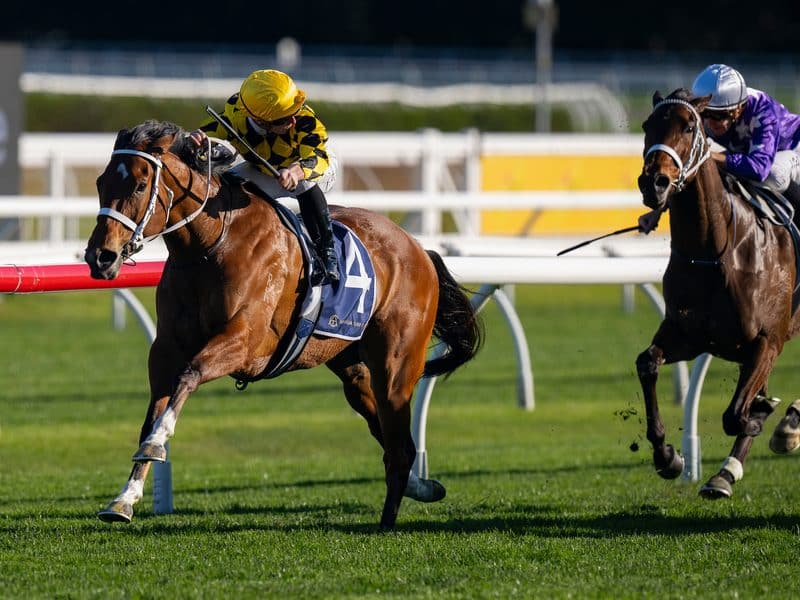
Gallery: Stars of Saturday – Caulfield and Randwick
All the star performers from Saturday’s stakes racing in Melbourne and Sydney over the weekend from the perspective of photographers from The Image Is Everything.
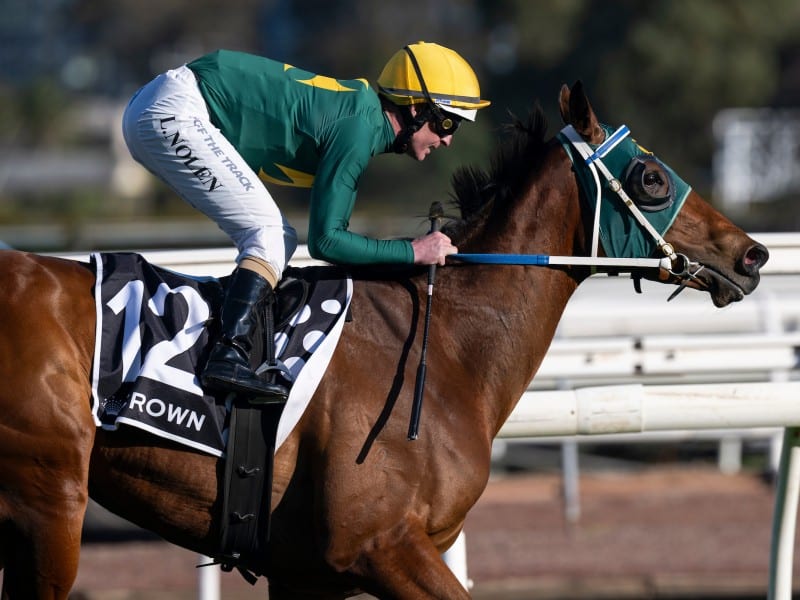
Sheza Alibi to take 2000-metre route into Golden Eagle
Makybe Diva Stakes winner Sheza Alibi will make her first attempt at 2000 metres in the Might and Power Stakes before dropping sharply in distance for the $10 million Rosehill feature.
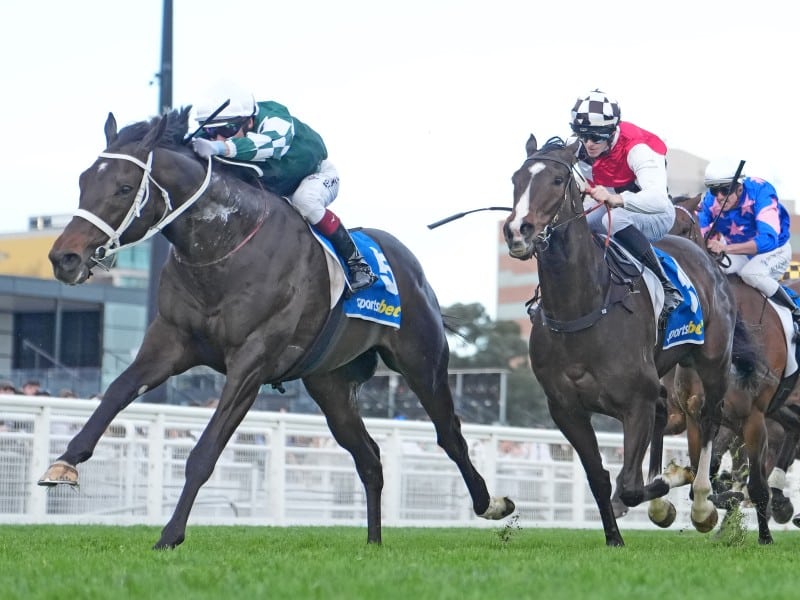
Waller and Melham sweep Caulfield Group 1s with Birdman and Angel Capital
Birdman strengthened his Cox Plate credentials in the Underwood Stakes before Angel Capital ended a run of top-level near misses in the Sir Rupert Clarke Stakes.
