
Munz lost the vote, but has he won the war?
COMMENT: The departure of another of the executives who was on the hitlist of TROA chairman Jonathan Munz moves Racing Victoria closer to looking exactly like what the billionaire owners rep hoped it would be after February’s failed board spill, writes Bren O’Brien.
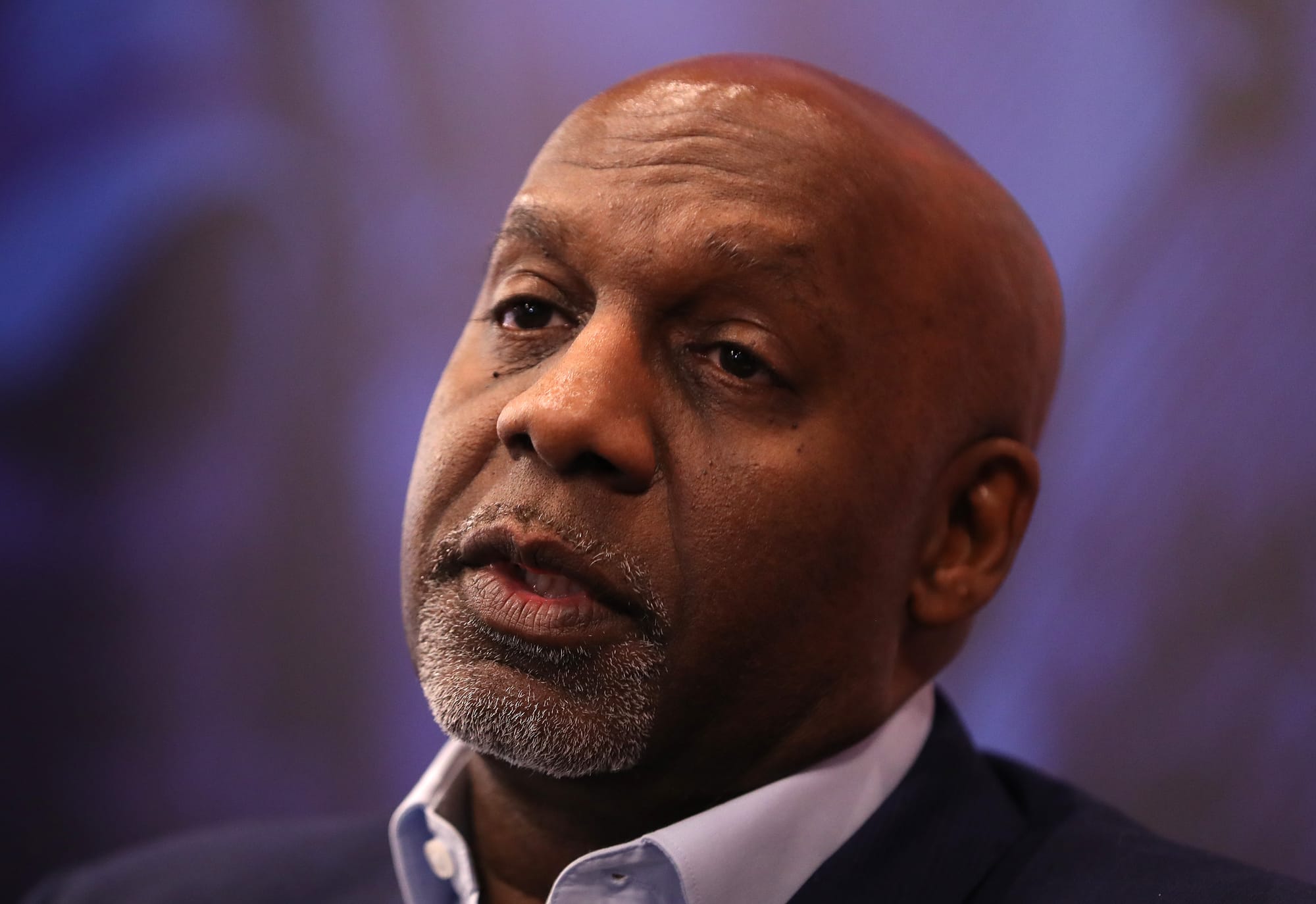
Ben Amarfio reportedly penned an email update to Racing Victoria colleagues on Friday revealing after 14 months, he was departing his role as Executive General Manager – Customer.
The departure of the former North Melbourne Football Club CEO, AFL, Cricket Australia and Austereo executive comes just two weeks after Andrew Jones, RV’s under fire CEO, saw a window between Anzac Day and a weekend to announce his own exit stage left.
That Amarfio followed Jones was hardly surprising, the two were tied together, figuratively, on a customer engagement strategy which had caused considerable dissent from stakeholders.
The loudest voice in opposition was that of Thoroughbred Racehorse Owners Association (TROA) boss Jonathan Munz. Over the past 12 months, the billionaire businessman has made it his mission to upend the Racing Victoria executive and seek significant change on the board.
After months of behind-the-scenes discontent, Munz put his cards firmly on the table in an outburst just after Christmas last year. He openly called for Jones to be sacked and key members of the executive to meet the same fate.
Prior to that Munz had been rallying support for an extraordinary general meeting of RV’s board, where the futures of at least five directors would be voted upon. Munz felt the Board was just as culpable “given that they appointed and have failed to manage and control Jones and failed to respond to concerns about the damage being done to the industry.”
Munz wasn’t messing about. He wanted this issue brought to a head during the spring carnival, but with other stakeholders urging calm along with representatives of Racing Minister Anthony Carbines, progress hadn’t been made to his satisfaction.
 Bren O’Brien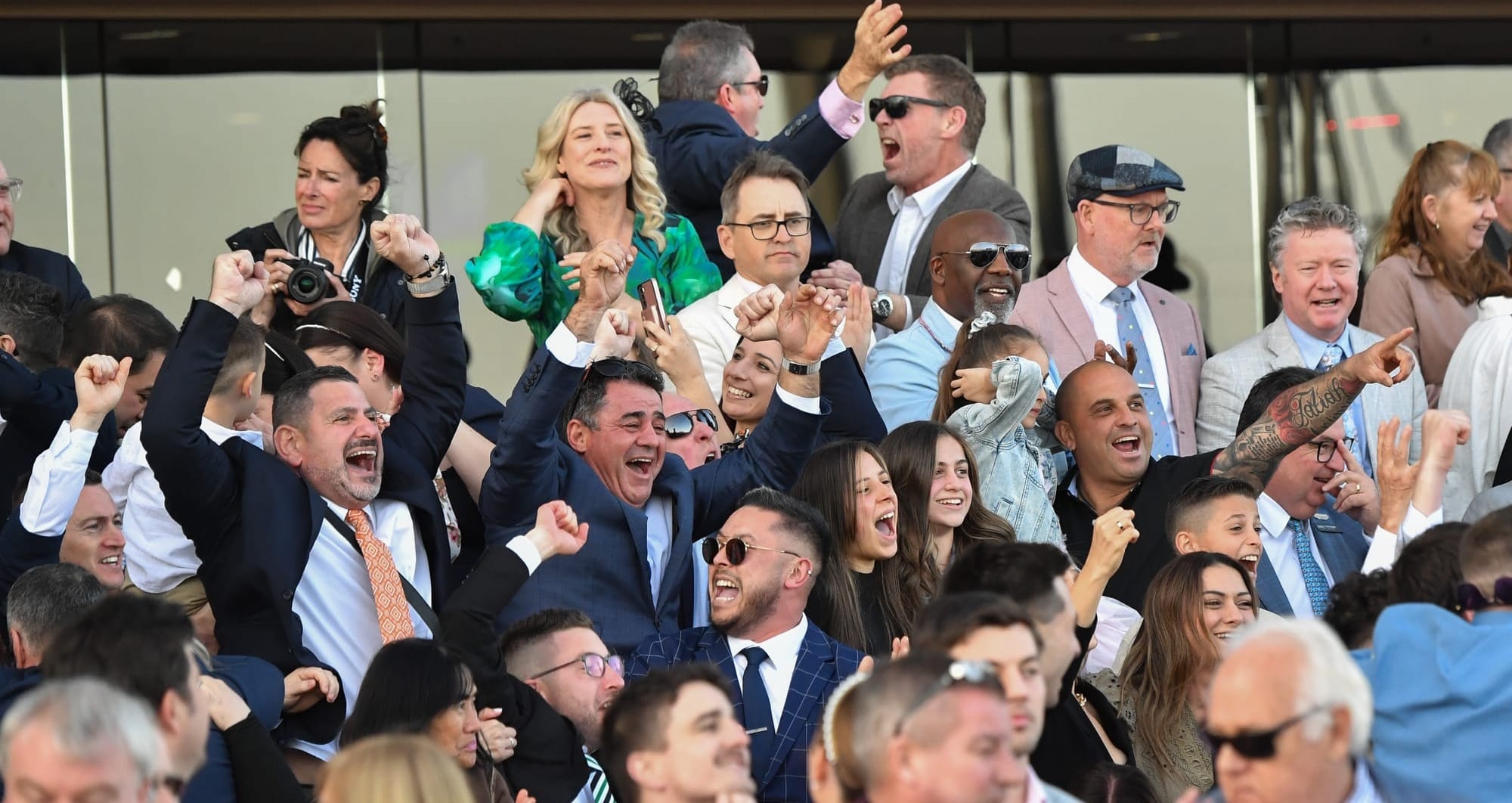
Jones wasn’t the only one he wanted action on. Amarfio and Executive General Manager – Racing Matt Welsh were also in his crosshairs.
However, only the Board could make those calls, so Munz put his pressure on them, leading to the extraordinary board meeting on February 28.
The TROA boss walked into the meeting confident that he could get the board change he wanted, and votes were held on five of the directors – interim chairman Mike Hirst as well as Kate Joel, Paul Guerra, Tim Eddy and Ross Lanyon. However, the TROA boss walked out with what on face value looked like a bit of a humbling.
He needed 25 of the 35 votes to get the change he needed. He got just three, TROA’s share – while there were 15 abstentions.
Post-meeting, Munz focussed on the 15 votes which abstained and that a majority had failed to explicitly support the board. He vowed to continue to fight. The battle was lost, but the war was still on.
Hirst came out and backed Jones’ future in the role. This might have held weight had Hirst not been an interim chairman and had he not announced a few days earlier he was stepping down from the Board in May. In the circumstances, it felt hollow.
Bren O’Brien
Questions still remain as to what assurances were made to stakeholders ahead of that extraordinary general meeting. The metropolitan clubs and the Australian Trainers’ Association had been behind the TROA push pretty much until the vote was called.
Rumours quickly circulated that in order to prevent the indignity and upheaval of the board being overturned effectively by Munz, deals had been done. Board change was happening anyway – there were three vacancies and the prospect of more to come – and maybe the executive change could occur on its own terms, not those of Munz.
On face value, that is exactly what has occurred. The decision to preserve the board in February has put enough air between that ‘unpleasantness’ and the near certain ascent of Gillon McLachlan to the Racing Victoria chairmanship.
It has allowed the executive change to be characterised, as it was by Jones, as making room for the new chairman to make his own calls.
But the extraordinary thing is that all this has occurred before McLachlan has even met the Racing Minister’s official approval. Intriguingly, and perhaps incredibly given his involvement as a key stakeholder, Munz is on the panel helping Carbines select the new directors.
Bren O’Brien
McLachlan met with the Minister last Monday and his path to the big chair at the top of the RV board seems to be rubber stamped. He will almost have a clean slate, in an executive sense, as he plots Racing Victoria’s next direction.
The only sticking point is Welsh, who remains in his position. While affable and passionate, Welsh has been criticised for not having the credentials for such an important strategic role. He has also been criticised for being a foot soldier for Jones’ “misconceived, radical strategy”.
With the board in the process of a major refresh and Jones and Amarfio having departed, Munz has pretty much achieved what he set out to when his campaign for change began around this time last year.
Welsh remains the last item on his list and must surely be feeling the heat.
Those who thought the February board meeting was the grand final for Munz’s plan for change have been mistaken. The long-term outcome is almost exactly what he desired from the very start.
Author

Related Articles
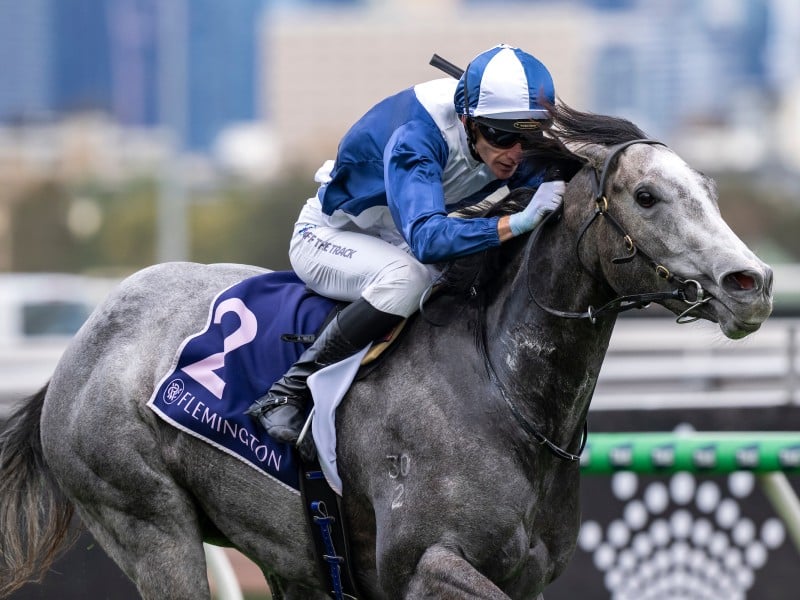
Redgum rising – how a stable is blooming with a four-legged billboard
More than two decades on from Hollow Bullet, Redgum Racing remains a working partnership between John McArdle and Brent Clayton that has made the most of its opportunities to return the stable to top-level racing.
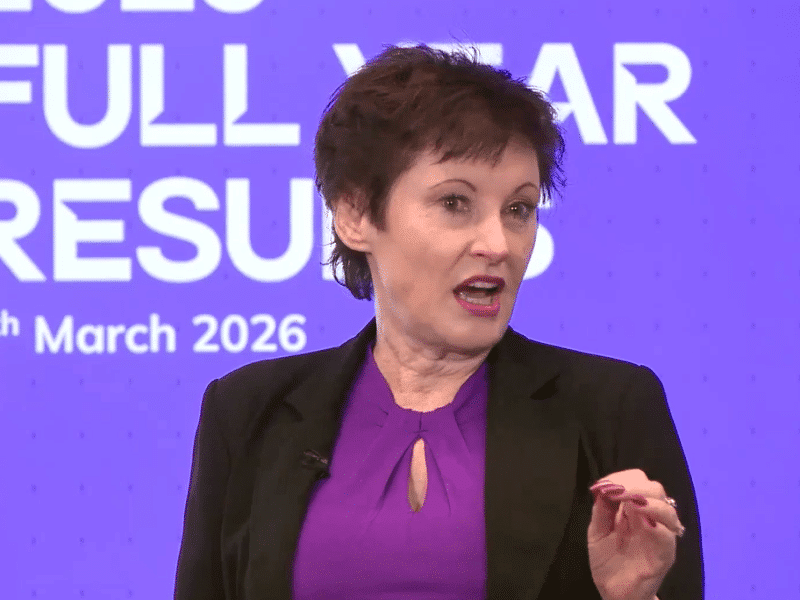
Entain eyes Australian rebound while seizing on NZ online casino opportunity
Wagering company Entain retains faith in the future growth of its Australian business, while it estimates its opportunity in New Zealand could grow to NZ$700 million a year with the potential addition of three online casino licences.
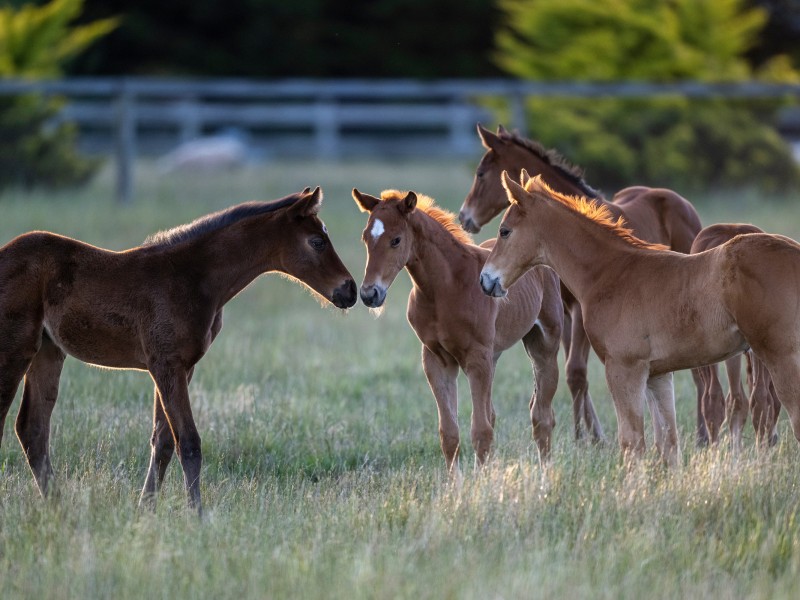
Cut in half – Australia’s thoroughbred foal crop’s long-term decline continues
Australia’s thoroughbred foal crop has dropped to just over 11,000 foals, less than half the size of its 1989 peak, as the industry’s contraction continues despite a slight improvement in live foal rates.