
No news is not good news – Could gambling reform become a federal election issue?
As the wagering industry nervously awaits word from the federal government on the laws regulating the advertising and promotion of gambling, there is a greater chance that reform will become a central issue at the upcoming election, writes Bren O’Brien.
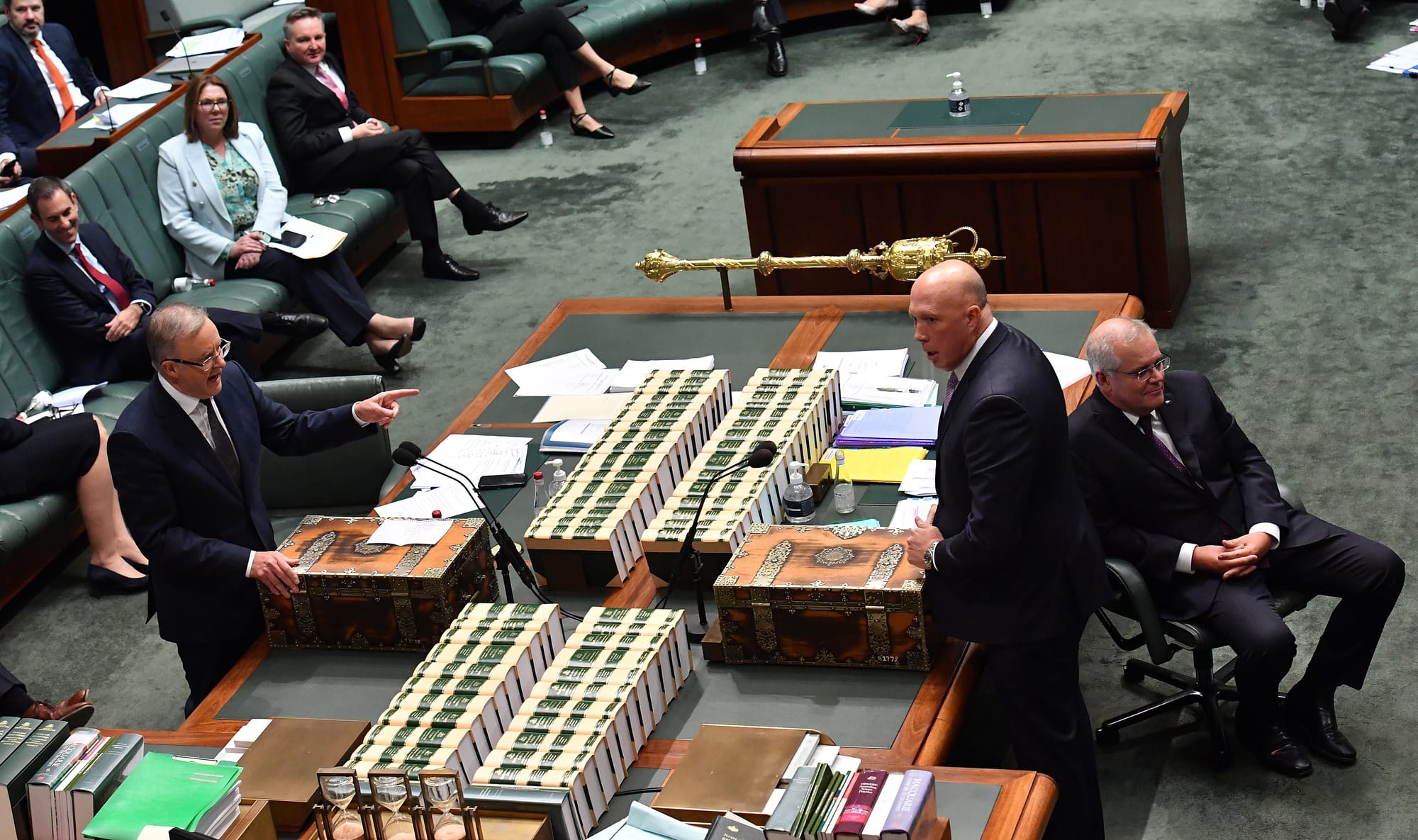
COMMENT: Bookie bashing – in a figurative sense – is somewhat of a national pastime in Australia. The traditional us versus them narrative of the betting ring sets those on the stands up as the natural enemy of the everyday punter, and any chance to get an edge is to be pursued.
While this has been muddied somewhat in the corporate betting era, where slick marketing tries to convince us that we are no longer ‘mugs’ but valued clients and encouraged to ‘bet with mates’, the rivalry still runs strong.
Few people better understand the natural instincts of the population than politicians. They are wired to tap into the mindset of the broader public and sense an opportunity for electoral gain.
The wagering industry in Australia has grown enormously in the past decade, and so too has its political prominence. There is no better example of this than advertising.
As other forms of advertising revenue for media platforms have dried up, corporate wagering companies have stepped up, driving a boom in engagement and revenue for related industries like racing.
In an otherwise demure ad market, betting advertising seemed to be everywhere, particularly around live sport. In 2022, the wagering industry reportedly spent $310 million on advertising in Australia.
With this extra, some may say excessive, advertising has come extra scrutiny.
Even before the release of the bi-partisan parliamentary report, “You Win Some, You Lose More’ last June, advertising reform had become a hot-button political issue.
A month beforehand, federal opposition leader Peter Dutton had called for a ban on gambling advertising during sport and for Prime Minister Anthony Albanese to support that move.
 Bren O’Brien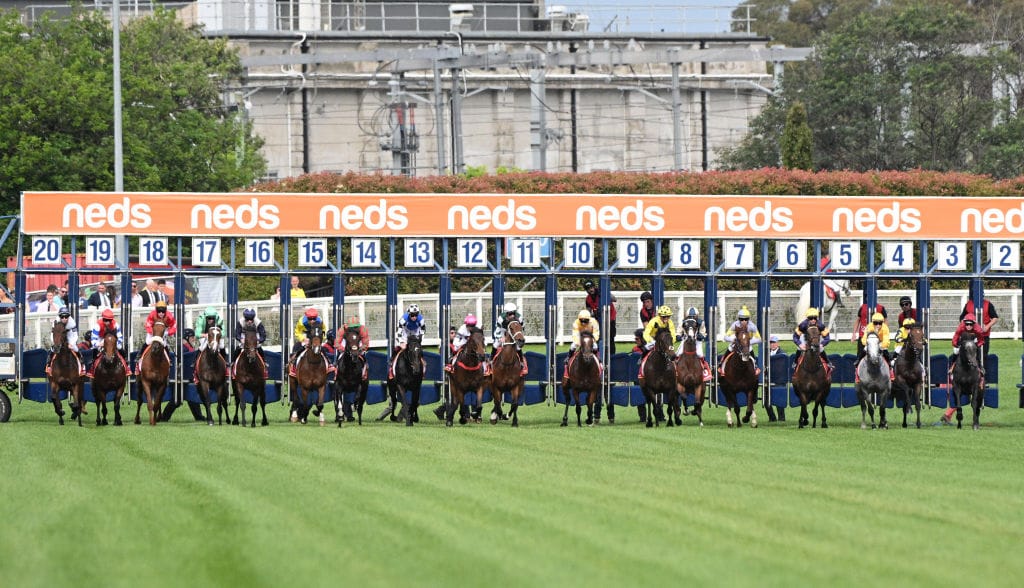
The report itself took that a step further, proposing a comprehensive ban on all types of gambling advertising. Introduced in four phases over three years, it featured a carve-out for the racing industry.
The other recommendation with major ramifications was a prohibition of all online gambling inducements and inducement advertising. The vague nature of this recommendation has had the wagering and racing industry quite worried. Given its broadest possible application, it could cut over $1 billion out of an already contracting market.
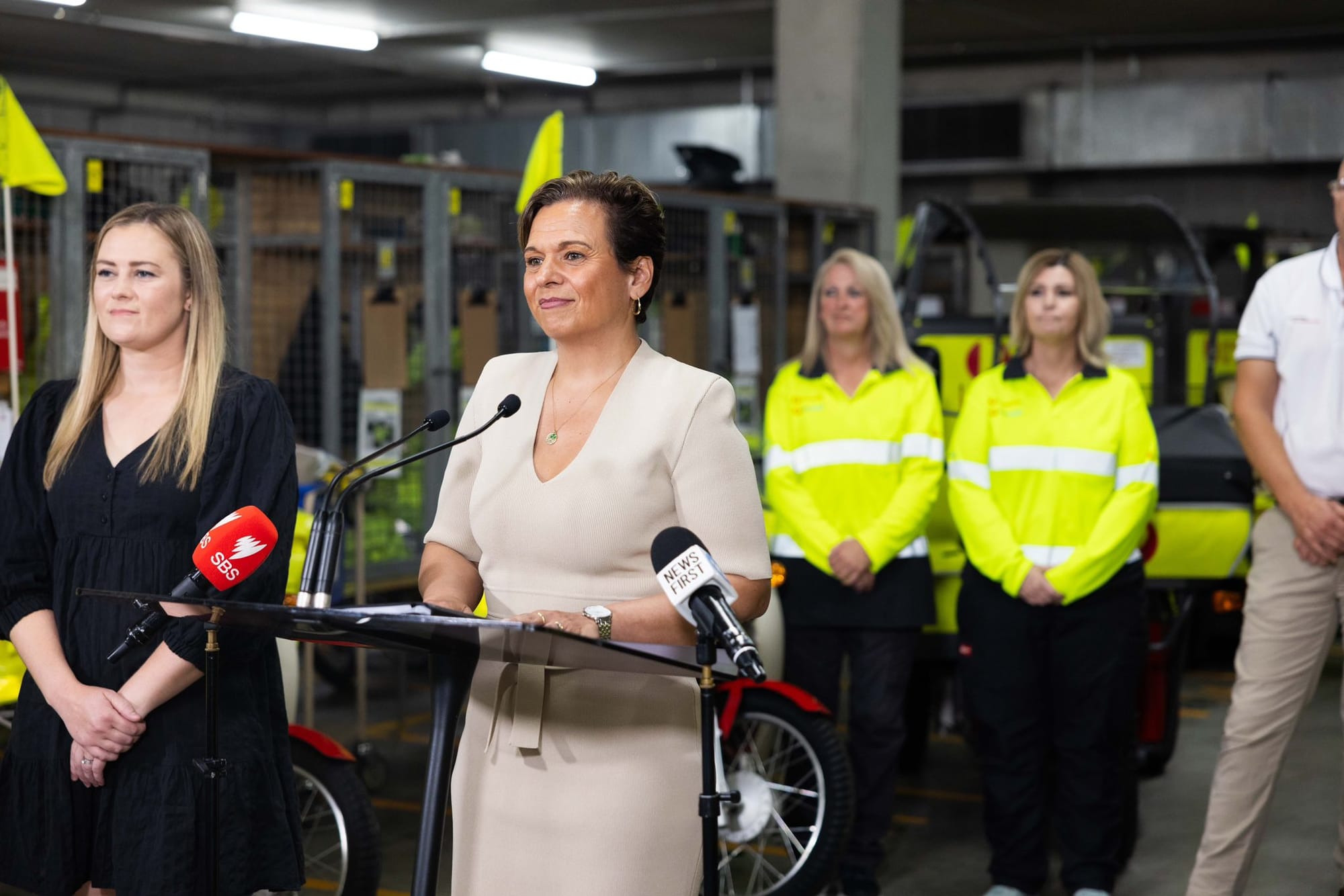
The report had barely left the printers when the lobbying from those in the wagering and broader racing and sports industry began in earnest. Nearly every interested party beat a path to Communications Minister Michelle Rowland’s door, putting their perspective on what a strict application of the recommendations might mean.
Rowland herself was already under scrutiny for her relationship with the wagering industry having accepted a $19,000 political donation from Sportsbet ahead of the 2022 federal election.
It prompted her to clarify that while no rules were broken, she would not be taking money from wagering companies in the future. It also made her much less inclined to take meetings with them over the new reforms. Put simply, gambling, politically, was on the nose.
By the end of 2023, the federal government had still not set a timeline for legislative changes. Some within the wagering industry even dared dream that perhaps the appetite for change had dimmed given the market’s contraction.
Five more months have now ticked along with little or nothing from the government on reform.
Rowland told the Australian Financial Review this week that the government was “taking the time it needs” to work through the recommendations.
“We know a harm-minimisation approach in relation to advertising needs to consider the multiple channels over which advertising is delivered,” she said.
But for those in the wagering and racing industries, the mood has changed.
No news, at this point, is not good news.
The Straight understands that lobbying efforts from those most impacted by reform, including those in the racing and breeding industries, have increased in recent weeks as rumours mount of an early federal election.
There are concerns that rather than debate being conducted through the measured medium of parliamentary processes, gambling reform could become a key issue in the much more febrile environment of an election campaign.
There are votes to be had in gambling advertising reform, especially among the key demographic a Labor government will seek to secure. As mentioned, gambling is on the nose and there is no one better than smelling the breeze than politicians.
Politicians of all persuasions are well aware that there is little public sympathy for the plight of corporate bookmakers and little understanding of the knock-on impacts this may have on the funding of sport and racing.
The dysfunction at Racing Australia hasn’t helped the racing industry’s cause, with a lack of a coherent approach to government to this point.
Bren O’Brien
Racing can not stick its head into the sand over this. While the advertising carve-out for racing has long been understood, it is not guaranteed, especially given the industry’s broader social licence challenges.
There is also the fact that funding of racing is increasingly dependent on revenue from state-based point of consumption taxes, which derive their revenue from both racing and sports.
Should sports betting revenue decline because of advertising bans, there would be a material impact on the bottom line of racing bodies, particularly in Victoria and Queensland.
That is before you even consider the possibility that national sporting bodies, who could suddenly be without most of their advertising revenue from betting sponsorship, may come looking for a cut of POCT.
Major media publishers have historically been allies of the wagering and racing industries regarding advertising reform, but their power has diminished in recent years.
Bren O’Brien
Also, Dutton’s comments last year point to bipartisan support for some reform. That means the media companies and wagering and racing industries might not have a horse to back should this get onto an election agenda.
The only issues to discuss may be the measures and the extent to which any current or prospective government is willing to secure political capital from wagering reform.
In the context of a federal election that could happen by the end of this year, that political opportunity will do more to define the future shape of the Australian wagering and racing industry than anything else over the next 12 months.
Author

Related Articles
$50 million-plus deal brings Super Seth to Coolmore
A deal which values Super Seth among the highest-priced Australasian thoroughbreds of all-time will see the emerging stallion move from Waikato Stud to Coolmore Australia in 2026.
Mills’ Perth trip pays off with purchase of east-bound Zoustar filly at Magic Millions
A $525,000 daughter of Zoustar fit the bill for bloodstock agent Sheamus Mills, highlighting a strong first day of buying at the Magic Millions Perth Yearling Sale.
ATC presses case to defy administration as Supreme Court case begins
The Australian Turf Club’s bid to stave off administration has begun in the NSW Supreme Court as its legal team outlined the three grounds on which it will argue against the Racing NSW-imposed action.