
Pattern on hold – Racing Australia board meeting called off at the 11th hour
A meeting set to decide the immediate future of Australia’s Pattern racing protocols has been scuppered, leaving national black type reform in abeyance.
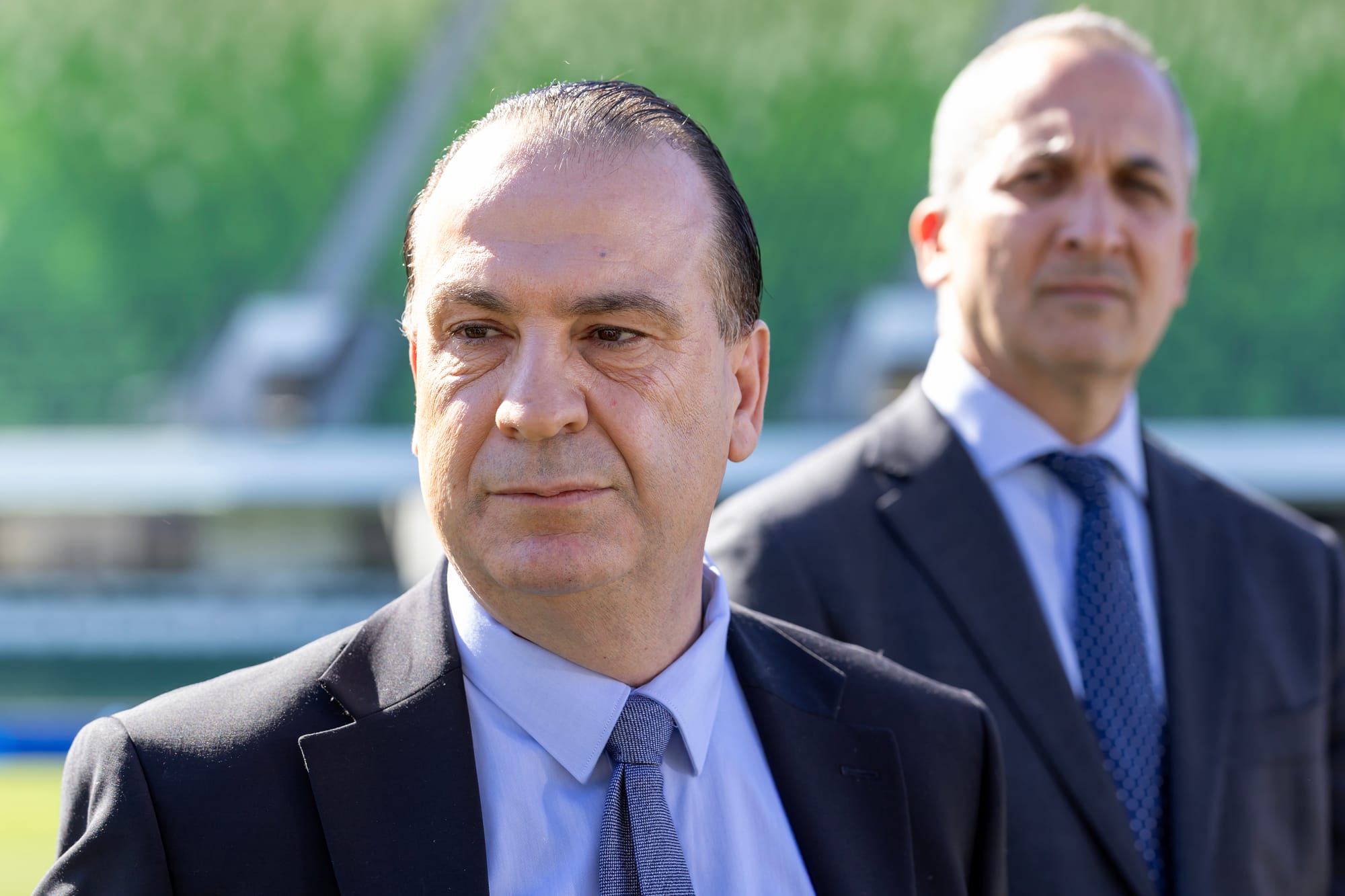
The Straight has learned that Tuesday’s Racing Australia monthly board meeting, in which a motion to endorse the Black Type Guidelines was on the agenda, was abandoned before it even began.
It is understood that Racing NSW’s delegate Peter V’landys was unable to attend, leaving Racing Australia’s board with little option but to postpone the September meeting because it didn’t have a quorum.
Racing NSW and Racing Victoria, whose chair Tim Eddy is its director on the national board, hold the powers of veto over Racing Australia.
The remaining directors on the Racing Australia board are Racing Queensland’s Graham Quirk, Rob Rorrison (Racing SA), Colin Holt (Racing WA) and Canberra Racing Club director Les Boag who represents the Australian Capital Territory club, Thoroughbred Racing NT and Tasracing.
Rorrison is also Racing Australia’s delegate on the Asian Pattern Committee, having replaced Jason Scott who vacated the position after resigning as Racing Queensland’s chief executive earlier this year.
It is believed that the RA board continues to deliberate the merits of the proposed Black Type Guidelines and how they could be implemented while appeasing those who are against using a purely ratings-based system to determine the upgrading and downgrading of Australia’s stakes races.
It is unclear at this stage if and when the September Racing Australia board meeting will be rescheduled. As is custom, no-one was willing to speak on behalf of the RA board.
V’landys has been agitating to have the Black Type Guidelines ratified by Racing Australia, a move which would allow Racing NSW to use the ratings-based protocols to upgrade a suite of races.
 Tim Rowe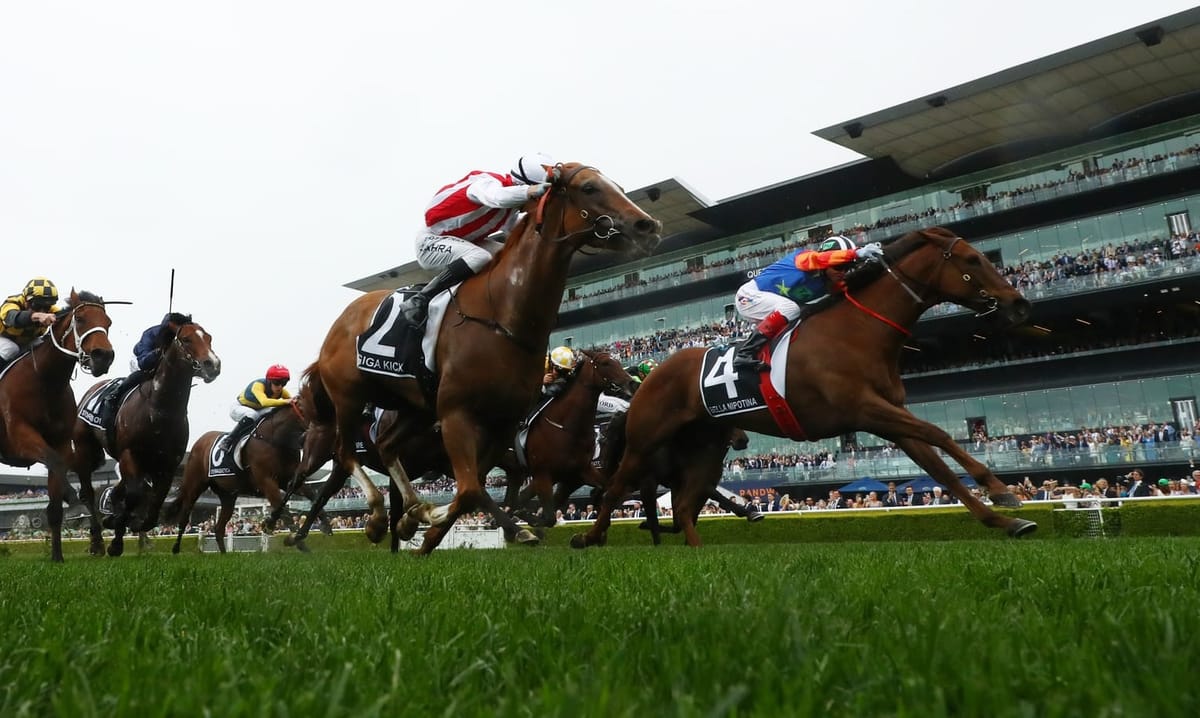
The Everest was granted internationally recognised Group 1 status last year, having been approved by the Asian Pattern Committee and other international bodies, but a host of other NSW races upgraded last season have not been internationally recognised.
Therefore, the “black type” won by the winners of 17 races upgraded in NSW do not appear in sales catalogues or pedigree pages.
One example is last season’s Tapp-Craig-winning three-year-old Anode, an I Am Invincible colt who won the $500,000 Rosehill race last October when it was run as an upgraded “Listed” race.
Even if the guidelines are adopted, all Group 1 races will need to gain approval from the Asian Pattern Committee as was done with The Everest and Victoria’s All-Star Mile last season.
When Racing NSW went it alone last October, other states declined to proceed with the implementation of the Black Type Guidelines due to bitter opposition from stakeholders.
V’landys has stated publicly that he believes the Golden Eagle, the $10 million race for four-year-olds which will be held at Randwick for the first time this year after the first six runnings of the 1500-metre race were conducted at Rosehill, should carry Group 1 status.
 Bren O’Brien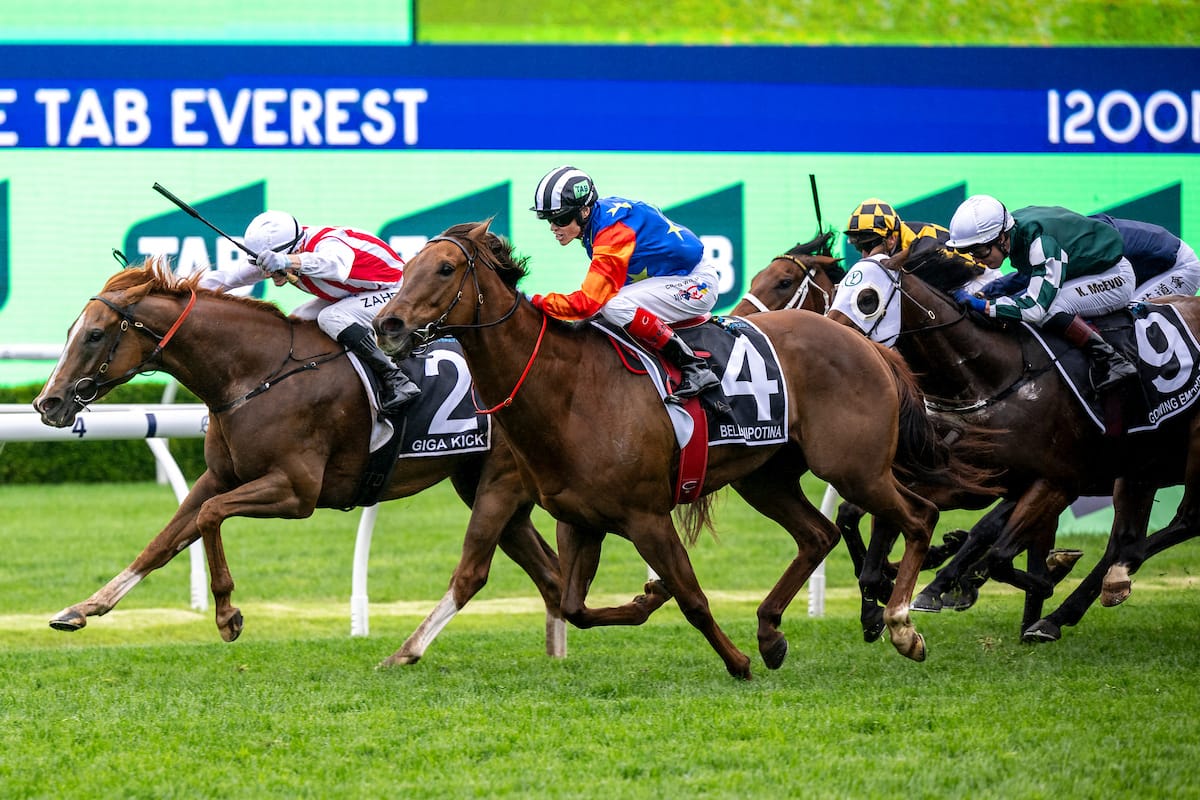
It is understood that the Russell Balding, a $3 million 1300-metre race run two weeks after The Everest aimed at incentivising many of Australia’s premier sprinters to continue their spring campaigns in Sydney, could be elevated from a non-black type race to a Group 1.
Racing Australia chief executive Paul Eriksson was contacted for comment as was V’landys, who said he was unable to speak about Racing Australia matters.
Eriksson had not responded at the time of publication.
Bloodstock agent Sheamus Mills is among a group of industry participants who are opposed to the objective nature of the proposed Black Type Guidelines, which he says could place more power into the hands of Australia’s richest racing states.
“I don’t think that the biggest prize money should just dictate what races are Group 1s and what races are Group 2s, etc. The bigger issue is, should we just cannibalise ourselves in the industry?” Mills told SEN radio on Tuesday.
“I think it’s a really slippery slope and something that would see races like the Melbourne Cup losing their Group 1 status.
“And I know some people may say, ‘what’s the matter whether the Melbourne Cup is a Group 2 or a Group 3?’
“I would argue strongly against that, from a worldwide perspective. If we want good horses coming to Melbourne Cups, if we want the ecosystem to work nationally, not just for one state, then black type is more important to keep (within) that (overall) framework.”
Racing Australia sought three separate legal opinions about the Pattern, which suggested the former system may contravene Australian competition law.
It has led to the ongoing stalemate where an adoption of the Black Type Guidelines has not been forthcoming.
Author

Related Articles
Goulburn Race Club CEO Robyn Fife to step down
After overseeing a period of significant change at the Goulburn Race Club, including the handover of the club’s land to Racing NSW, chief executive Robyn Fife has confirmed her 26-year association will come to an end.
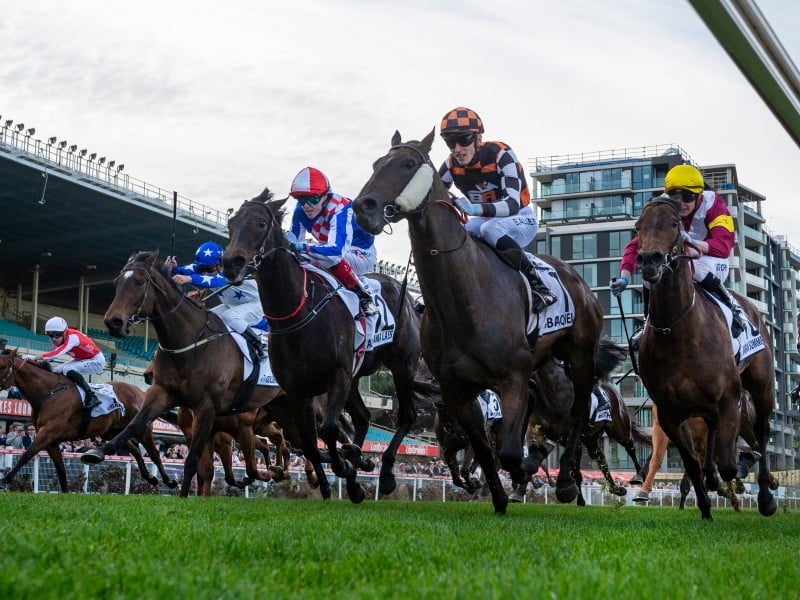
Setting a standard – New course looks to lift best practice in racehorse syndication
The need for more established standards of education and ethical conduct in Australia’s world-leading racehorse syndication industry has led to the development of an education program to build understanding among current and prospective syndicators.
Run The Numbers – A fitting farewell for Frankie
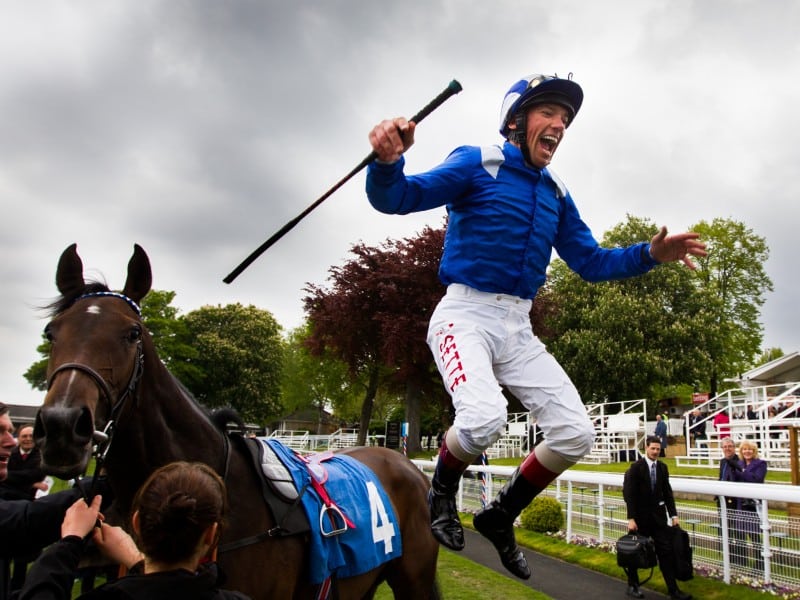
Frankie Dettori brought his 40-year riding career to an end with a Grade 1 success on his final day in the saddle. The most prominent global jockey of the past half-century had elite success in 17 different countries, but famously never in Australia. Run The Numbers digs into his remarkable career.