
‘Populism doesn’t pay the bills’ – Call for racing’s leaders to step up to big ticket industry challenges
Experienced racing executive Charlotte Mills has warned that the Australian thoroughbred industry is running out of time to address its major challenges and has urged the industry’s leaders to act decisively, do what is right, not what may be popular.
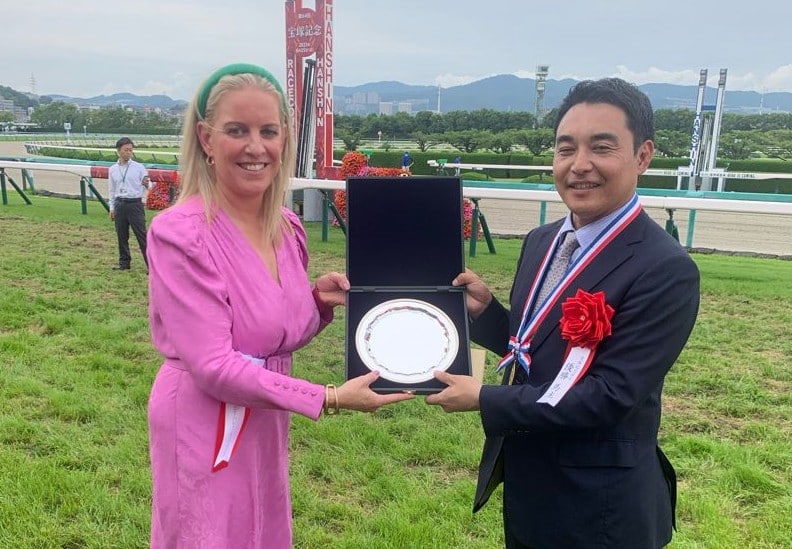
As Australian racing confronts questions about the right style of leadership to move it forward, one experienced executive wants the next generation’s leaders to eschew populism and embrace authenticity and vulnerability to establish trust with the industry.
Three of the six state-based principal racing authorities (PRAs) have had changes at chief executive level in the past 18 months, while the same time frame has seen new bosses at the Melbourne Racing Club, the Victoria Racing Club, the Brisbane Racing Club and the Australian Turf Club.
While change is not necessarily a bad thing – indeed there is criticism of other jurisdictions for extending the terms of boards and executives – the merry-go-round of personnel has been used as an example of the fickle nature of working in leadership roles.
Charlotte Mills has worked within PRAs and race clubs for much of the past 20 years, with spells at Racing Victoria, Tasmania and Racing and Wagering Western Australia and most recently she completed her time as head of racing at the Moonee Valley Racing Club.
Now working in a consultancy role with NZ Thoroughbred Racing, she has seen chief executives come and go while she has held key roles herself.
Her experience has taught her the value of strong leadership.
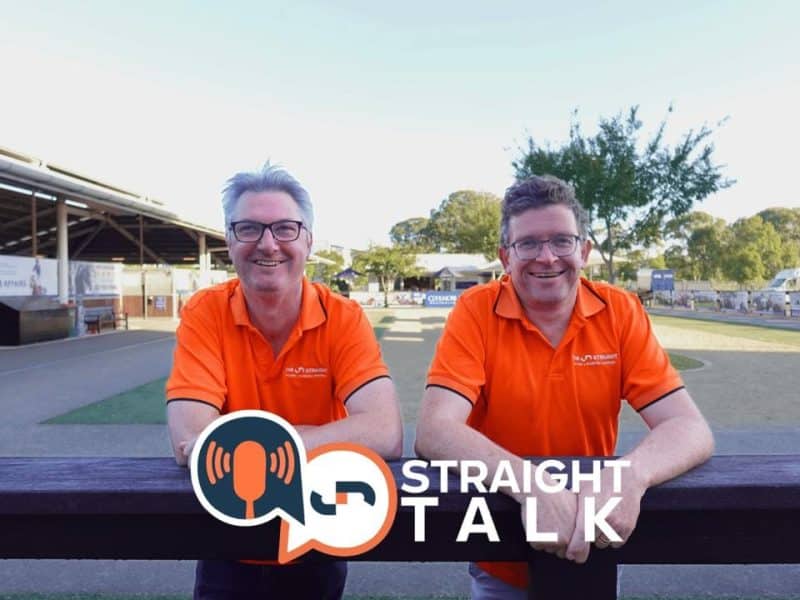
“I’ve been lucky enough for the last 20-plus years as a senior executive to be surrounded by good leaders,” Mills told the Straight Talk podcast.
“The qualities I look for are authenticity, commercial acumen, and vulnerability. Truth and honesty can’t be underestimated and being open and honest is a huge strength that’s often missed.”
Mills said mentoring young, emerging leaders has been one of the most enjoyable aspects of her roles within the industry, and it should be a priority for any senior executive.
“I get a great thrill out of being around people with great talent. I want to see them succeed. My pathway is somewhat irrelevant – it’s more about the journey with people that inspires you along the way,” she said.
Mills feels the dangers in the complex environment of PRAs and race clubs was that leadership becomes a centre of authority, as opposed to a way of empowering others to achieve.
“One of the misconceptions out there is that leadership is power. Yes, it comes with responsibility, but leadership is far more than that,” she said. “It’s leaning into tough, unpopular decisions. Populism doesn’t pay the bills and it won’t drive revenue up.”
She noted that racing’s most united moment came during COVID‑19, when survival demanded collaboration.
“We had to make quick decisions and work collectively. But even then, each state worked independently. We didn’t have time for a national approach,” she said.
The federated racing structure in Australia is seen as a major impediment to real co-operation, especially with the political divide between various jurisdictions.
“One of the misconceptions out there is that leadership is power. Yes, it comes with responsibility, but leadership is far more than that. It’s leaning into tough, unpopular decisions. Populism doesn’t pay the bills and it won’t drive revenue up” – Australian racing executive Charlotte Mills
But even within state-based industries, there is a danger of the industry becoming fragmented by its interests, Mills said.
“Breeders, owners, trainers, jockeys – everyone has their priorities. But there’s only one bucket of money to go around. Without all of us, it doesn’t exist,” she said.
What she does urge is more action and less talk, saying that the industry had a habit of talking itself around in circles on major issues and not taking action.
“Getting things done is so important, and we’re running out of time to knock over some really big-ticket items,” she said.
“There are a lot of warning signs, particularly in the gambling advertising space. We’re talking a lot about it, but the ‘doing’ is very difficult because it’s almost impossible to get everyone on the same page nationally.”
Progress in equine welfare is one area where the industry can take heart, Mills said, saying real change was evident in ‘the right people coming into the right roles’ and that had created traction and momentum.
What she would like to see is greater authenticity and strength from key decision-makers.
“Administration is not easy with the amount of challenges ahead. But you have to be brave with your voice and make tough decisions,” she said.
Author

Related Articles
RWWA to hold prize money steady as government industry review looms
West Australian participants have been guaranteed that prize money will be retained at current levels through the 2026/2027 racing season.
ATC looks to boost board numbers ahead of Racing NSW legal stoush
As it prepares for its ongoing fight to stay out of administration, the Australian Turf Club is in the process of appointing a new member-elected director to its four-person board.

Grant and Alana Williams charged over Ritalin positive – trainers sidelined while inquiry continues
Perth’s leading trainers Grant and Alana Williams will be asked to enter a plea after being charged after their Kalgoorlie Cup runner Starry Heights returned a positive test to Ritalinic Acid, which is used to treat ADHD in humans.