
🔒 🔒 Post-spring power struggle looms as Kanga upends the VRC’s best-laid plans
The Victoria Racing Club’s plans for a smooth board transition have been upended by John Kanga’s entry into its member election, but is the pending political drama at Flemington a sign of a broader struggle for influence in the Victorian industry?
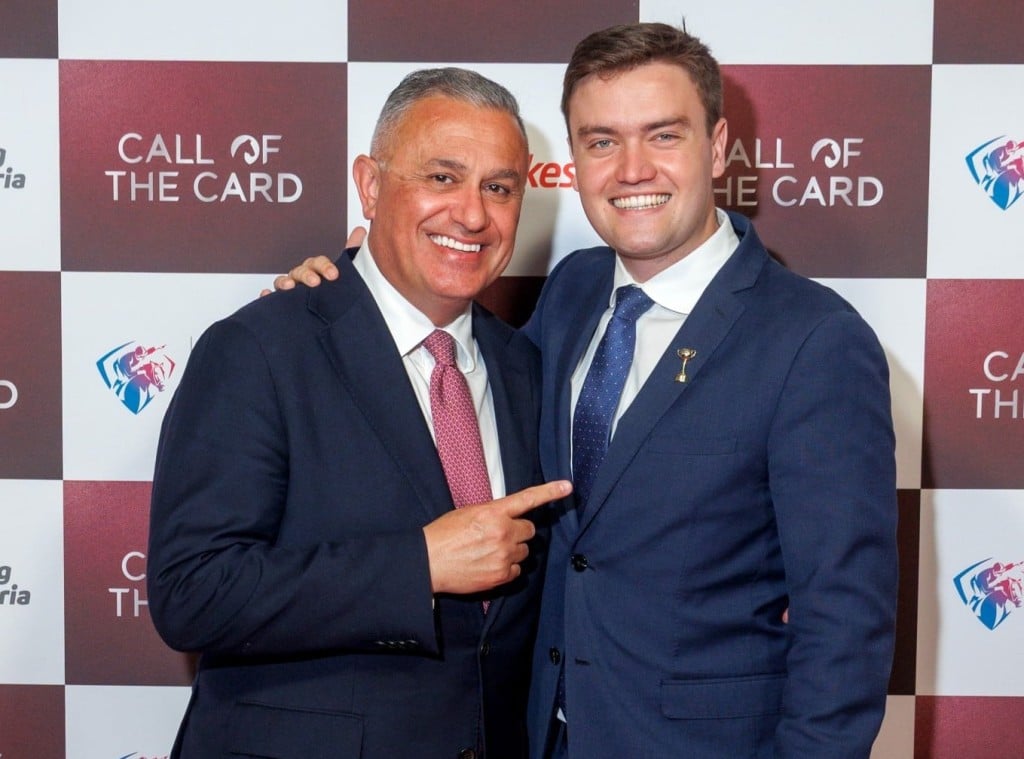
Analysis: When the Victoria Racing Club announced on October 1 that Vin Cox would become the club’s 23rd chairman, replacing the retiring Neil Wilson, it was hailed as a victory for the board’s continuity and strategy.
Two weeks later, it was confirmed the VRC had returned to profit for the first time in six years, with the changes undertaken since Kylie Rogers took charge as chief executive in 2024 seemingly bearing fruit.
While we still await the precise details of that turnaround – the full annual report has not yet been made public – the confirmation of Cox’s appointment and the club’s improved financial state should have made the recently completed Melbourne Cup Carnival a victory lap for the incumbent regime.
On the surface, it was. The largest carnival attendance for a decade, Robbie Williams on Cup day, Fisher on Champions day, and a cavalcade of classy on-track performances, assisted by a surface which handled the typical mixed bag of Melbourne spring weather, all combined in what should have been a showcase farewell for Wilson, and an inauguration for Cox.
Except, they appear to have made a strategic blunder by showing their hand early. In poker parlance, the current VRC board and executive were sitting on a full house, only for someone to introduce a wildcard, John Kanga.
While the corporate set enjoyed Flemington members’ hospitality over recent weeks, Kanga was doing what he does best – retail politics.
Anyone who has seen the pre-campaign building over recent weeks, with a smile and a handshake for everyone and anyone, would not have been surprised to see Kanga, the former Melbourne Racing Club (MRC) chairman, put his name forward for one of the four vacant VRC board positions.
His MRC star may have sparkled and faded with remarkable speed – from rebel challenger to rockstar chairman, to resignation in the space of 14 months – but he remains undiminished in his enthusiasm.
Kanga 2.0 is different, as he is at pains to point out. His connection with Jonathan Munz, spoken of in hushed tones during his MRC days, has been called out immediately.
“Let me be absolutely clear, there is no takeover, and Jonathan Munz has had no influence whatsoever over my decision to stand,” he said on announcing his candidacy.
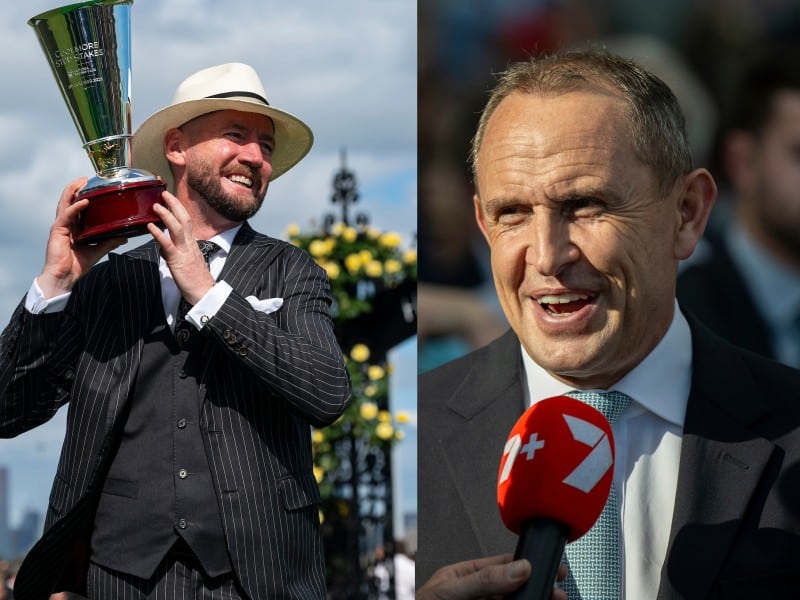
He has rallied support from a host of industry powerbrokers, with Australian Trainers Association president Troy Corstens among those to endorse him. Even Chris Waller, renowned for his careful political positioning, gave him a wrap, describing him as ‘an ideal candidate’ although he stopped short of an endorsement.
The Straight understands that other leading industry figures were approached to help push Kanga’s case but baulked at the potential political fallout.
They may have been wise to do so. The Herald Sun reported on accusations that VRC board member and well-resourced owner Neil Werrett has threatened to boycott trainers who support Kanga.
Such is the insular nature of the social fabric of Melbourne, one built around old school ties, football affiliations and racing clubs, it has been derisively called the world’s largest small town.
That feeling is writ large in the inner circle of the Flemington Members and the Birdcage, where pretenders pretend and contenders canvass for votes.
What should be the most ho-hum board elections for voluntary director positions that afford little more than improved facilities and extra status has now become the story of the Melbourne spring.
The directorships of Cox (a Gold Coaster without a clear affiliation or a school tie), treasurer Glenn Carmody and Michael Saadie are up for grabs as well as the vacancy left by Wilson.
The elections, which will be finalised by the club’s annual general meeting on December 15, will be contested, with candidates’ eligibility now being assessed.
Kanga, who traverses those Melbourne circles of football and racing better than most, even without the school tie, is not the only one to nominate.
Claire Ewart-Kennedy, Justin O’Kane and Bill Guest have also thrown their names forward. Former wagering executive Nick Tzaferis is believed to have opted not to run.
O’Kane served with Kanga on the MRC board but wasn’t there when he assumed the chairmanship in 2024. The two have known each other for 30 years.
O’Kane withdrew his nomination for the MRC board in September and will now be on the ballot at the VRC. The Straight understands he and Kanga are aligned on key issues, including concerns of VRC members over the race-day experience.
Kanga has identified that as a source of tension. Those endorsing him have praised his “independence” and focus on member issues.
The broader question concerns not the price of a beer at Flemington, although at $17, that is inarguably obscene, but the future direction of the VRC and the discussion of mergers.
At the MRC, Kanga attended a meeting brokered by Munz where a merger of the VRC and the MRC was discussed in detail. Wilson and now VRC vice-chairman Michael Ramsden reportedly attended but walked away.
In June 2025, Wilson and chief executive Kylie Rogers told members the club was not pursuing merger activity.
But there remains a desire among racing industry powerbrokers to see the clubs combine, one which has caught fire again this spring. Racing Victoria (RV) CEO Aaron Morrison has previously said the consolidation could provide significant savings for the industry.
The VRC, under Cox’s leadership, looks unlikely to want to pursue that option, but the nature of his appointment as chairman has caused apparent unhappiness on the board.
A change in board composition could lead to a push to overturn the original chairmanship vote, which by all reports was won narrowly.
The dissenting voices are said to be much more amenable to merger talks, and two ex-MRC candidates on the ballot make for an interesting mix.
But the real story is the possible consolidation of power, not costs. The division between the clubs is arguably the one aspect which has given Racing Victoria the political authority to do what it needs to do.
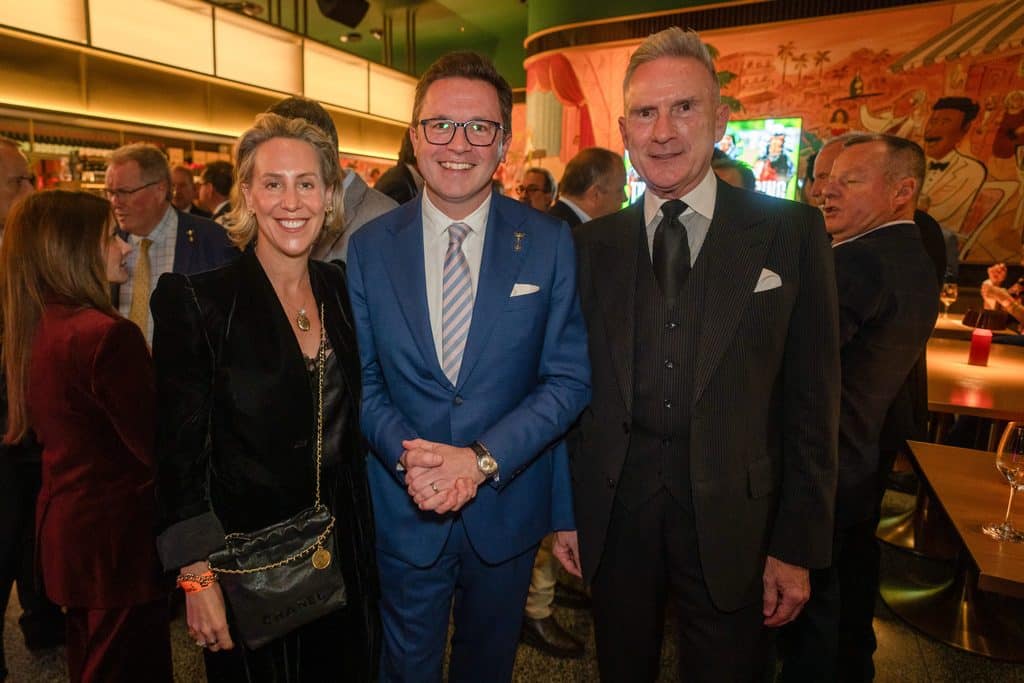
But those in the MRC and VRC have both suggested that clubs should be much more involved in the custodianship of the sport and not just be confined to restocking pie-warmers and fridges.
The political situation at RV, located only 200 metres up Epsom Road from the VRC, has been uncommonly stable for the past year or so, although there are rumblings of board upheaval in the near future.
Complicating all this is a looming state election, where a change of government and racing minister is widely expected.
More important context is the failed attempt this year by current Racing Minister Anthony Carbines to strengthen Racing Victoria’s position with the clubs.
Those changes, according to The Age, were opposed by Munz, whose intervention prompted a rethink by the Victorian Liberal Party. The reforms were substantially watered down, preserving the clubs’ rights.
It sets the scene for a summer of challenges and changes, with Kanga’s reappearance just a portent of what is to come.
Author

Related Articles
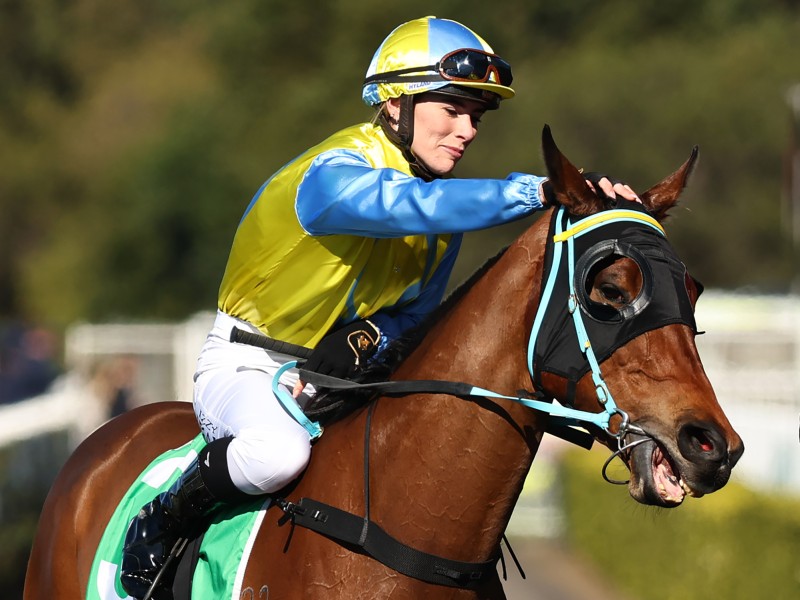
Izzy Neale dies two days after Warren race fall
The family of jockey Izzy Neale has confirmed her death at age 22, two days after a race fall at Warren on Sunday.
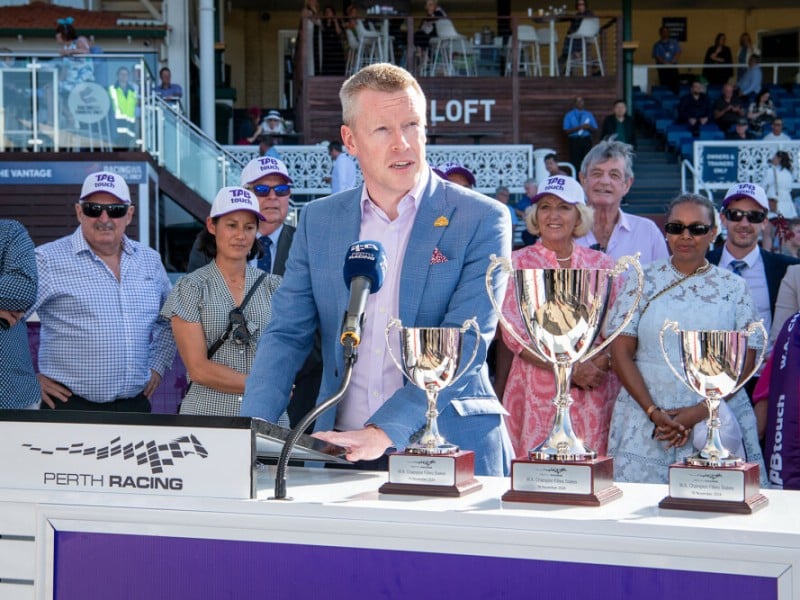
🔒 🔒 RWWA warns racing funding model faces 2027/28 test
Racing and Wagering WA says that maintaining current industry funding levels will become increasingly difficult from 2027/28, with departing chief executive Ian Edwards acknowledging the financial windfall from prior wagering booms cannot provide an indefinite source of support.
Run The Numbers – Scale rewarded as Waller and Maher snare over 20 per cent of Australian prize money
Chris Waller and Ciaron Maher have won 17 of the first 29 Group 1s of 2026/27 and their runners have claimed 21.6 per cent of Australian prize money to date. Run The Numbers gives historical context to their current dominance.
