
Queensland to merge racing bodies under hybrid governance model
Queensland racing is entering a new era of governance after months of uncertainty over how the state’s commercial and regulatory functions could be brought closer together without compromising integrity.
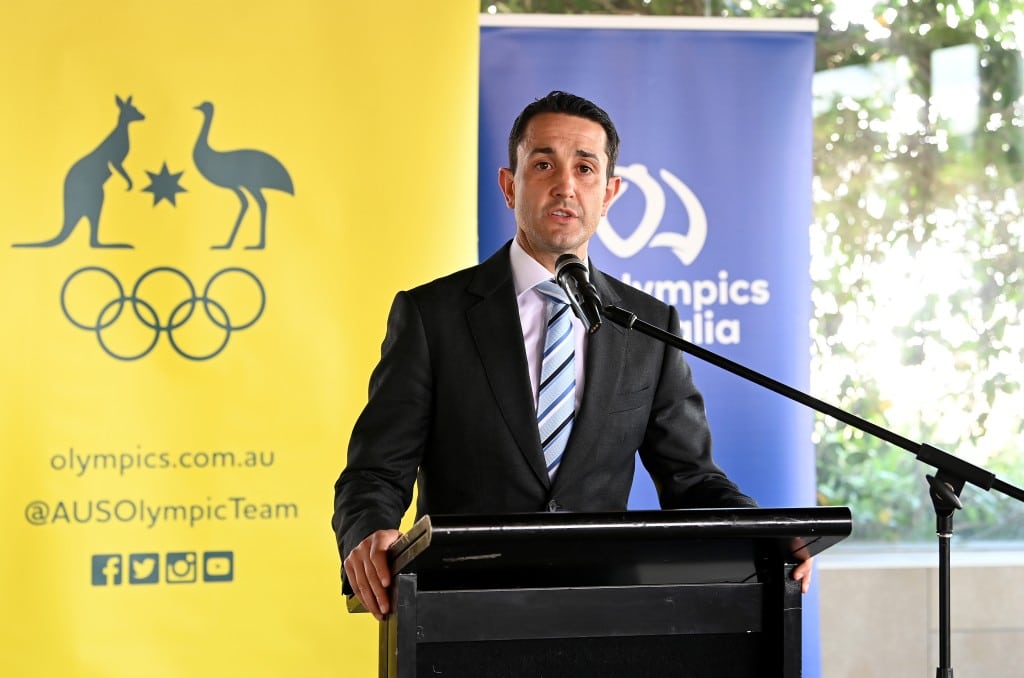
The Crisafulli Government will bring the functions of Racing Queensland (RQ) and the Queensland Racing Integrity Commission (QRIC) together under a new hybrid governance model that it says will maintain independent oversight of integrity and animal welfare.
Announcing the restructure on Wednesday, Racing Minister Tim Mander said the restructure stems from a recommendation in The Next Lap, the government’s response to an independent review of the state’s thoroughbred, harness and greyhound industries.
The new arrangement is intended to reduce operational duplication, improve efficiency and strengthen public confidence.
A new chief integrity officer position will have equal standing to Racing Queensland’s chief executive and report directly to the minister, the RQ board and a new subcommittee overseeing integrity and animal-welfare matters.
“It’s imperative that we have a progressive and efficient governance model in place to continue to grow the industry for communities throughout Queensland, while ensuring animal welfare is at the heart of all decision-making,” Mander said.
The announcement follows months of debate over how the government would combine functions without compromising the independence of the state’s racing regulator. QRIC deputy commissioner Kim Kelly resigned in July over concerns that the proposed changes would undermine the commission’s independence.
Kelly, who spent 14 years as chief stipendiary steward of the Hong Kong Jockey Club before returning to Australia, told The Straight that the then-mooted transfer of QRIC corporate functions to Racing Queensland raised fundamental questions about independence.
“Wherever you get that dependency, there has to be an automatic loss of independence,” Kelly said, arguing that a regulator relying on a commercial body for finance, staffing and business services created risks for confidence in its decisions.
Mander told parliamentary estimates in July that he had held several personal meetings with Kelly and that the deputy commissioner had been able to provide input into the implementation process, while maintaining the resignation was Kelly’s own decision.
The minister also said the existing arrangements were costing the government significant sums, requiring annual funding top-ups to meet the operating expenses of both organisations, and that the reform was designed to improve coordination and cooperation.
“The model was also, to put it frankly, costing a lot of money, and money that was requiring the government to basically top up every year the operating cost of both organisations,” Mander said at the hearing.
He said he believed most of the racing industry supported the proposed direction, recognising the need for greater efficiencies, while guaranteeing that the highest standards of integrity would be maintained.
The new structure differs in important respects from the operating model outlined in The Next Lap when it was released in December 2025, which proposed transferring QRIC’s non-core functions to Racing Queensland while retaining independent stewarding and integrity responsibilities within the commission.
That framework envisaged an independent Commissioner of Stewards reporting directly to the racing minister, with a secondary line of engagement with the RQ board, and said the hybrid model would be established through legislation.
“By amalgamating Racing Queensland and the Queensland Racing Integrity Commission and establishing a chief integrity officer, we can maintain clear lines of accountability while reducing operational duplication,” Mander said.
When shadow racing minister in 2024, Mander had described QRIC as a $40 million year basket case.
The changes are part of a broader reform agenda arising from the Queensland Racing Review, led by former Australian Turf Club chairman Matthew McGrath, which examined governance, sustainability, integrity, animal welfare and operations across all three codes.
The government accepted 79 of the review’s 110 recommendations, including the hybrid model, and subsequently appointed McGrath as Racing Queensland chairman to oversee implementation.
The new board, announced in March, included broader expertise in law, finance, integrity and regional racing, following the departure of several directors, including former acting chair Jane Seawright.
The governance overhaul also forms a central part of the brief for Racing Queensland’s next chief executive, with an international search launched this month more than 18 months after Jason Scott announced his departure and following his exit in mid-2025.
Acting chief executive Lachlan Murray, who has confirmed he will apply for the permanent role, is overseeing the implementation program, which also encompasses legislative change, infrastructure investment and further industry engagement.
The Next Lap includes a $200 million Racing Future Fund for infrastructure, commitments to country racing and animal-welfare improvements, alongside plans to strengthen integrity and improve the industry’s sustainability.
Mander said the new governance model would help deliver those objectives.
“This will not only help to make the industry more efficient and effective, it will greatly increase sustainability, public confidence and confidence within the industry,” he said.
Related Articles
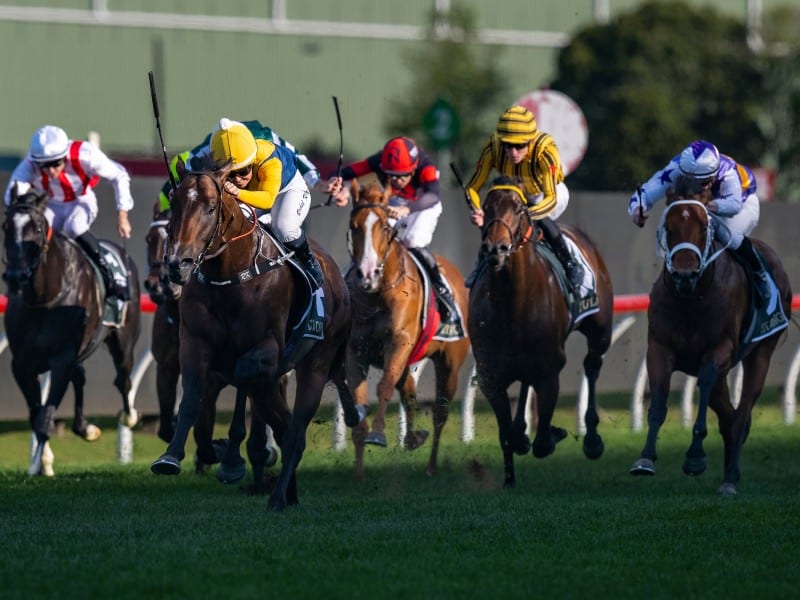
Golden Rose victory anoints Warwoven as a three-year-old star for Baker and King
Bjorn Baker and Rachel King continued their famed trainer-jockey partnership as Warwoven dominated the Group 1 Golden Rose and announced himself as the best three-year-old in the country.
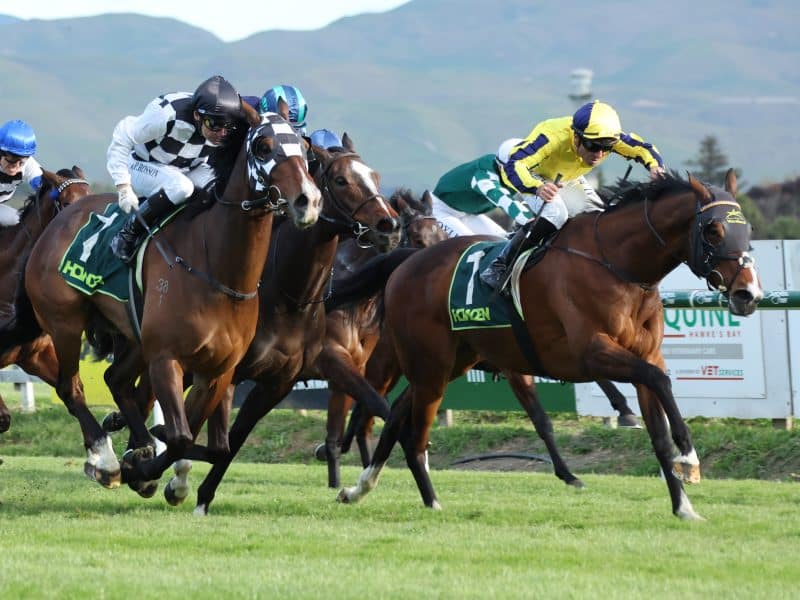
Waitak holds off Tuxedo to defend Howden Insurance Mile title
Waitak won his fourth Group 1, with a return to the Livamol Classic next on the stable’s agenda.
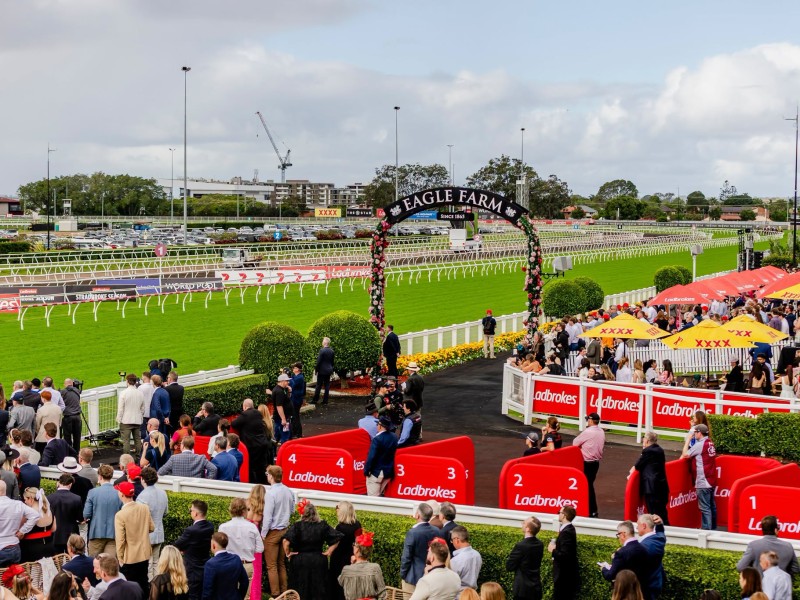
🔒 🔒 Five candidates contest three BRC board seats as club posts profit boost
Three Brisbane Racing Club directors face re-election in October, as the club marks an improved result over the previous financial year.
