
Racing’s tipping Point – Will Point of Consumption taxes increase again?
With wagering revenue in decline, state governments are facing a shortfall in their Point of Consumption Tax revenues, prompting rumours of a further tax hike in NSW.
When the NSW government released its half-year budget update in December, the revised projections from its taxes on gambling, were $46 million lower for the current financial year than they were last May.
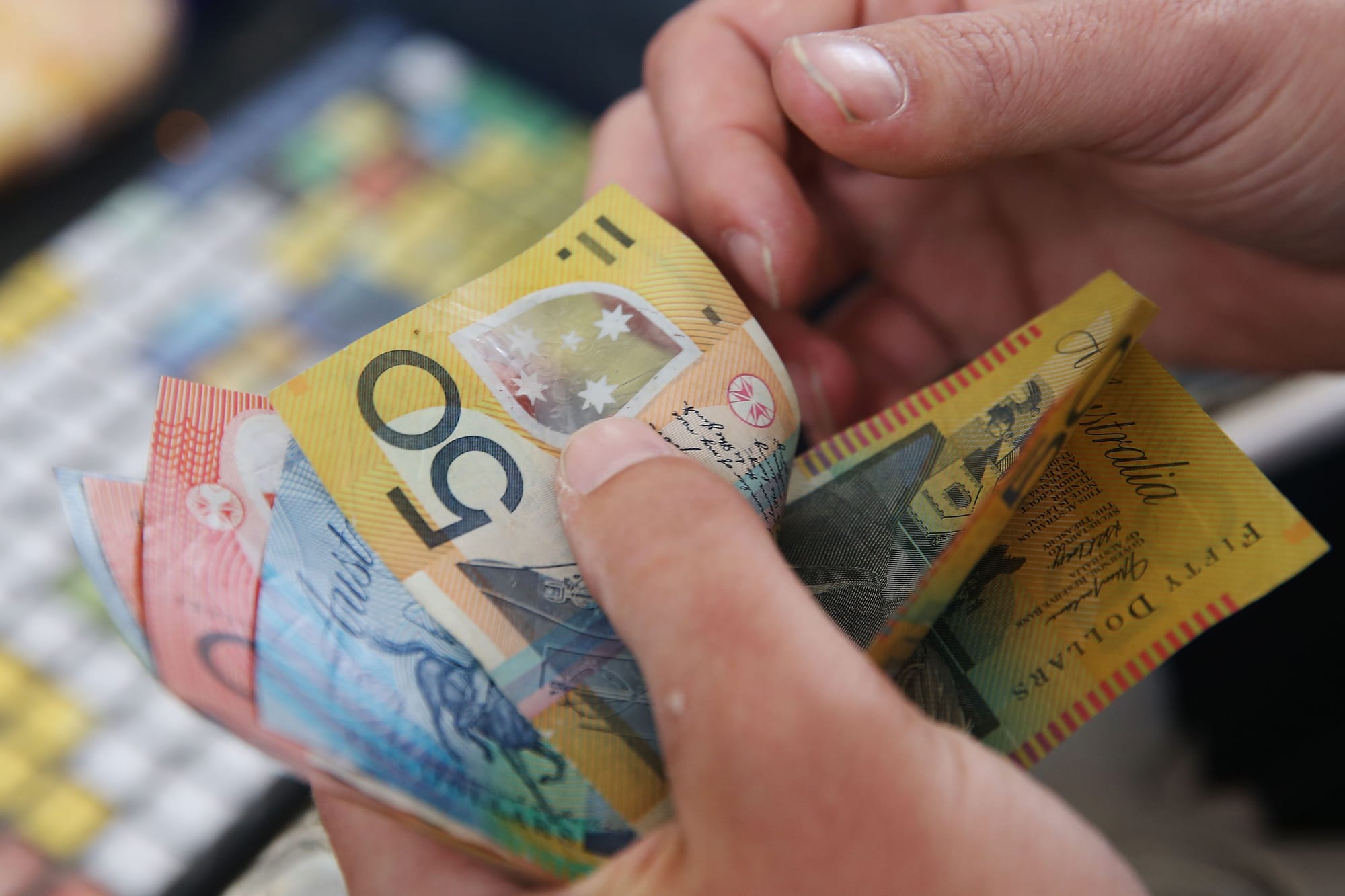
The overall projection over the four-year forward estimates was $187 million lower, which given the racing industry receives 33 per cent, is a substantial haircut – around $60 million – and has prompted speculation that NSW could be destined for a tax hike.
That data comes after the 2022/23 revenue from Racing Taxes, better known as a Point Of Consumption Tax (POCT), in NSW fell some $81 million short of the original budget estimate.
Conversely, the half-year budget update in Australia’s other major racing jurisdiction, Victoria, also released in December, featured no change in projected Point of Consumption Tax revenue.
The government there had already factored in revenue plateauing in 2023/24 as the wagering market declined.
However, from 2024/25, tax revenue from “racing and other sports betting” – how the Victorian government describes POCT – is projected to explode by $159 million, or some 52 per cent.
How is this so?
Victoria is hiking its POCT from 10 to 15 per cent on July 1 this year. From 2025/26 onward it is predicting modest 3-4 per cent annual rises In POCT tax revenue.
The increase in POCT revenue is a crucial aspect of the new funding model for Victoria, which sees a 50-50 split on tax revenue with the racing industry.
The cut of that revenue needs to replace the money that used to flow from the joint venture model which commercially underpinned the industry before the new Tabcorp deal was struck in Victoria in December.
As projections stand, Victoria’s state government will receive substantially more – $461 million compared to $372 million – in POCT revenue than NSW next financial year, despite both charging the same rate.
So what does NSW do to remedy this situation?
NSW only raised its POCT rate to 15 per cent in mid-2022 but rumours are mounting that it will announce a further rise to 20 per cent in this year’s state budget.
In theory, that would help the NSW government alleviate the shortfalls in its projections, but that assumes two key things.
Firstly, that overall investment does not continue to decline as it has over the past 12-18 months, and secondly, that raising POCT doesn’t impact turnover.
Wagering companies and punters groups have argued there is a tipping point where taxes and product fees become a disincentive to investment. They argued this from when the first POCT was introduced in 2017.
That projection did not eventuate. Wagering boomed through the pandemic, providing a flow of money, via POCT, previously unseen in the racing industry, in turn powering prize money hikes.
However, that does not mean they will be wrong this time around. Implementing additional taxes in a declining market will usually result in dwindling returns, and in this situation, it could have a dramatic impact on turnover.
Those spoken to by The Straight have suggested a hike in the POCT rate would be “disastrous” for both the wagering and racing industry.
Among the solutions offered to turning around the drop in turnover was to cut the POCT rate, with a view to incentivising investment. That is what is reportedly being considered in Queensland, which went to 20 per cent in March 2023.
While racing bodies in NSW would be able to use POCT reform as leverage in their battle to secure a better deal with Tabcorp, they would be well aware of the dangers of raising taxes while turnover is falling.
Their concern that shortfalls of POCT will lead to a drop in overall funding is something that will resonate through every principal racing authority (PRA) in the country.
The deals struck in Victoria and Queensland, in particular, in terms of a reliance on POCT lock the future fortunes of the racing industry into that tax.
It gives the industry little or no buffer against fluctuations in the market, apart from its own savings, and perhaps, its much-protected and hard-won product fees.
It also creates a vulnerability in that an increasing proportion of POCT revenue is collected from sports betting.
In a world where gambling advertising, a chief source of revenue for sports bodies, is banned, sports bodies may feel that POCT revenue is rightfully theirs.
Author

Related Articles

Straight Talk – Racing NSW puts ATC into administration, PVL’s racing future and a cooling stallion market
This week on Straight Talk, Racing NSW takes control of the Australian Turf Club, Peter V’landys weighs up his future, Yulong makes a key bloodstock move, and we examine the wagering reforms, regulatory crackdowns and industry shifts shaping racing in Australia and beyond.
UK betting checks may offer a window to Australia’s future
Britain’s latest gambling reforms, which include affordability checks, have the potential to resonate with governments and regulators in Australia, writes Warwick Barr.

Nationwide Telstra outage forces Magic Millions sale delay
Racing Australia and Magic Millions have been caught up in a nationwide outage of Telstra services on Wednesday, forcing delays to the release of fields and an online auction.
