
Run The Numbers – Dam good – Extraordinary maternal influences to the fore
In Classic races either side of the Atlantic at the weekend, descendants of a trio of true blue hens further enhanced the influence of their families, while South Australian Derby winner Wigmore put his globetrotting grand dam’s name back up in lights.
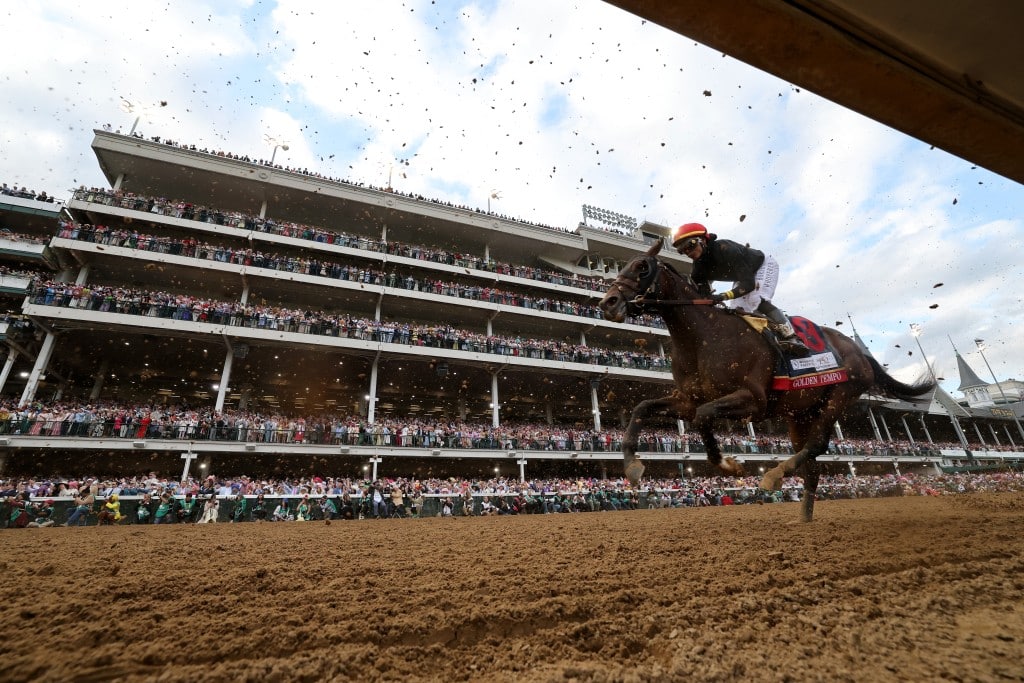
Golden Tempo’s dramatic late surge to secure the 152nd Kentucky Derby may have proven an upset for punters – at $23 he was the longest priced winner in four years – but in terms of pedigree, it seemed less of a surprise.
His victory for Cherie DeVaux, the first female trainer to prepare a Kentucky Derby winner, gave Curlin a much-deserved success as a sire in the race, 19 years after his own bid as racehorse fell short when he was third behind Street Sense.
Before Saturday, there had been three occasions where his sons fell agonisingly short, with Exaggerator (2016), Good Magic (2018) and Journalism (2025) all finishing second.
But in a crowning moment for the Hill ‘n’ Dale resident, not only was he the sire of the winner, but he was broodmare sire of the second horse Renegade, and grandsire of the third placed Ocelli.
In winning the famous American race, Golden Tempo achieved what no horse above him in his sireline could do, including his five-time grandsire Native Dancer, whose only racetrack defeat came in the race at Churchill Downs in 1953.
But the story of the latest Kentucky Derby winner’s pedigree extends far beyond just his sireline. It builds on a legendary success of a damline which extends back to his fifth dam, Lady Pitt.
A champion of her own right, Lady Pitt left an even bigger legacy from the breeding barn. Golden Tempo is the 25th individual Group 1 winner to descend from Lady Pitt and the first to win the Kentucky Derby.
It is a list which contains unbeaten superstar Flightline as well as Oscar Performance, Dancing Spree and Heavenly Prize, plus champion horses in Chile (We Can Seek, Wapi and Soqui), Argentina (Furia Azteca), Italy (King Of Clubs), Hong Kong (Junko). Peru (Wellington) and Japan (W Heart Bond).
Across seven generations, there have been 1366 descendants of Lady Pitt, among them 82 individual stakes winners, a remarkable return from a single mare foaled in 1963.
At Newmarket, a few hours earlier, Bow Echo was a less suprising winner of the first Classic of English season, the 2000 Guineas.
Third favourite for the event, he delivered a memorable success for trainer George Boughey, prevailing comfortably after a duel with Starspangledbanner’s Gstaad.
Bow Echo is by Night Of Thunder, the reigning champion sire of Great Britain and Ireland who spent one season shuttling to Darley Kelvinside in 2016, and who won the same Newmarket race, albeit at a much bigger price, in 2014.
Night Of Thunder has rightly emerged as the heir apparent to his own sire Dubawi, with 10 Group 1 winners around the world, including Kukeracha in Australia and 83 stakes winners from 633 runners.
Mind you, he has some way to go, given Dubawi has 317 stakes winners and 64 individual Group 1 winners, and is still counting.
But the Bow Echo story is as much about Dubawi’s dam, Zomaradah, as it is about his sireline. The reason is that she features not only as the dam of the 2000 Guineas winner’s grandsire, but also as his great-grand dam on his maternal side.
He is the third individual Group 1 winner descended from Zomoradah, an Italian Oaks winner, in this way. The others are Dubawi and Royal Champion.
Such 3 x 3 crosses of blue hens aren’t as uncommon as one might think. But it might make things slightly tricky when it comes to planning his career as a stallion.
It was a mating engineered by his late breeder Sheikh Mohammed Obaid Al Maktoum, whose colours all three have carried to victory.
In all, Zomoradah has 64 damline descendants who have hit the track, with 11 stakes winners among them.
It’s not quite the legacy left by Lady Pitt, but given what Dubawi and Night Of Thunder have done as stallions, Zomoradah’s influence is massive and only set to grow.
On Sunday, True Love, a daughter of No Nay Never, prevailed in the 1000 Guineas.
An eighth winner for Aidan O’Brien in the race, she descends from a mare who has shaped his success more than any other. True Love’s fourth dam is the legendary Urban Sea.
She is the dam of Galileo, who was the first of O’Brien’s 11 Derby winners and who would go on to underpin Ballydoyle’s phenomenal success. She is also the dam of Group 1 winners Sea The Stars, Black Sam Bellamy and My Typhoon.
In all, Urban Sea has 142 maternal descendants who have made the track for 95 winners and an incredible 34 stakes winners. True Love is the 10th Group 1-winning descendant.
Maternal descendants of Urban Sea, Lady Pitt and Zomaradah
| Dam | Runners | Winners | SW | G1w |
| Urban Sea | 142 | 96 | 34 | 10 |
| Lady Pitt | 1371 | 934 | 82 | 25 |
| Zomaradah | 64 | 43 | 12 | 3 |
The damline of upset South Australian Derby winner Wigmore doesn’t shape up to those standards, but it is worth acknowledging the ongoing influence of his great grand dam Arborea.
She, like the above-mentioned mares, was a champion on the track, winning the Thousand Guineas and the VRC Oaks, as well as the Wakeful Stakes in a memorable 22-day run in the Melbourne spring of 1993 for trainer Clarry Conners.
Her breeding career started in Australia but took her to the United States for seven years, during which she produced Wildcat Woman, who was unraced but was imported to New Zealand around the same time as her dam was brought back to Australia by John Camillieri.
Wildcat Woman and her More Than Ready foal, to be named Del Mondo, arrived back in New Zealand in 2008. Wigmore, by Sweynesse, is Del Mondo’s eighth foal.
On Saturday, at just his second start since arriving at Phillip Stokes’ yard, Wigmore won the SA Derby, becoming the first maternal descendant of Arborea to win a Group 1, but the eighth stakes winner overall from a small set of 89 horses.
Author

Related Articles
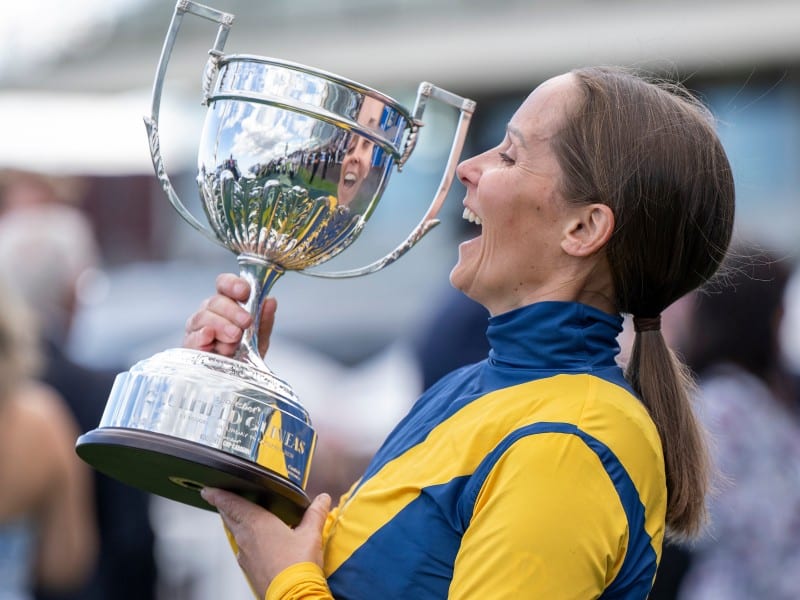
Run The Numbers – King’s latest successes put female jockeys on brink of 50 Australian Group 1 wins
As Rachel King builds her own formidable Group 1 record, she is also helping female jockeys power towards a significant milestone: 50 Group 1 wins in Australia. Run The Numbers dives into the major contributors from Diane Moseley to Siena Grima.
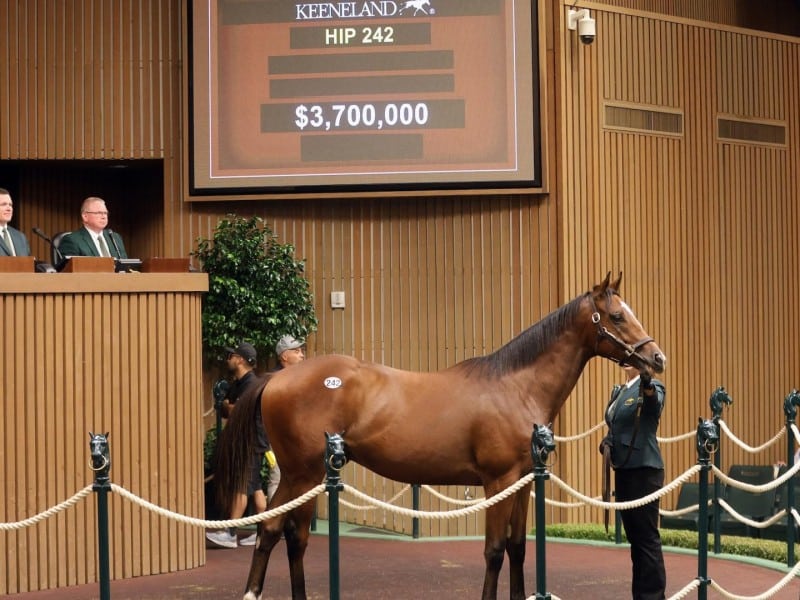
Run The Numbers – The elevated state of the global yearling market
With US$536 million spent across 12 sessions, the recently completed Keeneland September Sale was the highest-grossing yearling sale in history. Run The Numbers looks at whether it speaks only to the American market or reflects a broader global demand for elite bloodstock.
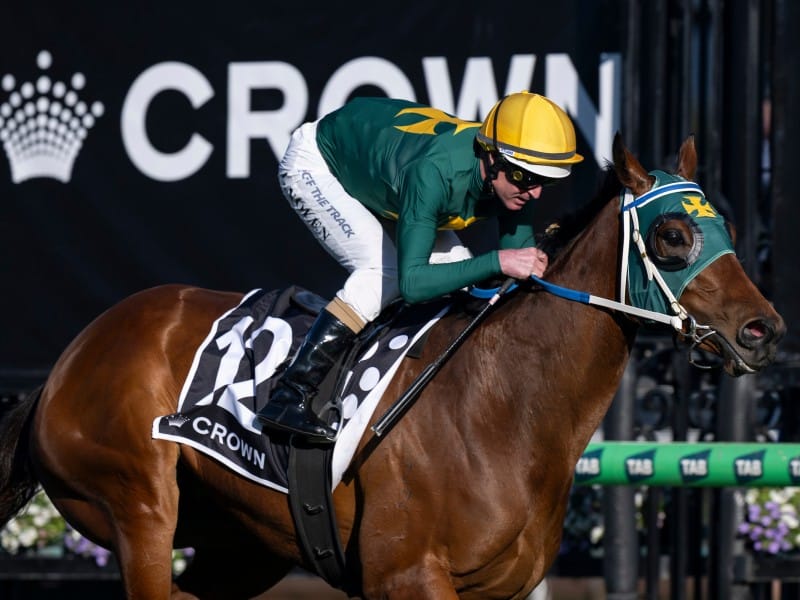
Run The Numbers – An influence runs Deep into the next generation
Legendary Japanese sire Deep Impact made a major mark on Australian racing from less than 50 runners. Does the emergence of Sheza Alibi point to that influence continuing to his sire sons as well? Run The Numbers takes a look.
