
Running on empty – where an ongoing fuel crisis will hit hardest in Australian racing
Like every part of Australia’s rural economy, skyrocketing fuel prices are also placing an unprecedented strain on regional Queensland’s racing industry, raising immediate challenges to go with mounting long-term sustainability concerns.
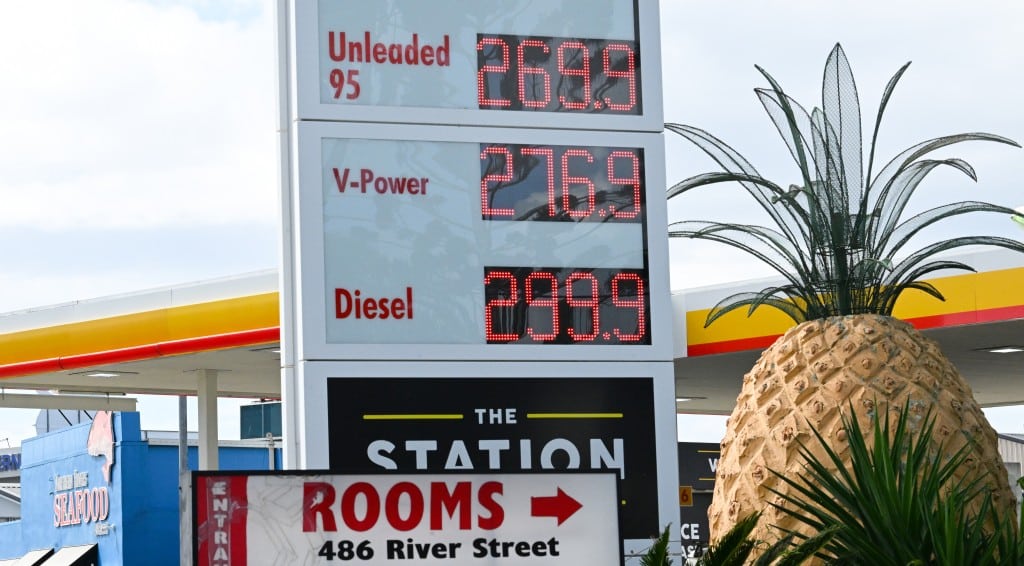
Regional Queensland racing is likely to become the Australian thoroughbred industry’s epicentre for the impact of exorbitant petrol and diesel prices amid a worsening national fuel crisis.
Trainers and jockeys contacted by The Straight, who regularly spend long hours on the road driving to far-flung destinations across the Queensland outback, revealed they may be forced to stay at home rather than attend bush meetings if fuel costs continue to rise.
Country racing in the state is already grappling with a jockey shortage and there are concerns that the ongoing effects could – in a worst-case scenario – lead to the abandonment of some meetings.
While some race clubs offer travel rebates for trainers and jockeys, Racing Queensland (RQ) says it is closely watching the situation but is not in a position to establish an all-encompassing scheme that would have to include all three racing codes.
RQ’s executive general manager of racing David Brick said the regulator would hold talks with prominent industry groups such as the Queensland Jockeys’ Association.
“We are certainly going to have discussions with them around the potential impact that it may have on their members,” Brick told The Straight.
“I know they are not looking for a handout or anything because they appreciate this is something that affects everybody.
“But it’s certainly something that we’re mindful of … some of those pressures. It’s one that we’ll continue to monitor.”
RQ recently announced a funding program for trainers affected by recent flood events, but Brick said introducing a similar financial package to offset fuel costs could be an option if global oil prices remained high.
“Depending on how long (the crisis) goes … there are ways that existing funding can be distributed in different ways,” he said.
“And there’s some of the things that would have to be considered in consultation with the relevant groups if that means that they have to assist people in accessing or attending race meetings.”
In a potential forerunner to what might confront the racing industry, an agricultural show west of Bundaberg has been cancelled.
Organisers of the Mount Perry show said skyrocketing transport costs left them with no choice but to call off this year’s annual event.
At Emerald, about 500km north west of Mount Perry, racehorse trainer Glenda Bell said costs were starting to hit hard.
Bell often makes a 1200km round trip to race her string of horses at Townsville and says her fuel costs would be more than double what they were a month ago.
“Generally, it would cost me $500 to go to Townsville. Now it would cost me in excess of $1300,” she told The Straight.
“It’s going to have a big effect. A lot of people are talking about it … but I’m really not sure whether anything can be done.
“Horse feed is probably going up about 30 per cent but you can’t put your fees up, so you’re just going to have to try and wear it a bit.
“All it means is you’re working basically for nothing, but you’ve got to try.
“It’s not big money out this way. You do get the odd race worth a few dollars, but most of it’s $6800, which is nowhere near enough with the travel and now the cost of fuel.”
Diesel prices are tipped to reach $3.50 a litre in some parts of rural Queensland before the end of the week as some service station owners have reportedly imposed limits on customers.
Bell says she knows of one southeast trainer who has already abandoned plans to be at Emerald’s Easter Saturday meeting because he can’t justify passing on the added expense to his owners.
Calls for the federal government to introduce petrol rationing continue to grow as questions around Australia’s fuel reserves dominate the political debate.
Brick says that if restrictions are introduced, RQ would strongly advocate for racing to continue as normal in the state’s outer regions.
“I guess we’re guided by the government on that at this stage,” he said.
“The indications are that there’s a supply chain there and we haven’t received anything to indicate that it isn’t.
“But if that comes in, racing will be in the same boat as any industry would. Obviously, from that point of view, it’s an essential requirement for participants to be able to perform and travel with their horses.
“Without wanting to speculate, we would put forward any cases to the government in that regard. I guess it’s probably no different to when we went through the COVID situation and the government had to determine which industries were able to continue.”
Remote racing is an accepted part of the Queensland thoroughbred landscape, but the geographical scale comes with its challenges for non-TAB venues and once-a-year race clubs.
However, its importance to the Queensland industry was acknowledged in the state government’s “The Next Lap” report, as part of an overall review of the health of the three racing codes in the state.
“Beyond its cultural and social significance, country racing is a key driver of regional economies,” the report said.
“Race days create local jobs, boost income for businesses, and attract visitors who contribute to sectors including accommodation, food and tourism.
“As the backbone of Queensland’s racing industry, country racing also serves as a pathway for emerging talent, from trainers and jockeys to breeders and volunteers, ensuring grassroots participation and the long-term sustainability of the industry.”
Related Articles
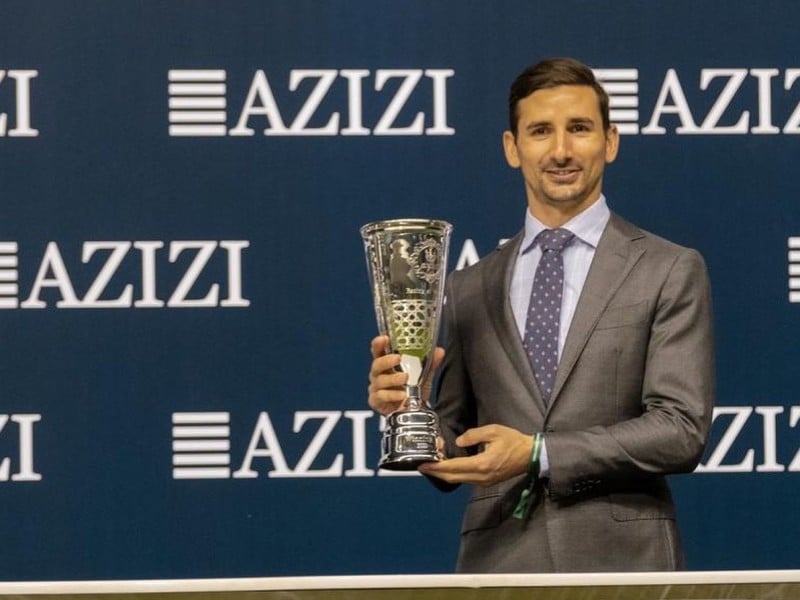
Costa heads back to the Coast, ending Dubai adventure
Michael Costa will leave the United Arab Emirates following Saturday’s Dubai World Cup meeting after four years training from Jebel Ali Stables, with the trainer to reignite his career on the Gold Coast.
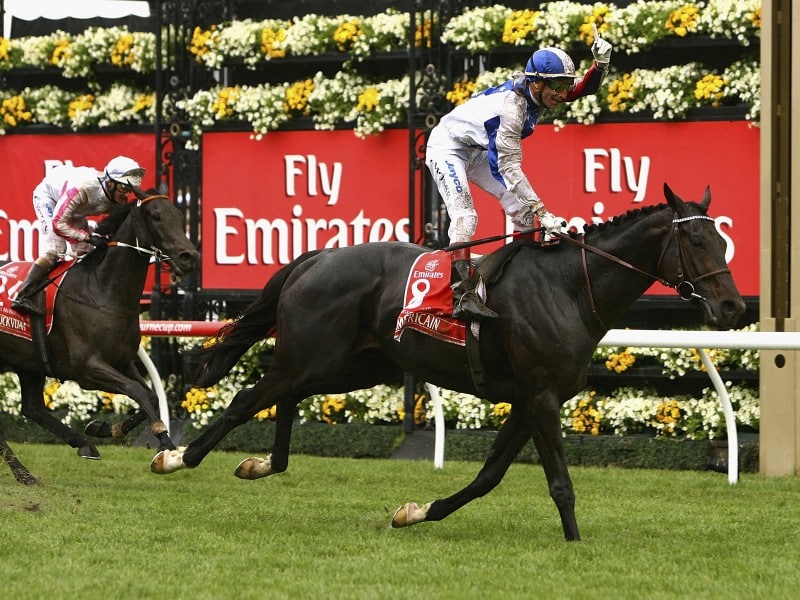
Prix Kergolay becomes 11th ballot-free qualifier for the Melbourne Cup
The Victoria Racing Club’s desire to continually grow the international appeal of the Melbourne Cup, has seen it add a French Group 2 to its list of golden ticket races.

McGrath promises RQ board will be ‘visible, accessible and accountable’
New Racing Queensland chairman Matthew McGrath said the new-look board will be committed to the principles of being cohesive and progressive in what represents a new era of leadership for the industry in the state.