
🔒 🔒 RWWA warns racing funding model faces 2027/28 test
Racing and Wagering WA says that maintaining current industry funding levels will become increasingly difficult from 2027/28, with departing chief executive Ian Edwards acknowledging the financial windfall from prior wagering booms cannot provide an indefinite source of support.
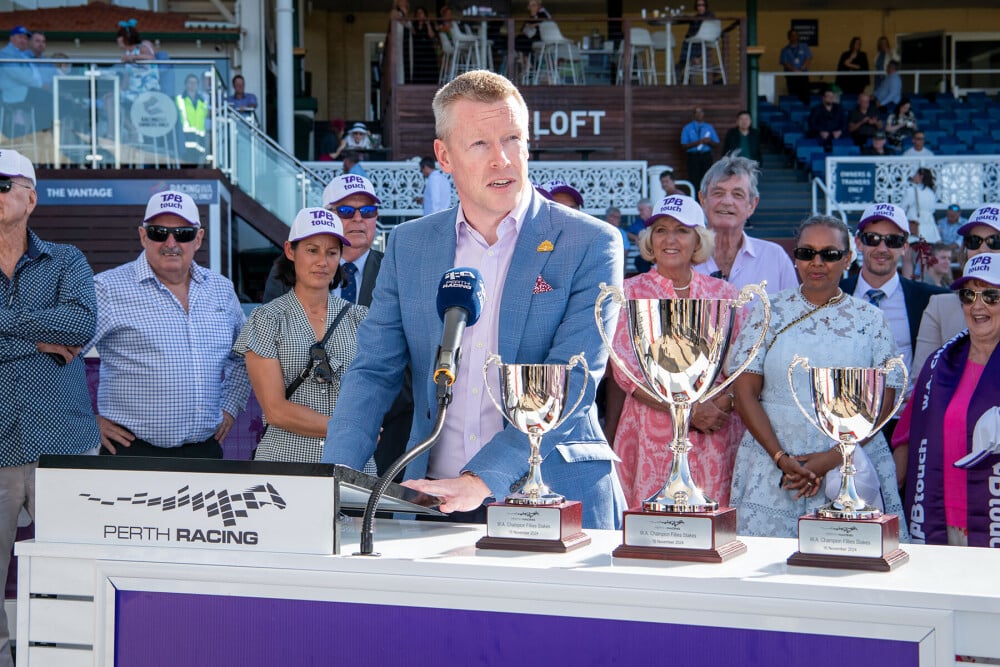
Western Australian racing faces a significant funding challenge from 2027/28, with Racing and Wagering WA insisting that further revenue growth or a reassessment of industry distributions will be necessary to maintain current investment levels.
The warning comes as RWWA’s recently released 2025/26 annual report reveals a $17.12 million net loss, following a $28.55 million deficit in the previous financial year, while its wagering operation delivered a considerably smaller profit.
Departing chief executive Ian Edwards said the industry’s capacity to sustain prize money and infrastructure spending in recent years had been supported by the extraordinary returns generated during the pandemic wagering boom.
“However, the industry cannot rely indefinitely on profits earned during an unprecedented period,” Edwards said.
“As costs continue to rise, maintaining current funding levels from 2027/28 onwards will require either further revenue growth or a reassessment of industry funding settings to ensure long-term financial sustainability.”
The WA TAB wagering margin fell 5.3 per cent to $335.39 million during 2025-26, down almost $19 million from the previous year.
The volume of bets processed fell to 220.64 million from 233.81 million.
Total RWWA revenue declined 4.3 per cent to $379.48 million, while expenditure fell 3.1 per cent to $558.68 million.
Although the final deficit improved by $11.43 million, the accounts show the organisation’s reliance on government-related income, which totalled $161.52 million.
That included $115.39 million in WA Racefields revenue and $42.93 million in betting tax income, both higher than the corresponding figures for 2024/25.
The wagering division generated an $86.92 million profit, down from $102.47 million, while the racing division recorded a $71.66 million deficit, an improvement on the $87.026 million shortfall a year earlier.
RWWA provided $209.96 million in distributions to racing and sports, with another $17.06 million allocated through grants and subsidies, taking combined industry support to $227.02 million.
The total was $1.62 million lower than the previous year’s $228.64 million, despite the deterioration in wagering returns.
Edwards said the organisation had chosen to deploy the exceptional earnings accumulated during COVID into the industry rather than preserve them as an ongoing source of income.
“The industry’s strong funding position in recent years has been underpinned by our deliberate approach to reinvesting the profits generated during the unprecedented period of wagering growth experienced during COVID,” he said.
“Over subsequent years, that financial benefit has been deliberately reinvested through higher prize money, substantial infrastructure investment and targeted expenditure within RWWA to strengthen the organisation’s capability and performance.”
He said the strategy had enabled Western Australia to maintain elevated support for participants and deliver projects across thoroughbred, harness and greyhound racing, avoiding the reductions imposed in some other jurisdictions.
Despite the consecutive annual deficits, Edwards pointed to an overall net profit of approximately $2 million accumulated since 2020/21 as evidence that the expenditure had been managed within a longer-term financial plan.
“Importantly, despite the planned losses recorded in recent years, RWWA has still generated a cumulative net profit of approximately $2 million since 2020/21, demonstrating that these investments have been funded through a considered long-term financial strategy rather than unsustainable operating deficits,” he said.
The State government’s review of the racing industry will now help determine how to structure its funding model to meet future demands.
Edwards said the process had reached a pivotal moment, but stressed that RWWA had already begun internal adjustments rather than waiting for the findings.
“That is why the state government’s review comes at such a critical time and will help inform the decisions needed to underpin the long-term future of the industry,” he said.
“While that work has been underway, RWWA has not waited to act.
“Throughout 2025/26, we have continued to identify efficiencies, adapt to evolving commercial realities and implement changes to improve the organisation’s financial sustainability.”
The accounts show support services expenditure fell 26.4 per cent to $32.38 million, while cost of sales declined 12.9 per cent to $92.10 million.
Wagering services expenditure, however, increased 11.1 per cent to $108.44 million, highlighting the differing cost pressures across the organisation.
RWWA finished the financial year with net assets of $141.74 million, down from $149.53 million, while cash holdings declined from $52.94 million to $47.79 million.
Edwards, who is leaving the organisation on Friday after a six-year tenure, believes WA racing remains economically and socially important, with its employment base and connections providing grounds for optimism.
“Racing continues to support thousands of jobs, bring communities together and contribute significantly to the economic and social fabric of our state,” he said.
He said participants, clubs, government and industry employees could work together to secure its future, although the financial figures underline the scale of the task facing his successor and the state government.
Edwards will finish at RWWA on Friday, ending a six-week transition of power in handing over the interim chief executive reins to Mike Saunders.
Saunders served as RWWA’s chief wagering officer and will remain interim CEO until July 31, 2027.
RWWA confirmed it would maintain prize money for the 2026/27 racing season, attributing the decision partly to reductions in its operating cost base and wagering margins exceeding expectations.
Related Articles
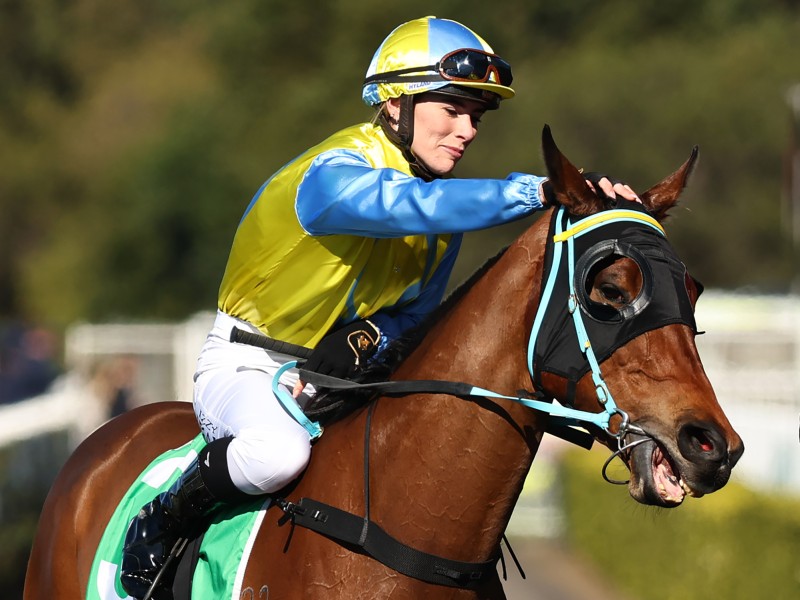
Izzy Neale dies two days after Warren race fall
The family of jockey Izzy Neale has confirmed her death at age 22, two days after a race fall at Warren on Sunday.
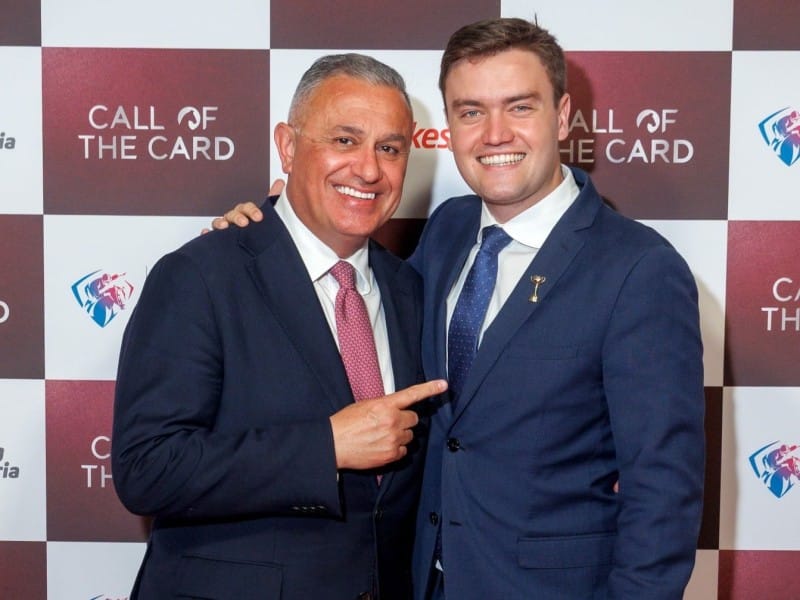
🔒 🔒 Post-spring power struggle looms as Kanga upends the VRC’s best-laid plans
The Victoria Racing Club’s plans for a smooth board transition have been upended by John Kanga’s entry into its member election, but is the pending political drama at Flemington a sign of a broader struggle for influence in the Victorian industry?
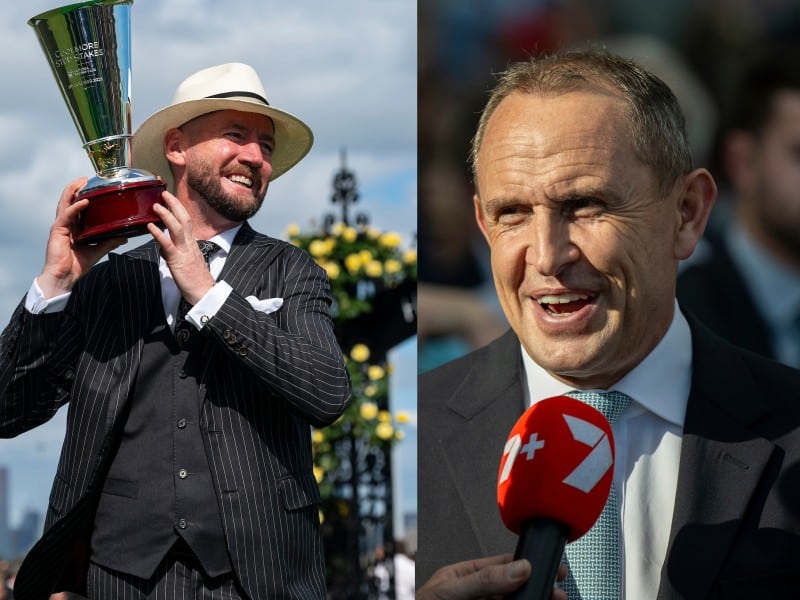
Run The Numbers – Scale rewarded as Waller and Maher snare over 20 per cent of Australian prize money
Chris Waller and Ciaron Maher have won 17 of the first 29 Group 1s of 2026/27 and their runners have claimed 21.6 per cent of Australian prize money to date. Run The Numbers gives historical context to their current dominance.
