Seven days in … breeding – NZ pivots as Australia persists on pattern

In this edition:
- Wings clipped – Asian committee votes against Group 1 upgrade for Golden Eagle
- New Zealand moves Oaks to try and preserve Group 1 status and downgrades Thorndon Mile
- Run The Numbers – Brightside part of an elite quartet
- Rowe On Monday – End of the Galileo era, fast HK starts for Aussies and Kiwis and a Bangkok musical tribute for Chester
- Deep Field dispute – insurer yet to pay out on prematurely pensioned stallion
- Keeneland windfall already surpasses 2024 halfway through sale

So, where to from here for The Pattern in Australia?
As has been referred to on The Straight previously as groundhog day, the black type calendar in this nation is at a standstill, that is if you exclude the suite of races upgraded in NSW over the past 12 months.
They, of course, don’t have international approval and the local Group and Listed standings aren’t reflected in sale catalogues or on pedigree pages.
On Thursday, the Asian Pattern Committee officially shot down recommendations to upgrade at least 40 black-type races – and rebuffing Racing NSW’s wish for the Golden Eagle, Russell Balding, Apollo Stakes and the Premiere Stakes to be upgraded to Group 1 level.

It’s understood that Racing Australia delegate Rob Rorrison was left exasperated by the position taken by his Asian Pattern Committee colleagues in putting the onus back on his national body to implement a working committee.
That view is said to have puzzled some industry observers who suggest that his disenchantment with the process should be directed towards his principal racing authority peers and their inability to reach an equitable resolution that’s at least seven years in the making.
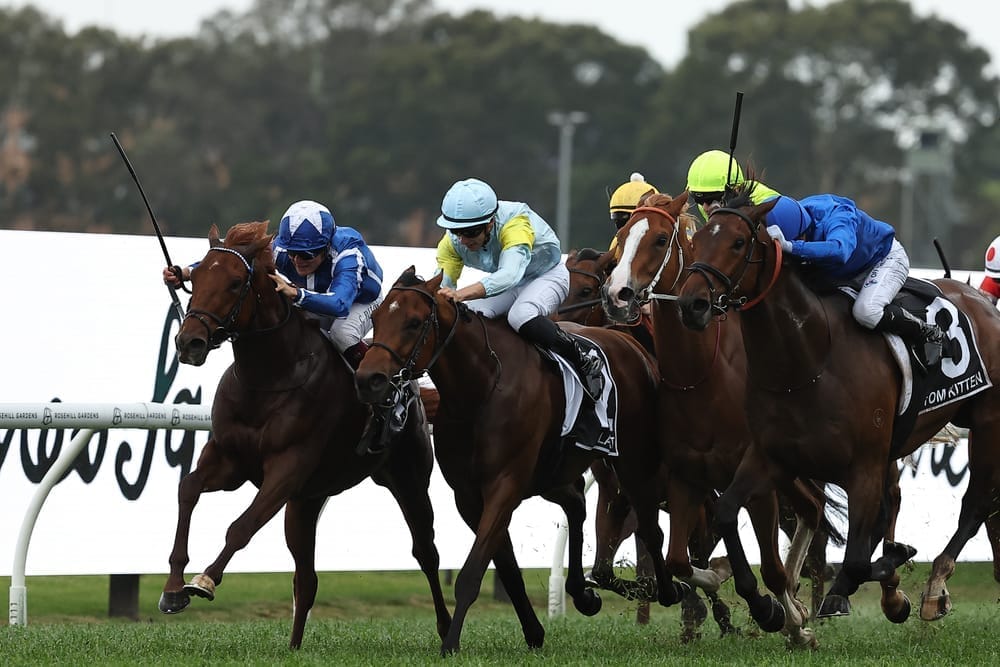
In contrast, the New Zealand thoroughbred industry clearly demonstrated its willingness to abide by the APC’s ground rules as a Part 1 racing jurisdiction.
As a result, the Thorndon Mile has been downgraded from Group 1 to Group 2 status while the Group 1 New Zealand Oaks and New Zealand Thoroughbred Breeders Stakes have been moved to different times in the calendar in an endeavour to maintain their elite ranking.
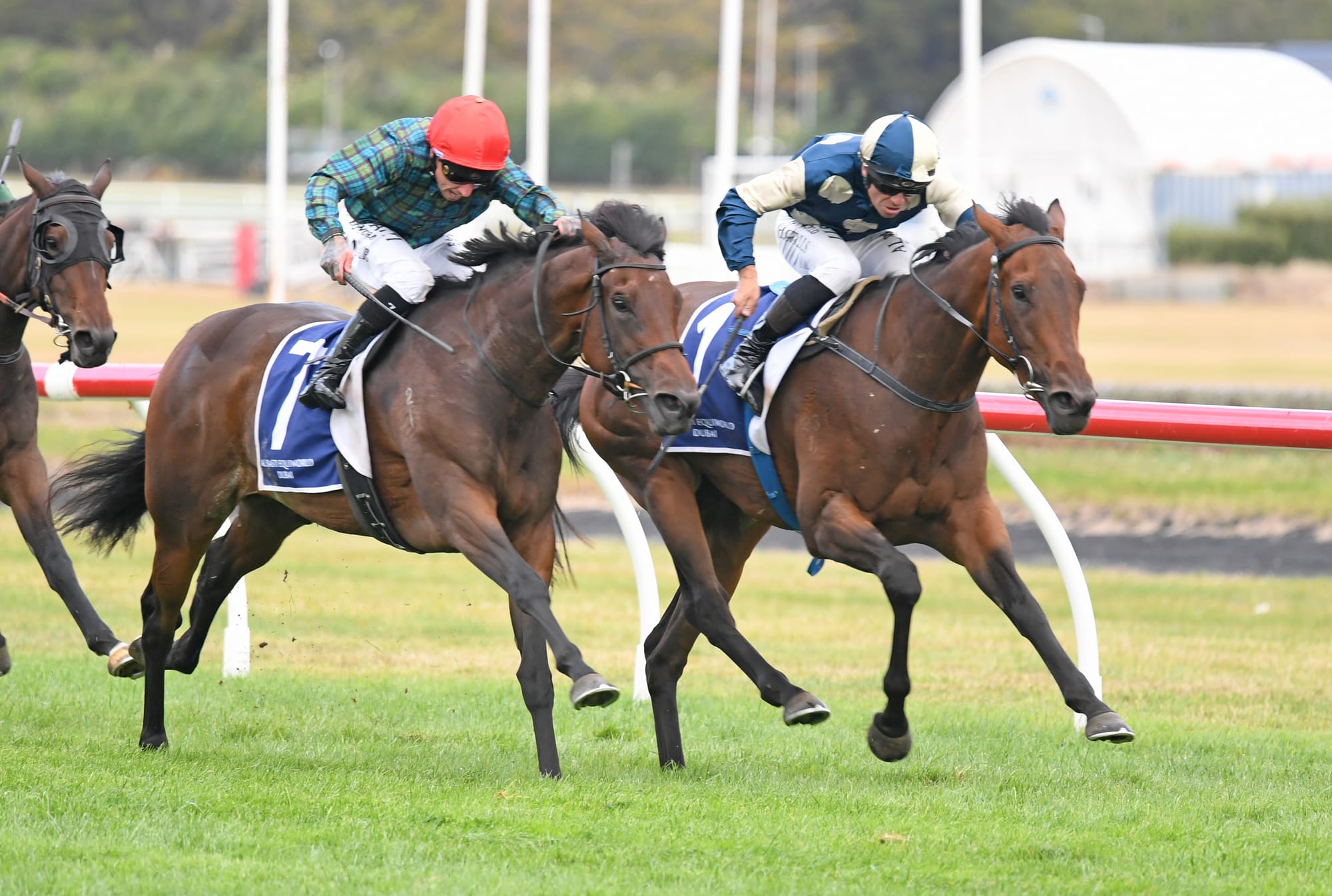
Whether the Makybe Diva should be a Group 1 or not can be debated. But what can’t be is the tenacity and toughness of Mr Brightside, and the placement and management of the unfashionably bred gelding by his trainers Ben, Will and JD Hayes over an extended period of time.
In winning his third straight Makybe Diva on Saturday – and his 10th Group 1 in a 46-start career – Mr Brightside equalled some of Australia’s turf greats, as Run The Numbers found.
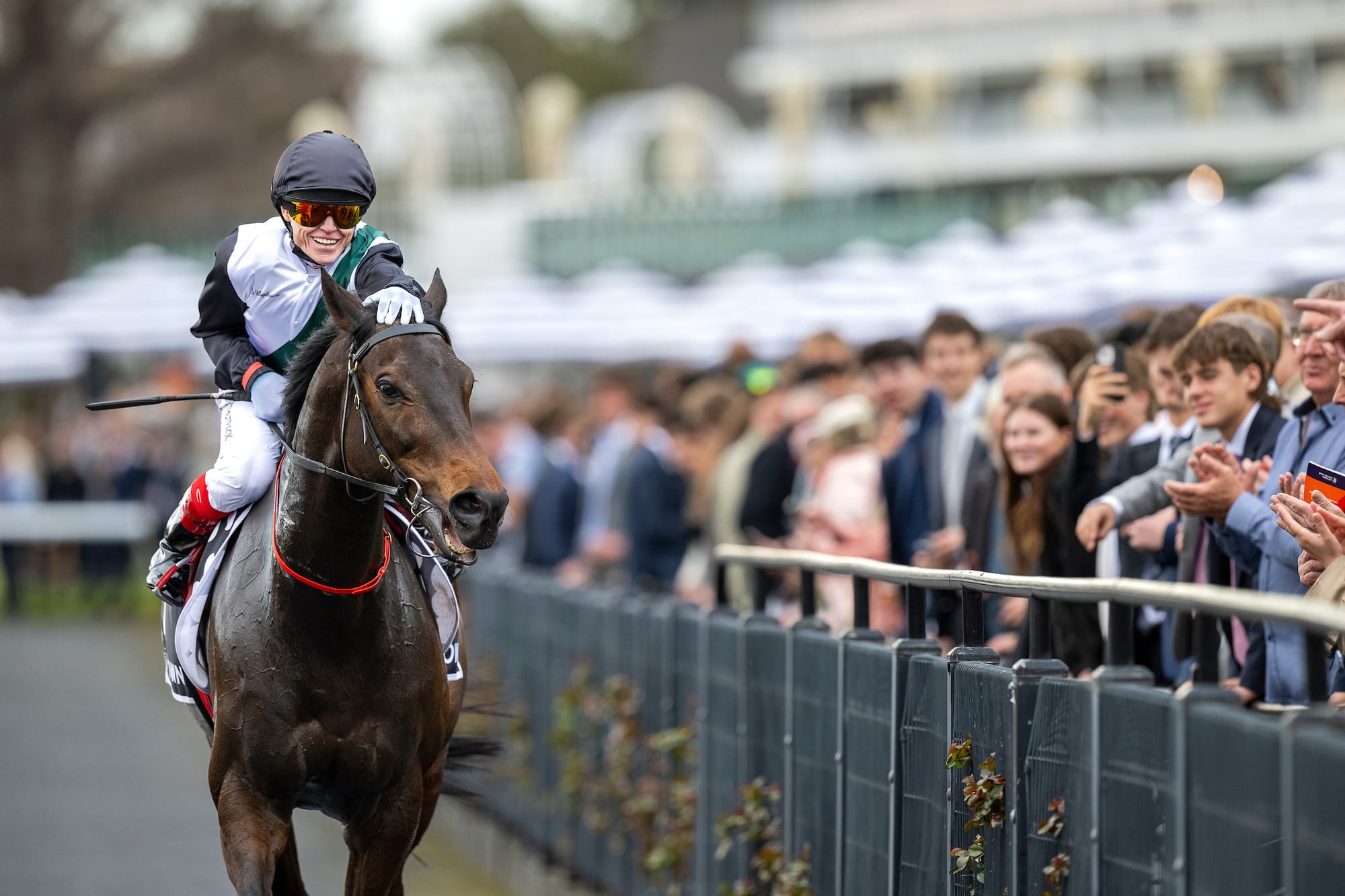
Mr Brightside is by the late Bullbars, who himself came close to achieving a Group 1 win of his own over the same track and distance at Flemington when runner-up in the 2011 Australian Guineas.
Bullbars’ father Elusive Quality sired 17 Australian stakes winners, with Blue Diamond, Golden Slipper and Coolmore Stud Stakes winner Sepoy undoubtedly the best of them all.
The importance of shuttle stallions to the Australian Stud Book is vital to the diversity of the country’s thoroughbred gene pool and Coolmore and Darley’s investment in the local industry is a big part of ensuring that remains the case.
One of those shuttlers from two decades ago, Coolmore’s champion Galileo, may not have made the mark in the southern hemisphere when compared to the likes of Darley’s Dubawi and his son Too Darn Hot, but Colm Santry believes the son of Sadler’s Wells’ Australian feats are under appreciated.
Coolmore’s Santry reflected on Galileo, who died in 2021, in Rowe On Monday after the stallion’s final crop European-bred son Stay True contested the St Leger at Doncaster on Saturday. Stay True is the last Galileo to run in a British Classic race, bringing down the curtain on a breed-shaping stallion career.
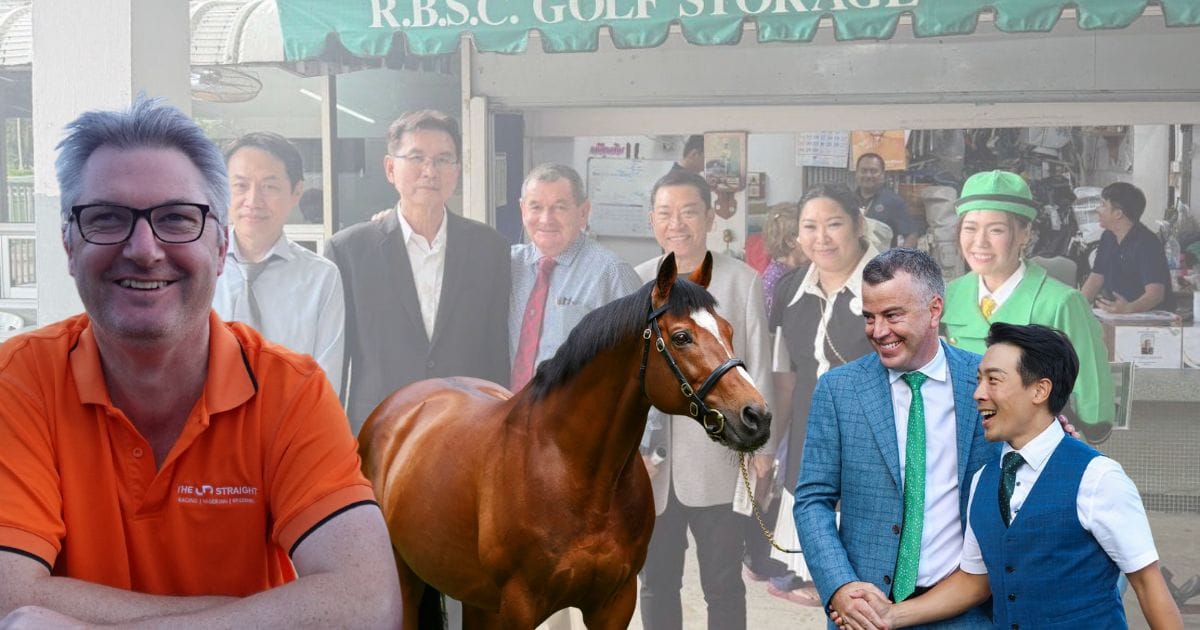
Rowe On Monday
End of the Galileo era, fast HK starts for Aussies and Kiwis and a Bangkok musical tribute for Chester
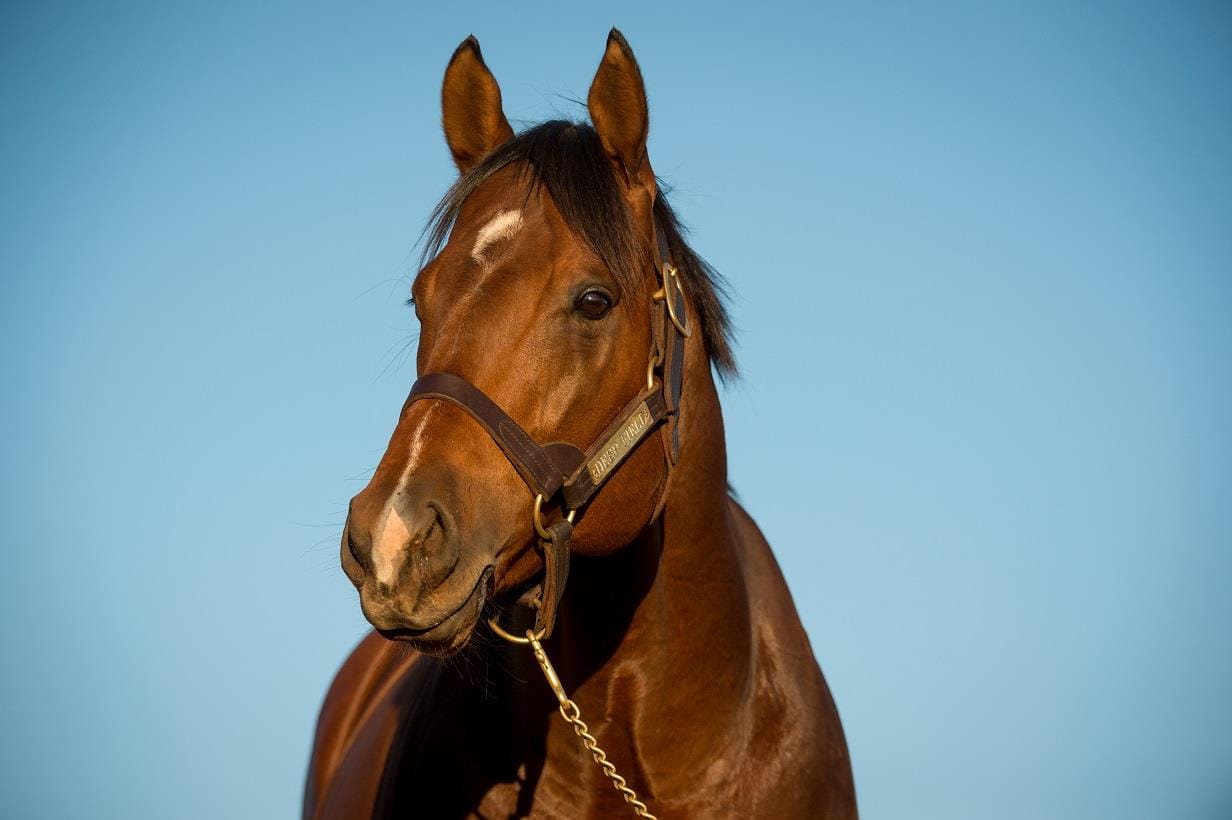
As for Elusive Quality, he is the damsire of Group 1-winning stallion Shooting To Win and his brother Deep Field, the latter whose shareholders continue to await an insurance payout after the son of Northern Meteor was prematurely retired due to fertility issues.
In North America, demand for yearlings at the Keeneland September Sale in Kentucky has reached unprecedented levels, with more than US$417 million spent at the conclusion of Book 3, a figure which has already surpassed the 2024 12-day auction. Fifty-six yearlings sold for US$1 million or more across the first three books, again underscoring the strength at the top end of global bloodstock markets.
Enjoy your racing week,
Regards
Tim Rowe
Senior Journalist
The Straight
Author