
‘Significant headwinds’ – WA thoroughbred trainers to lobby state government for funding equality
Prominent Perth thoroughbred trainers and Racing and Wagering Western Australia’s leaders have emerged from a “robust” meeting vowing to have a shared commitment to ensuring the long-term viability of the sport.
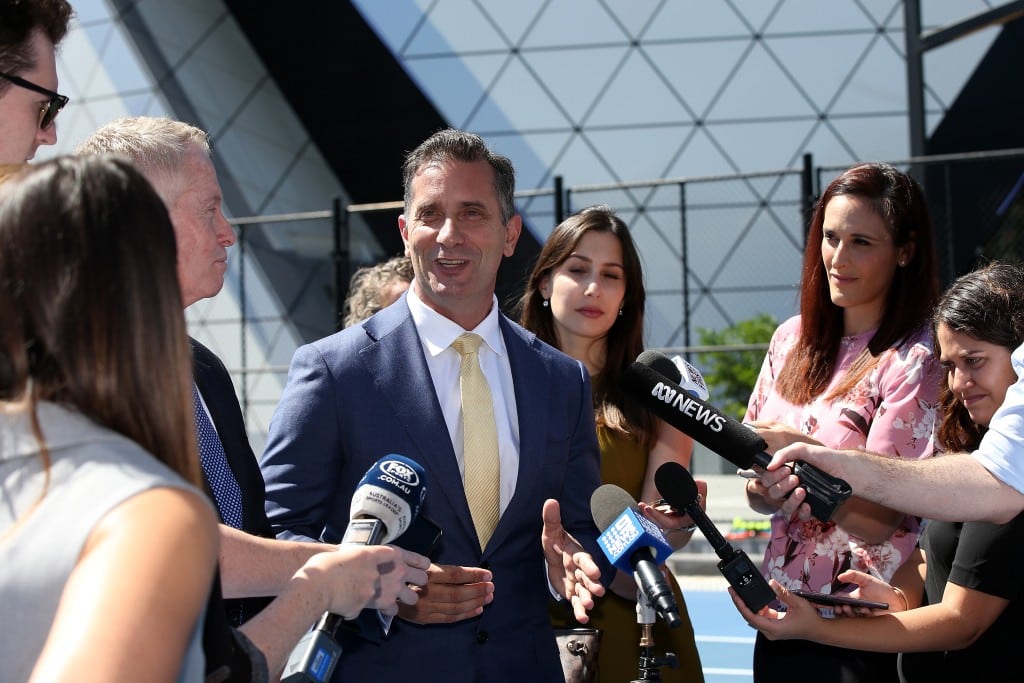
Western Australia’s racing minister intervened in the tricode regulator’s plans to rationalise the state’s harness industry, leading Perth thoroughbred trainers have been told.
Racing and Wagering Western Australia (RWWA) chief executive Ian Edwards purportedly revealed that the principal racing authority’s attempts to address the funding inequality between thoroughbred and harness racing were put on hold at the behest of Racing and Gaming Minister Paul Papalia.
Thoroughbred trainers claim their code was subsidising harness racing in Western Australia to the tune of millions of dollars each year at a time when the premier code’s own viability was under question.
Edwards and RWWA chief racing officer David Hunter fronted trainers at an industry summit last Thursday, a gathering convened after the state’s premier trainers raised a string of concerns about the long-term viability of thoroughbred racing in Western Australia.
The meeting was held four weeks after a two-page letter, signed by trainers Simon Miller, Neville Parnham, Steve Wolfe, Dan Morton, Luke Fernie, Trevor Andrews, Adam Durrant and last season’s premiership winners Grant and Alana Williams, outlining numerous industry issues was sent to Edwards.
Miller wrote to thoroughbred industry stakeholders after the meeting in the name of transparency, indicating that “our discussions were open, frank, and at times robust”.
“As RWWA holds the responsibility for governing and managing the industry, it is vital that stakeholders have clarity around its strategic vision, financial outlook, and leadership direction,” the Group 1-winning trainer wrote to his peers in a letter obtained by The Straight.
The disclosure that harness racing was a significant financial impost on RWWA, a burden which was in turn putting pressure on the other codes, was a matter the trainers plan to take directly to the state’s racing minister.
“RWWA acknowledged this problem and indicated that steps have been taken to try and rationalise the harness code to more sustainable levels,” Miller wrote.
“However, we were advised that the racing minister has intervened and effectively paused these necessary reforms.
“As a result, we intend to engage directly with the minister to ensure that the government is fully informed of our concerns and the implications for the industry.”
The cost of essential workers’ compensation insurance – an issue impacting trainers nationwide – was also high on the agenda between the trainers and the RWWA executives.
“A key point of discussion was the ongoing inaction on workers’ compensation reform, which continues to represent an existential threat to the viability of thoroughbred trainers in this state,” Miller said.
“We made it very clear that RWWA must prioritise tangible progress in this area to ensure the survival and long-term health of our training community.
“We also pressed RWWA to examine its own internal cost structures and seek genuine efficiencies within the organisation.
“To their credit, they advised that some work has already begun in this space.”
RWWA acknowledged last week’s meeting between the regulator and the trainers’ cohort.
“RWWA welcomes the recent constructive discussion with thoroughbred trainers,” RWWA spokesperson said in a statement to The Straight.
“The meeting provided an opportunity to share the current position of the industry, discuss ongoing challenges and reinforce a shared commitment to the sport’s long-term sustainability.
“RWWA continues to engage with participants across all three codes and work collaboratively with the Racing and Gaming Minister to ensure a sustainable future for Western Australian racing.”
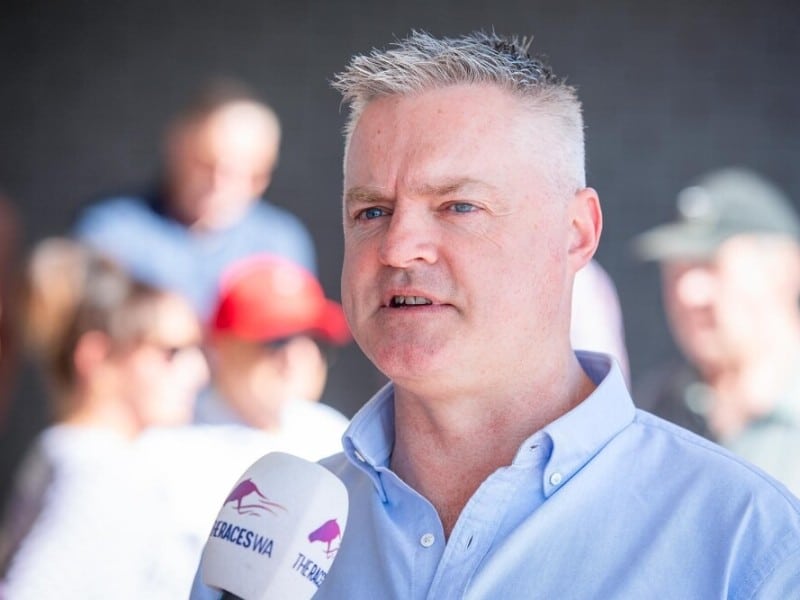
Although trainers “expressed in clear terms our deep concern about the financial sustainability of the industry moving forward”, identifying the need for wagering revenue to increase for the industry to remain viable for participants, Miller commended Edwards for his forthright approach at the meeting.
“The reality is that our industry is facing significant headwinds and uncertainty. In times like these, strong leadership, transparency, trust and open communication are more important than ever,” the trainer wrote.
“To Ian’s credit, he was receptive to much of our feedback, and we hope the meeting marks the beginning of a more constructive and accountable relationship between RWWA and key stakeholders.
“As trainers, we remain firmly committed to advocating for transparency, accountability, and responsible leadership – from the RWWA board through to management.
“We will also continue to engage with government to ensure that the vital role the racing industry plays in Western Australia’s economy and community is both understood and supported.”
Author

Related Articles
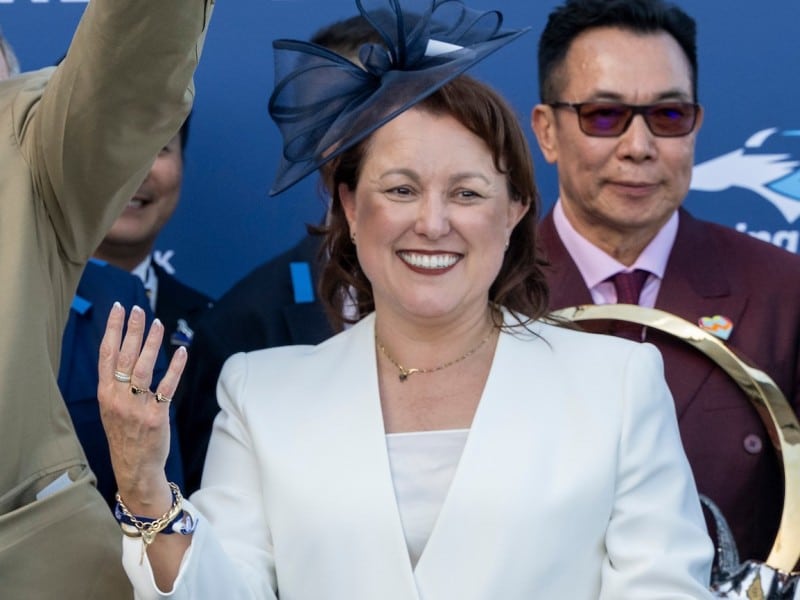
‘Record returns to the people who give this sport its heart and soul’ – Cooke spruiks NSW strength, condemns ‘agitators’
The ongoing rise in New South Wales prize money has been used by Racing NSW chairman Saranne Cooke to defend the strength of the local industry against what she described as “divisive and personality-driven politics”.
Awaiting the facts – Racing Australia publishes Fact Book after delay
Racing Australia’s Fact Book, usually published in December or January each year, has finally made an appearance on Tuesday with the industry none-the-wiser as to the reasons for its delay.
Dubai racing on hold as fallout of Iran conflict spreads
Racing in the United Arab Emirates has been temporarily suspended due to the impacts of the Middle East conflict sparked by military action by the United States and Israel against Iran.