
‘Stark absurdity’ – Esplin blasts NSW racing review’s funding blind spot
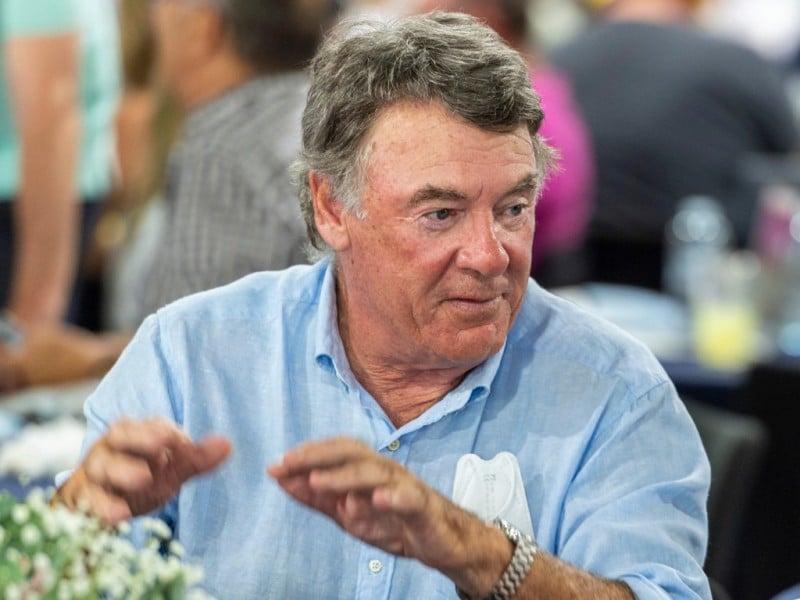
The long-awaited review into New South Wales’ Thoroughbred Racing Act risks becoming a “massive missed opportunity” unless it encompasses a review of the industry’s funding arrangements according to Thoroughbred Breeders NSW president Hamish Esplin.
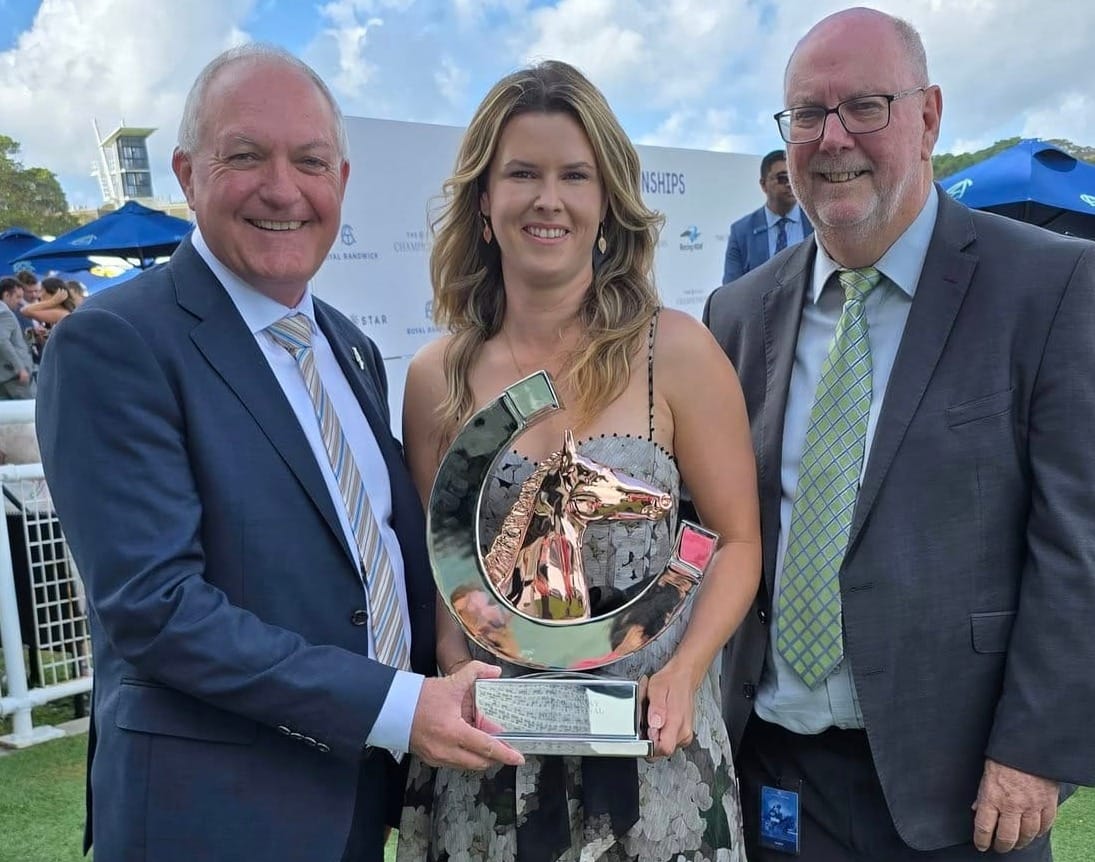
The review, to be headed by former NSW Heath Minister Brad Hazzard, was announced last week by Racing Minister David Harris, with public consultation to take place from October ahead of a review which will be submitted to the Minister in 2026.
While the terms of the review of the Act, which came into effect in 1996, are fairly broad, there were two aspects which were determined to be out of scope.
The first was the provisions of the Act that establish Racing NSW as a body corporate that is independent of government, while the second is about the provisions of the Act that relate to thoroughbred racing industry funding arrangements.
Esplin may have been an outspoken critic of Racing NSW when he appeared at the Rosehill parliamentary inquiry, he agreed the regulator had become too powerful, but it was the omission of the considerations around funding which believe could “handicap it from the start”.
“There’s one stark absurdity about the announcement last week,” Esplin told The Straight.
“The second one is the offensive one, and the absurd notion is the only reason we’re in this position that there is a government-ordered review of the Thoroughbred Racing Act is because of the inquiry that was conducted by the government into the sale of Rosehill. And the proposed sale of Rosehill ostensibly came about because of the funding model.”
Esplin said his concerns about the New South Wales industry funding model are shared by several other stakeholders, not just the breeding industry.
Under the current funding model, race clubs derive wagering funding via a declining parimutuel model, while Racing NSW has been able to build a war chest courtesy of race fields revenue derived from its High Court success in 2012.
“I can fully appreciate, in a cynical view of the world, why they’ve done it, because they’re terrified of a new paradigm or a new world which would give funding to the clubs or would fund the sport in a different way,” Esplin said.

The review process was commissioned by Harris in response to the concerns raised by the Rosehill parliamentary inquiry and Esplin said that inquiry is an excellent example of giving people an opportunity to raise concerns.
“We saw so many people come out and say the sport’s now broken,” Esplin said. “From Gai Waterhouse to the breeders, to other people who hold welfare concerns.
“So, to get to this point now where the last step of this whole inquiry is to do this review, which is going to take some months… to now find that they’ve now limited not what is required to be done, but that they don’t want to hear from people about the funding model, that’s the most disappointing thing.
“Why don’t we want to hear from the public? The whole point of this exercise was to find out if someone’s got a better idea.”
While the government is currently undertaking a separate review of the wagering agreements involving Tabcorp, Esplin feels the decision was made not to address the funding challenge because it is too difficult.
“It’s just an opportunity missed because if they’re not going to do it now when we’re looking at everything else, when are you going to look at it?” he said.
“And it doesn’t mean that Mr Hazzard is bound to recommend it and you go and upturn the whole process and get rid of the exclusivity with the TAB and everything, but why can’t we listen to these people?
“Once you get people in a room and you give them a forum to say something, look at where we are now. That happened in the inquiry and we’re all the better for it.”
 Bren O’Brien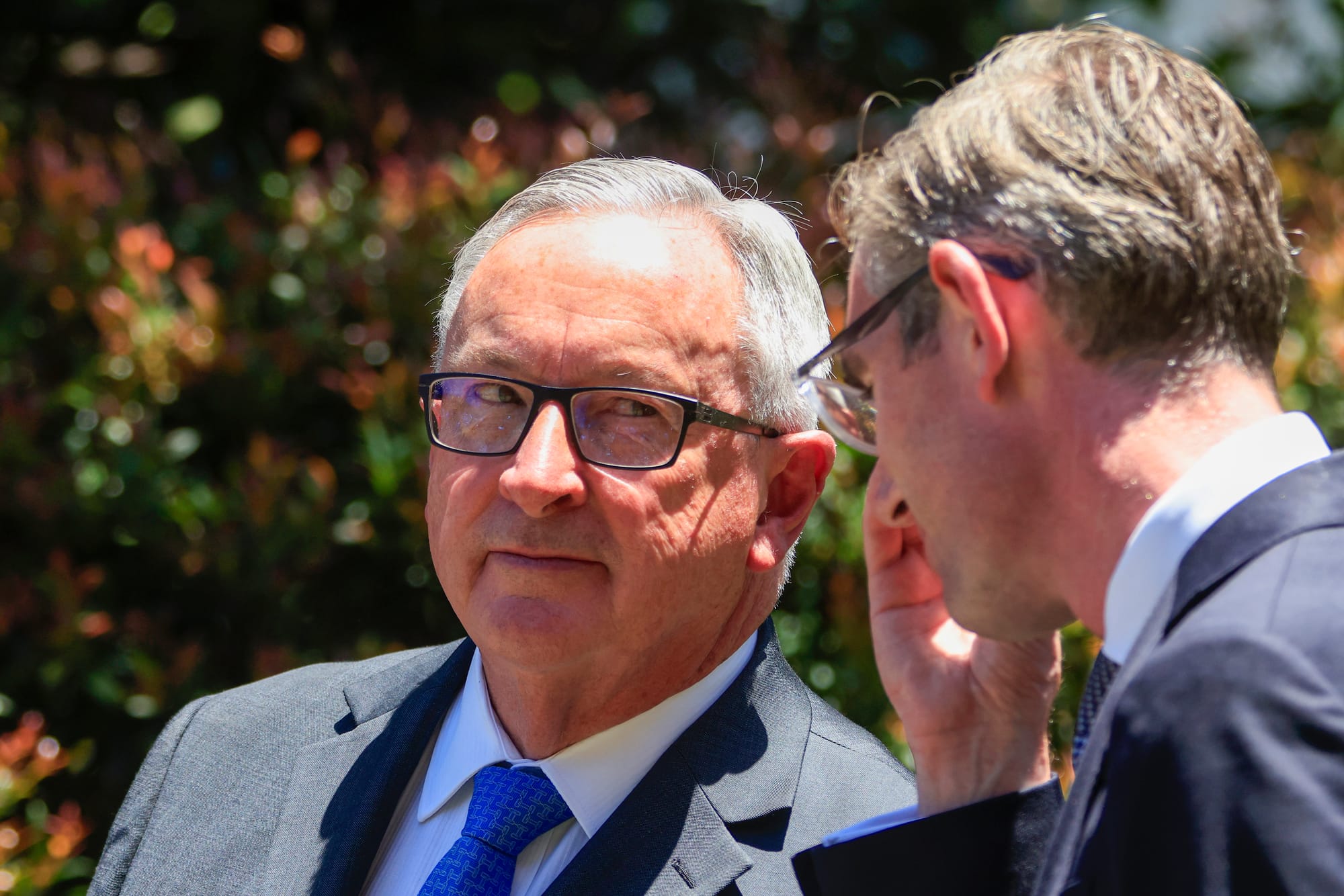
Esplin is not hopeful that the terms of the review will be amended but said the level of discontent over the issue is significant enough to create a lot of noise ahead of the consultation period beginning.
Esplin said Thoroughbred Breeders NSW’s submission to the review will be centred on how it feels participants and professionals within the industry are being marginalised under the current NSW structure.
“There’s a real disconnect between the way that racing in New South Wales is constituted because of the Act and the way the participants engage in it,” he said.
Author

Related Articles
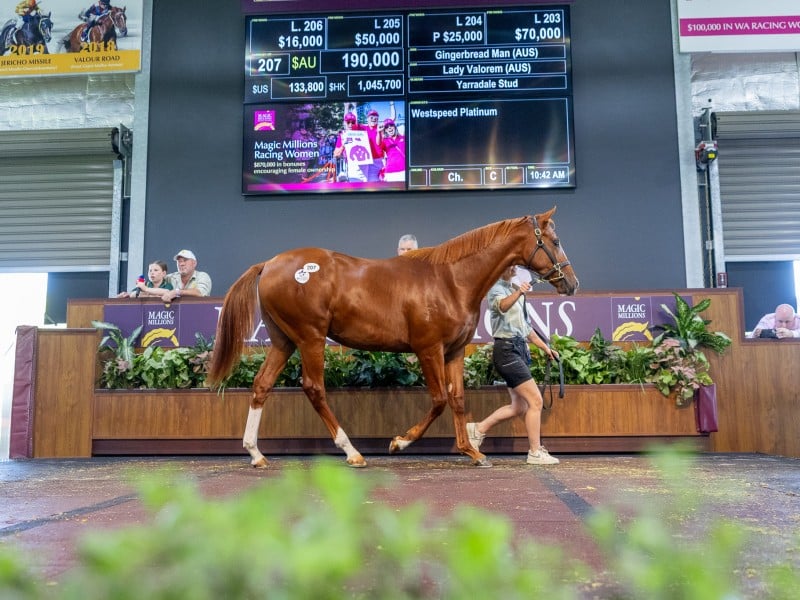
Record trade as Perth Yearling Sale concludes
Magic Millions Perth Yearling Sale surpassed $21 million for the first time with the Book 2 session topped by a colt by Gingerbread Man.
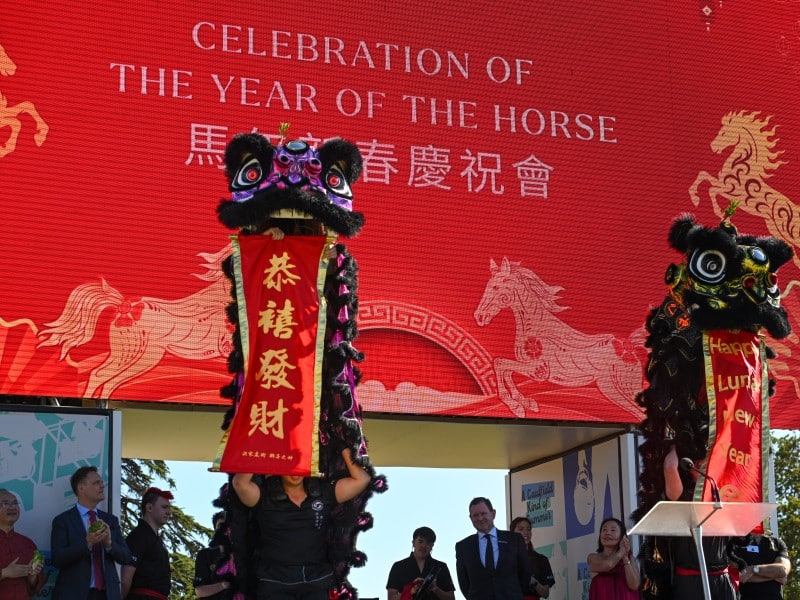
Australian Chinese Jockey Club rides the Fire Horse into the Lunar New Year
The rare Year of the Fire Horse has arrived, blending Chinese tradition and a continuing Australian Chinese Jockey Club ambition to connect heritage, culture, and racing opportunities for a new generation of owners.
Letter To The Editor – Arthur Mitchell – How did we get here?
Arthur Mitchell, principal of Yarraman Park Stud, has submitted a letter to the editor regarding his concerns about the current state of the racing industry in New South Wales.