
Stars and gripes – Canadian racing industry’s existential threat
In the same week Canadian champion Moira makes her Australian debut in the Doncaster Mile, the thoroughbred industry in her home country is facing an existential threat from the looming imposition of US tariffs.
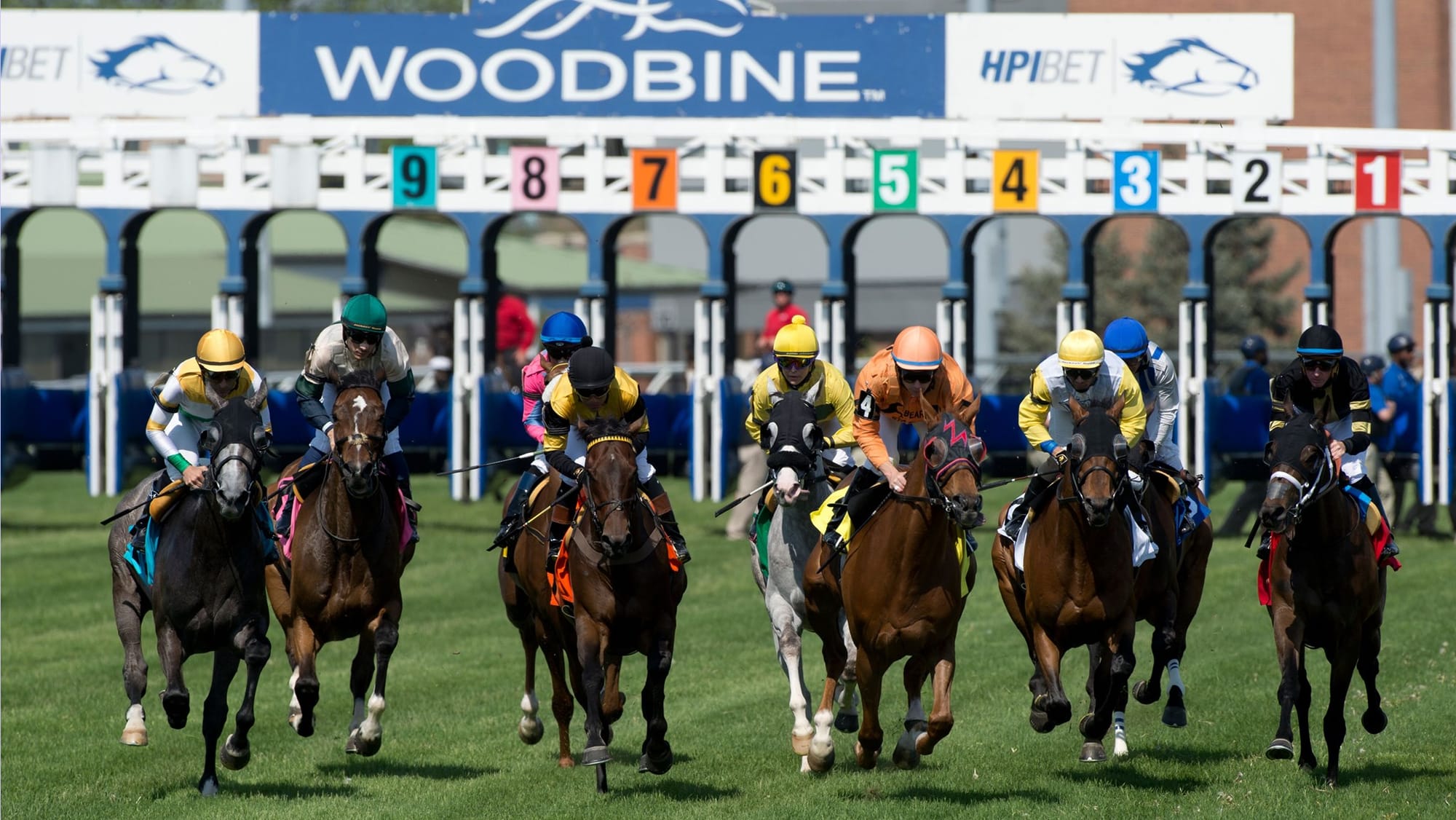
On April 2, the day after April Fools’ Day, the US government will reveal its “Liberation Day” tariffs. The world, including the racing world, but mostly Canada, is on edge.
Canada is bracing for a 25 per cent blanket tax on all Canadian goods entering the US and has threatened to respond with an estimated $30 billion reverse tax.
In horse racing, as with many other industries, there has always been enormous goodwill, symmetry and healthy competition between the US and Canada. The US has always packed more punch but Canadians have had both a vibrant local racing scene and a history of mixing it with the best across a border that has, since November, become a chasm.
Northern Dancer was a Canadian horse. Without him, many of those lavish Kentucky horse farms would never have had the seed to create generations of champion horses. His influence was felt around the world, especially here in Australia.
The legendary Secretariat’s swansong was in Canada, not the US.
However, no one in Canada, including participants in Canadian horse racing and breeding, is reminiscing about the good old days. They are scared and confused about the impact of the sudden escalation in tensions between the two countries.
They believe they will suffer, but so will US racing.
There is confusion but also examples of the harsh impact of what is ahead.
Had Canadian-bred and trained Moira – an exotic import runner for Yulong and Chris Waller in Saturday’s Doncaster Mile – raided the Breeders’ Cup this year and not last November, connections would have been hit with a US$1 million tariff according to her then-part owner and breeder David Anderson.
Moira, a former Canadian Horse Of The Year, won the Fillies and Mares Turf on Breeders’ Cup Day, joining the likes of Northern Dancer (1964 Kentucky Derby), La Prevoyante (US Racing Hall Of Fame), Dance Smartly (first Canadian Breeders’ Cup winner) as Canadian champions to thrill fans across the US.
Secretariat was all stars and stripes but his jockey, Ron Turcott, was Canadian.
Ray Paulick, one of the most respected US racing scribes and founder of the popular Paulick Report, says there is an overwhelming sentiment in US and Canadian racing circles as April 2 draws near.
Confusion.
“Several pieces have been submitted, trying to do analysis on what might happen, but things are changing day to day, hour to hour,” Paulick said.
Paulick referenced a headline in a US racing publication that described the tariff war as “Horse Racing’s Journey Into The Great Unknown”.
“Everyone is confused because it’s never happened before,” he said.
The Canadian Thoroughbred Horse Society (CTHS) this week provided an “advisory” statement to the Canadian racing community about the potential impact of the US-imposed tariffs.
But it admitted to being mostly in the dark.
“This could very well change at any moment given whatever the will of the president is,” emphasised National Thoroughbred Racing Association chief executive Tom Rooney in an article in the Thoroughbred Daily News.
“If it really is just to get people to the negotiation table to negotiate something, maybe we’ll never see this. But as of right now, April 2 is the drop-dead date for when a tariff could have an impact on buying and selling horses.”
The Canadian Ministry of Agriculture has said that tariffs would apply to pure-bred breeding and racehorses “each time they cross the border”.
It said broodmares would not be subjected to tariffs if born in the US but it would apply if they “originated” from another country. If the mare had a foal at foot, it would also be taxed.
Moira winning at the 2024 Breeders’ Cup meeting in the US. (Vision: YouTube)
The predictions are even more dramatic from those involved in racing in Ontario, with Arika Everarr-Meeuse of Shannondoe Farm this week claiming racing will end in that province should the tariffs proceed. The industry currently supports around 23,000 full-time jobs.
Canadian-based breeders who sold bloodstock in US sales would be impacted. Last year, 157 Canadian yearlings were sold for a total of US$7.6 million in US sales. Thirty-six per cent of the 2023 Canadian foal crop was sired by US-based stallions; a US$9 million sum in stud fees.
“It (tariffs) will affect all aspects but right now it’s going to be the breeders, which is the foundation. If there’s no horses being bred there won’t be any horses for the entry box. You’re shutting down the manufacturing plant so to speak,” Anderson told the Canadian press this week.
Paulick said several leading Canadian stables campaigned teams of horses in states such as Florida.
“They send horses to select races but I really think the bigger loser, in a racing sense, will be Canada because you probably won’t see the good US horses going to Canada for their big races (because of the reverse tariffs),” he said.
It was confirmed this week that Canada’s most famous race, the Canadian International, has been revived (it was not run in 2024), and carries a purse of CAN$750,000. It is part of a raceday of five Group 1 to be held at Woodbine, Toronto, on August 16.
The Canadian International, which has been won by horses, breeders, trainers and jockeys from all over the world, was the inspiration for the Breeders’ Cup.
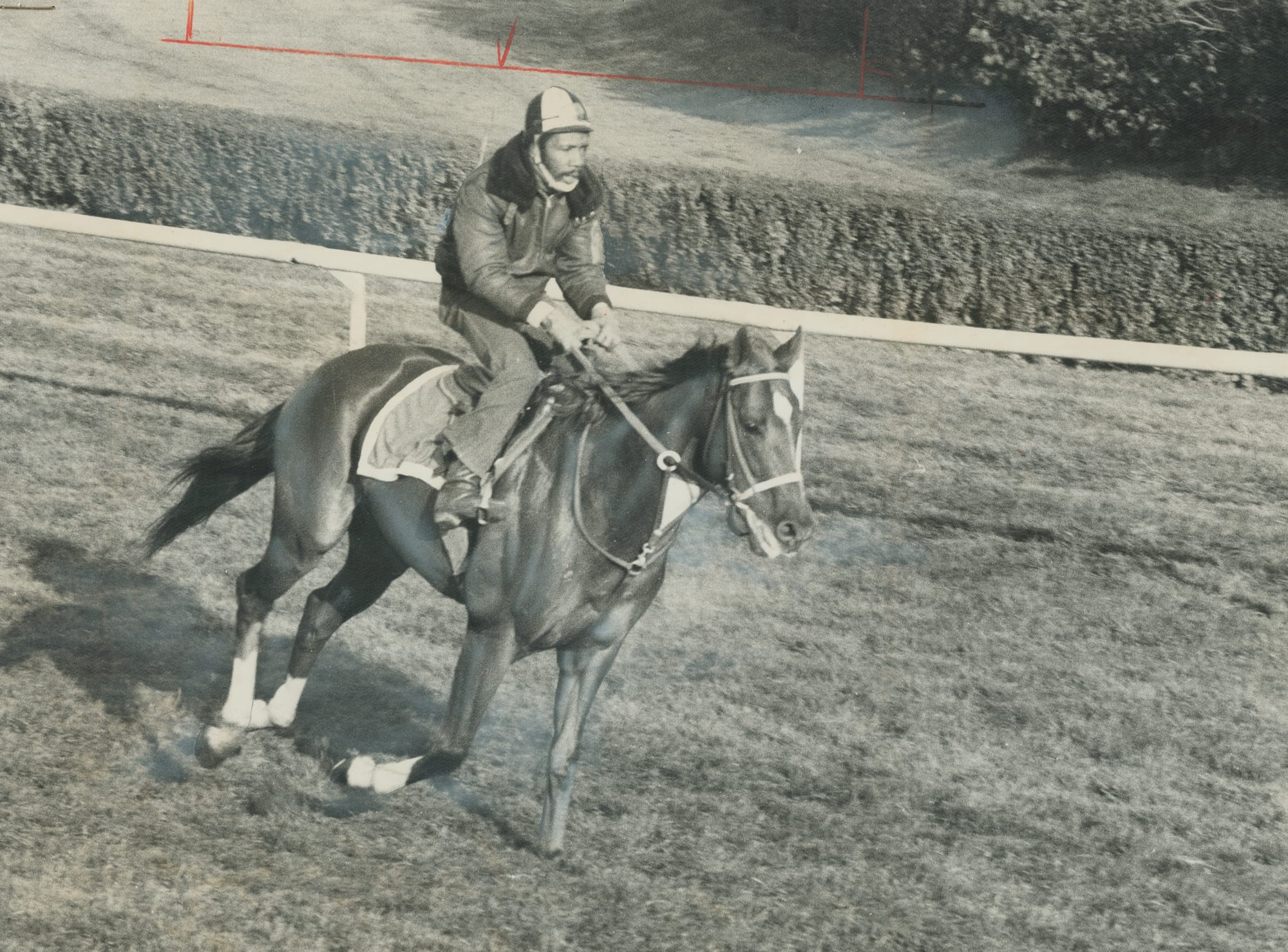
On a bitterly cold day in Toronto in 1973, Secretariat won the International. It was his first race on turf and his racetrack farewell.
Bunty Lawless, the Canadian “Horse of the Half Century”, won it in 1938 and 1941 and champion Dahlia was the first European-based horse to win it.
Paulick says “people may not realise how significant racing has been in Canada”.
“Like in the US, Canada has had a fairly significant foal drop in the last few years and, like America, there has been a general decline but Americans underestimate how big an industry it is,” he said.
Paulick said sports gambling and an over-reliance on casinos, which share precincts with US and Canadian racetracks, had “made racing smaller”.
The prize money of the Canadian International reflects this. It was CAN$2 million in 2005 but plummeted to under $1 million in more recent years.
Canadian racing’s Hall Of Fame, introduced in 1976, is littered with horses and humans who reached through Canada and into the US.
Paulick said figures such as legendary breeder EP Taylor (Northern Dancer and others), “Bud” Willmott (the famous Kinghaven Farm) and Ernie Samuel (two-time Breeders’ Cup winning owner) were as much part of US racing folklore as Canada’s.
“It (tariffs) will affect all aspects but right now it’s going to be the breeders, which is the foundation. If there’s no horses being bred there won’t be any horses for the entry box. You’re shutting down the manufacturing plant so to speak” – David Anderson, the breeder of Canadian champion Moira
As has been pointed out since US President Donald Trump first mooted tariffs, both sides are set to lose.
Fasig-Tipton, the leading US thoroughbred auction house, reported this week that “the proposed tariffs being discussed concerning Canadian Thoroughbreds is obviously a concern to the US marketplace.
“This will impact sales companies, stallion farms and many service providers that transact business on a meaningful level on a regular basis.”
A comment from a reader called ‘Lauren’ on an article about possible tariffs published in the Thoroughbred Daily News spoke to it best
“This will absolutely devastate the equine community throughout North America – not just in Canada. What an absolute tragedy. Hoping for a quick and reasonable, fair resolution for both countries.”
Related Articles
Rowe On Monday – Inglis finds right size for breeze-up sale, a Magic path emerges, Hutch to stay hands-on and Arrowfield’s treble to remember
In this week’s Rowe On Monday, Tim chats to Sebastian Hutch, Bruce Slade and Merrick Staunton about the dynamic of the Australian breeze-up market, hails the emergence of a key Gold Coast two-year-old race and reflects on an unforgettable Saturday for Arrowfield.
Gallery – Stars of Saturday – Everest and Caulfield Cup day
All the action from The Everest and Caulfield Cup day from the perspective of the photographers from The Image Is Everything.

Straight Talk – Breeze-up market surge feat. Sebastian Hutch, plus Everest, Caulfield Cup and track concerns
In this week’s Straight Talk, we discuss Inglis’ $30 million Ready2Race Sale, the key talking points ahead of Everest and Caulfield Cup week, and what PointsBet and Entain reveal about the pressures facing Australia’s wagering sector, plus a lot more.
