Straight Up – The importance of breeders’ bonuses

In this edition:
- Rowe On Monday – Walsh’s ‘wise decision’ to sell Amelia’s Jewel, Breeders call for VOBIS changes, Group 1 result for Admire Mars
- Run The Numbers – The Victorian question
- Could global trade storms benefit the Australian thoroughbred industry?
- ‘He’s a ripping colt’ – Yulong snaps up Laurie’s Group 1 winner Vinrock

One of the great strengths of the Australian racing industry has been the states’ respective breeder and owner bonus schemes and their contribution to the almost $1 billion in prize money won last season.
BOBS, QTIS, Westspeed, Racing Rewards, TasBreeders and VOBIS bonuses – the added financial incentives on top of the prize money – have been integral in encouraging support of the respective states’ breeding industries and encouraged reinvestment from owners.
And now Racing Victoria’s VOBIS initiative, with up to $30 million up for grabs annually, is being reviewed, and it’s one that’s been welcomed by Thoroughbred Breeders Victoria.
The structure of VOBIS, awareness, and the analysis of trends such as field sizes and wagering revenue will form part of the recommendations made to the RV board by the end of July.

But one of the major factors, be it a strength or weakness, is the depth of the stallion ranks and their influence on the appeal of a scheme such as VOBIS.
Queensland’s QTIS and Western Australia’s Westpeed regularly earn plaudits from owners and trainers for the additional prize money available, making some metropolitan races worth up to $80,000 on a Saturday in those states.
But you also have to have a horse good enough to win those races, which is why quality stallions such as Spirit Of Boom and Better Than Ready in Queensland and Playing God in Western Australia, are the best advertisement for those schemes.

In Victoria’s case, particularly as a greater proportion of its races are filled by the progeny of the nation’s premier stallions, VOBIS has arguably suffered due to a lack of depth in the state’s stallion ranks in recent years.
The return to the breeders, rather than just the owners, has also been questioned given the rising cost of breeding horses, but there is cause for optimism about the growing depth of the state’s sire ranks as investment by stallion operations begins to pay dividends in Victoria.

Three Victorian-based stallions – Written Tycoon (fifth), Toronado (ninth) and Street Boss (14th) – are in the top 20 on Australia’s general sires’ premiership this season.
First-season Victorian-based sires Lucky Vega, Dirty Work, Tagaloa and Earthlight have sired stakes winners this season and Alabama Express – the sire of star filly Treasurethe Moment – is fourth on the second-season sires’ title.
And the potential positive outlook for VOBIS is not just because of the unrelenting investment in stallion prospects by Nagambie-based Yulong. Unbeaten two-year-old Vinrock was Zhang Yuesheng’s latest acquisition, his third in the space of two months.
There’s also Rosemont Stud, which will stand William Reid Stakes winner Schwarz alongside first-season shuttler Henry Longfellow, Widden Victoria has retired dual Group 1 winner Southport Tycoon to its southern base and Swettenham has Toronado.
Blue Gum Farm, under the ownership of Trilogy Racing, is in its early days being reinvented as a stallion operation, Lovatsville is a start-up with strong backing and a Group 1-winning sire in Royal Meeting and Eddie Hirsch’s Woodside Park Stud will be bringing shuttler Benbatl back to Victoria later this year.
Then, of course, there’s Darley which has the likes of Ghaiyyath, whose first crop stock is receiving positive vibes from owners and trainers, and Street Boss on its Victorian roster to add depth and diversity to the ranks and
The VOBIS review and Peter Walsh’s decision to sell Group 1-winning mare Amelia’s Jewel feature in this week’s Rowe On Monday.

Rowe On Monday
Walsh’s ‘wise decision’ to sell Amelia’s Jewel, Breeders call for VOBIS changes, Group 1 result for Admire Mars
Speaking of stallions and service fees, Arrowfield Stud has released a seven-horse roster for 2025 with four-time champion sire Snitzel remaining at an unchanged fee of $247,500 (all fees inc GST). Dundeel ($88,000), the returning The Autumn Sun ($66,000), who sat out last year due to injury, and Maurice ($55,000) all remain unchanged as will Hitotsu ($22,000).
Castelvecchio, the sire of Australian Derby-winning filly Aeliana and Spring Champion scorer El Castello among five first crop black type winners, will stand for an increased $49,500 but Admire Mars, the sire of Sunday’s Japanese Thousand Guineas winner Embroidery, won’t be returning. He has been replaced by European shuttler Vandeek, a star son of by Havana Grey.
Back on Victoria, Bren O’Brien’s Run The Numbers column reveals that buyers from that state have spent 17 per cent less, or $30 million, on yearlings in 2025 than they did to this point last year, while their New South Wales peers’ level of investment has also declined.
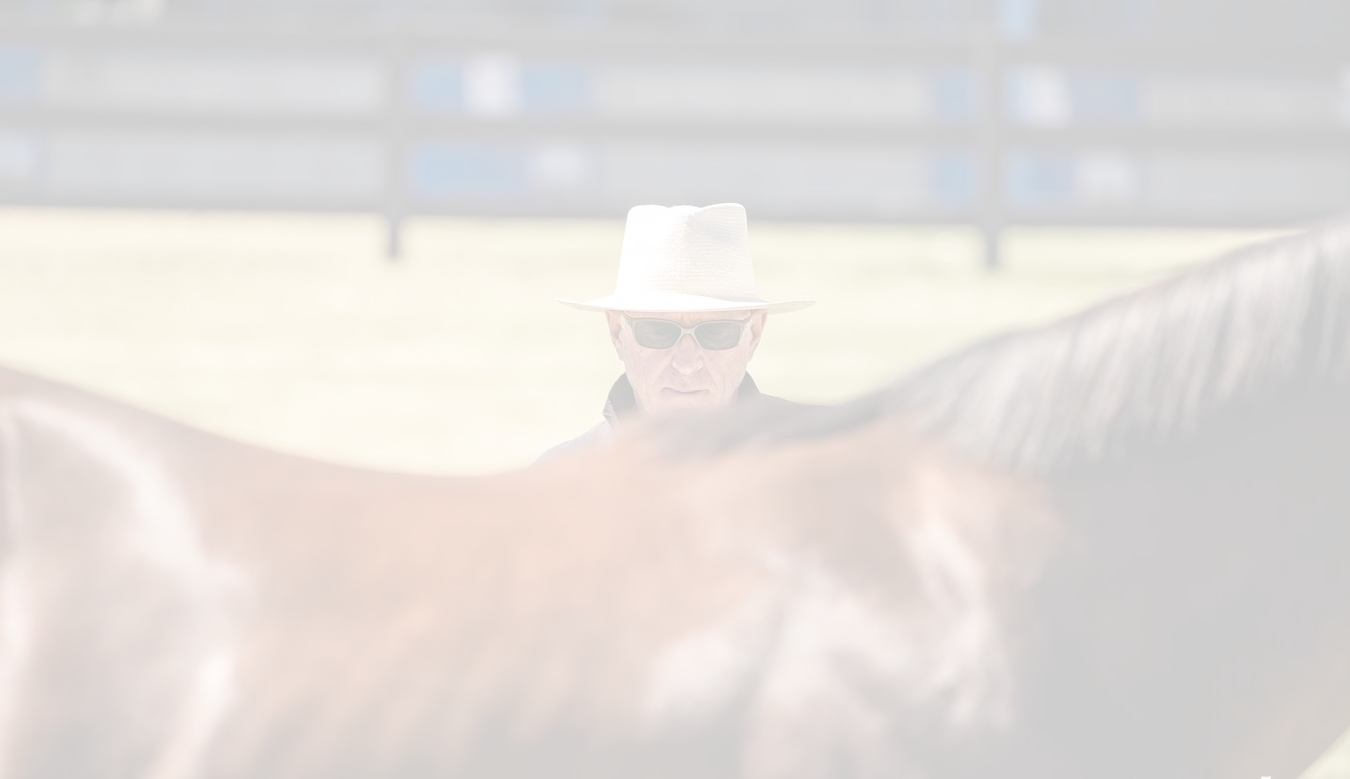
One factor which offset the decline in spending on yearlings by the domestic market which helped the Inglis Easter sale achieve a record average of $451,913 was the level of involvement of the international players who contributed almost $40 million to the aggregate of $150 million spent over the two days.
One of those buyers was British-born bloodstock agent Jamie McCalmont who in an exclusive interview with The Straight spoke about the importance of a global thoroughbred industry and the impact potential tariffs imposed by the US may have on the international trading of bloodstock.

Jamie McCalmont interview
Could global trade storms benefit the Australian thoroughbred industry?
In case you missed it:
- Racing Victoria, MRC abandon Thousand Guineas November date in spring overhaul
- Straight Shorts – Monday April 14 – Dabble punts on UK market, National Sale schedule for Millions, spring racing economic report, Uruguay upgrade
Thanks for your continued support of The Straight.
Regards
Tim Rowe
Senior Journalist
The Straight
Author