
The advertising carve out – What does it mean for racing, wagering and media?
Having spent three years fretting about where the federal government may land on wagering restrictions, thoroughbred, harness and greyhound racing have received a host of specific carve outs which explicitly exclude them from the definition of a ‘sporting event’, but there are still a couple of unanswered questions.
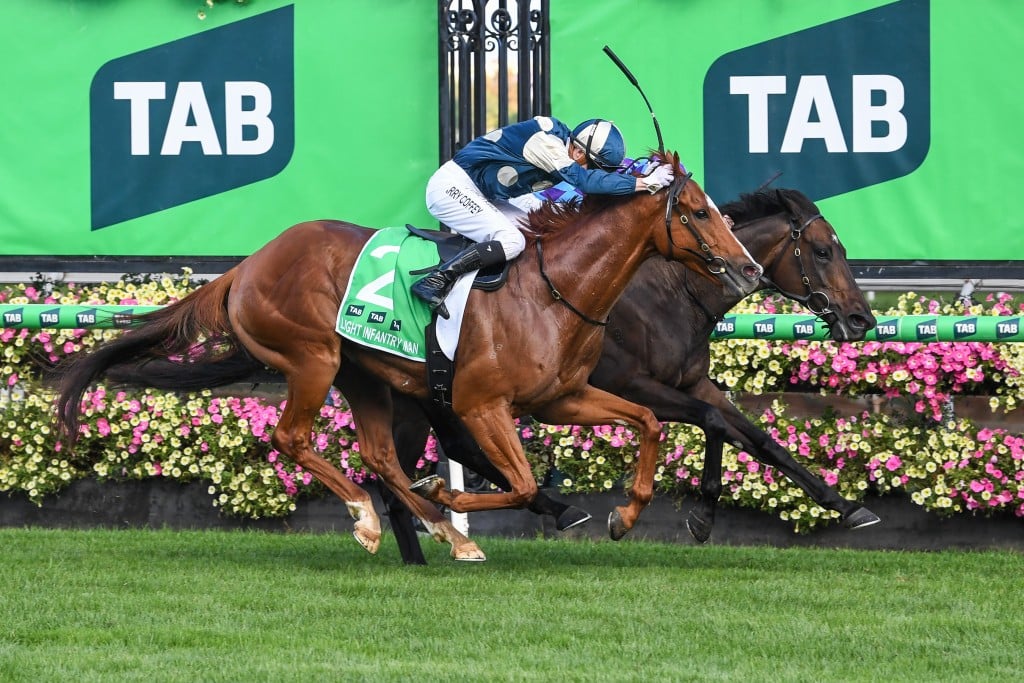
Key exemptions for racing in the federal government’s proposed sweeping changes to gambling advertising are set to allow wagering-related sponsorship of racetracks, races and media.
The draft Interactive Gambling Amendment (Gambling Reform) Bill 2026 was published recently, with clear guidelines set out into how new laws will likely apply to racing and media, with exemptions to be put in place.
Significantly, schedule 1 of the proposed Bill, which is set to go before parliament in the next few months, provides a revised definition of a sporting event for the purposes of wagering advertising regulation.
The new definition aligns the meaning with that of the Broadcasting Services Act and determines that “horse, harness and greyhound racing are explicitly excluded from the definition of ‘sporting event’”.
“This has flow-on effects across the Bill, such that the wagering advertising prohibitions do not apply to racing,” it says.
Specifically, that means that racing events will not be subject to restrictions during live coverage, which will see a ban on wagering advertising content during the broadcast of other sporting events.
The removal of racing from the sporting event definition also means that the bans on in-venue and on-uniform wagering advertising will not apply.
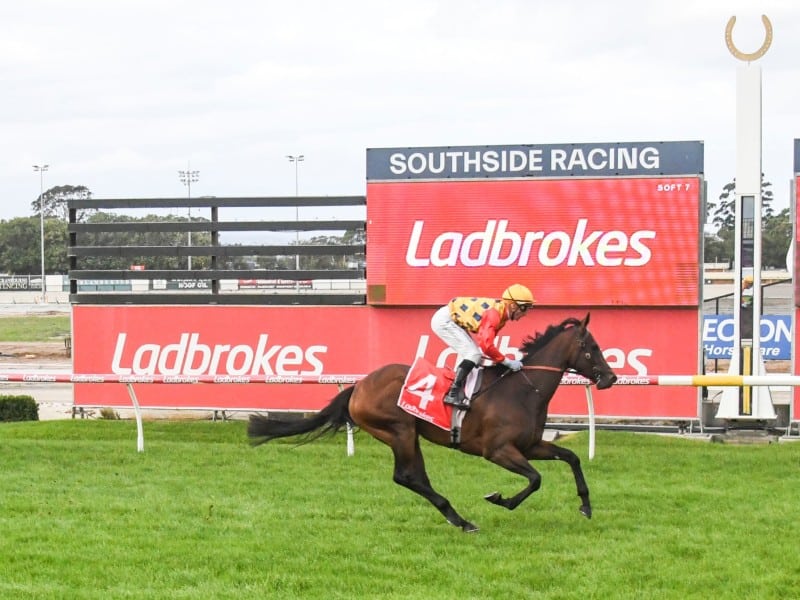
It means that major race club sponsorship deals such as Tabcorp with the ATC and VRC, Sportsbet with Caulfield and in South Australia, and Ladbrokes with the Brisbane Racing Club and Moonee Valley are free to continue, as is specific sponsorship of races.
It is not completely clear whether participants, such as jockeys and trainers, are free to feature in wagering sponsorship, or whether ex-jockeys and trainers are allowed to promote wagering companies.
Under the proposed Bill, wagering companies will no longer be permitted to use current or former sports players or athletes, celebrities, or social media influencers to promote their services. There is no specific mention in this section of racing’s exemption.
It is believed major wagering companies have sought clarity on this aspect, given the penalties for breaching this can vary from $330,000 to $1.65 million.
There is a carve out when it comes to the promotion of odds through media, which will be prohibited under the new laws, but not in a racing context.
“An exception applies to dedicated wagering channels and programs. It also does not apply to horse, harness or greyhound racing, as the definition of ‘odds’ excludes these types of events,” the Bill says.
While representatives of wagering companies will not be permitted to appear as a commentator at or around sporting event venues, the “sporting event” exemption will allow this to happen in a racing context.
In terms of further impacts on media, the Bill adds a definition of “dedicated racing or wagering channels, programs, online content services and venues”.
“In line with the policy intent, individuals engaging with racing and dedicated wagering can reasonably be expected to be seeking out wagering advertising content, and advertising restrictions should not apply,” it says.
“The provision ties the definition to the concept of being ‘wholly or principally’ related to racing or wagering (i.e. only minor or incidental content other than wagering or racing would be permitted).”
The Bill also deals specifically with the requirement of online platforms to implement “age assurance technologies” such as those used for the social media ban for those under 16. But it also specifically grants an exemption for racing content.
“Online content services that are dedicated to racing or wagering are exempt from this ban without needing to satisfy the reasonable steps prescribed above,” it says.
“This includes a website of a licensed interactive wagering service provider or a website that wholly or principally provides racing content.”
Separately, the Bill outlines an exemption from the frequency caps for dedicated racing and wagering channels.
“Dedicated racing and wagering programs will also be exempt during the period that it is broadcast. This includes during horse racing events broadcast on main channels (e.g. the Melbourne Cup),” it says.
This will be good news for broadcasters such as Nine, which holds the Melbourne Cup Carnival rights, and Seven, which broadcasts racing across Australia for much of the remainder of the year.
What is not clear is if wagering companies could use racing-related programming to promote sporting odds. Technically, it is believed they would be able to do this, but whether there is an appetite to test the government’s resolve on the sporting odds promotion is questionable.
Schedule 1, which outlines the approach to wagering advertising, is just one of four aspects which are outlined in the bill, which represents the greatest change to federal gambling legislation in Australia since the Interactive Gambling Act was first passed into law in 2001.
The other aspects include the framework around illegal gambling services, the way in which BetStop functions and the prohibition of online keno and foreign matched lotteries and clarifies the definition of trade promotion gambling services.
Author

Related Articles

🔒 🔒 NSW regulators investigating Apollo Tech collapse
Wagering tech company Apollo Tech has entered liquidation, prompting a NSW regulatory investigation into its collapse and possible impact on online bookmakers, as investors question where their money went.
Ex-Brisbane Lions teammates warned over illegal gambling promotions
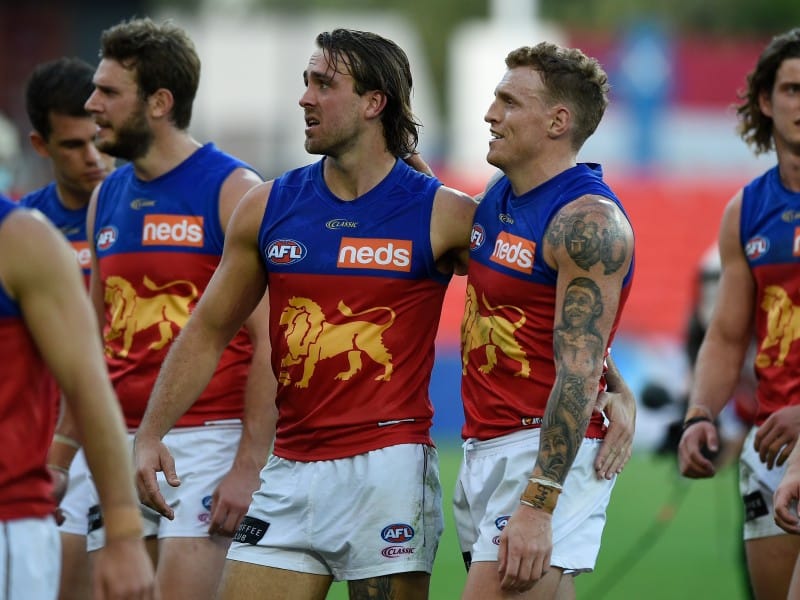
Ex-AFL players Mitch Robinson and Rhys Mathieson promoted offshore operator Vegastars on Instagram and YouTube, prompting official warnings from regulator ACMA as focus turns to the regulated market ahead of pending crackdowns on influencers in Australia.
Flutter to cut up to 1400 UK and Ireland jobs as gaming tax rises bite
Sportsbet’s parent company will shed up to 1400 roles to offset steeper UK duties, with the cuts part of a group-wide cost overhaul.
