
“The fabric in Australia is pulling apart” – Lessons to be learned from racing’s global collapses
With racing jurisdictions shutting up shop around the world, including in Macau this weekend, globetrotting administrator and racing steward Fin Powrie tells Matt Stewart that there are cautionary tales for Australia’s racing future.
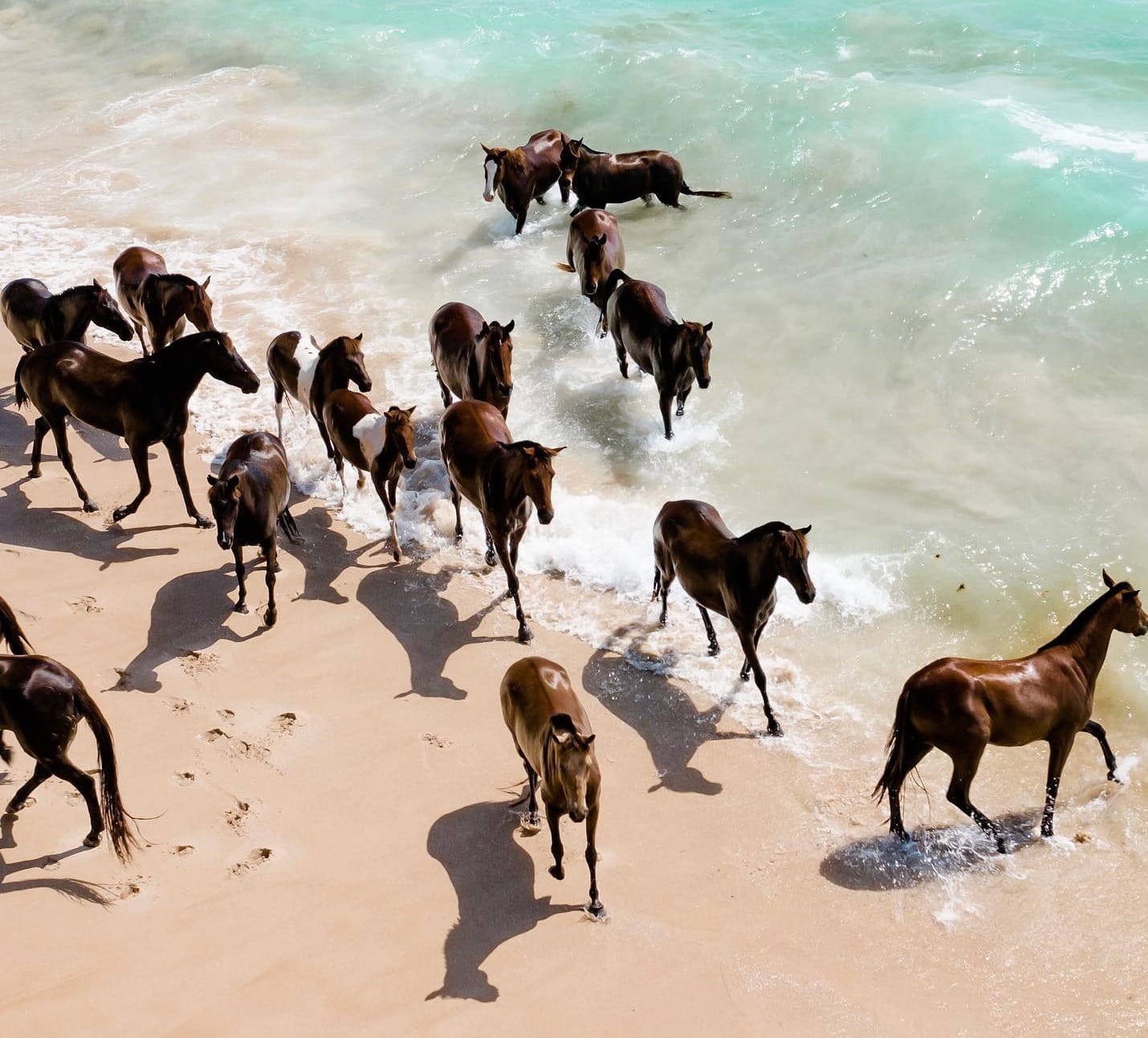
Something unexpected splashed through my Twitter (X) feed this week. A dozen or so retired racehorses, frolicking on a beach on an Indonesian island called Nihi Sumba.
According to “Nature Is Amazing” the island “functions as a haven for retired racehorses to live out the rest of their lives running free along the beaches”.
It seemed like a children’s fairytale and proved only partly true. The island has its own human/horse therapy industry and, yes, retired thoroughbreds play along the shore.
(If all horse rehoming was like this, racing’s social licence would be at zero risk).
Surrounding these idyllic images is a region terminally out of harmony with horse racing.
Singapore (2961km north-east of Nihi Sumba) has fallen, again. Before Singapore, Macau.
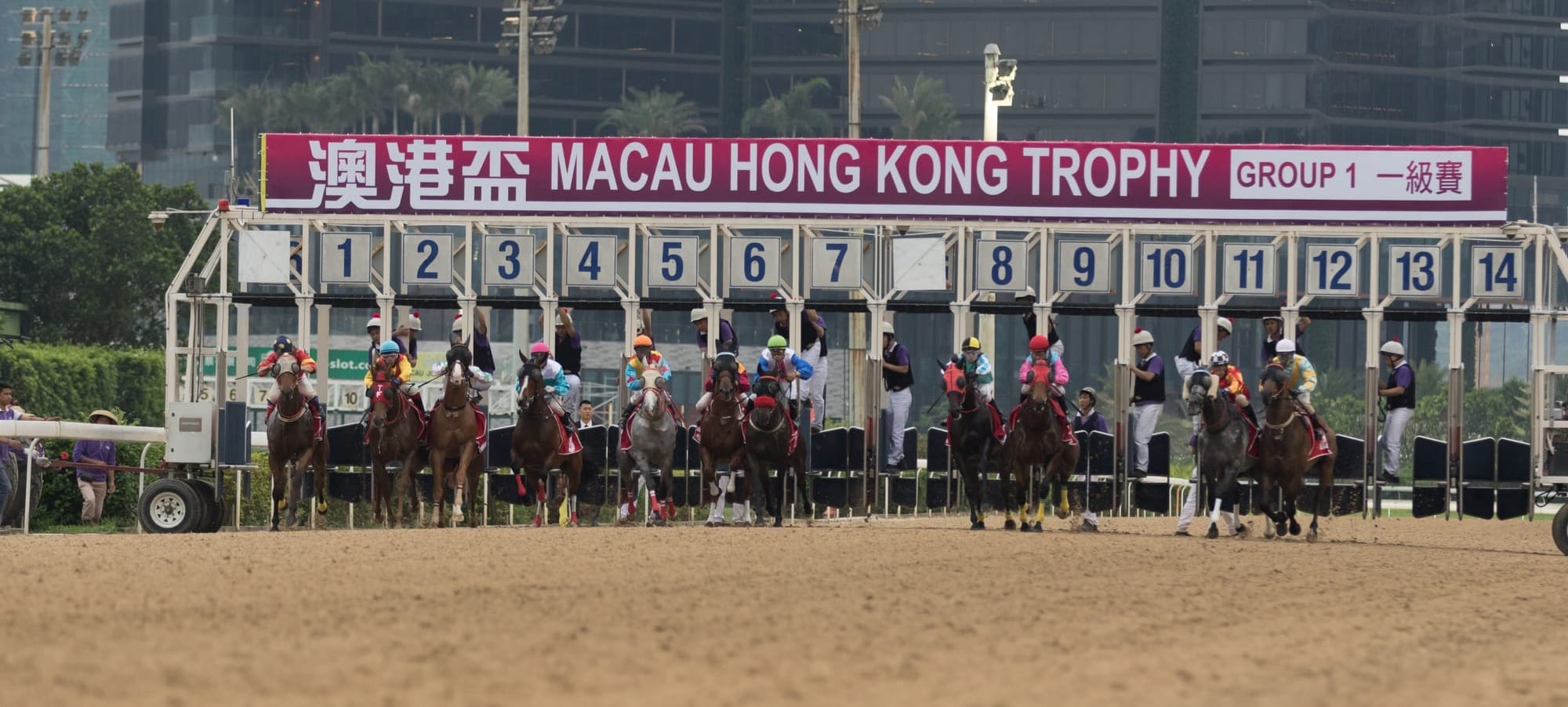
Kranji, which was only opened 24 years ago, closes its gates forever from October 5. Racing ceases in Macau this weekend.
Mauritius, on the other side of the Indian Ocean, began racing in 1812. Champ De Mars is the second oldest racecourse in the world. But it all ends this year. The government and the tenant have fallen out. There has been sabotage and a strong whiff of corruption.
Across the Pacific, Californian horse racing is in jeopardy.
California? Seriously? Hollywood Park closed some time ago, as did Bay Meadows. Golden Gate Fields will soon close and now Santa Anita might go. Bob Baffert, mired in a series of controversies over positive tests, is the most famous resident of Santa Anita, where 232 horses have perished in racing and training in the past five years. According to the LA Times, racing in California is “tenuous”.
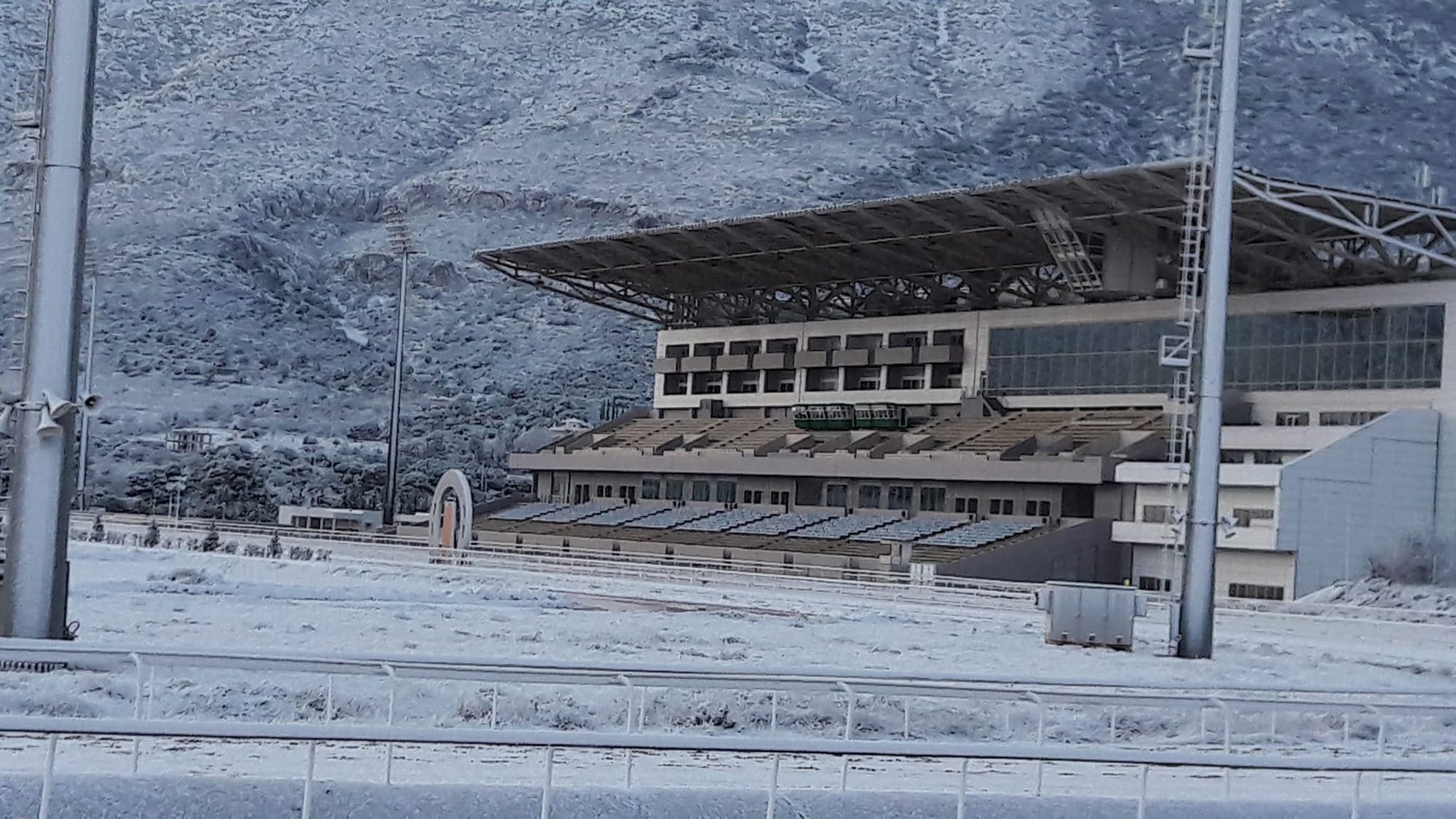
They’ve been racing horses in Greece since the chariots. Gone, too, as of January this year.
If there is a thread to these events, then you can establish a possible threat to our 234-year-old racing industry.
There are also lessons in jurisdictions that prosper, like efficiently run Japan and Hong Kong, amid the collapse of others.
New Zealand had been on its knees. “You didn’t want to get out of bed here for 20 years,” leading trainer Roger James said last spring. Then betting giant Entain swept in with a $1 billion deal and New Zealand is no longer just a breeding nursery.
Fin Powrie can provide greater insight than most into the shifting sands of world horse racing.
Is Australia safe? Yes, if collaborative and vigilant, says Powrie whose life as a global steward and Mr Fixit now has him in emerging South Korea which, he says “is heading the same way as Japan”.
Of course, Australian racing does not have the corrupt or inept backstories of some of the fallen or falling racing jurisdictions. But there is fracturing, Powrie suggests.
Scottish-born Powrie was raised in rural Western Australia into a dusty world of rodeos and cattle stations where he now cringes at the harsh relationship that existed between man and beast; a hint at what he sees as the greatest challenge for global horse racing; animal welfare.
He spent 12 years as chief steward for the WATC, then five years in Dubai as director of racing/chief steward, five months in administration in New Zealand, then two years in Bangalore where at one point, jockeys, trainers and owners were threatened with imprisonment if horses were over-whipped.
Then followed stints in Bahrain, to put the Kingdom on the international map, and then Greece, where he at least put racing on life support, then Malaysia, and now the rising giant South Korea. They attract 20,000 fans to Let’s Run Park in Seoul when it’s -7C and the snow is seven feet deep. Something is working. The upcoming Cherry Blossom Racing festival attracts phenomenal crowds. Entry is free.
The collapses are complicated. But there are threads.
In Greece, wagering had plummeted, and costs had skyrocketed since Powrie and Co drew up a salvage plan in 2015. It was cheaper to sell Keno and lottery tickets. The nicely positioned track along the Athens coast was shut down to be used for the 2004 Olympics and replaced by a track at “an olive grove town” 38km from town.
That move, Powrie says, contributed to the death of Greek racing. It resonates amid talk of selling off Rosehill and Sandown.
Much has been speculated about Singapore but Powrie says the bottom line was the cost of racing. This has been a major excuse of the Melbourne Racing Club in its plot to sell Sandown.
“The government knew it was better business to gamble on sport and racing without the burden of a local racing industry,” Powrie said.
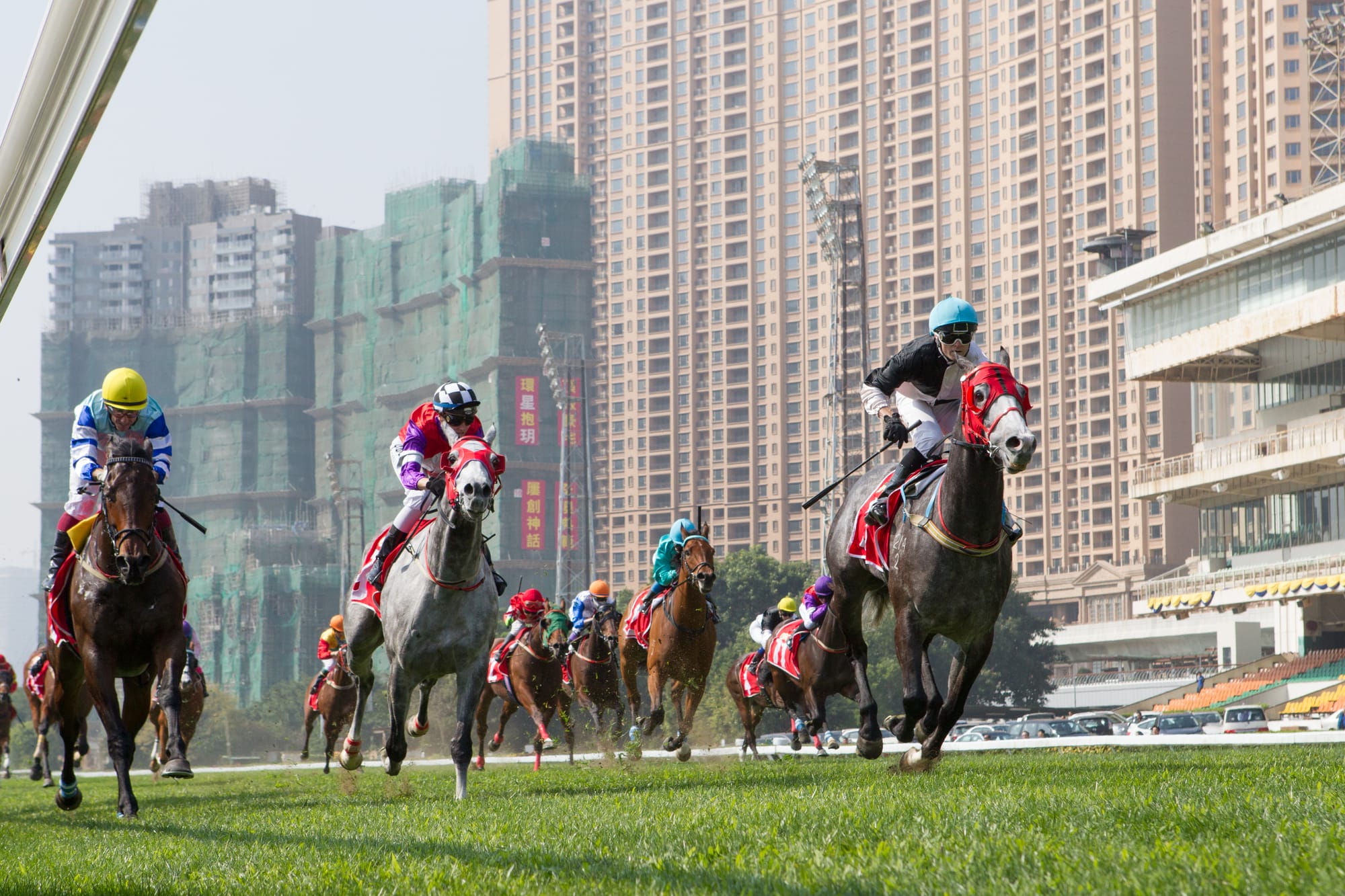
Macau had always been an odd setup. Unlike the German precision of Winfried Engelbrecht-Bresges’ Hong Kong, with its hiring policy of excellence and good government and public relations, Macau had been negligently run by the family of the late gambling tycoon Stanley Ho, who owned the track.
Powrie said it was his understanding that the club “failed to satisfy the requirements of the Macau government” so the government cut the importation of horses and basically starved it to death.
Powrie says the greatest threat to Californian racing was not just horse welfare but lack of cohesion. Each state runs its own race and is at the whim of lobby groups. Some tracks are owned by billionaires.
Santa Anita is being used as a bargaining chip against plans to grant a licence to a new racetrack in the north of the state. Santa Anita is owned by the Stronach Group. They’ve threatened to sell if Pleasanton goes ahead.
“My fear for Australia is what’s happening in America. There is no cohesion or collaboration. Look at what’s going on with NSW and Victoria. The fabric in Australia is pulling apart,” Powrie said.

Promotion is key, Powrie says, recalling a South African racing trip where he was confused by the marketing branding of a racing carnival.
“KYC. What’s KYC?” I kept wondering. Then it was explained. Know Your Customer. It’s simple but it’s true,” he said.
He says there is nuance in promoting to the spectrum of enthusiasts, from the punter to the social butterfly, to the horse lover.
All around the world race clubs are trying hard to find this balance against increasing social licence threats.
“My fear for Australia is what’s happening in America. There is no cohesion or collaboration.” – Fin Powrie
And horse deaths present almost unwinnable PR.
“Social media is now so important,” Powrie said.
“Social licence is everything. Very good things are being done in welfare but there is more to do. To continue as a sport and a betting entity, welfare must be absolute priority day in, day out.
“Racing was lauding the Cheltenham jumps festival but on the first day two horses died.”
In Australia, heavily spruiked welfare solutions have been questioned by the outside world. Do they deliver?
Horses can be taught to race truly without the whip, albeit the whip is an important tool of control, Powrie says. Racing cannot merely be tolerated to prosper, he says. Tolerance easily becomes ambivalence and irrelevance.
“If any club or authority doesn’t interact with government (and therefore community) then they need to have a good hard look at themselves,” he said.
“Ultimately, it’s a sport we play. If it stopped it wouldn’t offend too many people.
“The world is becoming more and more interactive and racing has to interact with it.”
Three thousand kilometres south of Singapore, ex-racehorses run free on an island called Nihi Sumba.
As lovely as it is, Nihi Sumba is not a symbol for horse racing, but a fairytale.
 Bren O’Brien
Related Articles

🔒 🔒 Hinton heads to Hunter – Racing NSW chief executive and prominent breeders to break bread at Newgate
Racing NSW acting chief executive Graeme Hinton will visit the Hunter Valley next month as major thoroughbred farms attempt to mend relationships between the regulator and the breeding sector.
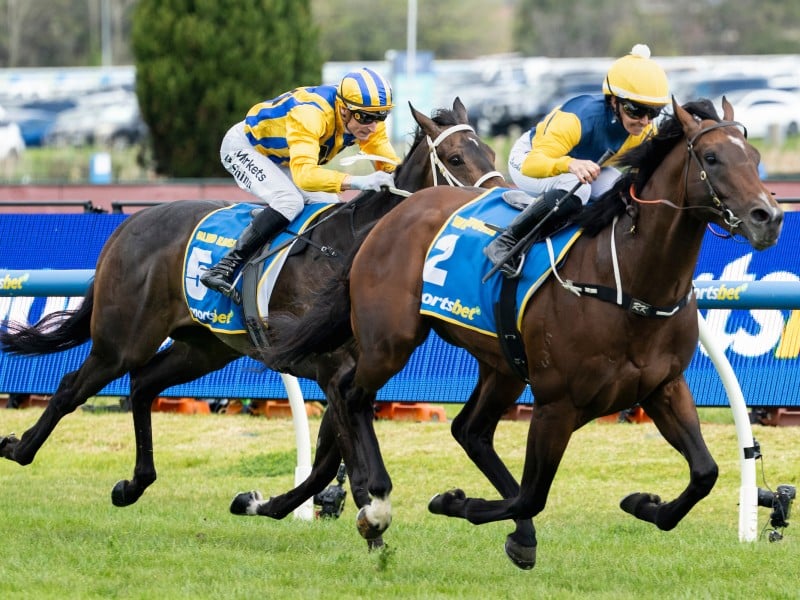
🔒 🔒 The Classic factor: Guineas quinella out to end three-year-old Cox Plate drought
Three-year-olds have always added an extra dimension to the Cox Plate. Warwoven and Blind Raise give the Caulfield Guineas quinella a Cox Plate start for the first time since 2021. But what does the current drought in three-year-old success, the longest in the race’s history, tell us about the changing shape of the race?

Straight Talk – New Zealand’s G1 fight, spring racing’s major storylines and a feature interview with Paul Moroney
This week on Straight Talk, we unpack New Zealand’s fight to save its Group 1 races, feature a special interview with agent Paul Moroney, and examine the key talking points across racing and wagering, including the Cox Plate, The Everest, the Caulfield Cup and renewed calls for national reform.
