
Racing’s feed chain: The nutrition science powering our equine stars
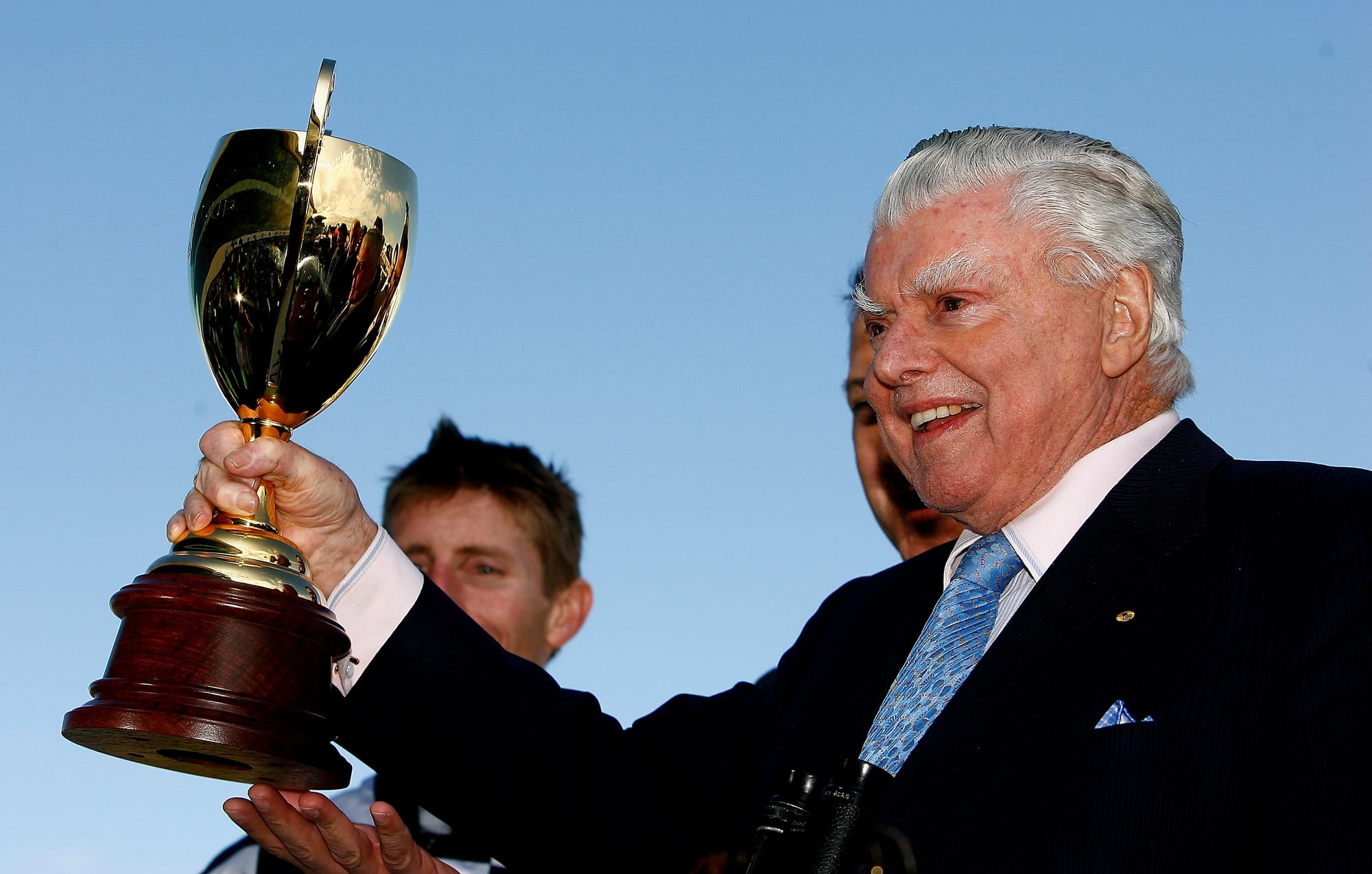
There was a clear strategic reason why Bart Cummings was a part-owner in the animal nutrition company Ranvet, which was founded in 1964 by his friend and esteemed veterinarian Percy Sykes.
Cummings knew nutrition was a critical part of successfully training racehorses and, a bit like ‘no foot, no horse’, without good and effective feed, his equine stars would not have enjoyed the success they did.
Some trainers will say that feeding is the most important part of the training process. While injury, luck in running and other variables can’t be controlled during the training life of a racehorse, feed is one element of the lifecycle that can be strictly controlled.
By nature, horses are designed to be grazing for up to 17 hours a day, but that’s assuming they have constant access to turnout/pasture. In Australia’s urban training stables, that’s not possible, and the problems associated with horses standing still for unnatural periods was something that Sykes identified in the 1960s.
At the time that he founded Ranvet, he was observing the high carbohydrate diets being fed to Sydney racehorses, which he didn’t think was agreeable with young, high-performance athletes in stressful city environments. Through laboratory testing, and ultimately Ranvet, he set about changing that.
Science has come a long way since 1964. Today, there is a widespread understanding of the importance of good feeding and, much like human athletes devote time and finances to getting the best performance-based nutrition, racehorse trainers are doing similar.
Electrolytes, vitamin and mineral supplementation, and the importance of proteins are all aspects of equine nutrition that are standard practice today in racing stables.
While most Australian trainers don’t profess to be scientists, more and more they have educated themselves about good and correct racehorse nutrition so that the long hours spent standing still in urban boxes aren’t nearly as serious a problem as it was in 1964.
So what does a typical city stable feed its racehorses?
The average thoroughbred in training will eat a combination of roughage, being hay, and hard feed, being pellets or grain. The diet must meet all the essential requirements of energy and essential nutrients, and often that will mean additional additives like supplements, salt and so on.
There are various kinds of preferred hay. Lucerne is universally popular, along with oaten hay and meadow hay, and many yards will feed a combination of these throughout the day. For example, one routine sees a racehorse get lucerne first thing in the morning, and then oaten throughout the day.
In replacement of a horse’s natural grazing habits, ad-lib access to hay is seen as important to some trainers, who will toss biscuits over the stable door all day. The wisdom behind this is that a horse’s gut, which is long and complicated, is designed to be moving most of the time, so in the life of a confined racehorse, hay is replacing grazing.
The price of hay is something that is, in general, watched closely because the hay order is often the bulk of the feed bill throughout the year.
Right now, first-grade lucerne is priced anywhere from $11 a bale to $30. In the Illawarra region south of Sydney, which would encompass the yards around Kembla Grange, prime lucerne is selling for $27.50 a bale, albeit bulk orders would pay less.
Hay is sourced from growers all over Australia, lucerne from as far as South Australia would not be unusual in Sydney.
Like anything, however, hay prices ebb and flow. Droughts, floods and fires have all affected the price in recent years, as they have affected the quality. Hay is the most important source of fibre in a performance horse’s diet, so good-quality hay, free of mould, is a priority.
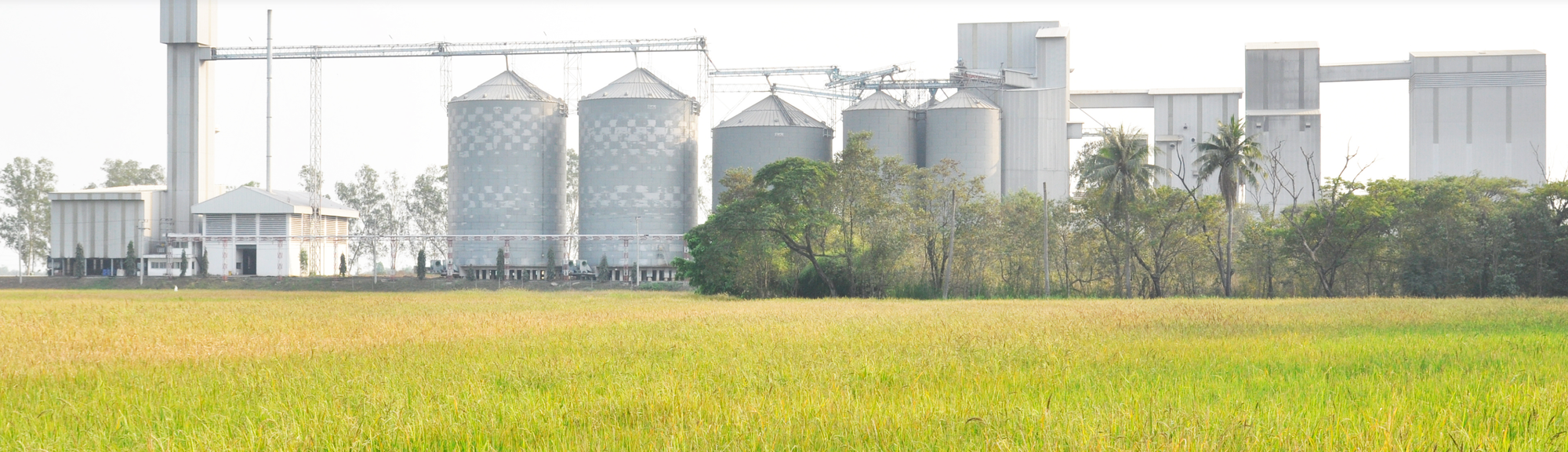
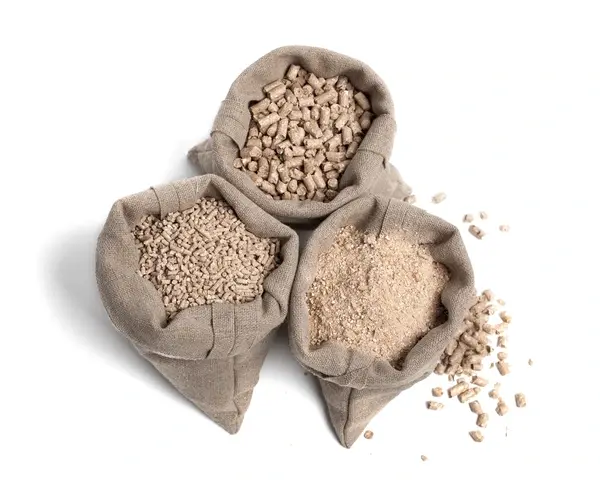
When it comes to hard feeds, these can come in the form of pellets, which are often a complete feed option, or grain. Traditionally, oats were considered the go-to, high-energy feed for racehorses in work, and these can be mixed with a ‘filler’ like chaff to bulk out the ration, along with molasses, supplements and many other additions.
However, modern practices are increasingly in favour of complete options, like pellets (pony nuts), which can offer all the nutrition a horse requires in rations served several times a day.
In Sydney, the average feed cost for an individual racehorse is around $15 a day. Added to this are bedding costs, which average $11 a day and include the purchase of shavings (sawdust) and their removal (waste charges).
These are expenses that aren’t usually itemised on bills sent to owners because feeding particulars are not often of interest to those paying the bills. As long as their horses are performing well in races, there are few questions asked.
Likewise, trainers rarely discuss feeding regimes with each other.
One man who is uniquely qualified in this field is former trainer David Seldon, who gave up his trainer’s ticket some years ago and is now the Australasian representative for the American-based company Performance Horse Nutrition (PHN).
PHN is an equine feeding specialist, providing a curated, all-in feeding solution for high-performance equine athletes, including racehorses. It was founded in 2002 by Dr Stephen Duren.
The company has many clients across Australasia, ranging from trainers like Bjorn Baker and Jack Bruce to farms like Newgate, Waikato Stud, Kia Ora, Ridgmont, Eureka Stud, Peachester Lodge and The Chase.
For these operations, Seldon devises a feed plan based on science and individual environment. Every plan is different and considers the stabling arrangements, levels of work, pasture types and many other variables. PHN will not only put the feeding regime together, but it will source all the feed from the mills and its delivery.
Clients pay a fee for this service (on top of the cost of the feed), which for an average training stable can be anything between $20,000 and $35,000 a year.
The perks to this arrangement are that PHN hard feeds are pre-mixed and ready to be served, supplying an all-round balanced diet in a serving and eliminating the need for staff to mix multiple feedstuffs.
Also, in the case of hay, PHN has acquired a vast supplier network of large growers, and because of the scale of these hay farmers, prices are less vulnerable to variables caused by drought, fire or flood because there is usually another source at hand.
It also means that PHN can deliver a price for hay to trainers that will be fixed for the duration of the season. Trainers don’t need to be checking their feed bills every week because the bill will read the same figure.
For Seldon, his training experience has helped him significantly when it comes to representing clients.
“As far as relating to what trainers need and understanding some of the challenges they face, I’d say it has helped because I’ve been there and experienced a lot of that stuff myself, especially things like staffing costs and feeding horses,” he told The Straight.
Seldon explains that a service like PHN removes some of the labour involved at a stable level, which is topical given the issues that racing stables are having with finding staff.
The other advantages of that regime are cost and control. If PHN’s service is $30,000 annually, it is a $70,000 saving on paying two feed-hand wages of say $50,000 per year.
PHN controls the regime, so trainers don’t have to worry about the feeds unless they wish to change something or something is going wrong with an individual horse.
PHN is just one example of the changing landscape of equine nutrition, but in an industry driven by tradition, change isn’t always widespread.
Some trainers stick rigidly to feed regimes they’ve been using for decades because it has worked well for certain horses in the past, or because they’ve just always done things that way.
The most famous case of this in Australian history is the sudden death of Phar Lap in 1932, with many questioning in the decades since if the horse’s trainer, Harry Telford, slowly and inadvertently killed the horse through four years of adding arsenic to his feed.
“Tradition rules racing and it’s always been like that,” Seldon says. “But science, technology and society in general have moved forward, so while tradition is important, it’s also important to be open-minded enough to look at things as they change, particularly from a scientific standpoint.
“We do it for humans, so why not horses? They’re also high-performance athletes.”
Feeding horses is a complicated responsibility. In the past few years, the costs of fuel and adverse weather events have inflated primary production costs. In some parts of the world, the price of corn, barley and wheat has increased by 55 per cent, and the price of oats by 20 per cent.
“As far as relating to what trainers need and understanding some of the challenges they face, I’d say it has helped because I’ve been there and experienced a lot of that stuff myself, especially things like staffing costs and feeding horses” – horse feed supplier David Seldon
Ultimately, these costs are sent down the line to the end user – trainers, owners and studmasters – so that feeding a horse today, particularly one in an urban environment, is expensive.
But science, at least, has simplified the understanding of diet and its importance.
Today more trainers and owners are getting it right, and, thankfully, modern racehorses are a long way from the days of eating arsenic and belladonna.
Related Articles
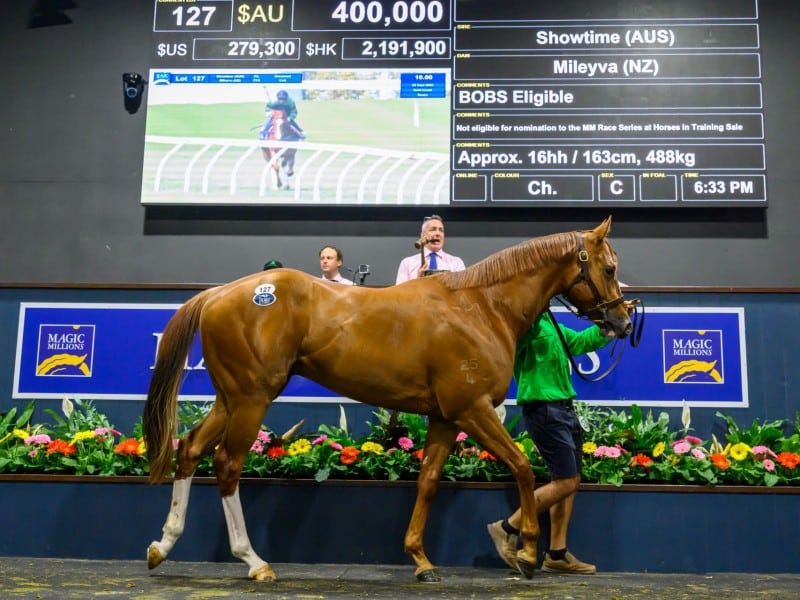
Fastest breeze, highest price as Nolen’s Showtime colt shines at Magic Millions
Experienced vendors Tal Nolen and Kenmore Lodge’s Cameron and Kellie Bond came out ahead at a “patchy” Magic Millions Horses in Training Sale with multiple six-figure sales including three of the top four highest-priced lots.
Rowe On Monday – Digging for diamonds, Pinatubo’s strong spring and session plans for Magic Millions
In this week’s Rowe On Monday, G1G’s Gary Diamond on buying, selling and trading future and current stars, some second-season spring joy for Pinatubo and some food for thought as Magic Millions prepares its January catalogue.

VRC back in black as board elections loom
Victoria Racing Club has returned to annual profit for the first time in six years, with topline figures revealed to media soon after it was confirmed Neil Wilson will be replaced by Vin Cox as chairman, and before four board seats are put up for election at December’s annual general meeting.
