
The uncomfortable global dance between gambling and racing
In almost every major racing jurisdiction in the world, the relationship between horse racing and gambling and/or wagering is under the spotlight. Recent developments in North America, England and Australia show how tangled that relationship has become.
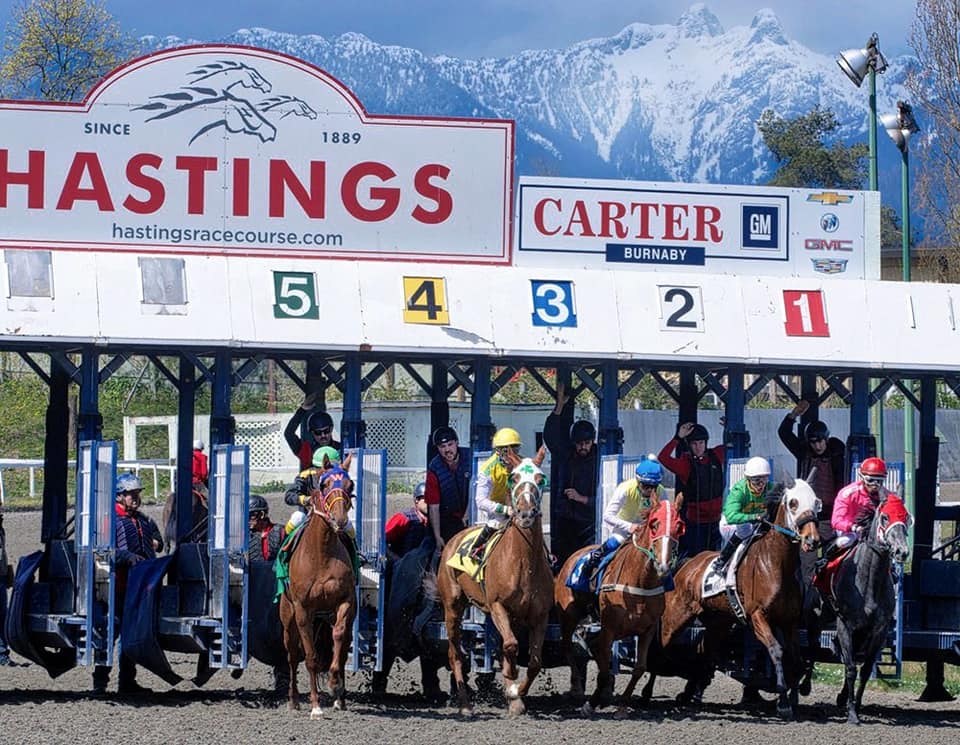
At Hastings Park, in British Columbia in Canada, 130 years of history is set to be bulldozed after the closure of the local racetrack.
Vancouver’s only thoroughbred racetrack is no more, with the closest racing venue now across the border at Emerald Downs in Washington state, near Seattle, three hours away.
A fixture since 1889, racing at Hastings has been supported by the slot machine revenue of the adjacent casino for 18 years. Around $10 million flowed annually from the city’s casino operations into subsidising the track, but the decision was made that those funds were better spent on public services such as health care and education.
The funding was set to end in January, but with no racing due at the track until the spring, the call was made to close the racecourse with immediate effect.
“The decision of Hastings … is, in our view, a direct result of the government taking away our share of the slot machine revenue,” said David Milburn, president of the Horseman’s Benevolent Protective Association of British Columbia.
The casinos remain open.
It’s a familiar story across Northern America, where racing became unhealthily reliant on the proceeds of casinos which ultimately cannibalised their own gambling returns.
Around 4000 kilometres away, the Florida racing community is rallying behind a plan to preserve racing in the state.
Florida’s two remaining tracks Gulfstream Park and Tampa Bay Downs are under threat with decoupling legislation still on the agenda. Such a move would allow casino gaming to continue without live racing.
While Florida governor Rick DeSantis has promised to fight for the racing industry, the Florida Thoroughbred Breeders’ and Owners’ Association is setting out to control its own future.
According to reports in TDN America, FTBOA is in the process of taking initial steps to activate a thoroughbred-specific state racing permit with the goal of building a “modern, new thoroughbred racing track and entertainment complex” in the Ocala area.
While the aim is to see off the political threats of decoupling at Gulfstream and Tampa Bay, Philip Levine, the principal of newly formed Ocala Thoroughbred Racing, issued a rallying call when speaking to a racing conference in Arizona this week.
“I look at this industry and I say if you don’t start running together, there will not be an industry in the future,” Levine said.
“Everybody has to work together so that this does not become some kind of Jurassic industry, that it moves on to the future.”
It is not yet clear how this would be funded.
Earlier this year, leviathan American owner Mike Repole expressed his desire to buy Gulfstream Park from 1/ST, which has supported the decoupling legislation. His interest met with no response.
In Great Britain, the entrenched relationship between gambling and racing was laid bare when UK chancellor of the exchequer Rachel Reeves recently unveiled her budget, which saw betting on racing dodge a rise in tax.
But the British industry, which had rallied hard against an increase in the racing tax, barely had time to exhale before the impacts of the rise in the general betting duty (GBD) and remote gaming duty (RGD) became evident.
The big bookmakers called the increase in duty on online casino games to 40 per cent and the sports aspects of the general betting duty to 25 per cent a disaster for the industry.
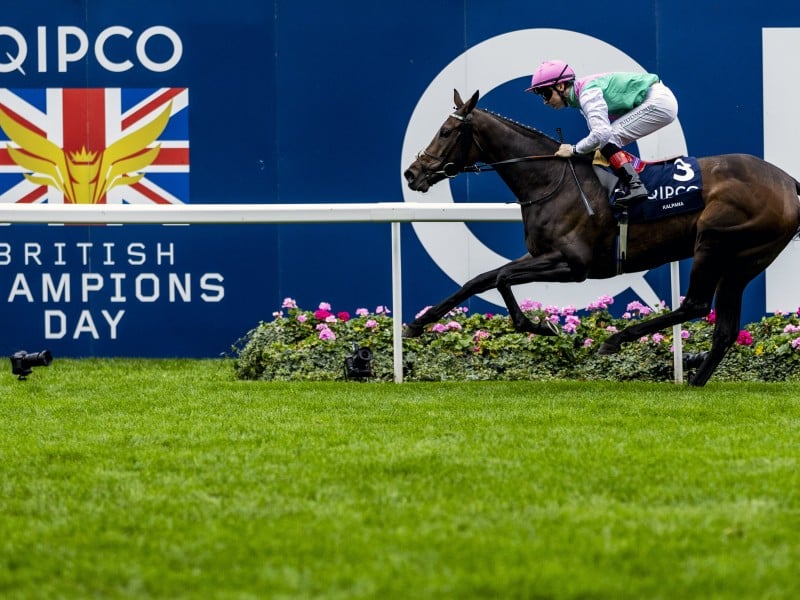
While racing will now be the lowest taxed of those gambling categories, the knock-on impact will be felt with the wagering companies saying they will likely cut promotion and sponsorship of racing.
The bookmakers have long had considerable power over the pursestrings of English racing, and as they have grown their presence in both online gambling and sports, it has put more pressure on racing turnover, which has fallen from £10 billion between 2021/22 to £7.9 billion in 2024/25.
The lower taxation rate may help address this slide, but the health of the broader gambling industry and British racing seem intertwined.
Bookmakers, including some of the same companies as are active in the UK, have grown their influence in Australia, where sports betting is continuing its rise, but online casino style gambling is banned.
The major change that has occurred over the past six years is the imposition of state-based Point Of Consumption Taxes, which has seen state governments regain control of more of the racing industry’s funds.
It seems to be a control they enjoy having, with Queensland’s racing industry getting 80 per cent of POCT receipts, which is pretty much all of its government funding.
Wagering companies argue that POCT has been an inhibitor of growth, although the first four years of its introduction were earmarked by an unprecedented burst of pandemic era wagering, making state governments giddy with the proceeds.
The major Australian bookmakers heavily lobbied the relatively new Queensland Racing Minister Tim Mander to reduce the Point Of Consumption Tax from 20 per cent back to 15 per cent.
While it was a key recommendation of the McGrath review of Queensland racing, Mander decided not to proceed with any changes.
Wagering companies, including Australia’s largest in Sportsbet, came out to condemn the decision.
“Lowering the tax rate would unlock investments into Queensland racing, particularly regional clubs. These investments would have delivered long-term sustainability for racing,” Sportsbet chief executive Barni Evans said.
“The consequences will be felt most by the 120 regional and country race clubs, which were set to be the largest beneficiaries. These clubs will continue to rely on Government handouts rather than enjoying the benefits of a thriving, self-sustaining industry.”
Australia’s racing industry is increasingly caught between the priorities of the wagering industry that funds it and the state government which regulates it.
This tension has become even more real in an era where the political influence of gambling companies is being scrutinised.
“No government, however much they are pushed, wants to be seen as handing something to the gambling industry,” a wagering source told The Straight.
The challenges racing is facing in terms of its relationship with gambling and wagering are complex and different in every jurisdiction, but the same themes and questions are evident.
How does racing, which is almost entirely reliant on revenue from gambling, seek to control its own financial future separate from that of the industry which funds it?
Author

Related Articles
Spring favourites cost betr $7 million, but bookie remains confident in growth path
Betr’s ambitious path to growth hit a $7 million speed bump during the spring carnival, but CEO Andrew Menz insists the company’s turnover is growing at four times the industry average and it will continue to take market share in 2026.
Tabcorp fined, five others found to have breached BetStop obligations
The Australian Communications and Media Authority has found that six wagering operators, including industry heavyweight Tabcorp, failed to comply with the rules that govern the national self-exclusion register in 2024.
Karaka Millions turnover surges as World Pool drives uplift
New Zealand and Australian punters bet in record numbers on the Karaka Millions meeting at Ellerslie, while the global World Pool also helped uplift wagering turnover significantly.