
The Yulong effect – How the battle at the top has changed the Australian mares’ market
It has been four years since Yulong first played a major hand at a major broodmare sale, spending $5.3 million combined on Group 1 winners Unforgotten and Viddora on the Gold Coast and sending a signal to the likes of Coolmore and Northern Farm that they would have increased competition for Australia’s best race mares.
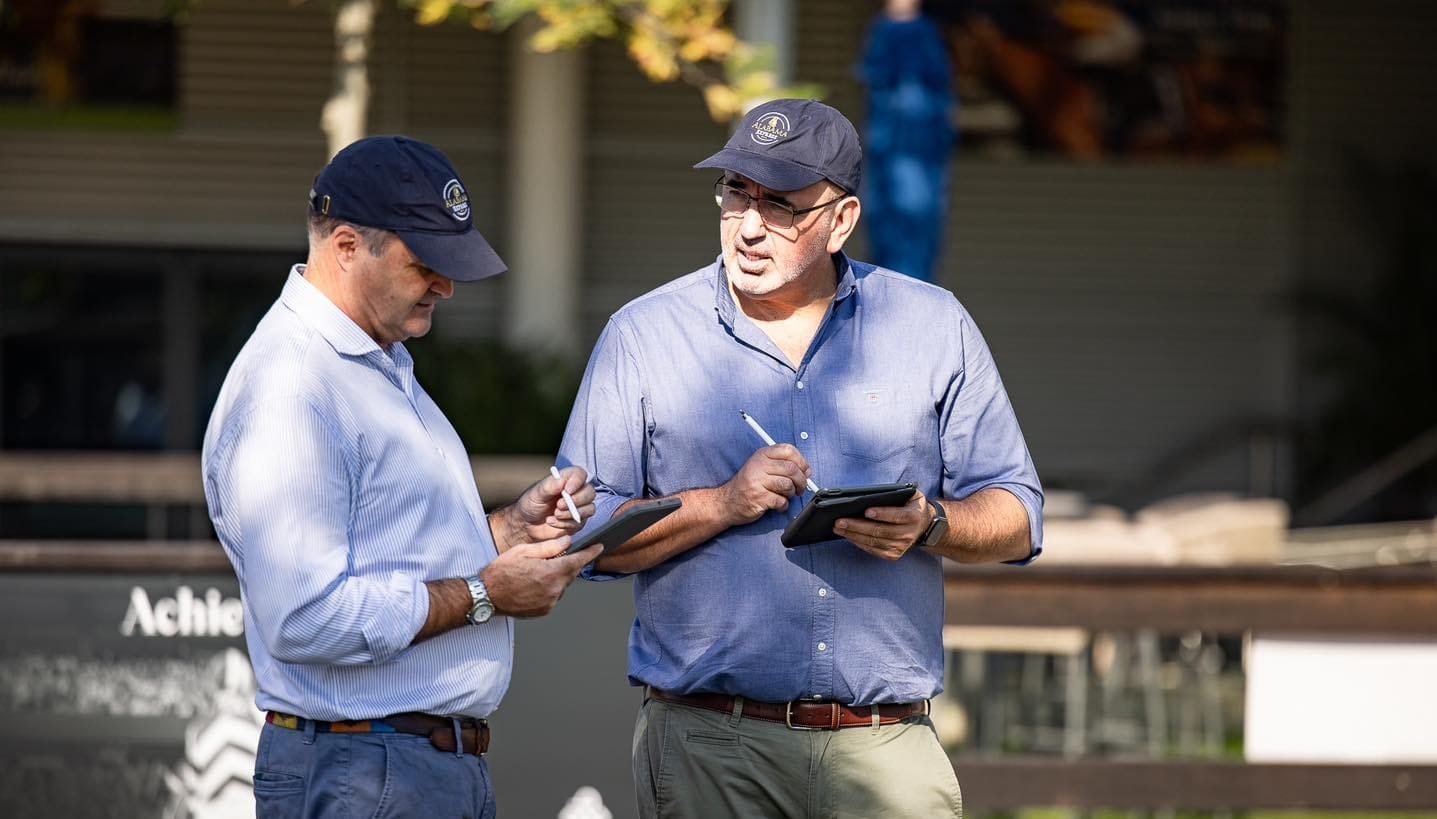
Since that point, Yulong has dominated the mares market, and have added 16 further Australian Group 1 winners to its formidable broodmare band, including Imperatriz, Chain Of Lightning and Mariamia for a total of $10.9 million this week on the Gold Coast.
This total does not count those Group 1 winners added from overseas sales, including subsequent Australian elite winner Via Sistina, nor the bevvy of Group and Listed winners in Australia, including $4.1 million purchase Away Game, that has bolstered its mare numbers to 700, by far the biggest in the country.
The horses have been acquired under different names, the latest being Zhijun Zhao, an associate of Yulong owner Yuesheng Zhang, but regardless of the specifics of ownership, these extraordinary collection of racehorses now all reside at Yulong’s Victorian headquarters.
Imperatriz may be the most expensive mare ever purchased in Australia at $6.6 million but her 10 Group 1 wins are not the most of Yulong’s mare band. That honour belongs to 14-time elite winner Melody Belle – 13 of them in New Zealand – who cost $2.6 million in 2021.
Other multiple Australian Group 1 winners acquired by Yulong or associates in the past four years include Tofane, In Her Time, Duais and Montefilia.
In total, of the 47 Australian Group 1-winning mares and fillies offered since Yulong purchased Unforgotten, 19 of them ended up in Yulong’s broodmare band. The average price of those who came via public auction has been $2.6 million.
Their presence has disrupted the market significantly. Before Yulong, it was Northern Farm picking off Australia’s Group 1-winning mares off the track, but the vast majority of them were via private sale.
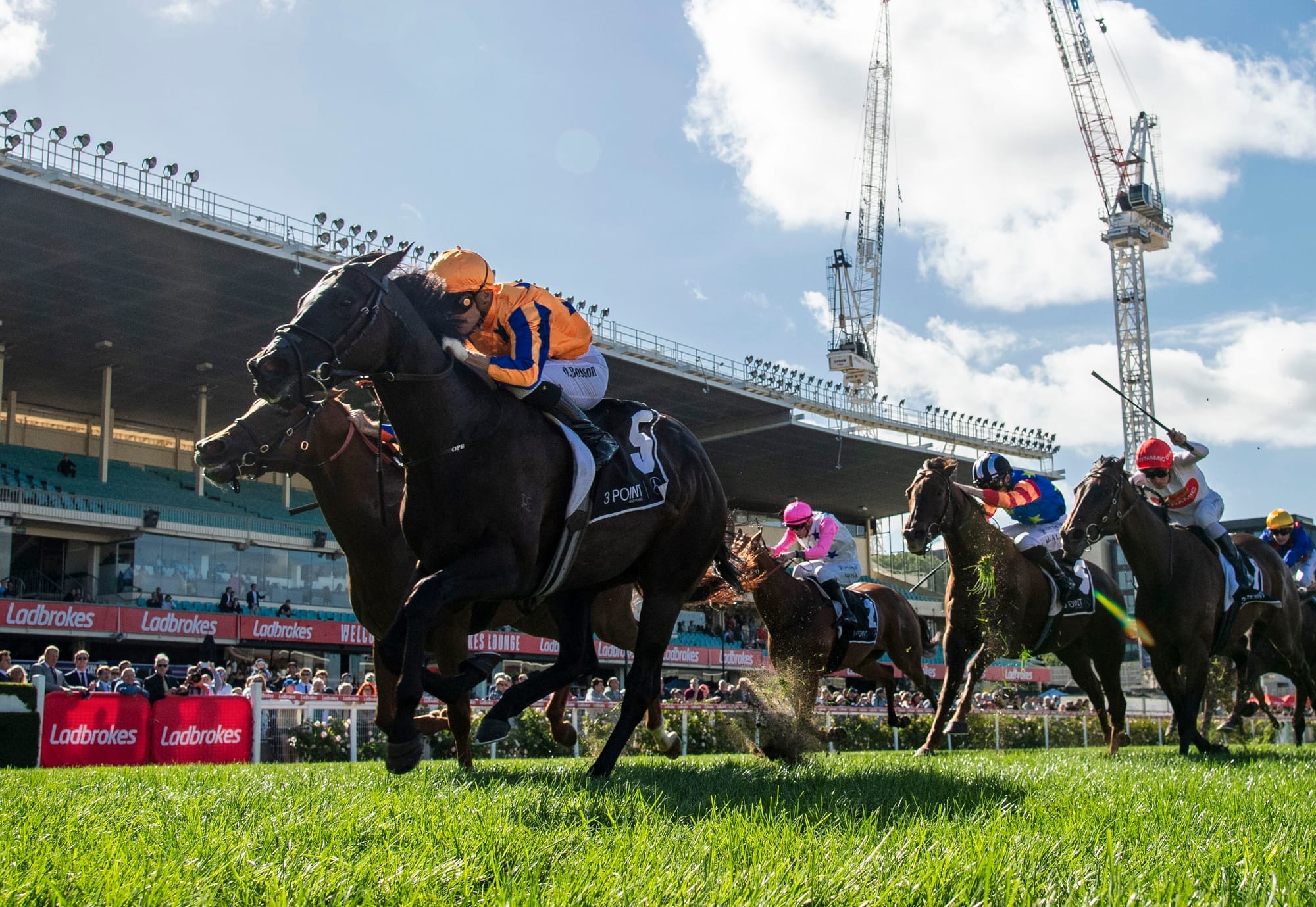
Once Yulong emerged, the owners of premium mares quickly realised they were much better off selling them at auction, and they have been handsomely rewarded.
Northern Farm has purchased 11 Australian Group 1 winners since 2017, but only three of these have been via auction. They were reportedly in the thick of the bidding for Imperatriz at $6 million on Tuesday but were outstayed by both Coolmore and Yulong.
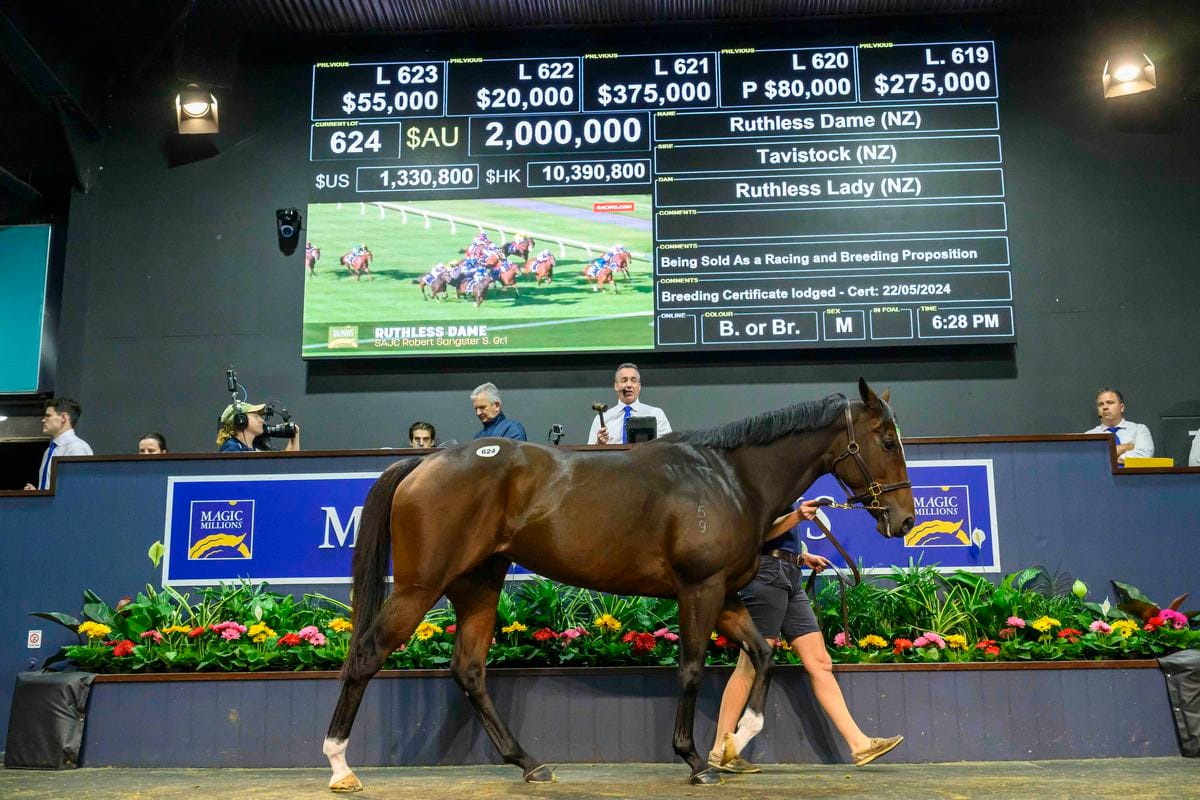
The consolation came with the final lot of the race fillies, Robert Sangster Stakes winner Ruthless Dame, who is headed to Japan after being purchased for $2 million.
“It has been very tough – a very strong market. I was at the Chairman’s Sale – no luck. Today, up until this lot, no luck. It is great to get a good mare,” Northern Farm representative Shingo Hashimoto said.
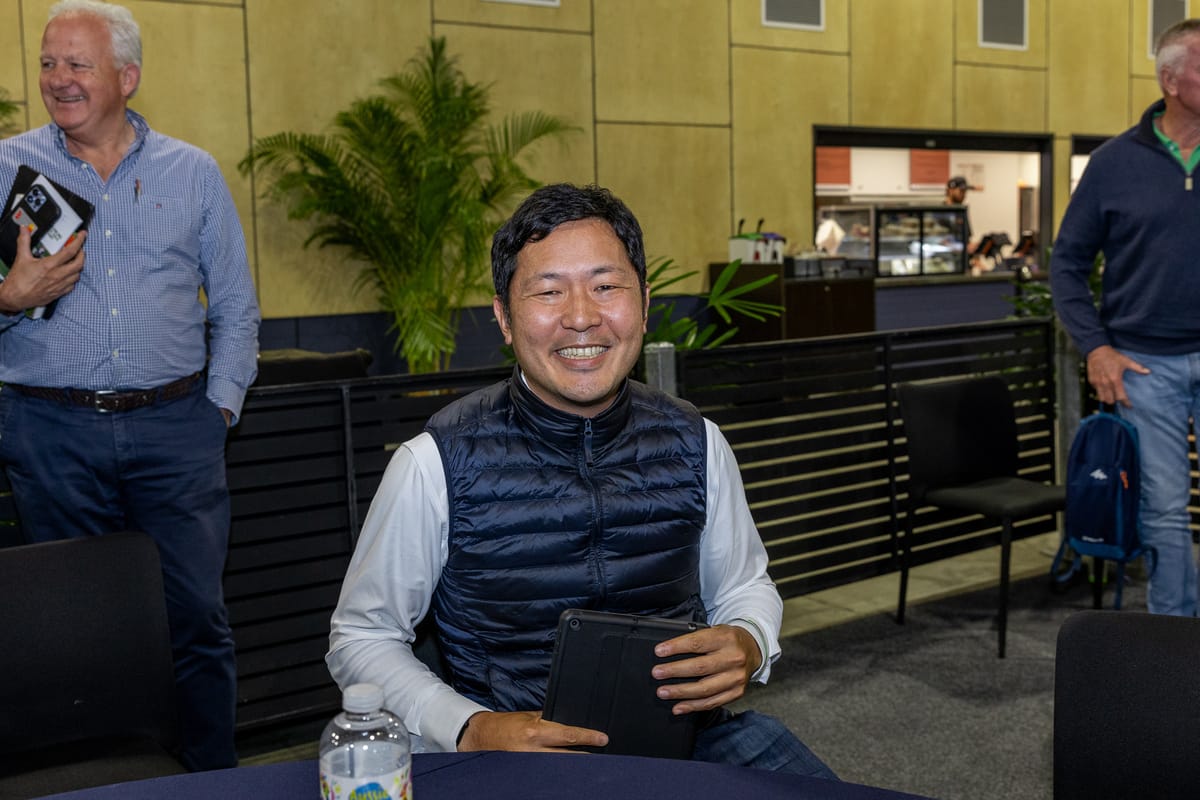
Northern Farm supremo Katsumi Yoshida hasn’t had to play second fiddle to too many bidders over the years, and the private market is his preferred median, but the reality is with Yulong and Coolmore in competition, public auction is the only source for Japan’s powerhouse breeder.
Coolmore is the one name which has constantly been at the top of the Australian mares’ market over the past 20 years. It was its previous record price paid for Milanova in 2008 of $5 million which was eclipsed on Tuesday.
Tom Magnier is also rarely beaten on a horse he wants, but in the Yulong era, he has had to pick his battles. He had to concede on Imperatriz, but still purchased three seven-figure mares on the first day of this year’s Gold Coast mares sale.
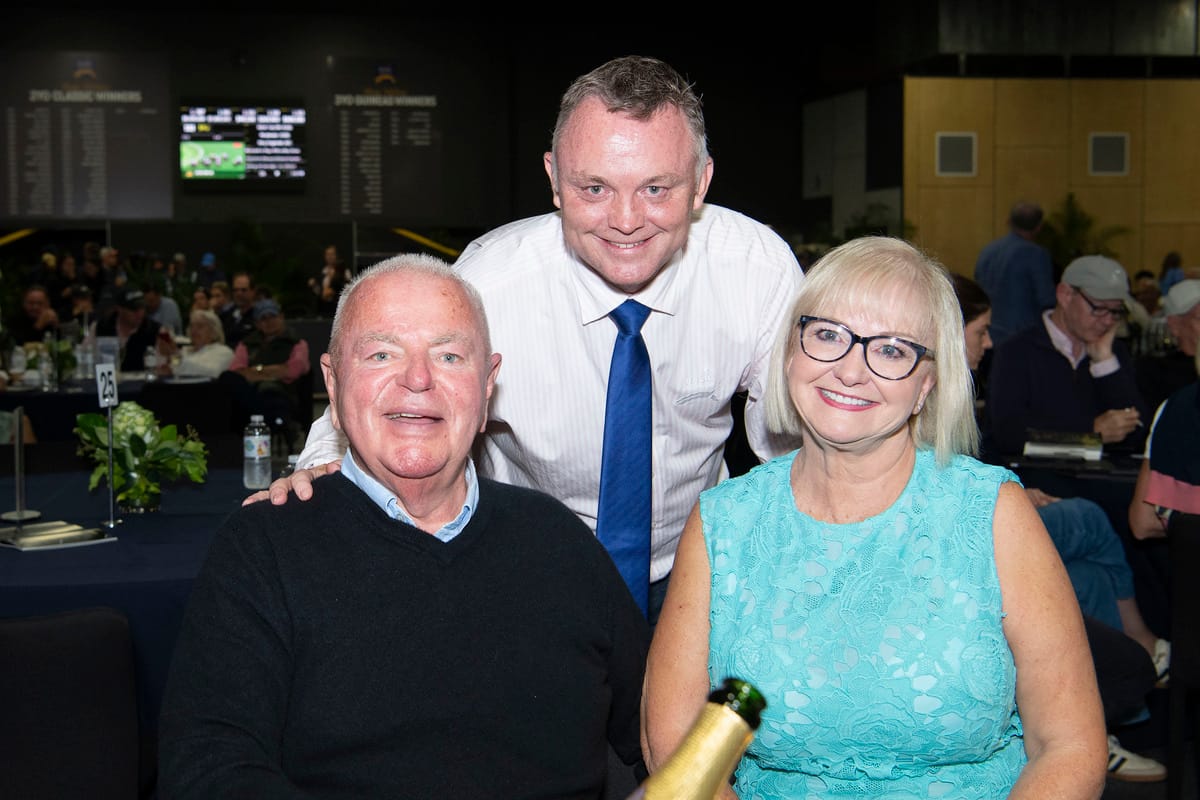
Since 2019, Coolmore has purchased 14 Group 1-winning Australian mares or fillies off the track. They include $4.2 million for Sunlight, $3.6 million for Nimalee and $3.4 million for She’s Extreme.
On Tuesday Magnier parted with $3.5 million for a Group 3 winner, Platinum Jubilee, albeit, she is a half to a Golden Slipper winner, while he also secured Thousand Guineas heroine Madame Pommery for $2.7 million.
But perhaps Coolmore’s most significant purchase of the past 12 months from a mares’ perspective was the private deal to secure Coolangatta last September. The deal was rumoured to be worth as much as $4 million and the daughter of Written Tycoon had an immediate date with Justify.
Why it was significant is that Coolmore hasn’t done that many private mares deals in Australia in recent years. The only other Group 1 winner purchased privately since 2018 has been Nakeeta Jane.
The timing helped, given that Coolangatta could go straight to stud to visit Justify, but it also kept her out of the public auction spotlight and away from Yulong’s clutches.
 Bren O’Brien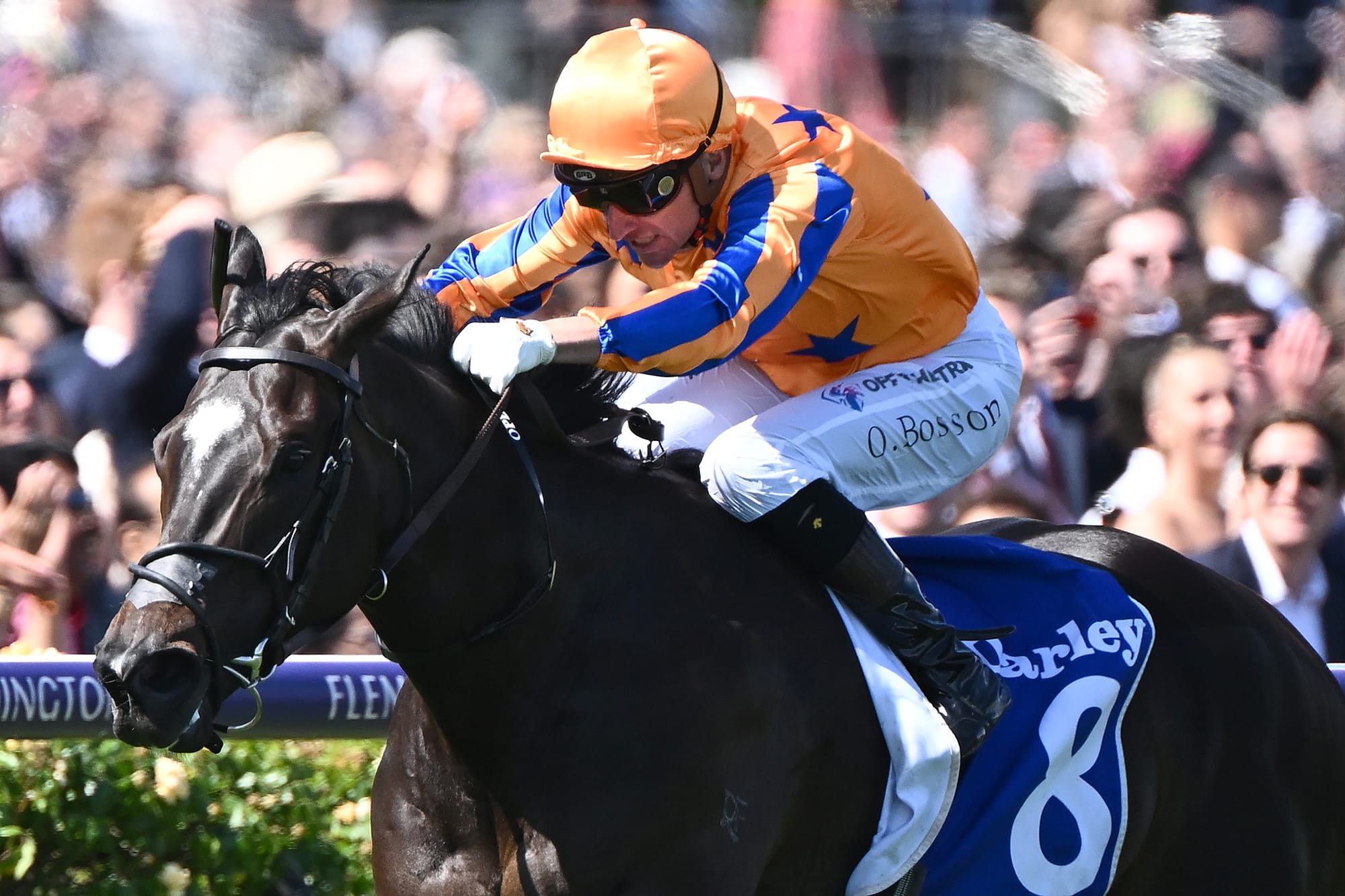
While mare values may seem feverish from the outside, the perspective from inside the bloodstock bubble is that elite Australian mares are undervalued from a global perspective.
“I think what these mares make here to what you see overseas, and I go to America each year. The product’s still cheap here,” Magic Millions managing director Barry Bowditch said.
“I think we’ve got a lot more depth through the middle and the middle end. But what a blue hen mare can make in other parts of the world. There’s still value to be found. I think the international players that aren’t here or aren’t participating need to pay more attention to what’s going on.”
Bowditch’s comments echo those made by Yulong’s Vin Cox after the sale of Imperatriz. If they are to be believed, there is still substantial air to be pumped into the top end of the Australian market,
The one thread between Yulong, Coolmore and somewhere like Northern Farm is that they all operate globally, so are aware of the value for those very elite mares.
The key difference in the Australian market, because of the diversified nature of ownership, is that more of these top mares do make it to auction.
While Yulong may have 19 Australian Group 1 winners in its paddocks, Coolmore has still had access to 14 in the past five years, Northern Farm 11 since 2017, while Widden and Rosemont two apiece since 2020.
Perhaps this also says something about the plentiful supply of Group 1 races in Australia.
Competition may be stronger than ever, but it would be incorrect to characterise the Yulong impact as a complete domination. Diversity has long been Australian bloodstock’s great strength, and Yulong’s ascendancy, while making it tougher for those at the top end, hasn’t changed that.
Author

Related Articles
Another Saratoga spending spree – Massive top-end investment defies clouds over American industry
A booming US bloodstock market has left Australian agent Will Johnson stunned, with Saratoga’s record-breaking sale highlighting a surge in demand for elite yearlings despite broader uncertainty surrounding American racing.
Run The Numbers – It’s not always a clear path from sale-topper to superstar
It is arguable there has never been a better-performed horse to have topped an Australasian yearling sale than Autumn Glow, who is set to resume in this month’s Winx Stakes. But what of the other sale-toppers? This week’s Run The Numbers digs into the data across Australasian yearling sales since 2020.
Rowe on Monday – The end of an era for Cornerstone, Diamond desire for a Kiwi filly and Burnet’s slice of history
In this week’s Rowe On Monday, Tim speaks to Sam Pritchard-Gordon about the future for Cornerstone Stud after the decision to sell the farm’s breeding stock, talks to John Thompson about ambitions for his She’s A Dealer and reflects on an honour for a country NSW trainer.
