
Trackside betting – Formula 1’s delicate dance with global gambling
The horsepower on the track at Albert Park this weekend may be different from what we will see at Moonee Valley or Rosehill, but the importance to the wagering industry of a Formula 1 event is arguably greater than that of a Group 1 race.
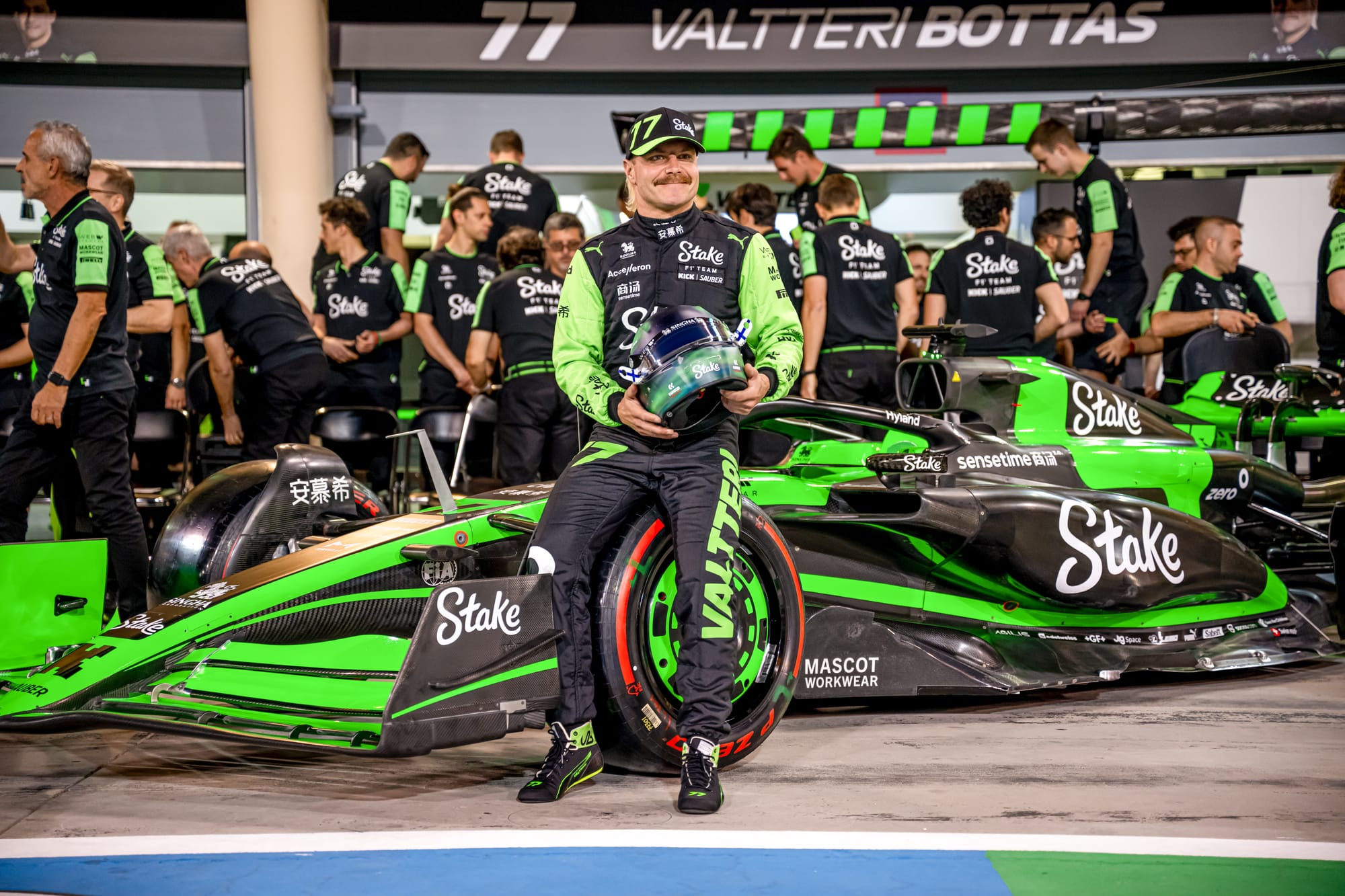
The resurgence of the profile of F1 in recent times has coincided with the desire for global betting companies to get their associated ‘lifestyle’ brands side by side with the superstar drivers and teams on the global motorsport circus.
The most prominent of these is an Australian-backed company Stake.com, the cryptocurrency-fuelled online casino that is the brainchild of Australians Ed Craven and Bijan Tehrani.
Stake has most of its operations based out of Melbourne, only a couple of kilometres from the track, but is officially headquartered and licensed in Willemstad, Curacao, a Caribbean island that has become the centre for such companies.
Stake.com has become wildly commercially successful powering Craven to billionaire status, as he buys up mansions in Toorak and sets up in the same neighbourhood as the richest people in the country.
In 2023, Stake.com stepped into F1 sponsorship for the first time, in a deal worth $140 million with what was then Alfa Romeo.
This year, they ramped that up with a title sponsor agreement, taking over branding of the Sauber team in spectacular fashion, with a bright lime livery thrown into the mix.
The deal immediately drew scrutiny from authorities in Switzerland, where Sauber is based, as such a visible sponsorship could breach Swiss laws on gambling advertising.
But it would also be a breach of Australia’s Interactive Gambling Act for this to appear on Australian soil, which is why for this weekend, the Stake title branding will not be seen.
Instead, the team will be renamed Kick Racing, promoting the gaming and live-streaming sister platform also under the same ownership.
It’s a nifty workaround that will keep Stake, effectively an Australian company, out of the reaches of industry regulator ACMA.
Why Stake is not allowed to advertise in Australia (although it can have branding on overseas races) is because the cryptocurrency casino platform is not licensed in Australia and can not offer services to Australians.
In fact, no online casinos are licenced to offer services to Australian customers. The same applies to digital in-play sports betting, slots and online poker.
The law actually doesn’t forbid Australians from playing on these unlicenced platforms, which could theoretically be accessed via a VPN. Enforcement is focussed on the operator. ACMA claims it has blocked nearly 1000 websites since 2019 and forced 221 illegal services to stop offering gambling to Australians.
But the prominence in Australia of unregulated operators is becoming greater and greater. International sports, especially football (soccer) and cricket, feature shirt and sideline sponsorships promoting betting brands that aren’t locally licensed.
Recently the West Indies cricket team toured Australia and played in a shirt emblazoned with a Filipino-based betting company with no license to operate in Australia.
Due to the sport’s international profile, Formula 1 teams are quite expert in negotiating the various laws they need to on a week-to-week basis. This has its genesis from the days where tobacco advertising laws were introduced in different stages around the world.
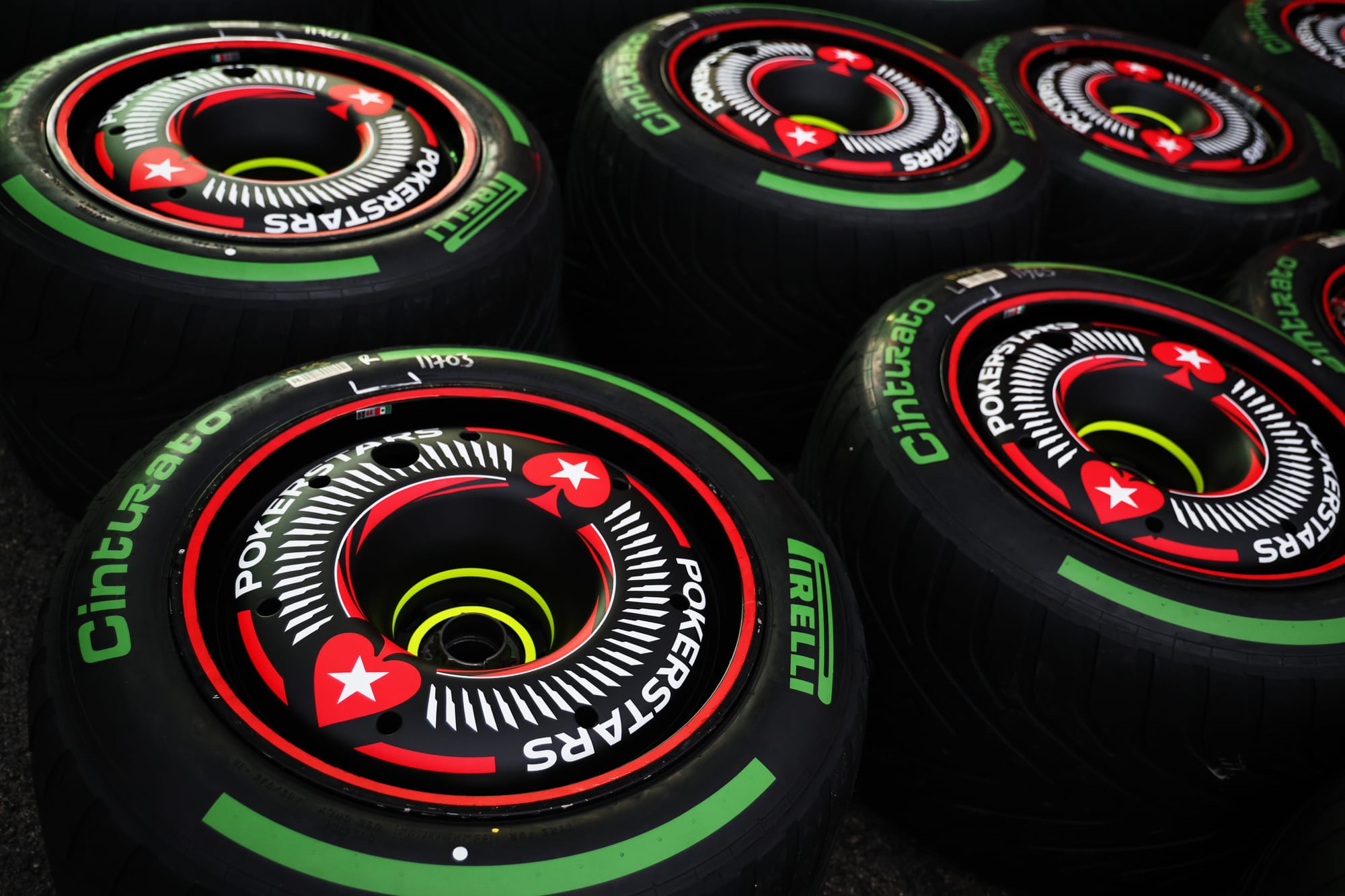
The Las Vegas Grand Prix last November was a cornucopia of gambling advertising befitting the occasion. The championship-winning Red Bull team even had their wheels emblazoned to look like poker chips with the Pokerstars logo prominent.
However, in the more staid regulatory environment of Australia earlier in the year, the Pokerstars branding, even on clothing, was nowhere to be seen.
It hasn’t featured at all for Red Bull in 2024, although it wouldn’t be unexpected if it was to re-emerge later in the season. Pokerstars is owned by global gambling giant Flutter, who have the Sportsbet brand in Australia.
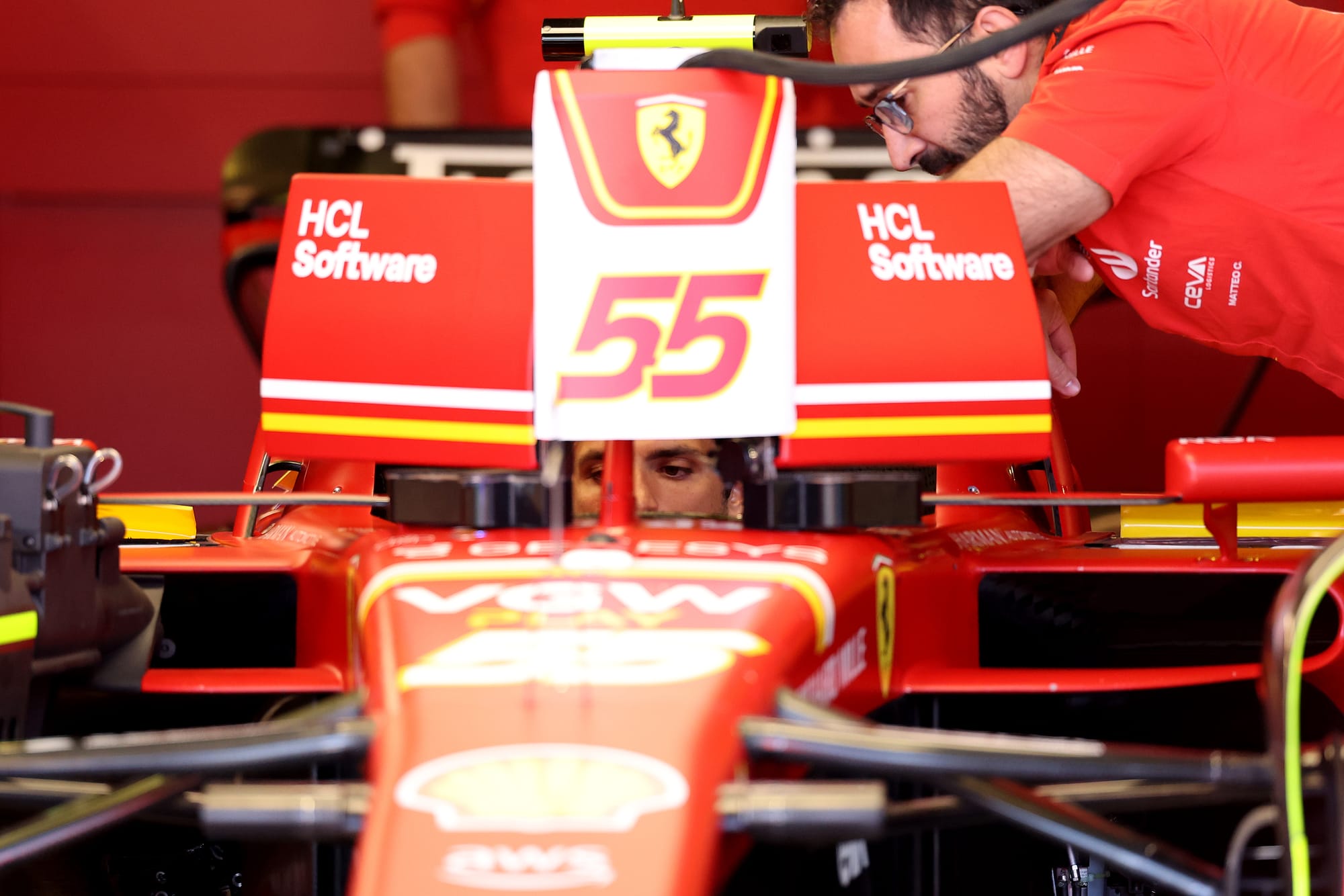
Ferrari, however, does carry the logo of VGW Play in considerable prominence on the race suits of Carlos Sainz and Charles Leclerc.
VGW Play is a brand owned by another young Australian billionaire Laurence Escalante. It is described as a social gaming business, which offers free ‘casual games’. Such games are named Chumba Casino, Luckyland Slots and Global Poker. All of those games are geo-blocked to Australian users.
In recent years, the McLaren F1 team has carried sponsorship from PartyPoker and PartyCasino, both owned by global company Entain. McLaren, which featured young Australian driver Oscar Piastri, did not carry branding for either in Australia last year.
Formula 1 itself has a deal with 188bet, which is headquartered in the Isle Of Man, but not licensed in Australia. The deal takes in sponsorship of five Asian-based Grands Prix (and not Australia), while it also includes trackside virtual sponsorship into those markets.
The Straight contacted ACMA to ask if they provided any guidance to Formula 1 itself, the local organisers or the teams ahead of this year’s event to ensure they comply with the Interactive Gambling Act.
It refused to comment on specifics, only that it would expect any sponsor to comply with the laws of that Act as well as the Broadcasting Services Act.
For those businesses licensed in Australia, the Interactive Gambling Act provides a buffer against the burgeoning unregulated offering from overseas.
Theoretically it allows them to offer their services on a more level playing field in terms of taxation, compliance and things like anti-money laundering requirements. It also offers what ACMA describes as much greater consumer protections.
However, the locally licensed wagering companies have voiced concerns that rising taxes and greater know-your-customer requirements make it harder and harder to compete with unregulated operators, who don’t have these obligations. They say that some of these companies have become adept at avoiding enforcement.
The one advantage they have had to this point has been ACMA’s focus on stopping promotion and marketing from unregulated operators.
What concerns them is that the looming possibility of a federal government blanket ban on advertising puts all operators, licensed and unlicensed, on the same level.
What should concern those considering this legislation is how easily these unregulated companies have managed to dance around local regulations through the use of ‘adjacent’ brands.
It is not beyond possibility that the locally licensed wagering providers, if faced with similar barriers to promotion, will look to do something similar.
Author

Related Articles
Beiwacht blitz in Memsie
Beiwacht confirmed his reputation as one of the best 1400-metre horses in Australia with a thoroughly dominant first-up Memsie Stakes win at Caulfield.

Edwards to exit – RWWA chief set to depart as industry awaits review
As the Western Australian racing industry awaits the outcome of a key independent review, Racing and Wagering Western Australia chief executive Ian Edwards has announced he will step away from the role in November.
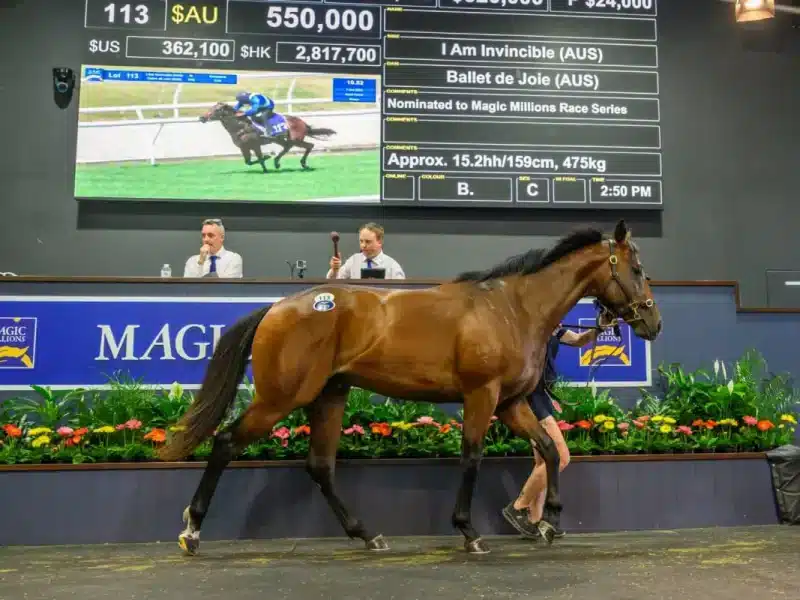
‘Wonderful record for producing top-tier performers’ – Stallion power fuels Magic Millions Horses in Training Sale
Magic Millions has confirmed a reduced 166-lot catalogue for its Gold Coast Horses in Training Sale, with 153 two-year-olds and 13 three-year-olds set to breeze up ahead of the October 12 auction.
