
Sydney’s trainers hit with modest rent increases after ATC compromise
The Australian Turf Club will increase stable rents in line with CPI after backing away from a 10 per cent hike that was planned last August.
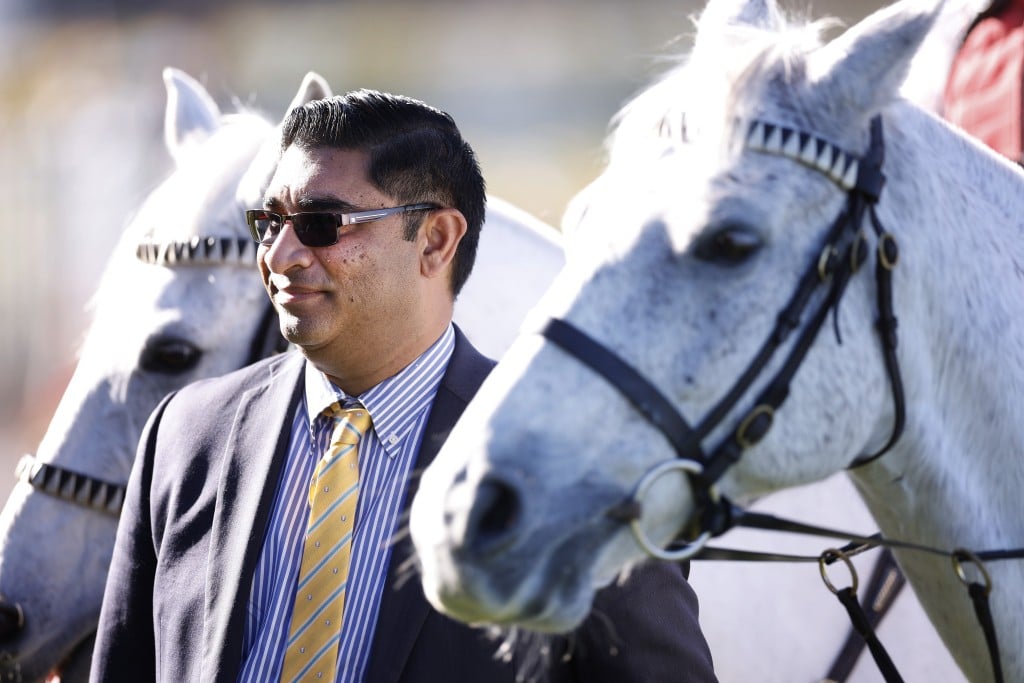
The Australian Turf Club will impose a 3.8 per cent increase in stable rent and track fees from early in the New Year, less than half what it had foreshadowed to Sydney’s trainers during the winter.
ATC’s head of racing and wagering Nevesh Ramdhani confirmed the club had reached a compromise with its tenant trainers at Randwick, Rosehill and Warwick Farm after months of negotiations.
“After the initial announcement about the 10 per cent increase, there was a great deal of feedback from the trainers,” Ramdhani told The Straight.
“The board decided they would revoke that or pause it until we’ve had an opportunity to fully analyse and understand from both the trainers’ perspective as well as the ATC’s.
“It was agreed by the board in consultation with the trainers’ association (that we have to increase our rent and track fees) and we landed on the 3.8 per cent, which is aligned with CPI.”
The price increase will start from February 1 and it won’t be backdated to August 1, the start of the racing season, as would be normal practice.
Stable rent per box per day will increase from $11.50 to $11.94 compared to the planned $12.65 rent hike that was announced in August.
Sydney’s trainers were informed of the ATC’s decision on Monday.
Ramdhani said the change would remain in place for the rest of the season, but he did not rule out further increases from the start of the 2026/27 racing season.
“We’re going to have that conversation. But for now, we’ve just landed on something more palatable, more so from the trainers’ perspective,” he said.
“Usually, for stable rental, we’ll increase it from 1 August. And then track fees generally from 1 January, but we’ve agreed, based on where we landed, that we’re not going to backdate anything.”
At the time of the ATC’s original price increase, with just a week’s notice, NSW Trainers Association chief executive Richard Callander said “we know the ATC is under financial pressure, but that doesn’t mean they just look at their first target being the trainers to get some quick money”.
“As I said to Tim (Hale, ATC chair), it’s all about communication. Just imposing a charge on us (trainers) with no explanation as to why and with a five-day effect, it just isn’t good business governance,” Callander said.
“Most businesses will forecast what their costs are going to be (for the next financial year) in May, then they can plan for that, and my trainers have done that with their businesses … and then out of the blue, a 10 per cent hike in rent appears out of nowhere.”
The ATC has been under mounting pressure on a number of fronts, with the club’s board last week gaining a Supreme Court injunction until February preventing Racing NSW from putting it into administration.
When the matter returns to court, the ATC will attempt to argue that Racing NSW does not have the authority to strip the board of control of Sydney’s race club.
Ramdhani said every industry participant was facing cost-of-living pressures.
“At the end of the day, every supplier, they pass on increases. You look at a one-man show, like farriers, to vets, to feed (merchants) … and our costs are also increasing,” he said.
“But as we said in the letter (to trainers), we’re not seeking to recover (all of our) costs. But there is a cost of doing business and there is a cost of putting on the show.
“Our biggest partners are trainers and owners, so we just want to make sure that they’re also comfortable continuing their business and contributing to the world-class racing product that we have.
“This is merely just to mitigate the ATC’s costs.”
Author

Related Articles
ATC wins court reprieve from administration until at least February
The Australian Turf Club will stay out of Racing NSW-imposed administration until at least February, after the Supreme Court of NSW issued a new order preventing any further action until the matter can go to a further hearing.
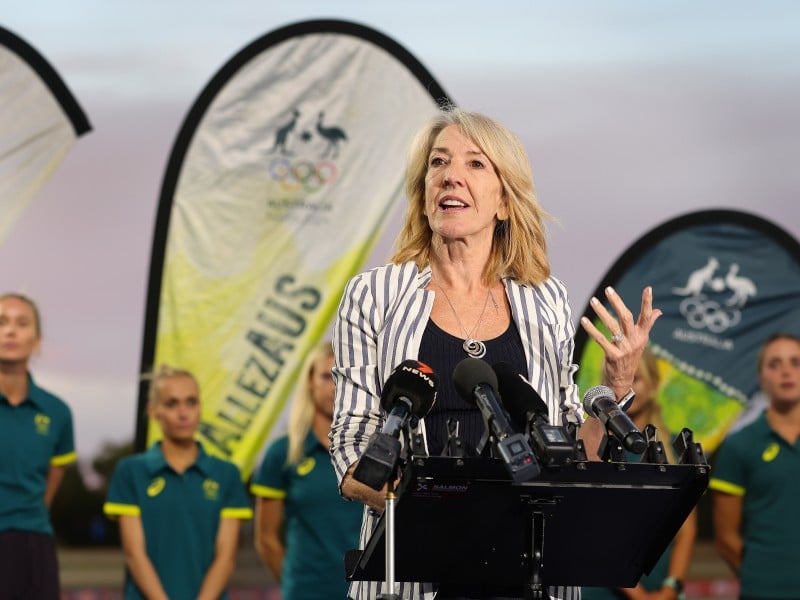
New blood at Racing NSW – Olympian and business veteran join board
The NSW state government has announced replacements for Garry Charny and Tony Shepherd on the Racing NSW board, with an Olympian and a Venues NSW board member joining the thoroughbred industry regulator on four-year terms.
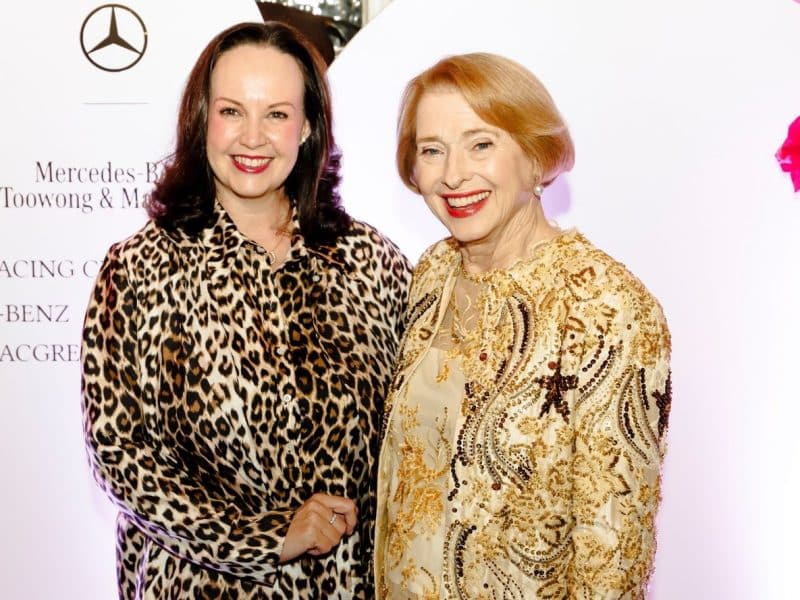
Mary Collier chosen to oversee sweeping reforms to Queensland racing
A generational reset of Queensland racing has moved into its implementation phase, with Racing Queensland appointing Mary Collier to oversee the rollout of the McGrath review’s sweeping, government-endorsed reforms.