
SA racing industry report details $729 million boost to state economy
South Australia’s racing industry contributed $729.3 million to the state economy and supported more than 5000 jobs in 2024/25, with new figures underlining racing’s growing regional and community importance.
South Australia’s three codes of racing generated almost $730 million for the state economy while supporting more than 5000 full-time equivalent jobs in 2024/25, according to a new industry report highlighting the sector’s economic and community footprint.
The findings were detailed in the latest Economic, Social & Community Benefits of the South Australian Racing Industry report compiled by sports industry consultancy IER on behalf of the state’s thoroughbred, greyhound and harness racing bodies.
The report found the industry contributed $729.3 million in total value-added impact through a combination of direct expenditure and wider economic flow-on effects.
Racing industry spending totalled $589.1 million, with wages, salaries, and profits creating an immediate value-added impact of $294.7 million.
Indirect economic activity generated a further $434.6 million in broader benefits across South Australia.
Thoroughbred racing remained the dominant contributor with an economic impact of $519.1 million, while greyhound racing generated $131.2 million and harness racing contributed $79 million.
Employment within the industry also continued to climb, with direct full-time equivalent roles increasing by more than 3 per cent to 2914 positions.
Jobs supported by racing activity lifted the overall figure to 5041 full-time equivalent roles across the state.
Engagement levels also rose significantly, with 16,314 people involved in the racing industry as employees, participants or volunteers.
That figure represented a 5.6 per cent increase on the previous reporting period and reinforced the industry’s position as one of regional South Australia’s major employers and community drivers.
A total of 805 race meetings were staged across the three racing codes during the reporting period, attracting combined attendances of almost 270,000.
More than $73 million in prize money was distributed to owners across thoroughbred, greyhound and harness racing.
The report highlighted the industry’s importance to rural South Australia, where 36 per cent of racing’s total economic contribution was generated.
More than half of all people participating in the industry, as employees, volunteers, or competitors, were based in regional communities.
The study also examined racing’s broader social contribution, finding clubs across the state provided support to more than 120 charities and community organisations through donations, fundraising initiatives, event partnerships and facility access.
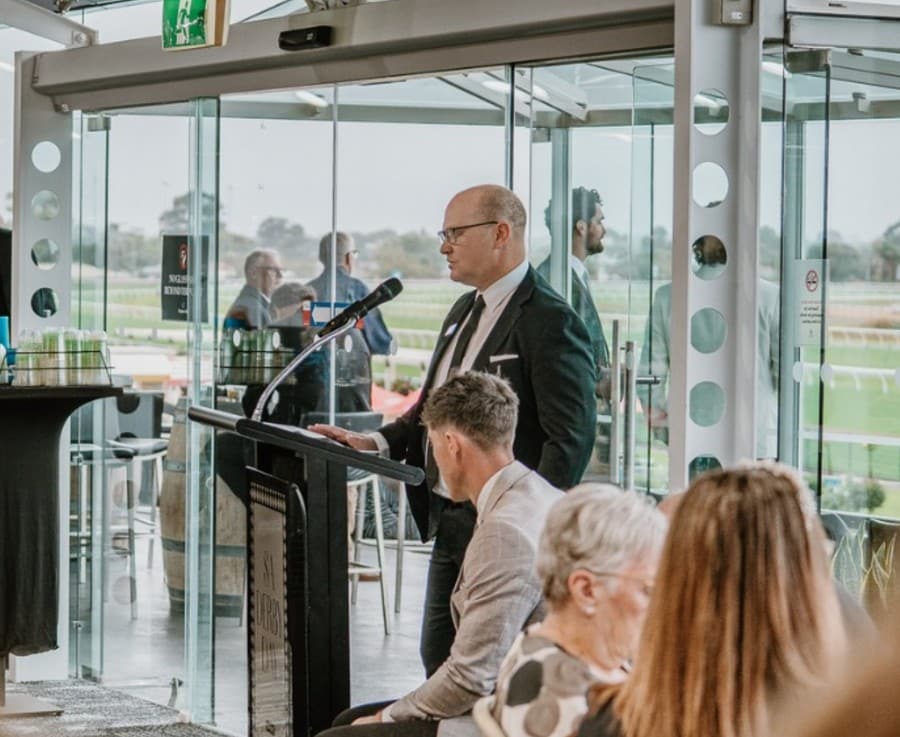
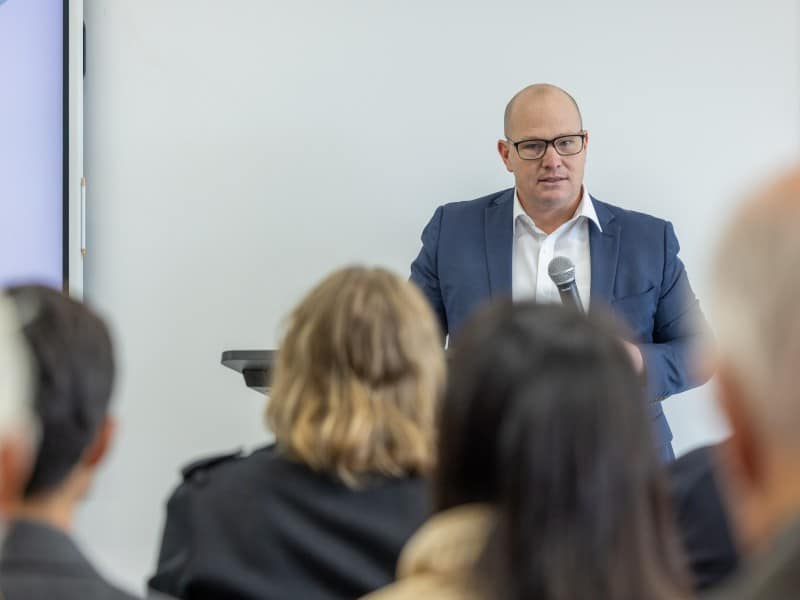
Racing SA chair Rob Rorrison said the report validated the significance of racing beyond the racetrack.
“Pleasingly but not surprisingly, the report confirms what we have known about our industry – that it is a key contributor to the economic and social fabric of our state,” Rorrison said.
“This strength is being reflected at every level of thoroughbred racing in South Australia, including in our field sizes, which, at 10.8 starters per race, are the best in the nation.
“The strategic path we are taking to grow our industry is benefiting not only racing but also our state as a whole.”
The report revealed that thoroughbred racing dominates the state’s ownership ranks.
Almost 90 per cent of the 10,785 people who are owners or syndicate members across the three codes are involved in a thoroughbred.
Of the overall yearly crowd figures of 266,483, there were almost 168,000 who attended a gallops meeting.
Thoroughbred racing also accounts for 5033 race club members.
SA is home to 25 thoroughbred racing clubs that hosted 177 meetings during 2024/25.
The report found that there were 3206 horses in training during the 12 months.
In the breeding sector, IER said 696 mares were covered while 463 foals were registered with Racing Australia. There were 13 stallions active in the state.
IER is a strategic consulting business specialising in the sports, racing and entertainment industries.
For more than 25 years, IER has been commissioned to provide economic impact evaluations for both private and government clients.
It has found a niche market as a consultant to the racing industries in Australia, New Zealand and Asia.
In particular, IER has specialised in consulting on a variety of projects related to the racing industries in Australia, New Zealand and Asia over this time.
The report was prepared to meet the requirements set out by the three racing codes within the terms of reference.
It was compiled from a combination of publicly available material, data from various stakeholder organisations, alongside confidential discussions held with people involved in the industry.
IER said the information contained in the report has not been subject to an audit.
But industry leaders believe the figures provide further evidence that racing remains deeply embedded in the state’s economic activity and regional community structure.
The report also underscores the increasingly diversified role racing clubs play as community hubs across metropolitan and regional South Australia.
With participation numbers rising and economic indicators strengthening across all three codes, the industry is expected to continue pushing for further growth initiatives and infrastructure investment in the coming years.
Greyhound Racing SA chair David Lewis said the report demonstrated the importance of recognising the broader impact of racing across the state.
“It makes us even more determined to ensure greyhound racing can continue to deliver these returns for our industry and for the communities that rely on us for the critical economic, employment and social outcomes that racing delivers,” he said.
Harness Racing SA chair Carlo D’Ortenzio said harness racing was continuing to record growth in participation and employment throughout South Australia.
“Harness racing continues to experience growth in jobs and participation across South Australia, and that is being reflected in the fact that we are fast approaching $80 million in economic impact,” D’Ortenzio said.
“This reaffirms our confidence in the long-term future of harness racing in South Australia and the next generation of participants.”The 96-page report can be found here.
Related Articles

RV shifts VOBIS funding to boost grassroots racing
Racing Victoria has elected not to make sweeping changes to its long-running VOBIS incentive scheme, opting instead to push more of the $30 million towards non-metropolitan races.

NSW government dismisses petition to broaden Hazzard Review
A petition to expand the scope of the Hazzard review has been denied by Racing Minister David Harris, who said the proposed changes would make the review “fundamentally different in nature”.
‘No longer fit for purpose’ – Racing Australia proposes major changes to syndication
Racing bodies will be left to oversee the regulation of much of Australia’s thriving syndication industry under a preliminary proposal put to the Australian Securities and Investment Commission by Racing Australia.
