
‘No longer fit for purpose’ – Racing Australia proposes major changes to syndication
Racing bodies will be left to oversee the regulation of much of Australia’s thriving syndication industry under a preliminary proposal put to the Australian Securities and Investment Commission by Racing Australia.
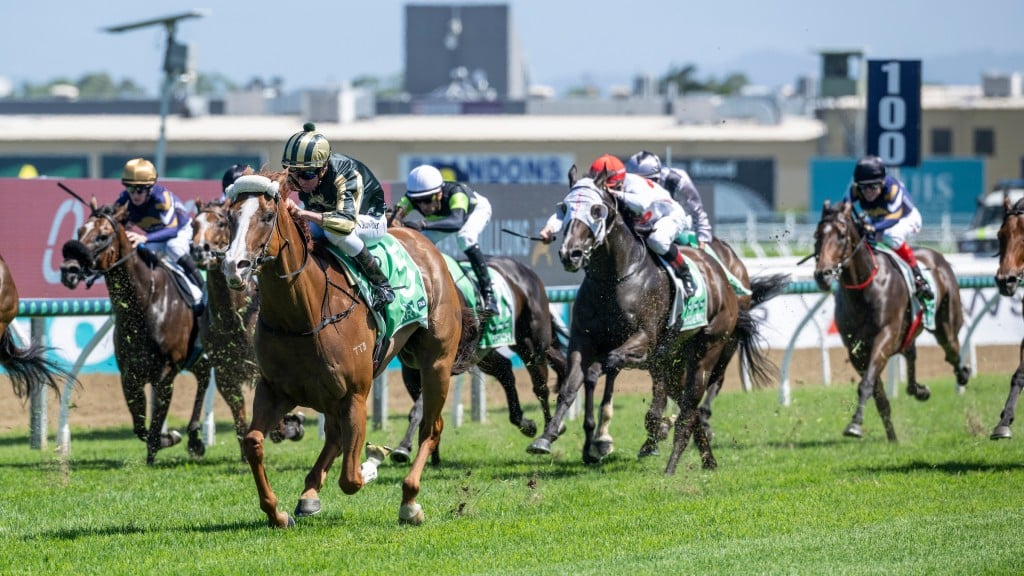
Racing Australia is likely to seek a major change to the way syndication is governed in Australia, proposing a reduction in costs and compliance requirements and the implementation of an industry-wide Code of Practice.
In a preliminary briefing document sent to ASIC last month and seen by The Straight, Racing Australia has told the financial regulator that it believes the legal instrument which governs “horse schemes”, including syndication, is no longer fit for purpose.
ASIC has asked for public submissions on the instrument, which is set to expire on October 1, but has suggested it is not keen to make major changes. It all but ruled out additional compliance, which would have put trainers on the same level as syndicators.
While ASIC is the financial regulator of Australia’s large syndication industry under the Corporations Act, it defers powers to the state-based principal racing authorities (PRAs) as lead regulators.
In correspondence sent out to syndication companies in recent weeks, PRAs are urging interested parties to coordinate their feedback to ASIC through Racing Australia.
But according to the documents seen by The Straight, Racing Australia has already made a preliminary submission, which is seeking major changes as the current system is “too complex and disproportionately burdensome, particularly for the lower-value syndications”.
It seeks to remove the requirement for syndicators to hold an Australian Financial Services Licence and to prepare full Product Disclosure Statements if the syndication value is below $500,000 and the syndicate has fewer than 50 members.
A new draft Code of Practice is set to be put to ASIC for review, where there would be no financial services licence or PDS requirement, only a “streamlined disclosure document with key information”.
It was argued that the change would bring Australia into line with other international jurisdictions, including New Zealand.
“The racing industry through the PRAs already operates an established supervisory and enforcement regime,” the document said.
“The current framework imposes high costs and complexity that are not commensurate with the risk profile of smaller syndications.”
It was argued that PRAs already administer syndicator compliance and that a change would maintain appropriate consumer protection while eliminating duplication between financial services regulation and existing racing industry oversight.
“Any relief could be narrowly scoped to apply only where promoters comply with the Code of Practice,” it said.
Several syndicators spoken to by The Straight said they felt there was not a “level playing field” when it came to their compliance demands and those of trainers, who do not have to fulfil AFSL and disclosure documentation requirements.
With the instrument under review, there was a desire to see compliance standards lifted for the entire industry, but it now appears that if there is going to be a level playing field, it will instead be in a reduction of syndicators’ requirements, as expressed by Racing Australia.
The instrument was last reviewed in 2016.
PRAs have told interested parties that the public consultation period remains open and have asked for wide-ranging points on what changes should be made. ASIC’s window for feedback closes on June 24.
Syndication, as well as private horse breeding schemes, such as private stallion or broodmare syndicates, fall under ASIC’s purview as they are considered managed investments.
According to Racing Australia, 59,471 people raced horses as part of a syndicate in 2024/25, excluding micro-syndicate participants. That number had grown by nearly 20,000 over the past five years. They were involved in just over 12,000 syndicates in total.
Author

Related Articles
Premium venues to benefit as RV reshapes country racing calendar
Racing Victoria will overhaul the classification of country TAB meetings from next season, with six key venues to receive premium status as part of a strategy to strengthen wagering and engagement.

Russell Warwick to step down as NZTR chair
Upheaval continues in the upper echelons of New Zealand racing, with confirmation that Russell Warwick will step down as chair of New Zealand Thoroughbred Racing in the coming months.
Australian Classics in Asian Pattern Committee’s line of fire, but no firm decisions imminent
The Asian Pattern Committee will hold a virtual meeting with delegates on Thursday, with Australia’s dysfunctional black-type calendar high on the agenda. However, stakeholders hoping for an immediate shake-up may be disappointed, write Tim Rowe and Warwick Barr.
