
🔒 🔒 Transparency breeds confidence – Waller backs tech-led approach as he trials Sleip App
Chris Waller believes the use of lameness detection technology, such as that being trialled in NSW, could boost investor confidence in the racing industry, both through bloodstock sales and wagering.
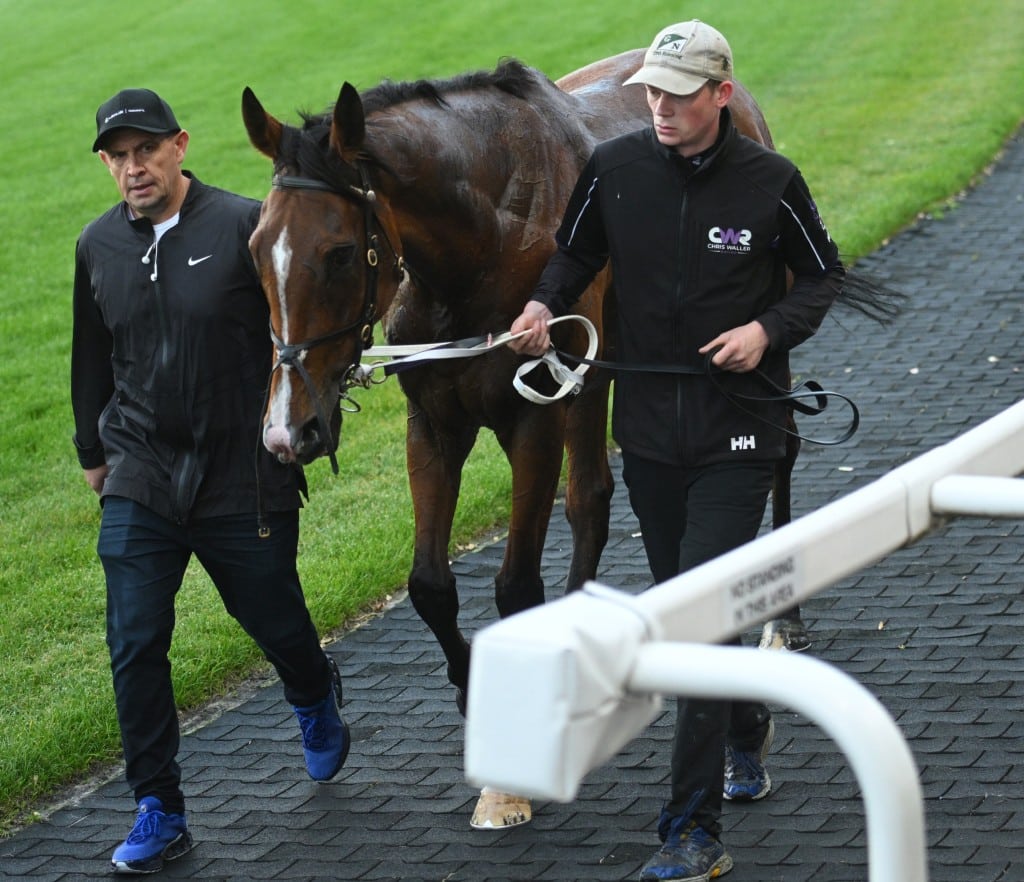
Australia’s leading trainer Chris Waller has revealed he is one of the stables trialling Sleip App’s lameness detection technology, the use of which could be mandated for NSW licensed trainers by the regulator.
Amid pushback from sections of the state’s training fraternity, Racing NSW’s planned July 1 introduction of the Swedish-developed Sleip App was delayed with further concessions made.
A trial of the technology is under way, with a working group set up by the NSW Trainers Association to provide feedback to Racing NSW and its chief veterinary officer, Dr Carly Garling, on the practicality of the Sleip App.
Waller confirmed that he has been testing the technology for a fortnight, having taken “a deep breath when I heard them say that every horse would have to be tested once a week”.
He also commended the trainers’ association and Racing NSW for “healthy” communication about the Sleip App’s gradual introduction.
“We’ve used the Sleip App quite a lot over the past two weeks, learned a bit more about it, and I think it’s very user-friendly,” Waller told The Straight as part of an exclusive in-depth interview to be published later this week.
“The trainers’ association were also lobbying at an affordable cost, which is obviously so important, so I think they’ll roll it out gradually.
“I’m all for trialling it, and we’ve got to, in this modern age, be seen as doing the right thing by horse welfare, horse longevity, and if it’s the right answer, then you’ve got to embrace it, and I’m sure it’ll be good.”
The champion trainer said more transparency around vetting and lameness via technology was also important in retaining faith in bloodstock transactions.
“I think most horses would be lame throughout their training career, but it could be as simple as a foot, shin soreness, or a strained muscle,” he said.
“The last thing you want is a horse being sold if it’s got a fracture, or a hairline fracture. I guess these things will work themselves out, but the vetting of horses, and the transparency when selling a horse is probably more important than anything.”
Waller suggested that the implementation of the Sleip App could also help protect punters, and build confidence in the wagering marketplace.
“There’s nothing worse than having a big favourite, and if you find out after the race that it’s lame, it’s no use to anybody, but if there’s a tool that can just back up a vet’s opinion, back up the trainer’s opinion, then it’s got to be good because it’s not easy to detect lameness with a horse,” he said.
“They don’t talk, they often push through the pain barrier, but if there’s a slight lameness that can be detected on a digital app, then grab it, because to the naked eye, I think it can be a little bit confusing.
“You want to stop horses being scratched on race day; that’s no good to anybody.
“If they can be scratched the day before, or before scratchings are closed, I think it’s good for wagering, and it’s good for everybody’s peace of mind.”
On Thursday, Waller chats to Tim Rowe about refining his operation rather than expanding and weighs in on New Zealand racing reform and the changing approach to two-year-olds in Australia.
Author

Related Articles
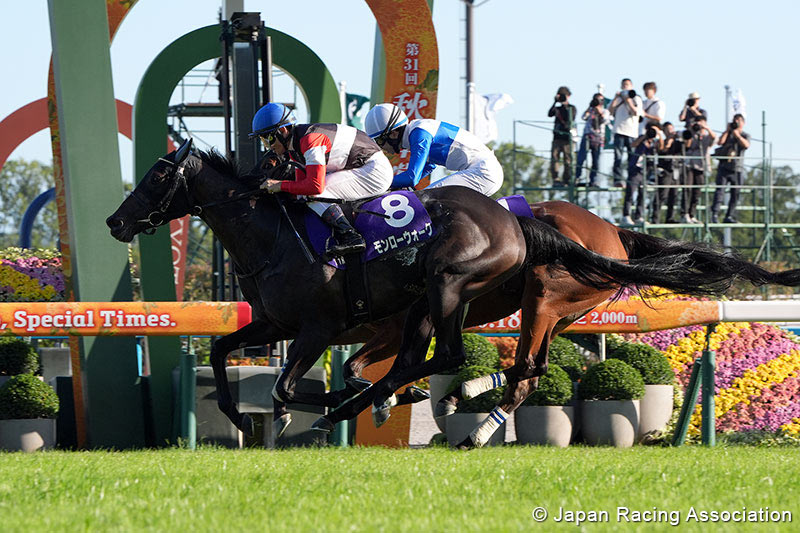
Monroe Walk becomes latest Japanese Group 1 winner out of an Australian mare
Monroe Walk, a Kizuna filly out of Thousand Guineas winner Amphitrite, remained unbeaten in the Shuka Sho at Kyoto, equalling the course record at her first Group 1 start.
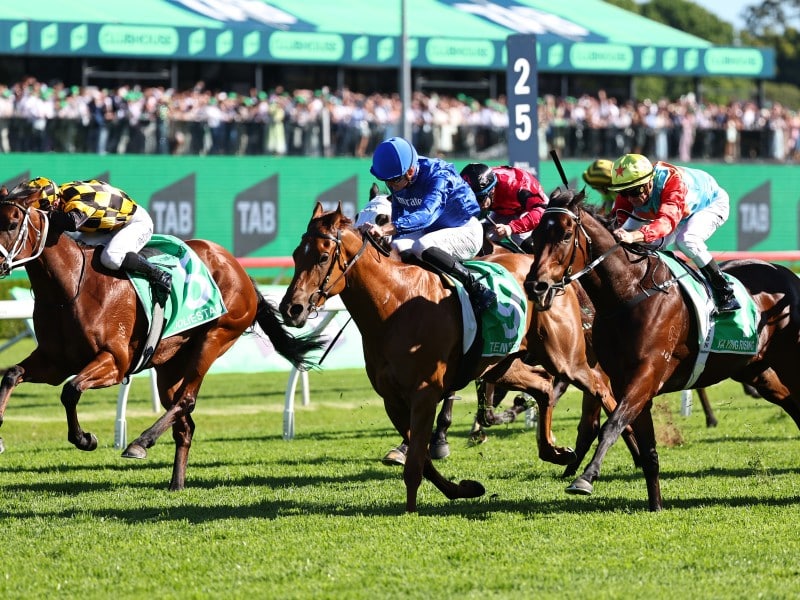
Tempted upsets Ka Ying Rising in epic Everest
Tempted has lowered Ka Ying Rising colours in an epic edition of Australia’s richest race, the $20 million The Everest, handing Godolphin one of its most significant Australian results.
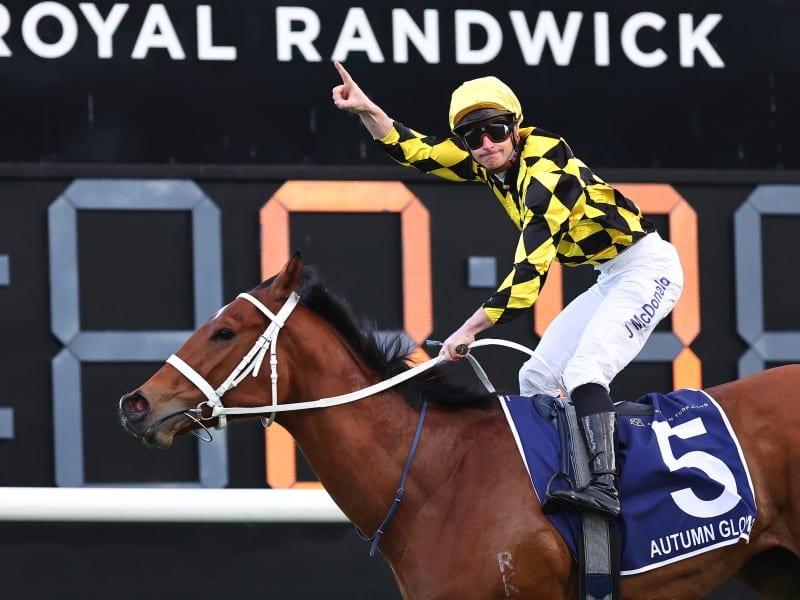
Autumn Glow beats Ceolwulf for fifth Group 1 with Royal Ascot in view
Autumn Glow claimed her 14th win from 15 starts as the Chris Waller-trained mare took the King Charles III Stakes, with a Royal Ascot trip in June still on the table.
